Do you have to release trout over 14 inches on the Norfork?
It's incredibly easy to get confused by Arkansas's fishing regulations, especially when you're targeting specific species on particular stretches of water. The Norfork River tailwater, known for its phenomenal trout fishing, is a prime example where a slight misunderstanding of the rules can quickly lead to trouble. Many anglers wonder about the specifics of trout size limits, particularly if fish over a certain length must be released. This guide is here to clarify exactly what you need to know about releasing trout over 14 inches on the Norfork and ensure your next fishing trip is both successful and compliant.
Understanding Norfork Tailwater Trout Regulations
Fishing the Norfork Tailwater is an experience unlike any other, with its crystal-clear waters and the promise of truly magnificent trout. But with that privilege comes a responsibility to understand and abide by some very specific rules designed to protect this precious fishery. It's not just about what you can catch, but what you must do with certain fish once you land them.
The Specifics of the Norfork Slot Limit
So, let's cut straight to it: yes, you absolutely have to release trout over 14 inches on the Norfork Tailwater, at least up to a certain size. The Arkansas Game and Fish Commission (AGFC) has a special slot limit in place for this particular stretch of river, from the Norfork Dam downstream to its confluence with the White River. Here’s how it breaks down:
- Daily Limit: Anglers are allowed to keep a daily limit of two (2) trout.
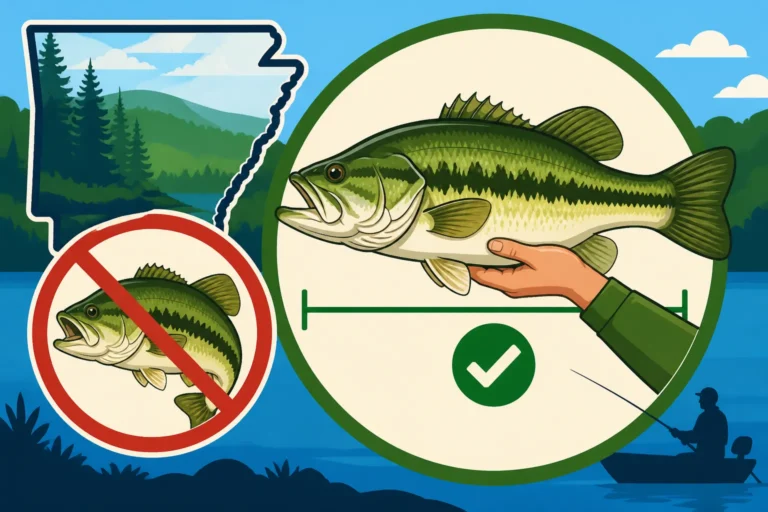
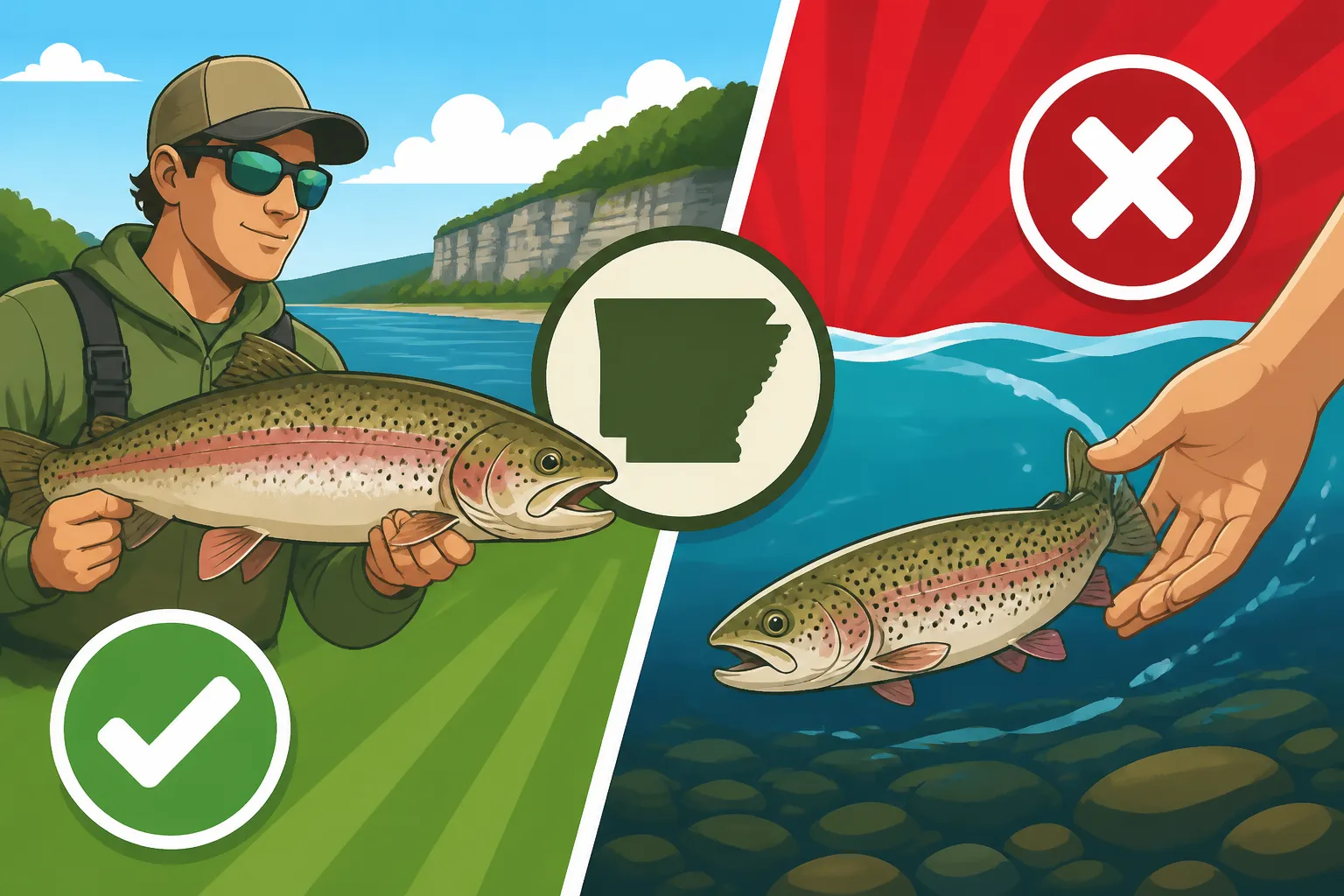
- Protected Slot: Here's the crucial part – all trout between 14 inches and 21 inches must be immediately released. This means if you reel in a beautiful rainbow or brown trout that measures anywhere from 14.1 inches all the way up to 20.9 inches, it needs to go right back into the water, unharmed.
- Trophy Exception: You are allowed to keep only one (1) trout over 21 inches as part of your two-trout daily limit.
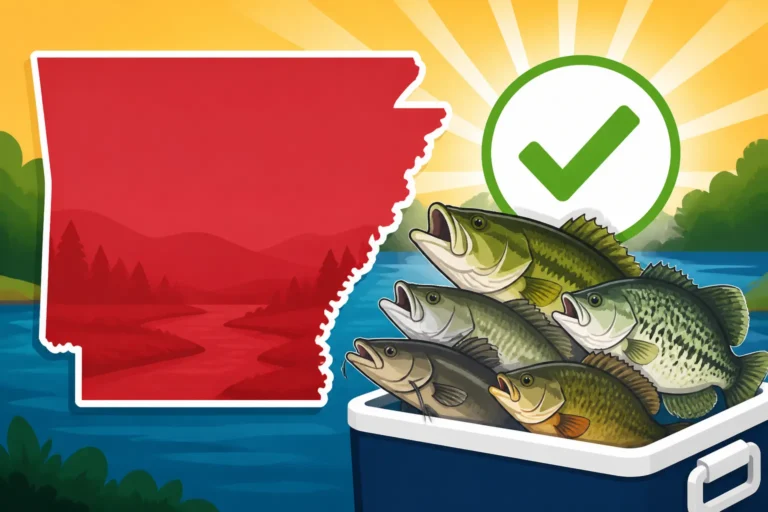
This means you can keep two trout under 14 inches, or one under 14 inches and one over 21 inches, or two over 21 inches (if you're incredibly lucky!), but never anything within that 14-21 inch slot. It’s a very intentional regulation, and one that trips up quite a few anglers who aren't familiar with these highly localized rules. It's really different from the statewide general rules, so always double-check the specific regulations for the water you're fishing. You can usually find these in the latest AGFC Fishing Guidebook or on their website. It's also vital to remember that to keep any trout, you'll need a valid Arkansas Trout Permit Rules in addition to your regular fishing license.
Why the Norfork Has Unique Rules
You might wonder why the Norfork has such a specific and seemingly complicated set of rules compared to other waters. It’s not just to make things difficult, I promise! These regulations are carefully crafted by the AGFC to achieve several important conservation goals, primarily focused on maintaining a healthy, vibrant, and trophy-quality trout fishery.
The Norfork Tailwater is renowned for its potential to produce genuinely large trout, especially brown trout. The slot limit serves as a protective measure for fish that are in their prime growth phase. By requiring the release of trout between 14 and 21 inches, the AGFC ensures that a significant portion of the fish population reaches larger sizes, providing more opportunities for anglers to catch bigger fish in the future. It’s a classic "trophy management" strategy. Without these rules, anglers might quickly deplete the medium-sized fish, leaving fewer individuals to grow into the really impressive sizes that the Norfork is famous for. This long-term strategy helps sustain both the quality of the fishing and the overall health of the ecosystem. It's a testament to the AGFC's commitment to ensuring fantastic experiences for anglers for years to come. If you're planning a trip, understanding the Trout Limits on the Norfork Tailwater in Arkansas is non-negotiable for a smooth outing.
Best Practices for Catch-and-Release on the Norfork
Since a significant number of fish you'll encounter on the Norfork, especially those in the protected slot, will need to be released, it's absolutely paramount to practice responsible catch-and-release techniques. Even if you plan on keeping your legal limit, some fish will inevitably be too small or fall within that slot, so knowing how to handle them properly is crucial for their survival.
Minimizing Stress and Injury to Trout
When you're reeling in a beautiful trout, the excitement can be immense, but it's important to keep the fish's well-being in mind. Trout are delicate, and improper handling can quickly lead to injury or even death after release. The goal is to get the fish unhooked and back into the water as quickly and gently as possible, minimizing its time out of the water and physical contact.
First and foremost, use appropriate tackle. Lighter line and smaller hooks can be more challenging, but they reduce the chance of deeply gut-hooking a fish. Many experienced trout anglers on the Norfork prefer barbless hooks for this very reason. If your hooks aren't barbless, consider crimping the barbs down with a pair of pliers. This makes hook removal much easier and quicker, causing less damage to the fish's mouth. When the fish is hooked, try to land it quickly without over-fighting, which can exhaust the fish to the point of no return. Once landed, avoid dragging the fish through gravel or sand, as this can remove their protective slime layer, making them susceptible to disease. Instead, try to net the fish in the water using a soft, knotless rubberized net. These nets are much gentler on fins and scales than traditional knotted nets. You can find excellent options, like those from Frabill or Fishpond, easily on Amazon.
Proper Handling and Release Techniques
Once you've landed a fish that needs to be released, every second counts. Keep the fish in the water as much as possible. If you need to remove it from the water for a quick photo, do so gently and quickly. Wet your hands thoroughly before touching the fish to avoid stripping off its protective slime coat. Hold the fish horizontally, supporting its belly and tail, and avoid squeezing it, especially around the gills or internal organs.
To remove the hook, use needle-nose pliers or a hemostat. If the hook is deeply swallowed, it’s often better to cut the line as close to the hook as possible than to try to rip it out. The hook will often rust out or pass naturally. Once the hook is removed, gently place the fish back into the water, head-first, in an area with a gentle current. If the fish seems sluggish, gently hold it upright facing into the current until it regains its strength and swims away on its own. Never just toss a fish back in; ensure it's revived and ready to go. Paying attention to these small details can make a huge difference in the survival rate of released trout. For more nuanced advice on specific gear, many experienced anglers share their favorite catch-and-release tools, like long-handled hemostats or specialized nets, on Amazon product reviews.
Essential Gear for Norfork Trout Fishing
Having the right gear isn't just about catching fish; it's also about ensuring you can comply with regulations and practice responsible angling. For the Norfork Tailwater, a few specific items are truly indispensable.
Measuring Devices and Hook Removal Tools
A reliable measuring device is non-negotiable on the Norfork. Since you have to instantly release any trout within the 14-21 inch slot, you need to know their length accurately and quickly. A simple, flexible tape measure or a rigid bump board is perfect. I keep a retractable measuring tape clipped to my fishing vest for easy access. Make sure it's clearly marked and easy to read even with wet hands.
| Measurement Tool Type | Pros | Cons | Ideal Use Case |
|---|---|---|---|
| Flexible Tape Measure | Compact, inexpensive, easy to carry. | Can be harder to hold straight on a wiggling fish. | Quick checks, fits in a small pocket. |
| Rigid Bump Board | Very accurate, easy to lay fish on, minimal contact. | Bulkier, less portable. | Dedicated measurement for fish you might keep or photograph. |
| Net with Ruler | Built-in ruler, good for quick checks. | Ruler might wear off, can be less precise. | Anglers prioritizing speed and minimal handling. |
Alongside your measuring device, a good pair of needle-nose pliers or a specialized fishing hemostat is essential for quick and safe hook removal. Look for stainless steel options that resist rust and have a good grip. These tools, often available on Amazon from brands like Booms Fishing or KastKing, allow you to reach into a fish's mouth and remove hooks with minimal fuss, greatly reducing stress on the fish.
Understanding the Trout Permit
It’s easy to get caught up in the excitement of planning a Norfork trip and overlook a crucial piece of paperwork: the trout permit. Even if you hold a valid Arkansas Fishing License Rules and Costs, if you plan on fishing in specific trout waters like the Norfork, you are also required to possess a separate trout permit if you intend to keep any trout.
The permit is an additional cost, but it's vital for funding trout stocking and management programs that keep these fisheries thriving. Many anglers ask, "Do you need a trout permit to keep trout in Arkansas?" and the answer is a resounding yes if you're fishing in designated trout waters and plan to retain your catch. Even if you're primarily practicing catch-and-release, it's still generally a good idea to have one, just in case you land a fish you're legally allowed to keep and decide to take it home. The cost is quite reasonable, and it contributes directly to the health of the very waters you're enjoying.
Staying Informed and Compliant
Fishing regulations, especially on special management waters, can and do change. What's current today might be slightly different next season. It's an angler's responsibility to stay updated.
Consulting Official AGFC Resources
The absolute best way to ensure you're always fishing legally and responsibly is to consult the official Arkansas Game and Fish Commission (AGFC) resources. Their annual fishing guidebooks are comprehensive and typically released just before the new license year begins. You can pick up a physical copy at most sporting goods stores or AGFC offices, or download a digital version directly from their website. The digital version is particularly handy because you can have it on your phone or tablet while you're out on the water.
Beyond the annual guide, the AGFC website is a treasure trove of information. They often post news releases about regulation changes, special alerts, and detailed information about specific bodies of water. For dedicated trout anglers, checking the specific section for "Norfork Tailwater Trout Rules and Season" directly on the AGFC site will always give you the most accurate and up-to-date information. Don't rely solely on what a friend told you or what you read on an old forum post; go directly to the source.
The Importance of Local Knowledge
While official regulations are paramount, combining that knowledge with local insights can truly enhance your fishing experience and understanding of how regulations are applied in practice. Many local tackle shops and experienced guides in areas like Cotter or Norfork are incredibly knowledgeable about the nuanced interpretation of regulations and the specific challenges of fishing certain spots. They can offer practical advice on everything from "Best Trout Fishing Spots in Arkansas" to the best flies for certain water levels, or even how enforcement works on particular stretches.
Chatting with a local guide, even if you’re not booking a full trip, can be invaluable. Guides like those found along the White River, often operating out of outfitters like Dally's Ozark Fly Fisher, know these waters intimately. They understand how factors like generation schedules from the dam impact fish behavior and accessibility, which in turn influences how you approach the fishing while adhering to the regulations. They might share tips on how to effectively Spin Fishing Techniques for Trout or provide a subtle hint on where to find that elusive brown. These conversations can help you grasp the spirit of the regulations, not just the letter, making you a more effective and responsible angler.
Disclaimer
Please remember that fishing regulations are subject to change. Always consult the most current Arkansas Game and Fish Commission (AGFC) regulations guide or their official website before heading out on the water. This article provides general information and should not be considered a substitute for official AGFC publications.