Why anglers no longer need to count fish at home in Arkansas
One of the biggest headaches for passionate anglers in Arkansas used to be keeping track of fish limits not just while you were out on the water, but after you got home. The old "possession limit" rule often created confusion and unnecessary stress, especially for those enjoying multi-day trips or traveling long distances. But here's some fantastic news: the game has changed, making your post-fishing cleanup and travel much simpler.
Understanding the Old Possession Limit Rules
For years, many anglers in Arkansas found themselves wrestling with a complex set of regulations, particularly concerning what was known as the "possession limit." This wasn't just about how many fish you could catch in a single day; it extended to how many fish you could legally have in your cooler, freezer, or even on your property at any given time, regardless of when they were caught. It was a rule designed, in theory, to prevent overharvesting, but in practice, it often led to a lot of head-scratching and anxiety.
Imagine you've had a fantastic three-day fishing trip on the White River, landing some beautiful trout. Each day, you adhered strictly to the daily creel limits. You packed up your cooler, excited to show off your catch back home. But then the questions would start: "Did I only keep two fish from each day, or is this the total I'm allowed to possess period?" The ambiguity could be really frustrating, turning what should be a relaxing hobby into a complex accounting exercise. This was especially true for families or groups where multiple licenses were involved, making the tally even more complicated.
The Frustration of the "Final Point of Storage"
A key component of the old possession limit was the concept of the "final point of storage." This phrase alone caused so much confusion. Was your cooler in the back of your truck the final point of storage? Was it your home freezer? What if you were traveling from a fishing camp back to your permanent residence? The Arkansas Game and Fish Commission (AGFC) defined it as the angler's permanent residence or a commercial processing or storage facility, but interpreting that on the fly, especially after a long day of fishing, felt like deciphering legal jargon.
Anglers often worried about accidentally exceeding this limit. Picture pulling into a gas station after a long drive from Lake Ouachita, your cooler full of the previous days' catches, only to realize that combined, they might technically exceed the old possession limit even if each day's catch was legal. This constant fear of inadvertently breaking a rule, rather than focusing on responsible angling, was a significant point of stress for many. It often led to anglers keeping fewer fish than legally allowed, simply to avoid potential penalties for fishing without a license in Arkansas or for breaking an obscure possession rule.
Multi-Day Trip Dilemmas
The possession limit truly became a nightmare for anyone planning a multi-day fishing excursion. Let's say you're spending a glorious week at a cabin near Bull Shoals Lake, targeting bass and crappie. On day one, you catch your daily limit of crappie. On day two, another limit. If the possession limit was, for example, twice the daily limit, you could quickly hit that ceiling by day two or three. This meant that even if the fishing was still fantastic, you'd have to stop keeping fish for the rest of your trip, or figure out a way to get your excess catch to a "final point of storage" (which was rarely practical from a remote cabin).
This scenario discouraged longer trips and forced anglers to make tough choices. Do you release perfectly legal fish just because you've hit your possession cap at the cabin? Or do you make an unscheduled, long drive home just to drop off fish? It undermined the spirit of enjoying extended time on the water and made planning a real chore. The intent of managing fish populations was certainly understood, but the practical application felt overly restrictive and complex for the average angler.
The Big Change: What Happened to Arkansas's Possession Limits?
Here's the exciting news that simplifies things dramatically for every angler in the Natural State: Arkansas has effectively eliminated statewide possession limits for the 2026-27 season and beyond. That's right, those perplexing rules about how many fish you could have in your freezer at home? They're gone! The Arkansas Game and Fish Commission made this significant change to streamline regulations and make compliance much easier for anglers, allowing them to focus more on enjoying their time outdoors rather than performing complex fish arithmetic.
This shift means a huge weight off the shoulders of many. No more worrying if the cumulative total of fish in your cooler from a weekend trip exceeds a predetermined number. This move aligns Arkansas with many other states that primarily rely on daily creel limits to manage fish populations, simplifying the rules without compromising conservation efforts. It's a pragmatic approach that recognizes the challenges anglers faced and seeks to foster a more enjoyable fishing experience for everyone, from seasoned veterans to those just starting out with fishing techniques for beginners.
Daily Creel Limits Still Apply
It's absolutely crucial to understand that while statewide possession limits are a thing of the past, daily creel limits still apply even without a possession limit in Arkansas. This is the cornerstone of fish management now. The daily creel limit dictates the maximum number of a specific species of fish you can legally harvest and keep within a single 24-hour period. For example, if the daily limit for largemouth bass is five fish, you can only keep five largemouth bass between midnight and midnight.
This means that while you no longer have to worry about the total number of fish in your freezer, you must still adhere strictly to the daily limits every time you go out fishing. These limits are designed by the AGFC to ensure sustainable fishing practices and protect fish populations. So, if you catch your daily limit of crappie on Lake Conway, you can't go back out later that same day and keep more of that species. You'd need to wait until the next calendar day to harvest more. This shift truly places the emphasis on responsible harvesting during your fishing activity, rather than after it. You can find all the specifics in the Arkansas Fish Size and Daily Limits guide.
Defining "Final Point of Storage" Now
With the elimination of statewide possession limits, the definition and importance of "final point of storage" have also fundamentally changed. Previously, this was a critical, and often confusing, concept tied directly to the possession limit. Now, without a statewide possession limit, the concept of a "final point of storage" as a regulatory checkpoint for a cumulative total of fish is largely irrelevant in that old context.
Instead, what counts as a fish's final point of storage in Arkansas is now simpler: it's essentially the place where your fish are permanently kept for consumption, whether that's your home, a friend's freezer, or a commercial processor. The key is that once fish are at this final destination, they are no longer subject to any cumulative statewide possession limit. However, certain local or specific waterbody regulations might still have nuances, so always check the current AGFC regulations for the specific body of water you're fishing. The core message is that you don't have to stress about a running total of fish across multiple days of fishing at your home.
Comparison of Old vs. New Possession Rules
To help illustrate just how much simpler things have become, let's look at a hypothetical scenario comparing the old and new rules.
| Scenario | Old Possession Rules (Pre-2026) | New Possession Rules (2026-27 Onward) |
|---|---|---|
| Daily Limit Example | 5 Largemouth Bass per day, 10 Largemouth Bass possession limit (twice the daily) | 5 Largemouth Bass per day, No statewide possession limit |
| Day 1 Catch | Angler catches 5 bass. Legal. (Possession: 5) | Angler catches 5 bass. Legal. (Possession: 5) |
| Day 2 Catch | Angler catches 5 more bass. Now has 10 bass total. Reaches possession limit. Cannot keep any more bass for the trip, even if legal daily. | Angler catches 5 more bass. Now has 10 bass total. Legal. Can continue to keep daily limits each subsequent day, as long as daily limits are observed for each 24-hour period. |
| Return Home | Must ensure total bass in freezer/cooler does not exceed 10 fish. Risk of violation if more than two days of limits were kept. | No need to count total bass at home. As long as each daily harvest was within the 5-bass daily limit, the cumulative total stored at home is irrelevant from a statewide possession limit perspective. Focus is solely on daily adherence. |
| Multi-Day Trip | Highly restrictive. Often forced anglers to stop fishing or release fish after 1-2 days of successful limits, or transport fish home prematurely. | Much more flexible. Anglers can fish for multiple days, keeping their daily limit each day, without worrying about a cumulative statewide possession limit for their overall trip catch. Great for longer stays at Best Fishing Spots in Arkansas like Norfork Lake or Bull Shoals Lake. |
This table clearly shows that the new regulations eliminate a significant layer of complexity, making multi-day trips far more enjoyable and less stressful.
Practical Implications for Anglers in the New Era
The elimination of statewide possession limits isn't just a regulatory tweak; it fundamentally changes how anglers can plan and execute their fishing trips in Arkansas. For years, the anxiety of accumulating too many fish over a multi-day trip or having to meticulously count every fillet in the freezer was a real buzzkill. Now, that burden is lifted, allowing for a more relaxed and straightforward approach to keeping your hard-earned catch. This change simplifies everything from what you pack in your cooler to how long you feel comfortable staying out on the water.
This shift helps reinforce the core principle of sustainable fishing: adhere to your daily limits, and you're good to go. It reduces the chances of honest mistakes and makes understanding the Arkansas Fishing Regulations Guide much more intuitive. Anglers can now fully immerse themselves in the experience, trusting that as long as they respect the daily creel, their catch is legal.
Easing the Burden on Multi-Day Trips
Perhaps the most significant benefit of this new rule is the freedom it grants to anglers on multi-day fishing trips. Previously, if you were planning a four-day excursion to a remote cabin or campground, say near Greers Ferry Lake, you'd constantly have to monitor your cumulative catch. If the possession limit was, for example, twice the daily limit, you might hit that cap after just two days, leaving you to either release perfectly legal fish on subsequent days or prematurely end your keeping activities.
Now, that's no longer an issue. If you're staying at a fishing lodge for a week, you can catch your daily limit every single day (assuming conditions are good!) and legally keep that entire haul. You don't have to worry about driving home early or shipping fish to a processing plant just to avoid exceeding a possession limit back at your primary residence. This is fantastic news for vacationers, allowing them to truly maximize their time on the water and bring home a well-deserved bounty without stress. Just remember, these changes affect How the new possession rule affects multi-day fishing trips in a positive way, but daily limits are still paramount.
Focus on On-the-Water Compliance
With the shift away from statewide possession limits, the focus of regulation has firmly moved to on-the-water compliance. This means that enforcement efforts by game wardens will primarily center on ensuring anglers are adhering to the daily creel limits while actively fishing. It simplifies their job, too, as they no longer need to investigate cumulative totals across multiple dates or locations. Their priority is to confirm that any fish in your immediate possession (on the boat, in your cooler at the ramp, etc.) are within the specified daily and size limits for that particular day.
For anglers, this means a clearer set of expectations. Your main responsibility is knowing the daily limit for the species you're targeting and making sure you don't exceed it per day. You can carry a small guide or even check the AGFC app on your phone to quickly verify current limits. This proactive approach to compliance means less worry about post-trip storage and more attention on ethical and legal harvesting during the act of fishing itself. You can still purchase a quality cooler on Amazon to keep your daily catches fresh, but the concern about overfilling it for an entire week's worth of legal hauls is gone.
What This Means for Conservation and Future Regulations
While the change to possession limits simplifies things for anglers, it's natural to wonder about the conservation aspect. Rest assured, the Arkansas Game and Fish Commission (AGFC) makes these decisions with long-term fish population health as their top priority. This isn't a free-for-all; it's a strategic adjustment based on data and a deeper understanding of how current regulations impact both fish stocks and angler behavior. The move to prioritize daily creel limits as the primary management tool is a common and effective strategy used by many states to maintain healthy fisheries.
The AGFC continuously monitors fish populations across Arkansas's diverse waterways, from the trout-rich White River to the bass-filled depths of Lake Ouachita. These regulations are dynamic, adapting to environmental changes, scientific findings, and angling pressure. This particular change is about making regulations easier to understand and follow, which can actually lead to better compliance and therefore better conservation outcomes.
Monitoring Fish Stocks
The AGFC employs a dedicated team of fisheries biologists who are constantly out on the water, conducting surveys, analyzing catch data, and studying the health of fish populations. They use various methods, from electrofishing to creel surveys, to gather crucial information on species like largemouth bass, crappie, trout, and catfish. This data is what truly drives regulatory decisions, including changes to size and daily limits, as well as the overarching framework of regulations.
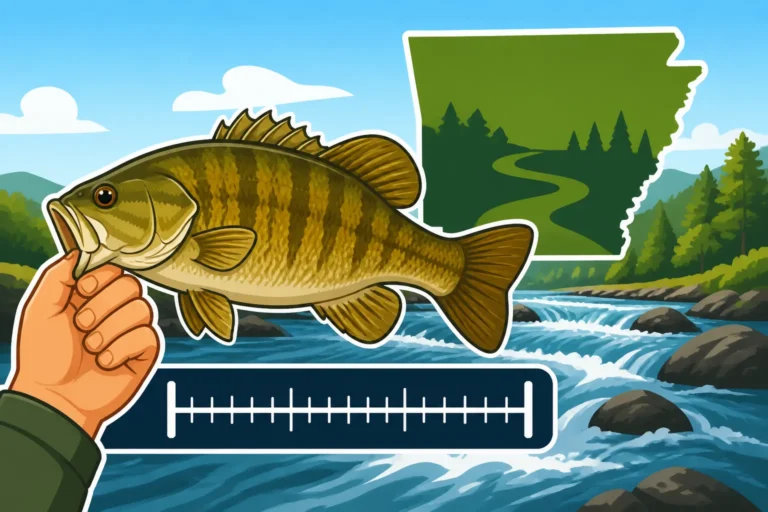
The elimination of the statewide possession limit doesn't mean the AGFC is abandoning its oversight. Instead, it means they have confidence that the existing daily creel limits, coupled with size restrictions on certain species (like the 9-inch minimum for crappie or 12-inch minimum for smallmouth bass on moving waters), are robust enough to protect fish stocks. They'll continue to track angler harvest rates and fish population trends, using this information to make any necessary adjustments to daily limits or other specific regulations in the future. For example, if they see a decline in a specific species, they might reduce the daily limit or implement a slot limit, rather than bringing back a statewide possession limit.
Potential for Future Adjustments
It's important for anglers to understand that regulations are not set in stone forever. The natural world is constantly changing, and so are the pressures on our fisheries. The Arkansas Game and Fish Commission operates on a cycle of reviewing and updating regulations, typically every two years. This means that while the current change eliminates statewide possession limits for the 2026-27 season, it's always possible for further adjustments to be made down the line.
These future adjustments could include changes to daily limits for specific species, new slot limits, modifications to seasonal restrictions, or even localized rules for particular bodies of water. For instance, the New Possession Limit Rule for Arkansas Anglers is a prime example of how regulations evolve. Staying informed by regularly checking the official AGFC website or picking up a current fishing guide (which you can often find easily on Amazon or at local sporting goods stores like Bass Pro Shops or Academy Sports + Outdoors) is the best way to ensure you're always fishing legally and responsibly. Your knowledge of Arkansas Fishing License Requirements for Out-of-State Anglers or even Arkansas Fishing License Rules and Costs might also need periodic review.
Disclaimer
The information provided in this guide is for general informational purposes only and is based on the most current regulations available at the time of writing (specifically concerning the 2026-27 fishing season in Arkansas). Fishing regulations are subject to change by the Arkansas Game and Fish Commission (AGFC). It is the angler's responsibility to review and comply with all current state and local fishing regulations before engaging in any fishing activity. Always consult the official AGFC website or their latest printed fishing guide for the most accurate and up-to-date information.