Arkansas eliminated statewide possession limits for the 2026-27 season
It can be incredibly confusing and sometimes downright frustrating to keep up with all the fishing regulations, especially when you’re planning a relaxing multi-day trip or just trying to manage your freezer full of fish at home. For the 2026-27 season, Arkansas anglers are in for a significant change: the statewide possession limit has been eliminated. This guide is here to cut through the confusion and explain exactly what this new rule means for you, ensuring you can enjoy your time on the water without unnecessary worry.
Understanding the Shift from Possession Limits to Creel Limits
For years, the concept of a "possession limit" often weighed heavily on anglers. It was one more thing to keep track of, one more rule that could turn a great fishing trip into a stressful math problem. But with the 2026-27 season, the Arkansas Game and Fish Commission (AGFC) has made a major change to simplify things for everyone hitting the state's incredible waters.
What Were Statewide Possession Limits, Anyway?
In the past, statewide possession limits dictated the total number of fish you could have on hand at any given time, regardless of when or where they were caught. This included fish in your livewell, cooler, vehicle, and even those in your freezer at home. Imagine you went fishing every weekend in May and kept your daily limit each time. By the end of the month, you'd have to ensure the total number of fish in your freezer didn't exceed the statewide possession limit for that species.
This rule, while intended to prevent overharvest, created a unique set of challenges and frustrations for many anglers. For those who loved to stock their freezers, it meant constantly counting or making sure they ate enough fish before hitting the lake again. If you were on a multi-day fishing excursion, you had to be extremely careful not to accumulate more than the possession limit over the course of your trip, even if you were perfectly within the daily creel limit each day. It often felt like you needed a calculator and a spreadsheet just to stay legal, taking some of the joy out of the sport.
The New Reality: Focus on Daily Creel Limits
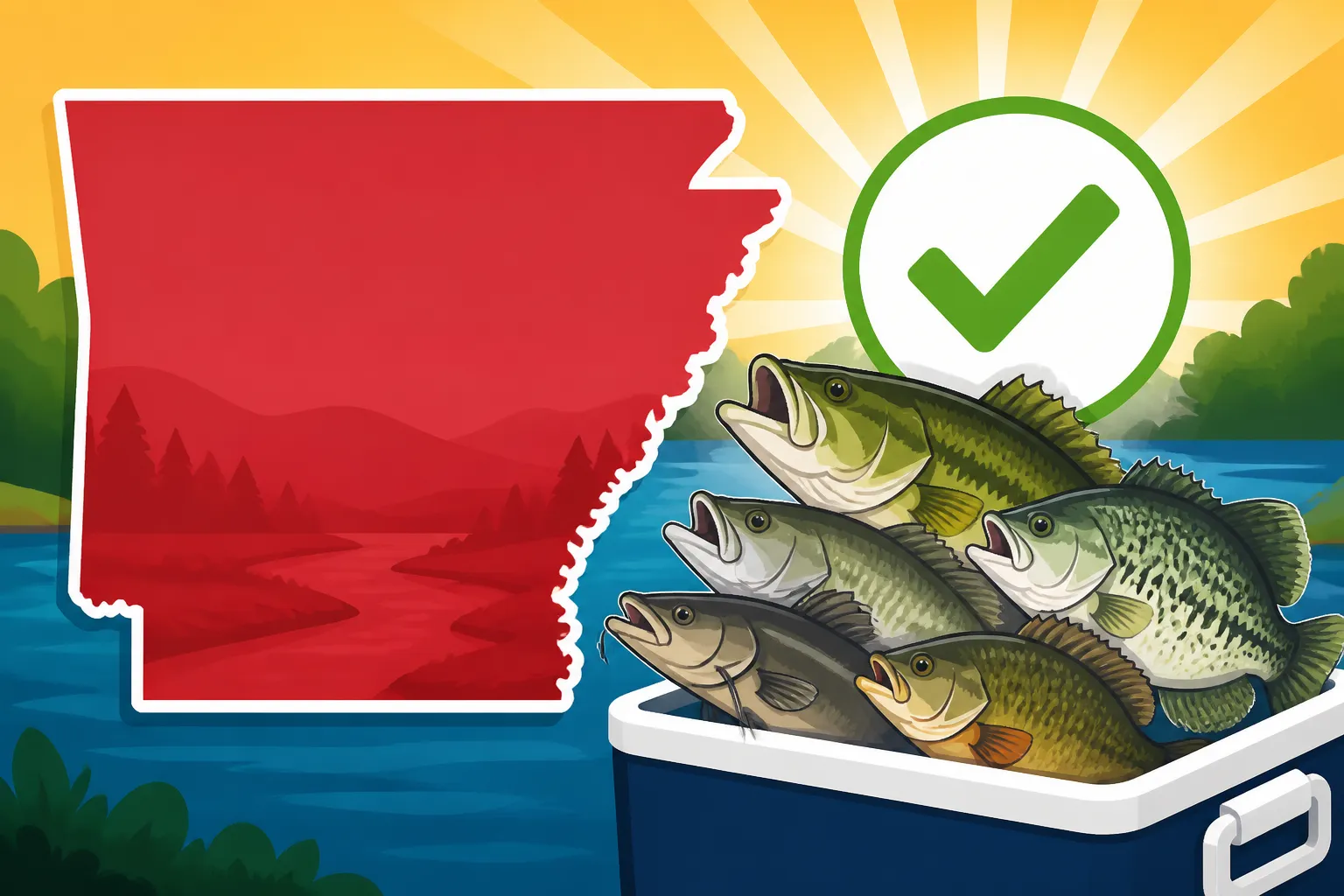
Here's the big news: for the 2026-27 season, the statewide possession limit for fish in Arkansas has been eliminated. This is a monumental shift that aims to simplify compliance and reduce angler stress. What this means is that you no longer have to worry about the cumulative total of fish you have at home or from previous trips.
However, and this is crucial, the daily creel limits are still very much in effect. In fact, they are now the primary regulation you need to be concerned with. A daily creel limit specifies the maximum number of fish of a particular species that an angler can legally catch and keep within a single 24-hour period. For example, if the daily creel limit for largemouth bass is five fish, you can only keep five largemouth bass between midnight and midnight on any given day. Once you reach that limit, you must stop keeping that species for the rest of that day.
This change really simplifies things for many anglers because it shifts the focus entirely to what you're doing on the water, today. You catch your daily limit, and that's what matters. You don't have to worry about how many you have in the freezer from last week. This removes a significant administrative burden and allows anglers to simply enjoy their time fishing without the nagging worry of exceeding an invisible at-home total. AGFC has made it clear that while you still need to know and follow the Arkansas Fish Size and Daily Limits, the old possession limit rule for cumulative totals is a thing of the past.
How the Change Impacts Your Fishing Trips
This isn't just a minor tweak; it's a fundamental change that will noticeably affect how many anglers approach their trips, especially those that last longer than a single day. The elimination of the statewide possession limit is a game-changer for freedom on the water.
Implications for Multi-Day Fishing Adventures
One of the biggest headaches for anglers planning multi-day fishing trips used to be the statewide possession limit. Imagine a scenario where you're on a fantastic three-day bass fishing trip to Lake Ouachita. Previously, if the statewide possession limit was, say, twice the daily creel limit, you'd have to monitor your total catch across all three days. If you caught your daily limit on day one and day two, you might be very restricted on day three, even if you hadn't caught anything yet that day. This often meant anglers would stop keeping fish early, or even cut their trips short, to avoid accidentally breaking the rules.
Now, with the elimination of the statewide possession limit, those worries are largely gone. As long as you adhere strictly to the daily creel limit each day you're on the water, you can accumulate fish over multiple days without restriction. So, for that three-day trip to Lake Ouachita, you can theoretically keep your full daily limit of bass on day one, another full limit on day two, and yet another on day three, without worrying about a cumulative "possession" total. This makes How the new possession rule affects multi-day fishing trips a much more liberating experience, allowing you to maximize your catch within daily legal limits and truly enjoy the extended time outdoors. This exciting shift also means you no longer need to stress about the New Possession Limit Rule for Arkansas Anglers as a cumulative total.
Your "Final Point of Storage" and What It Means Now
The concept of a "final point of storage" has always been a key part of fishing regulations, and it still holds significance, though its interaction with the former statewide possession limit has changed. Historically, your "final point of storage" referred to the place where your fish were ultimately stored, such as your home freezer, a processing facility, or even a cooler kept in a more permanent location. Under the old rules, the total number of fish at this final point, combined with any fish still in transit, could not exceed the statewide possession limit. This is What counts as a fish's final point of storage in Arkansas?.
With the statewide possession limit gone, the stress of constantly counting your freezer inventory is eliminated. This is fantastic news for anglers who were always asking, "Why anglers no longer need to count fish at home in Arkansas?" Now, the "final point of storage" primarily relates to ensuring you haven't exceeded your daily creel limit for that specific 24-hour period before your fish reach their final destination. For instance, if you've caught your five largemouth bass for the day, those five fish are legal to take to your "final point of storage." What you already have in your freezer from last week no longer adds to that day's count. The key is to manage your catch strictly by the daily limit from the moment you keep a fish until it's processed or stored, effectively removing the cumulative burden.
The Importance of Knowing Specific Daily Limits
Even though the statewide possession limit is no longer a concern, understanding and adhering to the daily creel limits is more critical than ever. This is the bedrock of responsible angling and regulatory compliance. You can't just go out and keep as many fish as you want; you still have strict daily limits for each species you might target.
These limits can vary significantly by species and even by specific body of water. For example, the statewide daily limit for Largemouth bass daily limit statewide is 5 fish, but some lakes might have a more restrictive slot limit or a different total. Similarly, the Crappie size and daily limit in Arkansas is generally 20 fish at a minimum length of 9 inches for most waters, but certain lakes, like Lake Monticello, have unique exceptions. Therefore, before every trip, it's absolutely essential to consult the latest AGFC regulations. Don't assume that because you know the limit for one lake or river, it applies everywhere. Special regulations are often in place to protect specific fisheries or to manage populations in unique ecosystems.
For instance, the Norfork tailwater trout limit is 2 rainbow trout per day, which is very different from bass or crappie limits. These detailed rules are designed to ensure the sustainability of Arkansas's diverse fisheries. Always double-check the rules for your specific target species and location to avoid any potential issues.
| Species | Statewide Daily Creel Limit (Typical) | Minimum Length (Typical) | Common Exceptions |
|---|---|---|---|
| Largemouth Bass | 5 fish | 13 inches | Lake Monticello (1 fish over 16") |
| Smallmouth Bass | 2 fish (on moving waters) | 12 inches | Crooked Creek, Buffalo River (catch-and-release only) |
| Crappie (Black/White) | 20 fish | 9 inches | Lake Monticello (15 fish); Lake Cargile (7 over 12") |
| Rainbow Trout | 5 fish | None | Norfork Tailwater (2 fish, release over 14"); Bull Shoals Tailwater (2 fish, release over 14") |
| Brown Trout | 1 fish | 16 inches | Spring River (1 fish, 16" min); White River (trophy areas) |
| Channel Catfish | 10 fish | None | None |
| Bream/Bluegill | 50 fish | None | None |
Note: This table provides typical statewide limits. Always refer to the most current AGFC regulations for specific water bodies and species as rules can change.
Essential Reminders and Where to Find Up-to-Date Rules
While the elimination of the statewide possession limit is a significant and welcome change, it doesn't mean all other rules have vanished. There are still fundamental requirements and critical considerations that every angler must keep in mind to ensure a legal and enjoyable fishing experience in Arkansas.
Don't Forget Your Fishing License and Trout Permit
Even with the progressive changes to possession limits, one thing remains absolutely non-negotiable: having a valid Arkansas fishing license. It's the law, plain and simple, and it's how the state funds critical conservation efforts that protect and enhance our fisheries. Whether you're a seasoned local or visiting from out of state, you'll need the appropriate license for your age and residency. Trying to fish without one can lead to fines and other penalties, completely ruining a peaceful day on the water.
If you plan on targeting trout, especially in Arkansas's renowned trout streams like the White River, Little Red River, or Norfork Tailwater, you'll also need to purchase an additional Arkansas Trout Permit Rules. This permit is specific to trout and is required regardless of whether you plan to keep your catch or practice catch-and-release. Don't get caught without it, as game wardens regularly patrol these popular trout waters. Thankfully, getting your license and permit is easier than ever. You can quickly and conveniently purchase them online from the AGFC website. For a full breakdown of requirements and costs, check out our guide on Arkansas Fishing License Rules and Costs. Plus, with modern technology, learning How to Buy an Arkansas Fishing License Online means you can often sort it out right from your phone before you even hit the water.
Local and Special Regulations Still Apply
It's tempting to think that once you understand the statewide rules, you're good to go anywhere. However, Arkansas is a state with incredibly diverse aquatic environments, and many specific lakes, rivers, and tailwaters have their own unique regulations that take precedence over the general statewide rules. These special regulations are put in place for a variety of ecological reasons, such as protecting vulnerable fish populations, managing trophy fisheries, or addressing specific environmental conditions.
For example, while the statewide crappie limit might be 20 fish, you'll find that Lake Monticello Bass and Crappie Exceptions implement stricter rules, dropping the crappie limit to 15 fish per day. Similarly, the famous trout waters below the dams, often called tailwaters, have very specific and often reduced limits. The Norfork tailwater trout limit is 2 rainbow trout per day, and even has length restrictions requiring the release of trout over 14 inches. These kinds of hyper-local rules are not exceptions to be ignored; they are the rules for that specific body of water. Always cross-reference your chosen fishing spot with the AGFC's detailed guides, especially the Arkansas Fishing Rules for Lakes, Rivers and Tailwaters, to avoid any surprises.
Staying Informed: Your Responsibility as an Angler
Ultimately, the responsibility for knowing and following the regulations falls squarely on the angler. While we strive to provide the most up-to-date and comprehensive information, regulations can and do change. The AGFC is continuously monitoring fish populations, environmental conditions, and angler impact, which can lead to adjustments in rules from season to season or even within a season.
The best practice is to always consult the official Arkansas Game and Fish Commission website and download their annual fishing regulation guide before each fishing trip, or at least at the start of each new season. This ensures you have the most current and accurate information directly from the source. It’s a small effort that pays huge dividends in peace of mind, knowing that you’re fishing legally and contributing to the conservation of Arkansas's amazing fisheries for generations to come. Happy fishing!
Disclaimer
The information provided in this guide is intended for general informational purposes only and is subject to change. While we strive to offer accurate and up-to-date content, fishing regulations, license requirements, and other related rules are set by the Arkansas Game and Fish Commission (AGFC) and can be modified at any time. It is the sole responsibility of the angler to consult the official and most current AGFC regulations and advisories before engaging in any fishing activities. We are not responsible for any omissions, errors, or outdated information that may appear.