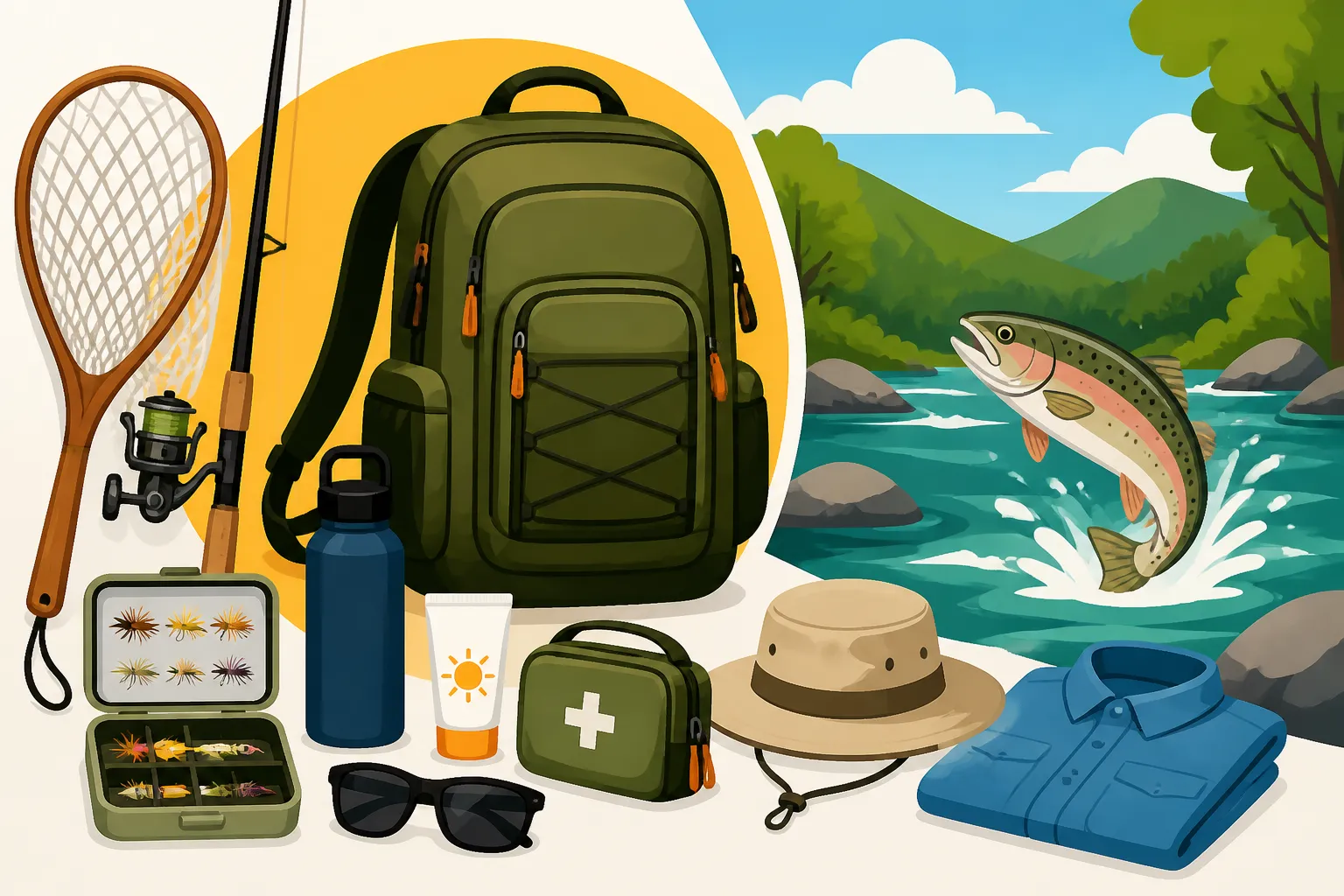
Packing List for a Full-Day White River Trout Trip
There's nothing quite like the excitement of planning a full-day trout trip on Arkansas's famous White River, but that excitement can quickly turn into a headache when you start wondering what in the world you actually need to pack. From worrying about the fickle weather to ensuring you have the right gear, it's easy to feel overwhelmed and forget something crucial. This comprehensive guide is designed to take the guesswork out of your packing, making sure you're fully prepared for a comfortable, safe, and successful day chasing those beautiful trout.
The Absolute Essentials: What You Cannot Forget
Listen, there are some things you simply cannot leave home without. These aren't suggestions; these are non-negotiables that will make or break your trip. Forget these, and your dream day on the White River could quickly become a frustrating ordeal.
Licensing and Permits: Your Golden Ticket
First and foremost, you absolutely, positively need your fishing license and trout permit. I've seen too many anglers, eager to hit the water, get caught without the proper paperwork. It’s a bummer, a hassle, and frankly, it's illegal. You don't want to spend your precious fishing time dealing with fines when you could be reeling in a gorgeous brown trout. Even if you're going with a guide, you are still responsible for having your own license.
Arkansas requires a basic fishing license for residents and nonresidents alike. On top of that, if you plan on fishing in the designated trout waters like the White River and keeping any trout, you'll need a special trout permit. It’s a small extra cost, but it covers you legally. Make sure to check the current Arkansas Fishing License Rules and Costs before your trip. It's also worth confirming if Do you need a trout permit to keep trout in Arkansas?. You can often buy these online right up until the last minute, or grab them at most sporting goods stores or even some local bait shops. Just don't wait until you're standing on the bank to remember! Print a physical copy or have it readily available on your phone – game wardens are out there, and they will ask.
Weather-Appropriate Clothing: Layer Up, Buttercup!
The weather in Arkansas, especially in the Ozarks where the White River flows, can be incredibly unpredictable. I've started mornings bundled up in a heavy jacket and ended them fishing in a t-shirt, all within a few hours. The key here is layering, and I cannot stress this enough.
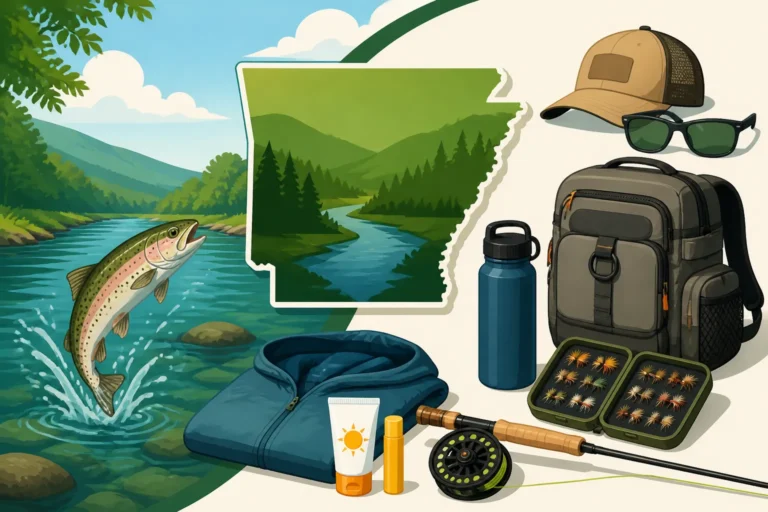
Start with a moisture-wicking base layer. Think synthetics or merino wool – anything that pulls sweat away from your skin. Cotton is a no-go for base layers because once it gets wet, it stays wet and will make you cold. Over that, add an insulating layer, like a fleece jacket or a puffy vest. Finally, your outer layer needs to be waterproof and windproof. A good quality rain jacket and pants are essential, even if the forecast looks clear. You never know when a pop-up shower will roll through, or when the guide boat will kick up some spray. And remember, mornings on the river can be quite chilly, especially when the water is released from the bottom of the dam. A warm hat and gloves, even thin ones, can make a huge difference in your comfort. Trust me, being cold and wet will quickly sour your full-day adventure.
Food, Water, and Sustenance: Fueling Your Adventure
A full day of fishing means you'll be burning calories and spending a lot of time outdoors. You absolutely need to bring enough food and water to stay energized and hydrated. While some guides might offer a packed lunch or drinks, it's always a good idea to confirm this beforehand, and even then, I always recommend bringing extra snacks and your preferred beverages.
Pack easy-to-eat items that won't spoil quickly. Sandwiches, wraps, granola bars, fruit, and trail mix are excellent choices. For drinks, water is paramount. Bring plenty of it, and consider an insulated bottle to keep it cold (or hot, if it’s a chilly day and you fancy some coffee or tea). Sugary drinks can give you a quick boost, but water will keep you feeling good all day. Dehydration can sneak up on you, especially when you're focused on fishing. A hangry angler is not a happy angler, nor a productive one! So, fuel up!
Essential Gear for a Successful Day on the Water
Beyond the absolute necessities for your person, there's specific fishing gear that will enhance your experience and give you the best shot at landing those elusive White River trout.
Rods, Reels, and Tackle: Matching the White River
The White River is world-renowned for its trout fishing, and depending on whether you're fly fishing or spin fishing, your gear requirements will vary. Many guides will provide rods, reels, and tackle, especially if you've booked a trip through a service like FishingBooker where details are often outlined. However, if you prefer to use your own, or if your guide doesn't supply it, you'll need to be prepared.
For spin fishing, a light to medium-light action rod between 6 to 7 feet is ideal. Pair it with a spinning reel spooled with 4-8 pound test line. You'll want a selection of small inline spinners, spoons, and various colors of soft plastic jigs. Popular options often include Panther Martin spinners, small Dardevle spoons, and tiny grub-style jigs. Don't forget an assortment of small hooks, split shot, and bobbers if you plan on bait fishing with corn, salmon eggs, or worms.
If you're a fly angler, the White River demands specific attention. A 5 or 6-weight fly rod is generally a good all-around choice, capable of handling both smaller rainbows and larger brown trout. Your reel should match your rod weight and have a smooth drag. As for flies, you'll want a variety of nymphs (like Copper Johns, Pheasant Tails, and Prince Nymphs), streamers (Woolly Buggers in olive, black, or white are essential), and dry flies (like Elk Hair Caddis or Parachute Adams) for when the trout are rising. Guides on the White River are experts, and they will often know exactly what the trout are hitting on any given day. If you're bringing your own gear, a quick chat with your guide about current conditions and preferred patterns can save you a lot of guesswork. You might even want to check out articles like Best Bait for Rainbow Trout Below Bull Shoals Dam for more specific suggestions.
Waders and Boots: Staying Dry and Safe
Unless you're planning on staying exclusively in a boat and never stepping foot in the water, a good pair of waders and wading boots are non-negotiable. The White River can be cold, especially when the generators are running at Bull Shoals Dam, and wet feet will quickly lead to misery.
Breathable chest waders are the most versatile option. They keep you dry from your chest down and allow for comfortable movement. Pair these with sturdy wading boots that offer good ankle support and excellent grip on slippery river rocks. Felt soles are traditional for traction, but rubber soles with studs are also popular and can be better for walking on muddy banks or through shallower stretches. If your trip involves wading, safety is key. A wading belt should always be worn snugly around your waders to prevent them from filling with water in the event of a fall. Falling in the White River, particularly in high flows, can be dangerous and extremely cold. If your guide provides waders, make sure they fit properly and that you're comfortable walking in them.
Sun Protection and Insect Repellent: Guarding Against the Elements
Even on cloudy days, the sun's UV rays can be intense, especially with the reflection off the water. A full day outdoors without proper protection will leave you looking like a lobster, which is no fun at all. Likewise, depending on the time of year, bugs can be a real nuisance.
Your sun protection arsenal should include:
- Sunscreen: A high SPF (30+) is a must. Apply it generously to any exposed skin, and reapply throughout the day, especially after getting wet.
- Hat: A wide-brimmed hat offers the best protection for your face, ears, and neck. A baseball cap is better than nothing, but less comprehensive.
- Polarized Sunglasses: These are not just for comfort; they are crucial for seeing fish in the water and protecting your eyes from stray hooks. Polarized lenses cut glare, allowing you to spot submerged structure and even cruising trout.
- Lip Balm with SPF: Don't forget your lips! They burn too.
For insect repellent, a product containing DEET or picaridin is usually most effective against mosquitoes and gnats, which can be prevalent in warmer months or during still periods. Apply it to your clothing as well as exposed skin. No one wants to spend their day swatting bugs instead of casting their line.
Personal Items and Comfort Considerations
Now we're moving into the realm of things that aren't strictly survival gear but will vastly improve your comfort and overall enjoyment of the day.
First Aid and Personal Medications: Better Safe Than Sorry
Accidents happen, even small ones. A minor cut from a hook, a scrape on a rock, or a blister from ill-fitting boots can put a damper on your day. Having a small, personal first aid kit is a smart move.
Your kit doesn't need to be extensive, but should include:
- Band-aids in various sizes
- Antiseptic wipes or a small tube of antibiotic ointment
- Pain relievers (ibuprofen or acetaminophen)
- Any personal prescription medications you need, stored in a waterproof container
- Allergy medication if you're prone to seasonal allergies or insect bite reactions
While your guide will likely have a basic first aid kit, having your own easily accessible ensures you can address minor issues quickly without disrupting the flow of the trip. Always inform your guide of any serious medical conditions or allergies before the trip begins.
Photography Equipment: Capturing the Memories
You're going to make some incredible memories on the White River, and you'll want to capture them! Whether it's a trophy trout, the stunning scenery of the Ozarks, or just a snapshot with your fishing buddies, photos are a great way to relive the experience.
Consider bringing:
- Waterproof Camera: A GoPro or other waterproof camera is fantastic for capturing action shots and can withstand splashes.
- Smartphone: Most modern smartphones have excellent cameras. Just make sure you have a waterproof case or a dry bag to protect it. You absolutely do not want it taking an accidental dip.
- Extra Batteries/Power Bank: A full day of photos and videos can drain batteries quickly, especially in colder weather. Bring spares or a portable power bank.
Remember to be mindful of fish handling when taking photos. Keep the fish in the water as much as possible, handle it gently with wet hands, and release it quickly. The health of the fish always comes first.
Miscellaneous Comforts: Making Your Day Easier
Sometimes it's the little things that make a big difference in your comfort. These are items that might seem minor but can significantly enhance your full-day experience.
- Small Backpack or Dry Bag: Essential for keeping your personal items organized and dry. You'll want something easy to carry in the boat or on your back if wading.
- Hand Towel: Great for drying hands after handling fish or for wiping down gear.
- Headlamp or Small Flashlight: While most full-day trips end before dark, unexpected delays can happen, or you might start early. A light is always good to have.
- Knife or Multi-tool: Useful for cutting line, minor repairs, or opening stubborn packaging.
- Pliers/Hemostats: Crucial for safely removing hooks from fish (and sometimes from yourself).
- Sun Buff/Neck Gaiter: Provides excellent sun protection for your neck and face and can be pulled up over your ears if it gets chilly.
- Reading Material/Entertainment (for downtime): If you're on a guided trip with multiple people, or if there's a slow period, a small book or e-reader can be nice, though honestly, I find myself just soaking in the scenery and camaraderie.
Planning Ahead: Guide Services and Packing Smart
A lot of the stress of packing can be alleviated by smart planning and clear communication. This is especially true when you're relying on a guide for your White River adventure.
Communicating with Your Guide: Clarifying What's Provided
If you've booked a guided trip, the very best thing you can do to streamline your packing is to communicate clearly with your guide before the trip. Don't be shy about asking questions! This is what they're there for. Platforms like FishingBooker make it easy to reach out to guides directly, allowing you to clarify exactly what they provide.
Here's a list of questions to consider asking:
- Do you provide rods, reels, and tackle? If so, what kind?
- Do you provide waders and boots? What sizes do you have available?
- Are meals and drinks included? If so, what should I expect?
- What's the typical weather like for our trip date? (Though still pack for anything!)
- What type of fishing will we be doing (fly vs. spin, wading vs. boat)?
- What kind of fish are you targeting, and what are the current regulations? You might even ask if you need to know Arkansas Fish Size and Daily Limits.
Knowing these answers ahead of time will prevent you from bringing unnecessary gear or, worse, forgetting something essential. Remember, every guide operates a little differently. What's included in one What's Included in an $800 White River Guide Trip might be different from another.
The "Nice-to-Haves" vs. "Must-Haves": Streamlining Your Pack
When packing, it's easy to overdo it, bringing items you might use "just in case." For a full-day trip, especially on a boat, space can be limited. Learn to differentiate between "must-haves" and "nice-to-haves."
Must-Haves: Licenses, appropriate clothing layers (including waterproofs), essential medications, food/water, sun protection, polarized sunglasses, and basic fishing gear if not provided by the guide.
Nice-to-Haves: Camera, extra gloves, a small towel, a personal first-aid kit (beyond what the guide has), a small book.
Focus on packing light and efficiently. A good rule of thumb: if you can do without it for a day, consider leaving it behind. You'll appreciate the lighter load and easier access to your essentials. Think of this as Packing Essentials for a Guided Trout Trip on the White River but for a full day.
Preparing for the Drive and Post-Trip Comfort
Your full-day trip on the White River will likely leave you tired but happy. The last thing you want is to be uncomfortable on the drive home. Pack a separate small bag with dry, comfortable clothes and shoes to change into after your trip. This is especially important if you've been wading or if your outer layers got wet.
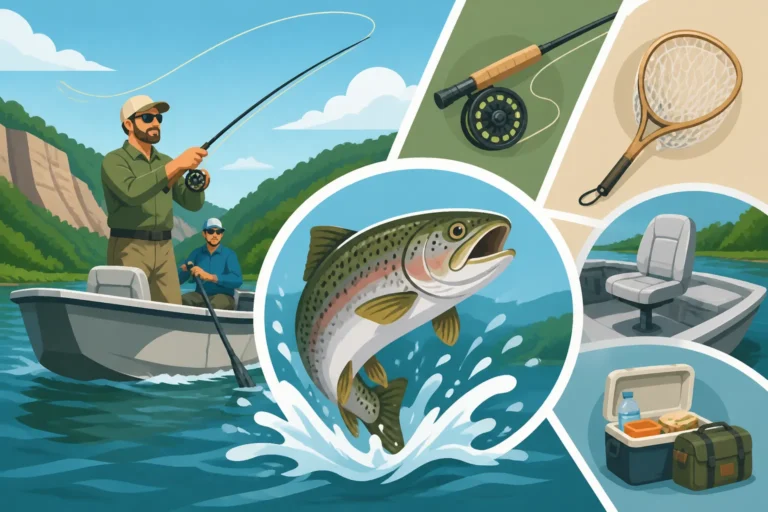
Also, consider bringing a cooler for your vehicle. This can be great for storing any fish you decide to keep (if regulations allow and your guide cleans them for you) or for keeping celebratory beverages cold for the ride home.
Here's a quick checklist to help you visualize your packing:
| Category | Must-Haves | Nice-to-Haves | Notes |
|---|---|---|---|
| Documents | Fishing License | Check Arkansas Fishing License Rules and Costs | |
| Trout Permit | Do you need a trout permit to keep trout in Arkansas? | ||
| Clothing | Moisture-wicking base layers | Extra pair of dry socks | Layering is key! |
| Insulating layer (fleece/puffy) | Beanie/Wool hat | ||
| Waterproof/windproof outer shell | Thin gloves | ||
| Comfortable pants/shorts | |||
| Footwear | Wading boots (if wading) | ||
| Waders (if wading) | |||
| Dry shoes for after trip | |||
| Food & Drink | Water (plenty!) | Coffee/Tea in insulated mug | Stay hydrated! |
| Snacks (granola bars, fruit) | |||
| Lunch (if guide doesn't provide) | |||
| Sun & Bug Protection | Sunscreen (SPF 30+) | Lip balm with SPF | |
| Wide-brimmed hat | |||
| Polarized sunglasses | Crucial for spotting fish and eye protection | ||
| Insect repellent | |||
| Fishing Gear | Rods/Reels (if bringing your own) | Check with guide beforehand, e.g., for Fly Fishing the White River in Northwest Arkansas | |
| Tackle/Flies (if bringing your own) | |||
| Pliers/Hemostats | Small tackle box/fly box | ||
| Landing net (if bringing your own) | Guides typically provide these | ||
| Personal Items | Personal first-aid kit | Camera/Phone with waterproof case | |
| Any prescription medications | Small backpack/dry bag | ||
| Hand towel | Headlamp/Flashlight | ||
| Knife/Multi-tool |
The White River truly is a gem, offering some of the best trout fishing anywhere. By taking the time to pack smartly and communicate with your guide, you'll be setting yourself up for an enjoyable, stress-free, and memorable full-day adventure. Happy fishing, friends! Maybe I'll see you out there on the water! You might also find it helpful to look into The Best Trout Fishing Spots in Arkansas or even Best Time to Fish the White River in Arkansas for Trout as you plan your trip. And if you're still on the fence about a guide, consider White River Fishing Guides: Arkansas's Trout Fishing Capital and if you need help deciding between types of guides, check out Choosing a Fly-Fishing or Spin-Fishing Guide for Your Arkansas Trip. Oh, and don't forget to budget for How much to tip a fishing guide in Arkansas!
Disclaimer
This article is for general informational purposes only and does not constitute professional advice. Laws, prices and regulations vary by location and change over time. Consult a qualified professional for guidance on your specific situation.