Half-Day Trips vs Trophy Trips: Which Is Better for Beginners?
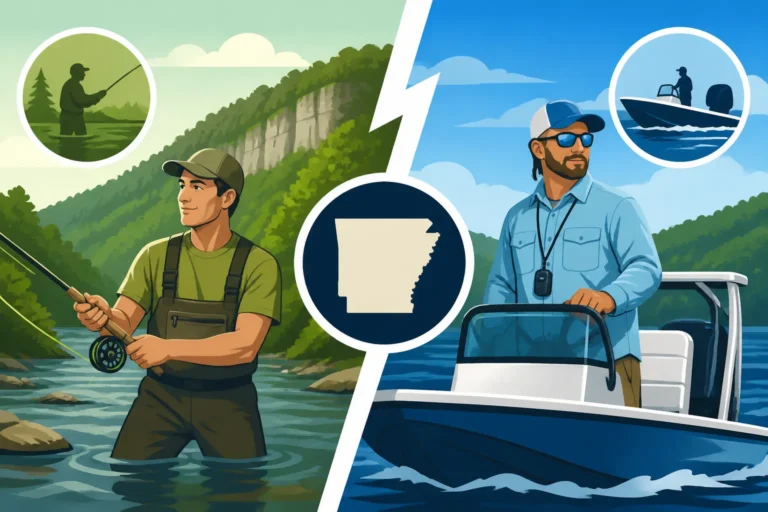
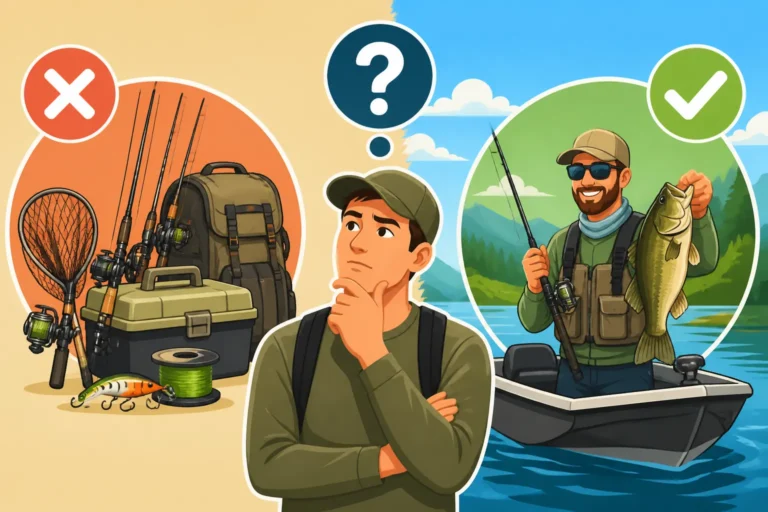
Deciding between a half-day fishing trip and a full-on "trophy trip" can feel like a real puzzle, especially when you're new to the world of guided angling in Arkansas. Many beginners get overwhelmed by the options, unsure if they should dip their toes in with a shorter, less intensive experience or jump straight into the deep end chasing a potential monster. The truth is, both types of trips offer incredible experiences, but one is often a much better fit for someone just starting out. This guide will help you understand the core differences, what to expect from each, and ultimately, which style of guided trip will set you up for the most success and enjoyment on your first Arkansas fishing adventure.
Understanding Half-Day Fishing Trips for Beginners
A half-day fishing trip is often seen as the gateway drug to the angling world, and for good reason! It’s shorter, generally more relaxed, and designed to give you a taste of fishing without committing to an entire day on the water. For beginners, this can be an absolute blessing, reducing anxiety and making the whole experience much more approachable.
What a Half-Day Trip Entails
Typically, a half-day trip runs for about four to five hours. You'll usually meet your guide either early in the morning, hitting the water right as the sun is coming up, or in the afternoon for a twilight session. The beauty of these shorter excursions is that they're generally focused on getting you into fish, period. While a specific species might be the target, the emphasis is less on landing a state record and more on getting bites, learning basic techniques, and simply enjoying the act of fishing.
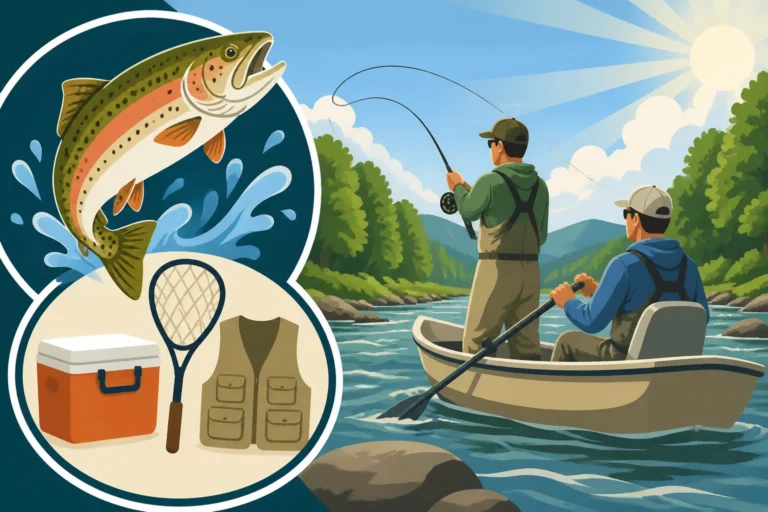
For instance, on the White River, a half-day trout trip might see you drifting with live bait or small lures, focusing on rainbow trout and smaller brown trout. The guide will spend more time explaining how to cast, how to feel a bite, and how to properly fight and land a fish. They're excellent for families with younger kids whose attention spans might not last a full eight hours, or for individuals who just want to see if guided fishing is for them without a huge time or financial investment. You'll cover a few prime spots, get some hands-on experience, and be back on dry land before fatigue sets in.
Pros and Cons for the Novice Angler
When you're starting out, a half-day trip offers a wealth of advantages. The most obvious is the reduced time commitment. Four or five hours can fly by when you're having fun, and it's less daunting than picturing a full eight or ten-hour day. This also translates to less physical exertion, which is a big plus if you're not used to being on a boat or standing for long periods. You’re not expected to have advanced endurance, just enthusiasm.
Financially, half-day trips are almost always more affordable than their full-day counterparts. This lower entry cost makes them accessible to more people, allowing you to try out guided fishing without breaking the bank. For many, it's about validating the experience, seeing if you enjoy the dynamic between angler and guide, and understanding the rhythm of a guided trip before investing more. The pressure to catch "the big one" is often much lower, allowing you to focus on the learning process. Guides on these trips are usually keen to educate, making sure you grasp the fundamentals of casting, reeling, and fish handling. It's a fantastic way to develop your skills with direct, expert feedback.
However, there are a few trade-offs. With less time on the water, you might not get to explore as many diverse fishing spots. If the bite is slow in one area, there's less flexibility to move far to find active fish. You also might miss out on those magical "golden hours" that sometimes happen during a full day where fishing truly explodes, simply because your trip duration doesn't encompass them. If your heart is truly set on a specific, elusive species that requires patience and covering a lot of water, a half-day trip might feel a bit rushed or limited. But for most beginners, the benefits of a relaxed, educational experience far outweigh these minor drawbacks. When you're ready to book, sites like FishingBooker make it easy to filter for half-day options, showing you guides who specifically cater to a shorter, more focused experience.
Deciphering Trophy Fishing Trips for Beginners
Now, let's talk about trophy trips. These are the trips where dreams are chased, where anglers set out with the explicit goal of landing a fish of a lifetime. The allure is undeniable, but for a beginner, it's crucial to understand what this commitment truly entails.
What Defines a "Trophy Trip" in Arkansas
A trophy fishing trip in Arkansas is usually a full-day affair, often running eight hours or even longer, especially for species that require extensive travel or patience. Unlike a half-day trip focused on general action, a trophy trip is laser-focused on a particular species and often, a particular size. Think chasing monstrous brown trout on the White River, seeking out record-breaking striped bass on Norfork Lake, or targeting massive largemouth bass on Lake Ouachita. The guide isn't just trying to get you to catch fish; they're trying to put you on the right fish – the big ones, the elusive ones.
This dedication often means employing more specialized gear and advanced techniques. You might be using heavier tackle, specific lure presentations, or even focusing on very particular structures or depths that hold these larger, often warier fish. The guide's strategy will revolve around maximizing your chances for that one significant bite, which can sometimes mean long periods of quiet with no action while waiting for the right moment. They might have a very specific area in mind that's known to produce trophy fish, and they'll commit to it. An article like Trophy Trout Guide Trips on Arkansas's White River goes into detail about the intensity and focus of such trips.
The Realities and Challenges for First-Timers
For a beginner, the idea of catching a "trophy" fish is thrilling, but the reality of a trophy trip can be quite different from expectations. First, let's look at the advantages: if you do land that dream fish, the experience is absolutely unforgettable. You'll learn advanced techniques and strategies directly from a seasoned expert, gaining insights into how trophy fish behave and where they hide. It's an incredibly immersive experience that pushes you to develop your skills rapidly, provided you're open to the intensity.
However, the challenges for a first-timer are significant. The cost is considerably higher, reflecting the guide's expertise, longer hours, and often more specialized equipment. Physically, an eight-hour day can be draining, especially if you're not accustomed to standing, casting, or reeling for extended periods. The biggest potential challenge, though, is the expectation versus reality. Trophy fishing is inherently feast or famine. There might be long stretches, even hours, without a single bite, all while holding out for that one significant fish. This can be incredibly frustrating for a beginner who is used to more consistent action, even if it's smaller fish. The pressure to perform, both on yourself and potentially from the guide's focused approach, can detract from the sheer enjoyment of being on the water. You might spend a significant amount of time learning complex casting techniques or lure presentations that feel overwhelming rather than fun. While a guide will always try to get you fish, their primary focus on a "trophy trip" is usually on one kind of fish, not necessarily the easiest or most numerous.
Making the Right Choice: Factors to Consider
So, how do you decide between dipping your toes in or diving headfirst? It really boils down to a few key personal factors that define your ideal fishing experience.
Your Goals and Expectations
Before you even think about booking, sit down and honestly ask yourself: "What do I truly want from this trip?" Are you looking to simply get out on the water, enjoy the scenery, and catch any fish? Is your primary goal to learn the very basics of casting, knot tying, and fish handling in a relaxed environment? If so, a half-day trip is likely your best bet. It prioritizes action and learning over the size of the catch, and it's a perfect way to build confidence. Many guides who specialize in half-day trips are adept at teaching Kid-Friendly Fishing Charters in Arkansas, making it great for adult beginners too.
On the other hand, if you've been dreaming of catching a truly massive fish, have some prior fishing experience (even if it's limited), and possess the patience to endure slower periods for the chance at a significant strike, then a trophy trip might align more with your ambition. Just be realistic: a trophy fish is never a guarantee, no matter how skilled the guide. It's about the opportunity and the challenge.
Budget, Time, and Physical Stamina
These practical considerations are often the deciding factors. A half-day trip will almost always be more budget-friendly. This lower Arkansas Fishing Charter Costs: What to Expect can be a major draw for beginners who aren't ready to invest heavily in their first guided experience. The shorter time commitment is also ideal if you have other plans during your vacation, or if you simply can't dedicate an entire day to fishing. And let's be real, sitting or standing in a boat, casting, and reeling for eight hours can be tiring. A half-day trip is far less physically demanding, allowing you to enjoy the experience without feeling completely worn out.
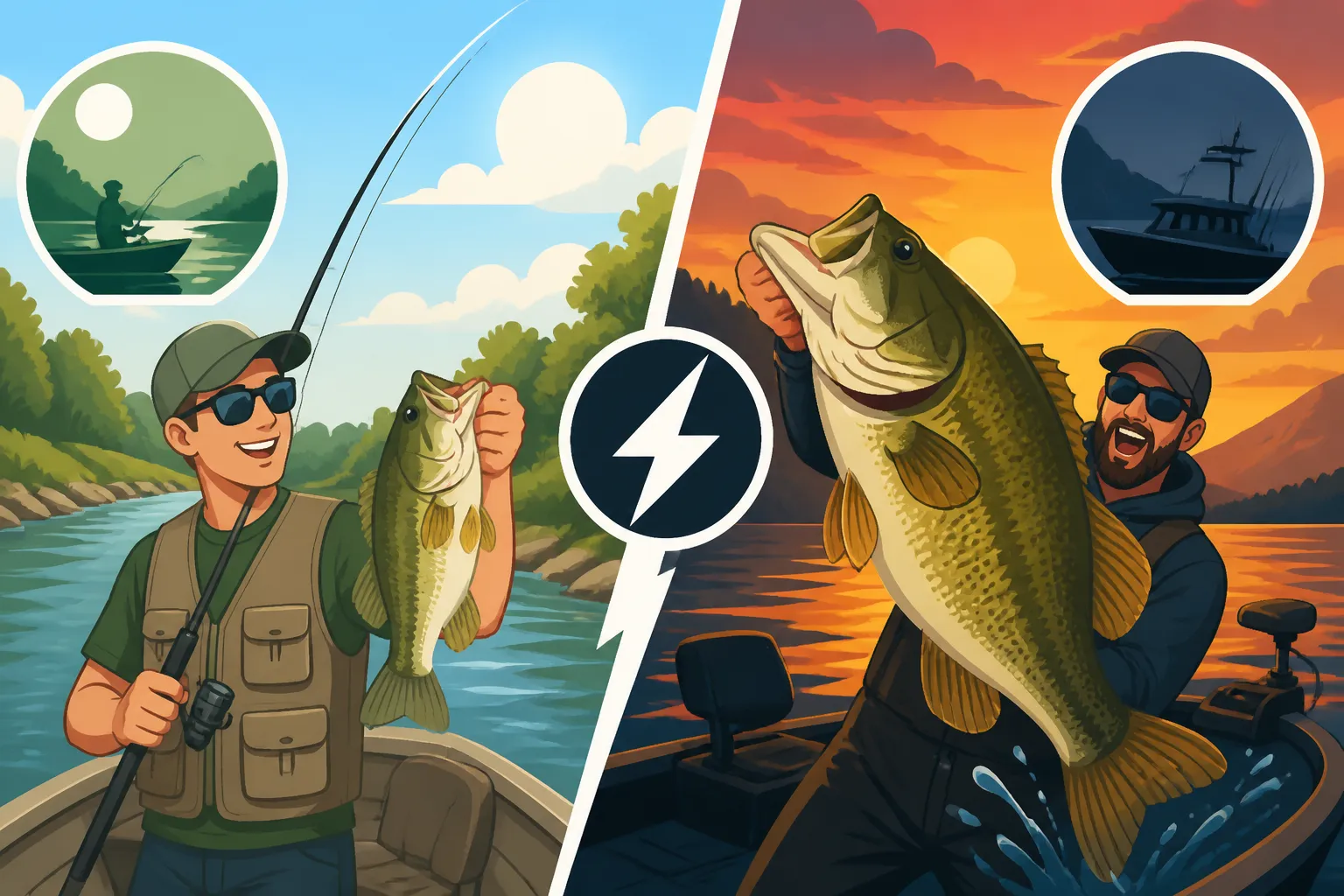
| Feature | Half-Day Trip (Beginner Focus) | Trophy Trip (Beginner Perspective) |
|---|---|---|
| Typical Duration | 4-5 hours | 8+ hours |
| Primary Goal | Learn basics, consistent action, enjoy the experience | Target specific large species, achieve a "fish of a lifetime" |
| Cost | Generally lower | Significantly higher |
| Physical Demands | Low to moderate | Moderate to high (can be tiring) |
| Patience Required | Low to moderate (more frequent action) | High (can involve long periods without bites) |
| Learning Focus | Fundamental casting, reeling, fish handling, local species | Advanced techniques, specialized gear, trophy fish behavior |
| Chance of Success | High chance of catching some fish | Lower chance of catching any fish, but higher chance of big fish |
| Best For | First-timers, families, those with limited time/budget, relaxed experience | Experienced anglers, highly ambitious beginners, those seeking a challenge |
The Importance of a Good Guide
No matter which type of trip you choose, the guide makes all the difference. For a beginner, a patient, encouraging, and educational guide is paramount. They should be willing to slow down, explain things clearly, and celebrate every small victory. When you're looking for a guide, especially on a platform like FishingBooker, don't hesitate to read reviews that specifically mention their interaction with beginners or families. Look for guides who emphasize teaching and a positive experience, not just their record of landing huge fish. A great guide can make even a slow day enjoyable, turning challenges into learning opportunities. For example, some guides on the White River Fishing Guides: Arkansas's Trout Fishing Capital specialize in teaching newcomers, blending the thrill of trout fishing with a relaxed educational approach. Checking out How to Book a Fishing Guide in Arkansas can give you an edge in finding the right person.
Practical Advice for Beginners on Any Trip
Once you've made your decision, a little preparation goes a long way in ensuring your first guided fishing trip is a memorable and enjoyable one.
Essential Questions to Ask Your Guide
Communication is key! Before you even step foot on the boat, have a chat with your guide. Here are some questions every beginner should ask:
- What species will we be targeting, and what can I realistically expect to catch? This helps set realistic expectations, especially if you're on a trophy trip.
- What kind of gear will we be using, and will you teach me how to use it? Make sure they're prepared to instruct.
- What's your general philosophy for working with beginners? You want someone patient, not someone who'll get frustrated easily.
- What happens if the weather is bad? What's your cancellation or rescheduling policy? Understanding these policies upfront can save headaches later.
- Do I need to bring my own Arkansas Fishing License Requirements for Guided Trips or special permits, like a trout permit? Confirm all necessary paperwork beforehand.
- Will you clean my catch at the end of the trip? Some guides include this, others don't, or it's an extra service.
Asking these questions helps clarify expectations and ensures you're both on the same page for a fantastic day.
Preparing for Your First Guided Trip
Being prepared means you can focus entirely on fishing and learning, rather than worrying about small details.
First and foremost, make sure you have your Arkansas Fishing License Rules and Costs. You absolutely need one, even on a guided trip, unless it's during Arkansas's specific Free Fishing Weekend. Purchase it online through the Arkansas Game and Fish Commission website well in advance. Don't wait until the last minute!
Next, consider your packing. Your guide will likely provide all the necessary fishing gear, but you'll need to bring personal items. Think about the weather: layers are always a good idea, as temperatures can change quickly on the water. A rain jacket, even on a sunny day, is wise. Sunscreen, a hat, and polarized sunglasses are non-negotiable for protection from the sun's glare. Bring water and snacks, even if your guide provides some; it's always good to have your own, especially on a full-day trip. Reviewing a comprehensive list like What to Bring on a Guided Arkansas Fishing Trip can prevent you from forgetting essentials.
Finally, show up with an open mind and a positive attitude. The best guides love teaching, and your willingness to learn will make the experience better for everyone. Don't be afraid to ask questions, even if you think they're "silly." Every experienced angler was a beginner once, and a good guide understands that. Whether you choose a half-day trip to gently ease into the sport or decide to challenge yourself with a trophy hunt, your first guided fishing trip in Arkansas is an opportunity for adventure and new skills. Remember, the journey and the experience are often as rewarding as the catch itself. To truly maximize your trip, I highly recommend reading First-Time Guided Fishing Trip Tips for Arkansas and What to Expect on Your First Guided Trout Trip to get a full picture of what's involved. And when you're ready to explore options and compare details, don't forget to check out Comparing White River Trip Lengths and Prices to see what's available for your budget and goals.
Disclaimer
This article is for general informational purposes only and does not constitute professional advice. Laws, prices and regulations vary by location and change over time. Consult a qualified professional for guidance on your specific situation.