How to Book a Crappie Fishing Guide on DeGray Lake in Arkansas
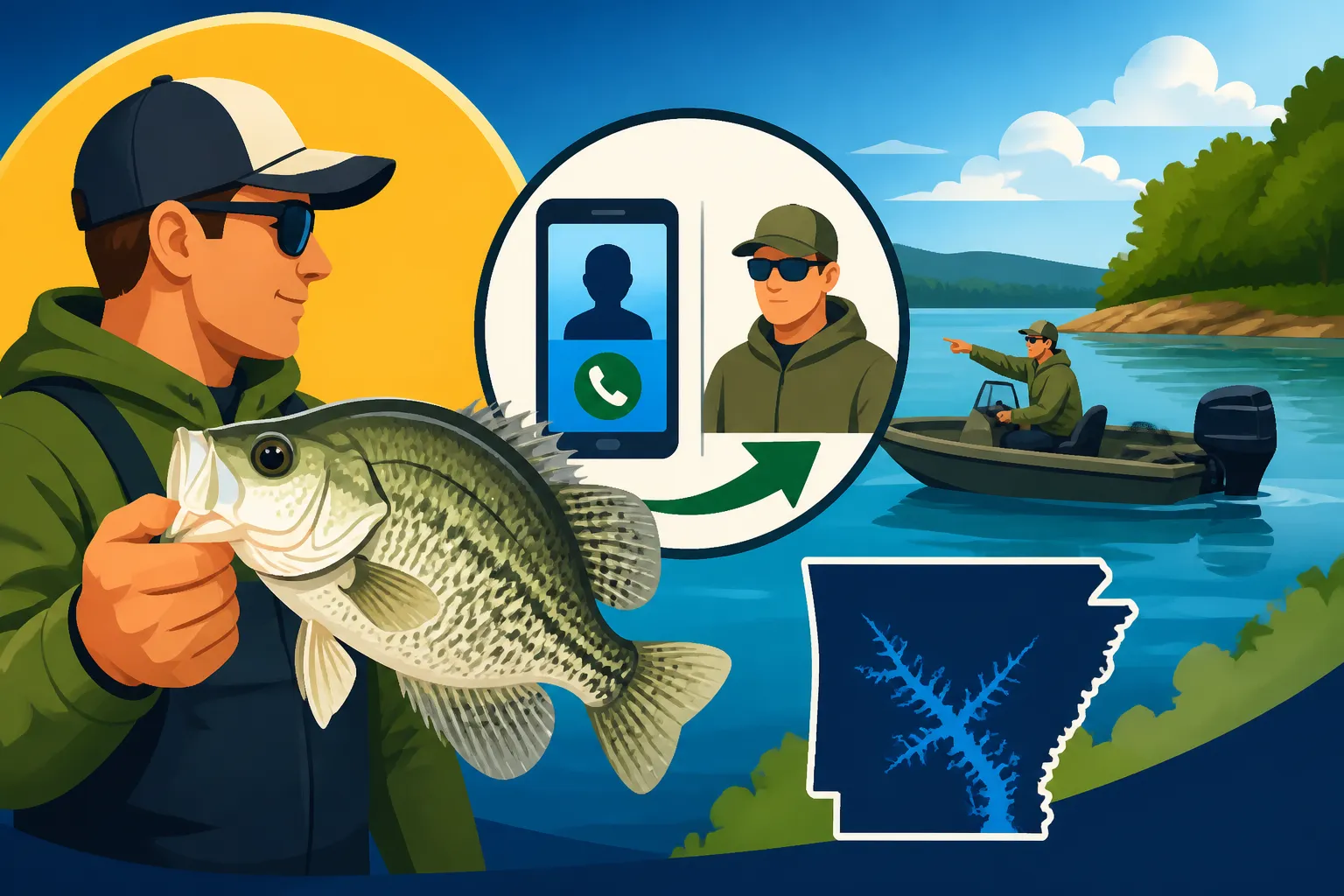
You're dreaming of a cooler full of DeGray Lake crappie, but the thought of navigating unfamiliar waters and finding those elusive schools feels daunting. It’s a common frustration for many anglers, especially when visiting a new lake as renowned as DeGray. This comprehensive guide will walk you through everything you need to know about booking a crappie fishing guide on DeGray Lake in Arkansas, making your dream trip a reality and ensuring you hit the water with confidence.
Why a Crappie Guide on DeGray Lake is a Smart Move
DeGray Lake, nestled in the Ouachita Mountains, is a stunning body of water, but its beauty can be deceiving. It's a vast reservoir, and finding the best crappie spots, especially if you're not a local, can feel like searching for a needle in a haystack. This is where a seasoned crappie guide truly shines. They don't just take you fishing; they open up the lake's secrets and turn a potentially frustrating day into a memorable success.
Understanding DeGray Lake's Crappie Fishery
DeGray Lake is known for its clear waters and abundant standing timber, which provides excellent habitat for both black and white crappie. However, this also means crappie can be spread out or hidden deep within cover, making them tricky to locate. Different seasons bring different challenges and opportunities. In spring, crappie move shallow for the spawn, often found around brush piles and submerged cover in coves. As summer heats up, they'll retreat to deeper, cooler waters, often suspending over structure or congregating around ledges and old creek channels. Then, in fall and winter, they might be found schooling in open water or staging near deeper structure.
Without intimate knowledge of these seasonal patterns and the specific underwater topography, you could spend an entire day idling around, casting blindly, and coming up empty-handed. A guide has spent countless hours on these waters, charting these movements and knowing exactly where the crappie are likely to be hiding, regardless of the time of year or weather conditions. They understand the lake's nuances, from water temperature fluctuations to baitfish movements, which are crucial for consistent crappie catches. It’s like having a cheat code for the lake. You can learn more about Best Crappie Lakes in Arkansas and Best Time to Fish DeGray Lake Arkansas for Crappie to better understand the crappie calendar.
The Benefits of a Local Guide's Expertise
Hiring a local crappie guide means tapping into a wealth of localized knowledge and experience that you simply can't gain from a map or a few online forums. These guides are on the water almost daily, monitoring conditions, tracking fish movements, and experimenting with baits and techniques that work best. They know the subtle hints – the specific type of brush pile that holds fish, the exact depth crappie are suspended, or the preferred jig color for that particular day.
Beyond just finding fish, a good guide will also provide all the necessary equipment, from specialized crappie rods and reels to a diverse array of jigs, minnows, and electronics. This saves you the headache and expense of bringing or buying gear specifically for crappie fishing on DeGray. They’ll teach you the techniques, from vertical jigging standing timber to using Livescope technology to pinpoint individual fish. This isn't just a fishing trip; it's a hands-on learning experience that can dramatically improve your own angling skills for future outings.
| Aspect | Solo Fishing on DeGray Lake | With a Crappie Fishing Guide on DeGray Lake |
|---|---|---|
| Knowledge | Relies on general research, maps, trial-and-error. | Benefits from local, real-time fish patterns, spots, and depths. |
| Equipment | Must bring all your own specialized crappie gear and electronics. | Guide provides all rods, reels, baits, and advanced sonar. |
| Time | Can spend many hours searching, potentially without success. | Maximizes fishing time, goes directly to productive spots. |
| Skill Level | Requires prior crappie fishing experience or quick learning. | Guide teaches techniques, adapts to your skill, offers instruction. |
| Safety | Responsible for own boat navigation, weather awareness, and safety. | Guide handles navigation, monitors weather, ensures safety protocols. |
| Catch Rate | Highly variable, dependent on personal knowledge and luck. | Generally much higher, more consistent, and larger fish. |
| Learning | Self-taught from personal experience, can be slow. | Hands-on learning from an expert, accelerates skill development. |
Finding and Vetting Your DeGray Lake Crappie Guide
So, you're convinced a guide is the way to go. Great! The next step is finding the right guide for your trip. Not all guides are created equal, and some specialize more than others. You want someone who knows DeGray Lake like the back of their hand and has a reputation specifically for putting clients on crappie.
Where to Start Your Search
Begin your search by looking at guides who specifically mention DeGray Lake and crappie fishing on their websites or social media. Many dedicated crappie guides operate primarily on one or two lakes they know intimately. Online platforms are also a fantastic resource. Websites such as FishingBooker allow you to filter by species, location, and even specific types of trips, like "crappie fishing" on "DeGray Lake." You can read reviews from past clients, which gives you a great snapshot of a guide's personality, teaching style, and success rate. Pay attention to comments about communication, patience, and how well they catered to different skill levels, especially if you're bringing beginners or kids.
Local bait shops and marinas around DeGray Lake are another excellent traditional resource. The folks working there often know many of the guides personally and can give you an honest recommendation based on recent reports and who's been consistently catching fish. Sometimes, word-of-mouth from fellow anglers who have had successful trips can be the best endorsement. Don't be shy about asking around; the fishing community is usually happy to share good experiences.
What Questions to Ask Potential Guides
Once you have a few potential guides in mind, it's time to reach out and ask some critical questions. Don't feel like you're bothering them; a good guide expects you to be thorough. First, confirm their specialization in crappie and their familiarity with DeGray Lake. Ask about their typical crappie techniques – do they spider rig, vertical jig, or perhaps incorporate advanced sonar techniques like LiveScope? This helps ensure their style aligns with your expectations or offers a new learning opportunity. You can also inquire about Crappie Fishing Guides on Arkansas's DeGray Lake specifically.
You'll also want to discuss pricing, what's included in the trip (rods, reels, bait, tackle, fish cleaning), and their cancellation policy, especially for weather-related issues. Ask about group size limits and if there are any additional costs for extra anglers. Most importantly, clarify that you understand Arkansas Fishing License Requirements for Guided Trips and that you'll need to purchase your own license and possibly a trout permit if you plan on fishing any areas that require it (though crappie typically don't). A reputable guide will always make sure you have the correct licensing before stepping foot on their boat.
Preparing for Your DeGray Lake Crappie Adventure
Booking the guide is just the first step. To ensure you have the best possible experience, a little preparation on your end goes a long way. This includes knowing what your trip generally covers and what personal items you'll need to bring along.
What Your Guide Trip Typically Includes
Most crappie guide trips on DeGray Lake are all-inclusive when it comes to the actual fishing gear. This means the guide will provide the boat, fuel, professional-grade fishing rods and reels specifically rigged for crappie, a generous supply of live bait (usually minnows) and artificial lures (jigs, grubs), and all the necessary terminal tackle. They’ll also have an advanced electronics setup, including GPS and sonar, often with cutting-edge forward-facing sonar like Garmin LiveScope, which can be invaluable for locating crappie in brush piles or suspended in open water.
Many guides will also provide a cooler with ice to keep your catch fresh throughout the day and will clean and bag your fish at the end of the trip, which is a fantastic bonus. Some guides might even offer snacks and bottled water, but it's always best to clarify this beforehand. The key takeaway here is that you shouldn't have to worry about bringing fishing gear; just focus on showing up ready to fish and learn. Consider reading What to Bring on a Guided Arkansas Fishing Trip for a more general overview of trip essentials.
What You Need to Bring
Even with a fully equipped guide, there are several personal items you'll need to bring to ensure your comfort and safety on the water.
A valid Arkansas fishing license is absolutely non-negotiable; purchase it beforehand.
Dress in layers, as temperatures can change throughout the day, especially on the water. A rain jacket, even if the forecast looks clear, is always a good idea, as pop-up showers can occur. Sun protection is crucial: bring a wide-brimmed hat, sunglasses, and plenty of sunscreen.
Bring any personal medications you might need. A small cooler with your preferred drinks and snacks is also recommended, even if the guide provides some. Don't forget your camera or phone to capture those memorable moments (just make sure it's waterproof or in a dry bag!). If you have a specific lucky hat or a favorite fishing shirt, bring it along! The goal is to be comfortable and prepared so you can fully enjoy your time on the water chasing DeGray Lake crappie.
Understanding the Investment
Investing in a guided fishing trip is more than just paying for a day on the lake; it's paying for expertise, equipment, and a higher probability of success. While specific figures are not something I can provide, understanding the factors that influence the cost can help you budget and appreciate the value.
The Factors Influencing Guide Trip Costs
The cost of a guided crappie fishing trip on DeGray Lake typically varies based on several key factors. The duration of the trip is a major one; a full-day trip will naturally cost more than a half-day or a shorter, specialty trip. The number of anglers in your party also plays a role, with prices often structured for one or two people, and an additional fee for each extra person up to the boat's capacity. The time of year can sometimes influence pricing, particularly during peak crappie seasons like the spring spawn, when demand for guides is at its highest.
Furthermore, a guide's experience and reputation can also factor into their rates. Highly sought-after guides with years of proven success and top-of-the-line equipment might command a premium. Remember, you're paying for their invaluable local knowledge, their state-of-the-art boat and electronics, and their commitment to making your trip a success. When comparing guides, look beyond just the raw number and consider the overall value, including what's provided (bait, tackle, fish cleaning) and their level of expertise on DeGray's crappie.
Tipping Etiquette
Tipping your fishing guide is a customary practice and a wonderful way to show your appreciation for their hard work, knowledge, and dedication. Think of it much like tipping a waiter or other service professional. Guides spend long hours on the water, often starting before dawn and cleaning fish long after you've headed home. They are constantly monitoring conditions, baiting hooks, untangling lines, and working tirelessly to put you on fish.
While there's no hard and fast rule, a common guideline for tipping is around 15-20% of the total trip cost, assuming you had a positive experience. If your guide went above and beyond, was exceptionally patient, or helped you land a true trophy, a more generous tip is always appreciated. Handing the tip directly to your guide at the end of the trip is the most common and polite way to do it. It acknowledges their effort and helps support their livelihood. You can learn more about general expectations for Tipping Your Fishing Guide in Arkansas.
Disclaimer
This article is for general informational purposes only and does not constitute professional advice. Laws, prices and regulations vary by location and change over time. Consult a qualified professional for guidance on your specific situation.