Where to Catch the Biggest Brown Trout on the White River
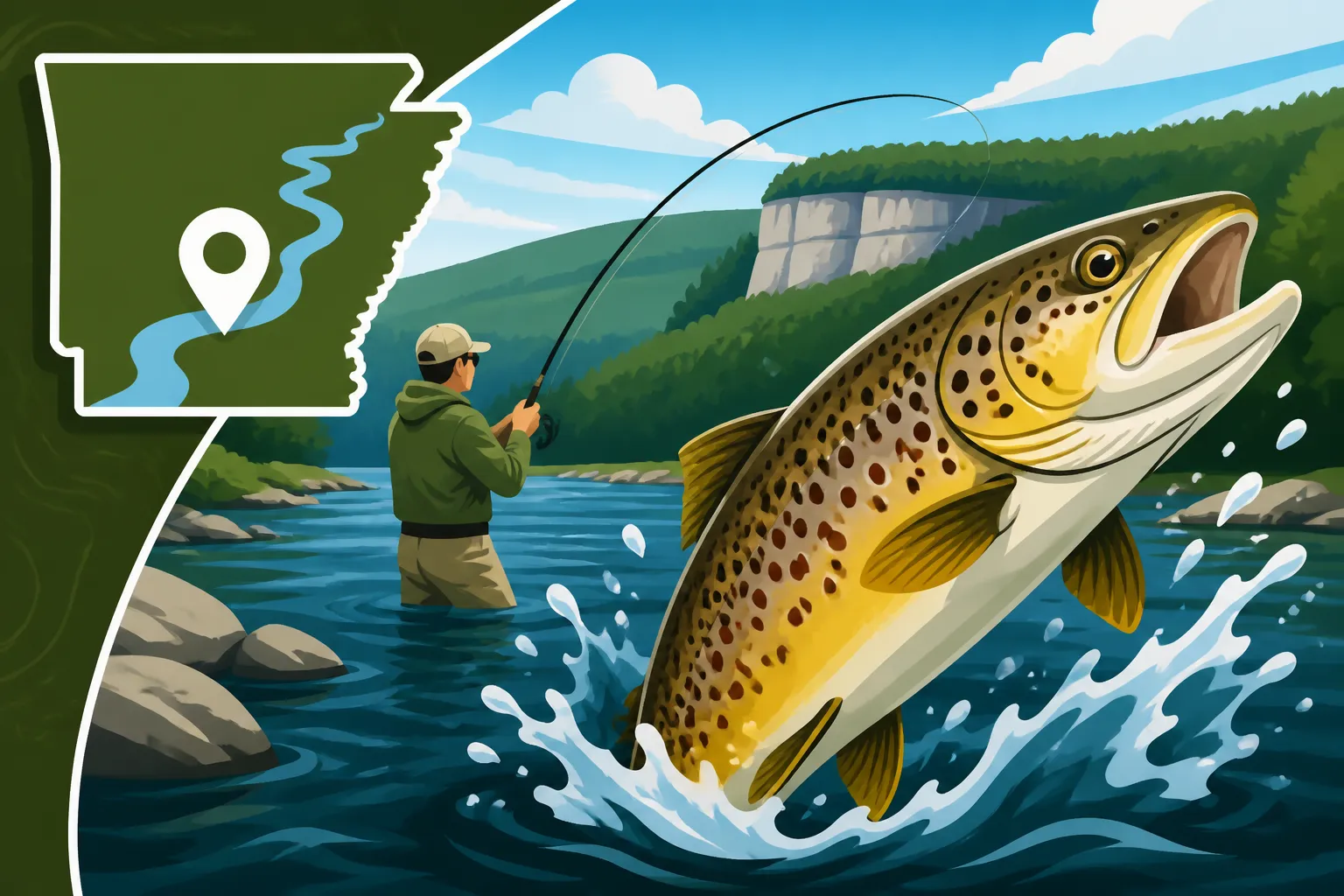
For many anglers, the dream isn't just catching a trout; it's landing one of those truly massive brown trout that legends are made of. But knowing that the White River in Arkansas is renowned for these magnificent fish is one thing, and figuring out where to actually find those giants is another challenge entirely. This guide is dedicated to helping you pinpoint the prime locations and effective strategies for catching the biggest brown trout the White River has to offer, giving you the knowledge to turn your angling dreams into a thrilling reality.
Understanding the White River's Brown Trout Haven
The White River isn't just a trout stream; it's often considered the trout stream in the South. What makes this particular stretch of water so exceptional for brown trout, especially the giants that can top 20 pounds? It boils down to a perfect storm of environmental factors, abundant food sources, and careful management.
Why the White River is Prime for Trophy Brown Trout
The unique characteristics of the White River, particularly below the massive Bull Shoals Dam, create an almost ideal environment for brown trout to not just survive but thrive to incredible sizes. The dam releases cold, oxygen-rich water from the bottom of Bull Shoals Lake, maintaining a consistent water temperature year-round that is perfect for trout. This isn't just "cold"; it's consistently in the 40-50 degree Fahrenheit range, even in the dog days of summer. This constant, cool flow means brown trout don't suffer from thermal stress like they might in other river systems, allowing them to focus their energy on growing large.
Beyond temperature, the sheer volume of water released by the dam creates a river system rich in nutrients. This supports a robust food chain, from microscopic organisms to baitfish, crayfish, and sculpins, all of which contribute to the impressive growth rates of the brown trout here. The river also boasts a diverse habitat, with deep pools, swift runs, rocky shoals, and undercut banks offering ample cover for these elusive fish. These factors combine to make the White River a true trophy trout destination.
Key Factors for Brown Trout Growth
What really separates a decent brown trout from a true behemoth? It’s a combination of several critical elements that are abundant in the White River. First and foremost is the consistent availability of high-protein forage. While smaller trout might feed on insects, a trophy brown trout needs more substantial meals. Think about it: a 10-pound brown isn't going to get that big by nibbling on tiny midges all day. They're apex predators in this ecosystem, targeting sculpins, shiners, small rainbow trout, and even mice or small birds that fall into the water. The White River offers a constant buffet of these larger food items.
Secondly, the sheer length and diversity of the river provide ample space for large trout to establish territories and avoid over-fishing pressure, even in popular spots. These big fish are smart and wary. They need deep, complex structure to hide in and ambush prey from. The White River provides endless miles of such prime real estate. Finally, a significant factor is the catch-and-release ethic practiced by many anglers and guides on the White River, especially for larger browns. This helps ensure these giants can continue to grow and reproduce, contributing to the river's reputation for monster fish. If you're planning a trip, consider looking into guides on FishingBooker who specialize in these trophy fish and often advocate for catch and release.
Pinpointing the Best Stretches for Giants
While the entire trout section of the White River holds brown trout, certain areas are far more productive when you're specifically targeting those truly enormous specimens. It's about understanding current, structure, and the presence of abundant forage.
The Norfork Tailwater Influence
Let's talk about the Norfork Tailwater first, even though it's technically a tributary, because it's that important. The Norfork River, which feeds into the White River, has its own dam and tailwater. This smaller, but incredibly rich, section of river, particularly its confluence with the White, is a known hotspot for truly large brown trout. The Norfork's tailwater itself offers some incredible fishing, but the impact it has on the main White River cannot be overstated. Brown trout from both systems utilize the confluence, and the Norfork often adds another layer of diverse food sources and optimal conditions. Anglers often find that fish migrating between these two systems, or simply holding near the confluence, are some of the biggest you'll encounter. You'll find specific rules regarding trout limits on the Norfork in Norfork Tailwater Trout Limit Rules in Arkansas.
When targeting this area, focus on the deeper pools and eddies where the two rivers meet, especially during periods of lower water generation. These areas provide current breaks and ambush points where a hungry brown can lie in wait for unsuspecting baitfish or smaller trout flushed from the Norfork. Many seasoned guides will tell you that paying close attention to this particular stretch, sometimes even within a mile or two of the confluence, can dramatically increase your odds of a trophy encounter.
Prime Waters Near Cotter and Gaston's
Moving onto the main stem of the White River, the stretches around the towns of Cotter and the area near Gaston's White River Resort are legendary. This area is characterized by significant depth changes, prominent rock structures, and a healthy mix of fast runs and slow, deep pools. The river here is wide and powerful, demanding respect but offering incredible rewards. What makes this area so productive? It's the perfect combination of deep, cold water, abundant oxygen, and a continuous supply of food. The river here features numerous large feeder springs, constantly introducing fresh, cold, and highly oxygenated water, which invigorates the trout.
Big browns often hold in the deepest parts of these pools, especially those with significant underwater structure like fallen trees, rock ledges, or deep scour holes. They use these spots for cover and as prime ambush points. The key is often to get your presentation down to their level, sometimes 15-20 feet deep, where these fish are less disturbed by surface activity. This section of river also benefits from regular stocking of rainbow trout, which, unfortunately for the rainbows, become a primary food source for the larger browns. When planning a trip to this region, checking out White River Fishing Guides: Arkansas's Trout Fishing Capital can give you an edge, as local guides know these intricate honey holes like the back of their hand.
Upstream of Bull Shoals Dam (Limited but Possible)
While most trophy brown trout fishing focuses on the tailwater below Bull Shoals Dam, it's worth noting that some significant brown trout can occasionally be found in the very upper reaches of the White River above the dam, specifically in the feeder streams and the lake itself. However, this is a much different fishery and generally less consistent for trophy-sized browns compared to the tailwater. These fish are typically found where colder water enters the lake from tributaries or in the deeper, cooler sections of the lake itself.
Catching a true giant here would likely involve trolling deep with large plugs or spoons, mimicking baitfish. It's a needle-in-a-haystack approach compared to the more targeted river fishing. While certainly not the primary focus for most trophy hunters, it's not impossible, especially for anglers who enjoy exploring less conventional waters. For a general overview of the overall fishing rules in the area, you might consult Arkansas Fishing Regulations Guide. Just remember, the tailwater is where the real brown trout magic consistently happens.
Tactics for Hooking a Trophy
Catching a truly massive brown trout isn't usually an accident. It requires specific tactics, the right gear, and a deep understanding of their behavior. These fish are wary, cunning, and powerful.
Best Baits and Lures for Big Browns
When it comes to tempting a trophy brown, you need to think big, and often, you need to think about protein. Forget tiny dry flies if your goal is a fish over 5 pounds (though they have their place for other trout!). Larger presentations are usually the ticket.
- Jerkbaits and Plugs: Hard plastic jerkbaits that imitate baitfish like rainbow trout, shiners, or sculpins are incredibly effective. Look for models in the 4-7 inch range that have a realistic swimming action. Colors mimicking natural forage are usually best, but don't be afraid to experiment with brighter "attractor" patterns, especially in stained water. Cast these upstream or across current and work them back with a series of jerks and pauses. Some popular brands offer excellent options for these types of lures.
- Swimbaits: Soft plastic swimbaits, especially those with paddle tails, can be deadly. Rigged on a jig head, they can be bounced along the bottom in deep pools or retrieved with a steady swim through current seams. Again, realistic patterns are key.
- Large Spinners and Spoons: While often associated with smaller trout, heavy-duty spinners and spoons can entice a large brown, especially when fished deep. The flash and vibration can trigger an aggressive strike.
- Live Bait: For many, live bait is the ultimate trophy brown weapon. Scrupulously legal offerings like large shiners, chub, or even smaller rainbow trout (where permitted) can be incredibly effective. Rigged on a stout hook with enough weight to get it to the bottom, letting a live bait drift through a deep run or pool can be irresistible to a big predator. Always check Arkansas Fishing Regulations Guide for bait legality.
- Flies: For fly anglers, streamers are the way to go. Think big, articulated patterns that imitate sculpins, crayfish, or baitfish. Patterns like the "Sex Dungeon," "Dolly Llama," or various "Sculpin" imitations in sizes 2-6 are often go-to choices. Dead-drifting or stripping these flies aggressively can provoke violent strikes.
Reading the Water for Monster Trout
Big brown trout are creatures of habit and efficiency. They want to expend as little energy as possible while still having access to food and cover. This means they're usually found in specific types of water.
- Deep Pools and Runs: As mentioned, these are prime holding areas. Look for the deepest parts of the river, especially where there's overhead cover from trees or undercut banks.
- Current Seams and Eddies: These are the transition zones between fast and slow water. Big browns will often sit just out of the main current, letting food drift to them with minimal effort. The slower water of an eddy behind a large rock or log is also a classic holding spot.
- Structure: Any kind of structure – fallen trees, large boulders, bridge pilings, or rock ledges – provides cover and ambush points. The more complex the structure, the better. These are perfect places for a brown trout to hide from both prey and predators (including anglers).
- Confluence Areas: The meeting points of tributaries with the main river, like the Norfork-White River confluence, are always high-percentage spots due to increased oxygen and food delivery.
- Transition Zones: Areas where the bottom changes from gravel to rock, or where shallow water abruptly drops into deeper water, are often productive. These transitions create habitat diversity and offer fish strategic positions.
Understanding how water flows and interacts with the river bottom is paramount. A good depth finder can be invaluable for identifying these key structures and depth changes.
Working with an Expert Guide
While independent exploration is part of the fun, if your primary goal is to catch a truly massive brown trout, there's no substitute for a skilled, local White River fishing guide. These individuals spend hundreds of days a year on the water and possess an encyclopedic knowledge of the river's moods, the fish's habits, and the precise techniques needed for success.
A good guide will know exactly where the fish are holding based on current water generation schedules, recent weather, and time of year. They'll have the right gear, baits, and flies, and they'll know how to present them effectively. More importantly, they'll know how to handle a trophy fish quickly and safely for a photo and proper release, increasing its chances of survival. Booking a guide can also save you countless hours of trial and error, getting you straight to the action. You can often find reputable guides through platforms like FishingBooker, which allows you to read reviews and compare expertise. They'll also ensure you're aware of all current regulations, including Arkansas Fishing License Rules and Costs and Do Kids Need a Fishing License in Arkansas?.
Seasonal Considerations for Your Pursuit
The White River holds big brown trout year-round, but the best times for targeting those true monsters often align with specific seasonal patterns that influence their behavior and feeding habits.
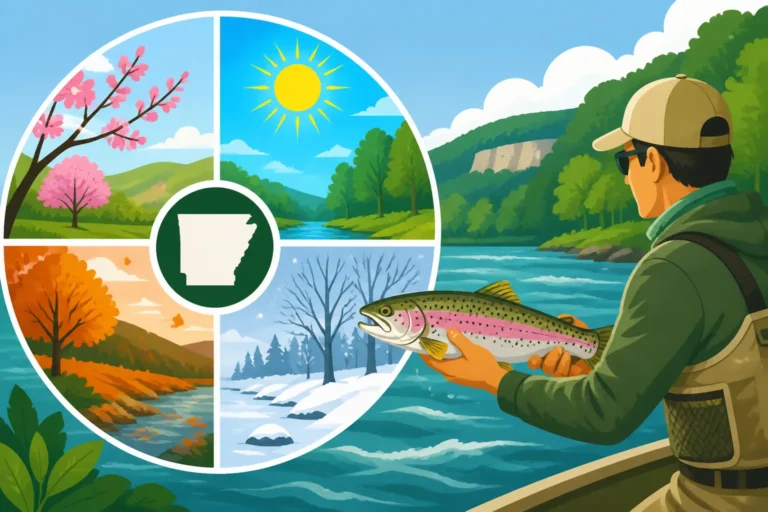
Fall and Winter: Trophy Season Peak
Hands down, fall and early winter are considered the prime times for trophy brown trout on the White River. Why? Two main reasons: spawning activity and aggressive feeding. As water temperatures drop in the fall, brown trout begin their annual spawning migration. While they may not feed heavily during the act of spawning, they become incredibly aggressive before and after. They'll move into shallower, gravelly areas to spawn, making them more accessible, and they'll be fiercely protective of their redds (spawning beds).
Post-spawn, these fish are often ravenously hungry, needing to regain lost energy. This is when they are most likely to aggressively strike at large, high-protein meals. The cooler water temperatures also mean less recreational boat traffic and generally fewer anglers, making for a more peaceful experience. Large streamers, jerkbaits, and live bait are particularly effective during this period. Many guides offer "trophy brown" specific trips during these months, knowing it's their best shot at putting clients on a fish of a lifetime. You might want to check out Best Time of Year for Rainbow Trout Fishing in Arkansas or even Winter Trout Fishing on the Norfork Tailwater in Arkansas for more general seasonal insights, but the patterns for brown trout are very distinct.
Spring and Summer: Opportunities and Challenges
Spring on the White River can be excellent, especially for numbers of trout, but trophy brown trout fishing presents its own set of nuances. The river is often high and swift due to spring rains and increased generation, which can make fishing challenging but also concentrates baitfish in specific areas. Browns will be actively feeding, especially as water temperatures slowly begin to rise slightly (but still remain cold due to dam releases). Large nymphs, worms, and various baitfish imitations can be effective.
Summer presents the biggest challenge for some anglers targeting trophy browns. While the water remains cold, higher air temperatures can mean more recreational traffic (kayakers, recreational floaters) on the river, potentially putting down wary fish. However, this doesn't mean big browns aren't catchable. They simply become more nocturnal or move into the deepest, darkest pockets of the river, often only becoming active during low light hours or during periods of heavy generation when a flush of new food is introduced. Night fishing with large plugs or live bait can be incredibly effective during the summer months for truly massive brown trout. Always remember that regardless of the season, proper fish handling is crucial, especially for these large, old fish. Guides listed on FishingBooker are typically experts in this practice.
| Season | Best Time for Trophy Browns | Key Behaviors to Note | Recommended Tactics |
|---|---|---|---|
| Fall | Peak Season (October-Nov) | Pre-spawn aggression, spawning defense | Large jerkbaits, streamers, live bait |
| Early Winter | Excellent (Dec-Jan) | Post-spawn hunger, holding in deep pools | Large swimbaits, jerkbaits, live bait |
| Spring | Good (Feb-Apr) | Active feeding, high water movement | Heavy nymphs, worms, baitfish imitations |
| Summer | Challenging, but possible (May-Sept) | Nocturnal, deep water holding, wary | Night fishing with plugs/live bait, deep jigging |
Landing a trophy brown trout on the White River is a quest that requires patience, skill, and a deep appreciation for this incredible fishery. By understanding the river's unique environment, focusing on prime locations, employing the right tactics, and considering the seasonal nuances, you significantly increase your chances of connecting with one of these legendary fish. Whether you go it alone or enlist the help of a seasoned guide, the thrill of the chase and the beauty of the White River will make for an unforgettable adventure.
Disclaimer
This article is for general informational purposes only and does not constitute professional advice. Laws, prices and regulations vary by location and change over time. Consult a qualified professional for guidance on your specific situation.