What to Pack for a Half-Day Trout Trip in Arkansas
You're finally planning that much-anticipated half-day trout trip on one of Arkansas's stunning rivers, perhaps the famed White River, and while the excitement is real, so is the nagging question: "What in the world do I actually need to pack?" It’s easy to overpack or, worse, forget something crucial. This guide is here to walk you through all the essentials and a few handy extras to ensure your time on the water is comfortable, productive, and absolutely stress-free.
The Essentials You Can't Forget
Let's start with the absolute non-negotiables. These are the items that can make or break your trip, so double-check them before you even think about heading out the door. Forget these, and you might find your half-day adventure cut short or significantly less enjoyable.
Your Fishing License and Trout Permit
This is probably the most crucial item on your list. Seriously, a fishing trip without a license is just a scenic boat ride that could end with a hefty fine. For trout fishing in Arkansas, you typically need a general fishing license and a separate trout permit. Don't assume one covers the other, especially on those special trout waters like the White or Norfork tailwaters. It's a common mistake, and nobody wants to spend their precious fishing time dealing with game wardens. You can usually grab these online through the Arkansas Game and Fish Commission website, or from licensed vendors all over the state. Always confirm the specific requirements for your age and residency status. It's smart to have a physical copy or at least a digital one on your phone ready to show. For a deep dive into the costs and rules, check out our guide on Arkansas Fishing License Rules and Costs. Also, if you're wondering about the trout permit specifically, we've got you covered with Do you need a trout permit to keep trout in Arkansas?.
Weather-Appropriate Clothing Layers
Arkansas weather can be famously unpredictable, even within a single half-day. You might start with a crisp, cool morning and end with a surprisingly warm afternoon, or a sudden rain shower could pop up seemingly out of nowhere. The key here is layering. Think about what you'll wear closest to your skin – something that wicks moisture away, like synthetic or merino wool, not cotton, which just gets damp and stays cold.
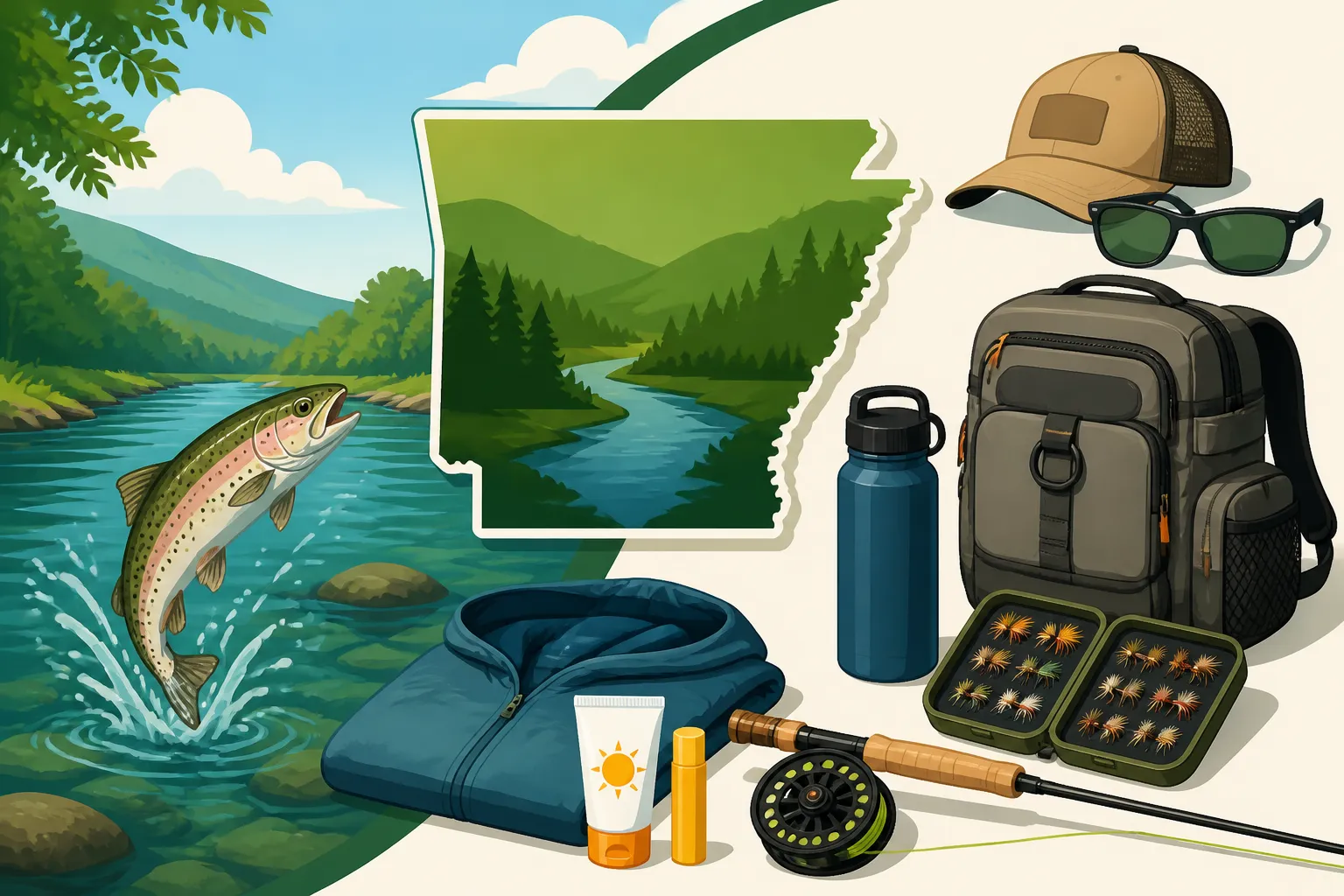
Over that, a light fleece or insulating jacket is perfect for chilly starts. And always, always pack a good rain jacket, even if the forecast looks clear. A lightweight, waterproof, and breathable jacket can be a lifesaver against unexpected drizzle or spray from the boat. If you plan on doing any wading, which is less common on guided boat trips but possible, bring waterproof waders and wading boots. Otherwise, quick-drying pants or shorts are generally best. Don't forget comfortable, closed-toe shoes that can get wet, like water shoes or old sneakers, if you won't be in waders. Hypothermia is no joke, even on a sunny day if you get soaked.
Gear for Comfort and Convenience on the Water
Once you've got your license and layers sorted, let's think about items that will keep you comfortable and make your half-day trip as enjoyable as possible. These might seem small, but they make a huge difference in your overall experience.
Sun Protection is Non-Negotiable
The sun reflecting off the water can be intense, even on cloudy days. You might not feel it right away, but a nasty sunburn can quickly ruin the rest of your vacation (and lead to bigger problems later on). A good wide-brimmed hat offers excellent protection for your face, ears, and neck, far better than a baseball cap alone. Don't forget a pair of polarized sunglasses; they're not just for style! Polarized lenses cut through the glare on the water, helping you see fish, structure, and rocks much more clearly, which can significantly improve your fishing success and reduce eye strain. And of course, slather on that sunscreen, even on areas covered by clothing if they're thin or get wet. Reapply it frequently, especially if you're sweating or getting splashed.
Food, Hydration, and Small Necessities
Even though it’s "only" a half-day, a few hours of focused fishing and being out in the elements can drain your energy and dehydrate you faster than you'd think. Always bring plenty of water – more than you think you'll need. A reusable water bottle is a great choice. For snacks, opt for things that are easy to eat, non-messy, and provide sustained energy, like granola bars, trail mix, fruit, or sandwiches.
Beyond food and water, think about a few small personal items:
- Any necessary medications: Don't leave them behind, even for a few hours.
- Small first-aid kit: Your guide might have one, but a personal kit with band-aids, antiseptic wipes, pain relievers, and any personal allergy meds is smart.
- Insect repellent: Depending on the season and location, mosquitoes and gnats can be a nuisance, especially near calmer water or during certain times of day.
- Lip balm with SPF: Your lips are just as susceptible to sun and windburn as your skin.
Remember, a little preparation goes a long way toward enjoying your time on the water. For a more exhaustive list that covers full-day trips too, you might want to read our article on What to Bring on a Guided Arkansas Fishing Trip.
Optional Items That Enhance Your Experience
Now that we've covered the essentials, let's talk about some items that aren't strictly necessary but can definitely upgrade your fishing adventure. These are the things that make your trip more memorable or convenient.
Photography Equipment
You're in Arkansas, fishing some of the most beautiful waters in the country, like the White River! You're going to want to capture some of those memories, whether it's the stunning scenery, the thrill of reeling in a beautiful trout, or a proud photo with your guide. Most people rely on their smartphones, which are perfectly capable. However, if you're bringing your phone, make sure you have a waterproof case or a dry bag to protect it from splashes. Accidents happen, and a dropped phone in the river is a quick way to sour the mood.
For serious photographers, consider a dedicated waterproof camera or an action camera like a GoPro. If you bring a DSLR or mirrorless camera, ensure it's in a well-padded, waterproof bag that's easily accessible but also secure. Don't let the desire for a great shot overshadow safety, especially on a moving boat.
Personal Fishing Gear (If Not Provided)
Most reputable Arkansas fishing guides, especially those found on platforms like FishingBooker, will provide all the necessary rods, reels, tackle, and even flies or lures for your trip. This is a huge convenience, especially if you're traveling or just starting out. However, many experienced anglers prefer to use their own gear. If you have a specific rod and reel setup you love, or a lucky fly box you can't fish without, by all means, bring it along!
Just be sure to communicate this with your guide ahead of time. It helps them plan and ensures you're not duplicating equipment. They might also have specific recommendations on what works best for their local waters, so be open to their advice. You can always ask directly if you read our guide on Do Arkansas Fishing Guides Provide Rods and Tackle?.
A Small Cooler for Your Catch
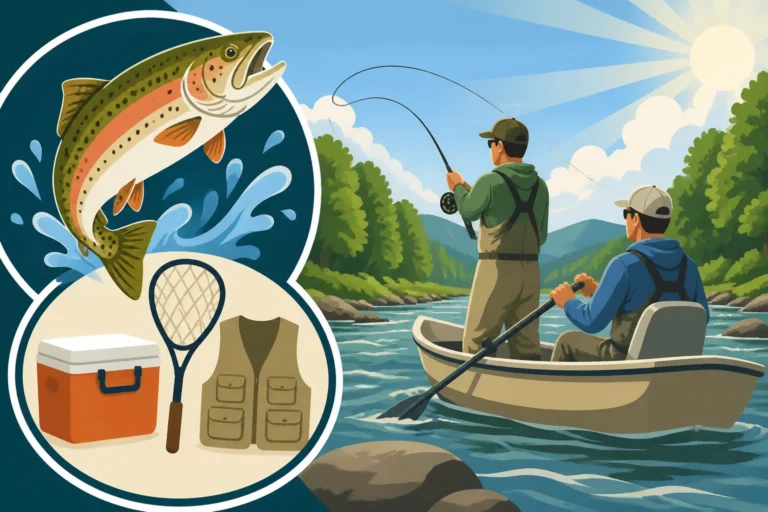
If you plan on keeping some fish (and are within the legal limits, of course!), bringing a small personal cooler can be a very thoughtful move. While some guides may have a cooler on board for drinks and possibly your catch, having your own dedicated space ensures your fish stay fresh for the ride home. Pack it with ice, and it's ready to go. Always confirm with your guide beforehand about their policy on keeping fish and if they offer cleaning services. Some guides are happy to clean your catch, while others might direct you to a local processor. Understanding these details helps manage expectations. We've got more information on these topics in articles like Can You Keep the Fish You Catch on an Arkansas Guide Trip? and Do Arkansas Fishing Guides Clean Your Catch?.
Planning Your Trip and Booking a Guide
Preparing for your half-day adventure isn't just about what you physically pack. It also involves some communication and understanding of logistics to ensure everything runs smoothly.
Communicating with Your Guide
This cannot be stressed enough: talk to your guide! Before your trip, reach out to them. They are a wealth of local knowledge and the best resource for what to expect and what to bring. You can find many excellent guides for Arkansas's trout waters on sites like FishingBooker. Don't be shy about asking questions like: "What's the water temperature usually like this time of year?" "Do I need to bring waders?" "What kind of tackle do you use?" "Are snacks and drinks provided?" This communication ensures you're aligned and helps them tailor the experience to your needs. This proactive approach prevents misunderstandings and makes your trip much more enjoyable. For more tips on what to ask, check out Questions to Ask Before Hiring an Arkansas Fishing Guide.
Understanding Half-Day Logistics
A half-day trip typically runs for 4-5 hours. Morning trips often start early to take advantage of cooler temperatures and prime fishing conditions, while afternoon trips might focus on different patterns as the day progresses. Confirm your exact start time and meeting location with your guide. Will you be launching from a public ramp, or is there a specific meetup spot? Knowing these small details can save you stress on the day of your trip. Also, keep an eye on the weather forecast in the days leading up to your trip, and be prepared for changes. Guides are usually great at making the call on severe weather, but being informed helps you dress appropriately. If you're weighing your options between trip durations, our article on Half-Day vs Full-Day White River Trout Trips: Which to Book in Arkansas offers some useful insights.
Packing Checklist for Your Half-Day Trout Trip
To make things easy, here’s a quick checklist to help you pack efficiently for your Arkansas half-day trout trip.
| Category | Essential Items | Optional/Good-to-Have Items | Notes |
|---|---|---|---|
| Documents | Valid Fishing License | Must have for trout waters. | |
| Valid Trout Permit | Separate permit needed for trout. | ||
| Clothing | Moisture-wicking base layer | Waders and wading boots (if wading) | Avoid cotton if possible. |
| Mid-layer (fleece, light jacket) | For warmth. | ||
| Waterproof rain jacket | Quick-dry pants/shorts (instead of waders) | Essential for unexpected weather. | |
| Comfortable, closed-toe shoes | Change of clothes for after the trip | Shoes that can get wet. | |
| Protection | Wide-brimmed hat | Protects face, ears, neck. | |
| Polarized sunglasses | Reduces glare, aids vision, protects eyes. | ||
| High SPF sunscreen | Lip balm with SPF | Reapply frequently. | |
| Insect repellent | Especially in warmer months. | ||
| Food & Drink | Plenty of water | Non-messy snacks (bars, fruit, sandwiches) | Stay hydrated and energized. |
| Personal Gear | Any necessary medications | Small first-aid kit | Guides usually have one, but personal is good. |
| Small, waterproof bag/dry box | Personal fishing rod/reel (check with guide) | For phone, wallet, keys. | |
| Camera/smartphone in waterproof case | Small cooler with ice (for your catch) | Capture memories, protect electronics. | |
| Gratuity | Cash for guide's tip | Tipping is customary; refer to Tipping Your Fishing Guide in Arkansas |
By using this guide, you'll be well-prepared for a fantastic half-day trout fishing adventure in Arkansas. Happy fishing! If you're looking for an amazing experience, many fantastic outfitters and guides operating on the White River Fishing Guides: Arkansas's Trout Fishing Capital are ready to help you plan your next trip.
Disclaimer
This article is for general informational purposes only and does not constitute professional advice. Laws, prices and regulations vary by location and change over time. Consult a qualified professional for guidance on your specific situation.