Packing Essentials for a Guided Trout Trip on the White River
You've booked your dream guided trout trip on Arkansas's legendary White River, but now you're staring at your closet, wondering what in the world to pack. It's a common dilemma – you want to be prepared for anything Mother Nature throws your way, but you certainly don't want to overpack and drag unnecessary gear along. This guide will walk you through all the packing essentials, ensuring you're comfortable, safe, and ready to make the most of your unforgettable White River trout fishing adventure.
Understanding the White River Environment
Before you even think about tossing a pair of socks into your bag, it’s crucial to understand the unique conditions you'll encounter on the White River. This isn't just any float trip; it's a world-renowned tailwater fishery, and that comes with some specific quirks.
The Tailwater Reality: Cold Water and Changing Conditions
The White River below Bull Shoals Dam, especially in its upper stretches near Cotter and Mountain Home, is a tailwater. What does this mean for you, the angler? It means the water flowing out of the bottom of the dam comes from the deepest, coldest parts of the reservoir. This water stays at a remarkably consistent chilly temperature, often in the low to mid-50s Fahrenheit, year-round. So, even if it's a sweltering 90 degrees in July, the air temperature directly above the river can feel significantly cooler, and any contact with the water will be a shock.
This constant cold water is fantastic for trout, but it also means you need to be strategic about your clothing. You won't just be battling the outside air temperature; you'll be dealing with evaporative cooling if you get wet, and the consistent chill radiating from the river itself. The generation schedule of the dam, which dictates how much water is being released, also plays a huge role. When the generators are running, the river rises, often quickly, and the current becomes much stronger. This can mean more spray from the boat, and if you're planning on wading, you'll need to be hyper-aware of these changes. It's not uncommon for a calm, low-water morning to turn into a swift, high-water afternoon, so being prepared for both scenarios is key to staying comfortable.
Weather Variability: Be Prepared for Anything
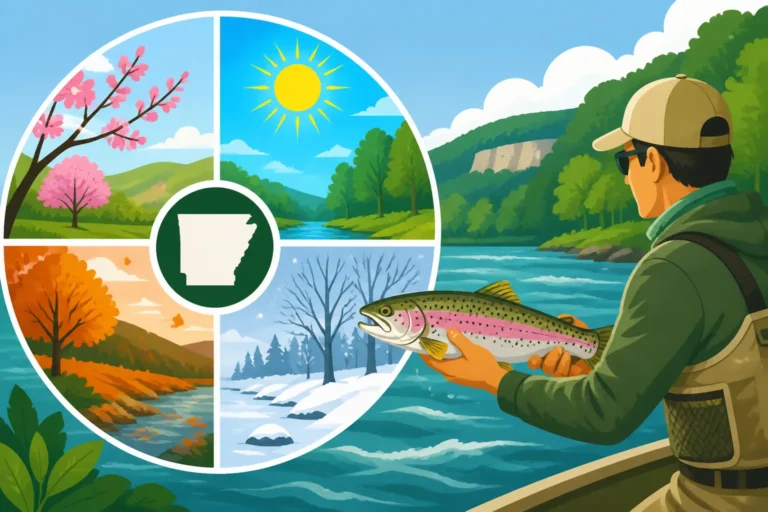
Arkansas weather is, shall we say, enthusiastic. You can experience all four seasons in a single day, or at least feel like it. A crisp, cool morning can quickly give way to a warm, sunny afternoon, only to be followed by a sudden thunderstorm. This is especially true in spring and fall, but even summer days can surprise you with unexpected showers or temperature drops.
Because you'll be on the water, often for several hours, you'll be exposed to the elements. Direct sun exposure can be intense, even on cloudy days, and the glare off the water can amplify its effects. A passing shower might seem minor, but if you're not properly protected, it can quickly lead to being chilled to the bone in the cold river air. Layering isn't just a suggestion here; it's a necessity. Being able to shed or add clothing easily will be the difference between a miserable trip and an enjoyable one. Before you head out, check the forecast, but always pack for a wider range of conditions than what's predicted.
Essential Clothing and Layering for Comfort
Now that you understand the environment, let's talk about what to wear. The secret to comfort on the White River is layering. Think of it as building an outfit that can adapt to rapid changes in temperature and conditions.
Base Layers: The Foundation of Warmth
Your base layer is the first thing against your skin, and it's perhaps the most critical for moisture management. You want materials that wick sweat away from your body, even if you're not actively sweating. This prevents that clammy, cold feeling if you get damp. Synthetics like polyester or polypropylene, and natural fibers like merino wool, are your best friends here. They breathe well, dry quickly, and retain warmth even when slightly wet.
Here's a pro-tip: Avoid cotton at all costs. Seriously. Cotton absorbs moisture like a sponge and holds onto it, drawing heat away from your body. If your cotton t-shirt gets wet from spray, rain, or sweat, it will make you cold and uncomfortable, no matter how many layers you pile on top. Think long-sleeve shirts and long underwear made of performance fabrics. Even on a warmer day, a lightweight, long-sleeve synthetic shirt can offer excellent sun protection while keeping you cool.
Mid-Layers: Insulation for Changing Temperatures
The mid-layer is your primary insulation. Its job is to trap warm air close to your body. Depending on the forecast and time of year, this could be a lightweight fleece jacket, a bulkier wool sweater, or even a puffy vest. The key is that it should be easy to put on and take off. Since White River trips often involve sitting in a boat, you might find yourself adding or removing this layer several times throughout the day as the sun comes out, clouds roll in, or the dam's generation schedule changes.
Consider materials that pack down easily if you need to store them. Fleece is a popular choice because it's warm, relatively lightweight, and dries faster than many natural fibers. A good mid-layer allows you to adjust your warmth without having to completely change your outfit. You want to be able to zip it up or down, or simply take it off and stow it in a dry bag when the sun is beaming down, then pull it back on as the morning chill returns.
Outerwear: Protection from Wind and Rain
Your outermost layer is your shield against the elements. For a White River trout trip, you absolutely need a good quality waterproof and windproof jacket. Even if the forecast is clear, a sudden shower can pop up, or the constant wind on the water can chill you surprisingly quickly. Look for jackets with sealed seams and adjustable cuffs and hoods to keep water out.
Many anglers also opt for waterproof or water-resistant pants, especially if there’s a chance of rain or significant boat spray. Again, breathable materials are a plus, so you don’t end up soaked from the inside out with sweat. Having reliable outerwear ensures that a little bit of bad weather doesn't ruin your day, allowing you to focus on the fishing, not on being cold and wet. Remember, your guide will likely be prepared for all weather, and you should be too!
Headwear, Handwear, and Footwear
These small details make a big difference in overall comfort.
- Headwear: Bring a wide-brimmed hat or a baseball cap for sun protection. The glare off the water is intense, and protecting your face and neck from sunburn is crucial. In cooler weather, a warm beanie or stocking cap is essential, as a significant amount of body heat escapes from your head.
- Handwear: Gloves might seem excessive for fishing, but they serve multiple purposes. In cold weather, insulated, waterproof gloves are a blessing. In warmer, sunny conditions, lightweight fishing gloves offer sun protection for your hands, which often get a lot of direct exposure.
- Footwear: This depends on whether you'll be wade fishing or staying in the boat. For boat fishing, waterproof, comfortable boots or sturdy shoes are ideal. If wade fishing is part of your plan, you'll need waders and wading boots. Talk to your guide about the likelihood of wading. Many guides on the White River, like those you can find on platforms such as FishingBooker, will primarily focus on drift boat fishing, making waders less critical. However, if you plan to get out, good quality, breathable waders will keep you dry, and sturdy wading boots will provide grip on slick riverbeds. Always wear non-cotton socks – wool or synthetic – to keep your feet warm and dry.
Personal Gear Beyond Clothing
Once your clothing strategy is sorted, it’s time to think about other personal items that enhance your trip.
Sun Protection: Don't Underestimate the Arkansas Sun
Even on cloudy days, and especially with the reflective surface of the water, UV exposure can be extreme. Sun protection is non-negotiable for a full day on the White River.
- Sunscreen: Pack a broad-spectrum, high SPF sunscreen and apply it generously to all exposed skin. Don't forget your ears, the back of your neck, and the tops of your hands. Reapply throughout the day, especially if you get wet.
- Polarized Sunglasses: These are vital. Not only do they protect your eyes from harmful UV rays and flying hooks, but polarized lenses cut through the glare on the water, allowing you to see deeper into the river. This can make a huge difference in spotting fish or structure, and significantly reduces eye strain.
- Wide-Brimmed Hat: As mentioned, a hat is a key part of your sun defense, offering shade for your face and neck.
- Long Sleeves and Pants: Even if it's warm, lightweight, breathable long-sleeve shirts and pants offer the best sun protection and can actually feel cooler than shorts and a t-shirt in direct sun.
Food, Hydration, and Medications
While many guides offer some refreshments, it's always smart to bring your own personal supply to ensure you stay energized and hydrated.
- Snacks: Pack some easy-to-eat, non-messy snacks like granola bars, fruit, nuts, or sandwiches. Fishing is hungry work, and having something to munch on will keep your energy levels up.
- Water: Bring plenty of water, perhaps in a reusable bottle. Dehydration can creep up on you, especially when you're focused on fishing. Some guides provide coolers with water and soft drinks, but always verify beforehand.
- Personal Medications: If you take any prescription medications, make sure you have enough for the duration of your trip, stored in a waterproof container. Also consider any over-the-counter essentials like pain relievers, allergy medicine, or motion sickness medication if you're prone to it.
- Small First-Aid Kit: Your guide will likely have one, but a small personal kit with band-aids, antiseptic wipes, and blister treatment can be handy for minor scrapes or cuts.
Camera and Electronics (with precautions)
You'll definitely want to capture those trophy trout moments! But water and electronics don't mix, so take precautions.
- Waterproof Camera or Phone Case: If you're bringing your smartphone, invest in a reliable waterproof case. Many modern phones are water-resistant, but full submersion is still a risk.
- Dry Bag: A small, roll-top dry bag is perfect for keeping your phone, wallet, keys, and any other electronics completely safe from splashes or an accidental dunk.
- Spare Batteries/Power Bank: Cold weather can drain camera batteries faster, and you'll be snapping lots of photos. A fully charged power bank for your phone is also a good idea.
- Zip-top bags: These are great for adding an extra layer of protection inside your dry bag or backpack, especially for smaller items.
Fishing Gear (and What Your Guide Usually Provides)
This is where many first-timers get confused. Do you bring your own expensive rod, or does the guide have everything?
Rods, Reels, and Tackle: What to Bring vs. Borrow
For most guided White River trout trips, your guide will provide all the necessary fishing gear – rods, reels, and tackle. This is often high-quality equipment perfectly suited for the specific techniques and fish you'll be targeting. If you're a beginner or just don't want the hassle of transporting your own gear, this is fantastic news. Just show up!
However, if you're an experienced angler and prefer to use your own lucky Fly Fishing Techniques for Beginners setup, most guides are happy to accommodate this, as long as your gear is appropriate for the conditions and target species. A light to medium-light spinning rod (6-7 feet) with 4-6 lb test line is generally suitable for spin fishing, while a 4-6 weight fly rod is common for fly fishing. Always confirm with your guide beforehand if you plan to bring your own, just to ensure it matches their fishing style and the river conditions. When checking out guides on FishingBooker, many will list what they provide. For a comprehensive overview, read about What's Included in an $800 White River Guide Trip.
Terminal Tackle: Flies, Lures, and Leaders
Just like rods and reels, your guide will have an extensive selection of flies, lures, and leaders that are proven successful on the White River. They know what's currently biting, what patterns mimic the local insect hatches, and what colors attract the trout. Trust their expertise! They spend countless hours on the water, constantly adapting to the fish's preferences.
If you have a few "go-to" flies or lures you swear by, you can certainly bring them along. Maybe you have a specific pattern that always catches Brown Trout Fishing on Arkansas's White River or a spoon that's deadly for Rainbow Trout Fishing Below Bull Shoals Dam. Your guide might even appreciate seeing what you like to throw. But again, don't feel obligated. Their tackle boxes are usually well-stocked with everything from tiny midges and sowbugs to spinnerbaits and crankbaits designed to entice those finicky trout.
Waders and Boots (if wade fishing)
If your guided trip involves wade fishing, you'll need appropriate waders and wading boots. While some guides might have a few extra pairs, personal fit is crucial for comfort and safety, especially when navigating a riverbed that can be rocky and slick. Ensure your waders are breathable (like Gore-Tex or similar materials) to prevent sweating from the inside, and that your boots provide good ankle support and traction.
Many guided trips on the White River are primarily float trips, where you fish from the comfort of a drift boat. In these cases, sturdy, waterproof shoes or boots are all you need. Always communicate with your guide about the trip's format well in advance. This avoids any surprises and ensures you have the right gear for getting in the water if the opportunity arises.
Planning and Logistics
A successful trip isn't just about what you pack, but how you prepare for the experience itself.
Communicating with Your Guide
This is arguably the most important "packing essential." Before your trip, reach out to your guide directly. Most guides are happy to chat about current conditions, what's biting, and exactly what you should bring. They live and breathe the White River, and their advice is gold. They can tell you if the river is running high or low, what the water clarity is like, and if there's any specific gear they recommend based on the latest weather patterns.
Platforms like FishingBooker make it easy to contact your guide after booking to ask these crucial questions. Don't be shy! A quick conversation can clear up any uncertainties and ensure you're perfectly prepared for the day. For more on the process, check out How to Book a Fishing Guide in Arkansas.
Fishing License and Trout Permit
This is absolutely mandatory. No matter how prepared you are with gear, you must have a valid Arkansas fishing license and, for trout waters like the White River, a trout permit. Even on a guided trip, this is your responsibility. Game wardens regularly patrol the river, and fishing without the proper documentation can result in hefty fines.
You can usually purchase these online through the Arkansas Game and Fish Commission website, or from many local sporting goods stores. Make sure you get them before your trip to avoid any last-minute stress. For all the details on requirements and costs, refer to Arkansas Fishing License Rules and Costs and Arkansas Trout Permit Rules. It's also worth reading Do You Need an Arkansas Fishing License for a Guided Trip? to confirm the specifics.
Packing Smart: Waterproof Bags and Organization
Once you have all your essentials, think about how you'll carry them. A well-organized bag makes for a much smoother day on the water.
- Dry Bag/Backpack: A waterproof backpack or a large dry bag is ideal for storing your spare layers, snacks, camera, and other personal items. This protects them from splashes, rain, and the general wetness of a fishing boat.
- Smaller Bags for Organization: Use smaller dry bags, zip-top bags, or even stuff sacks to organize items within your main bag. Keep medications separate, electronics in their own protected pouch, and snacks easily accessible.
- Accessibility: Think about what you'll need frequently (sunglasses, hat, water bottle) and keep those items in an easily accessible pocket or a small daypack within reach. You don't want to be rummaging through your main bag every time you need a sip of water.
- Minimize Clutter: While preparation is good, aim for efficiency. You'll likely be in a drift boat with limited space. Only bring what you truly need for the day. For tips on packing lighter, consider What to Pack for a Half-Day Trout Trip in Arkansas.
Essential Packing Checklist
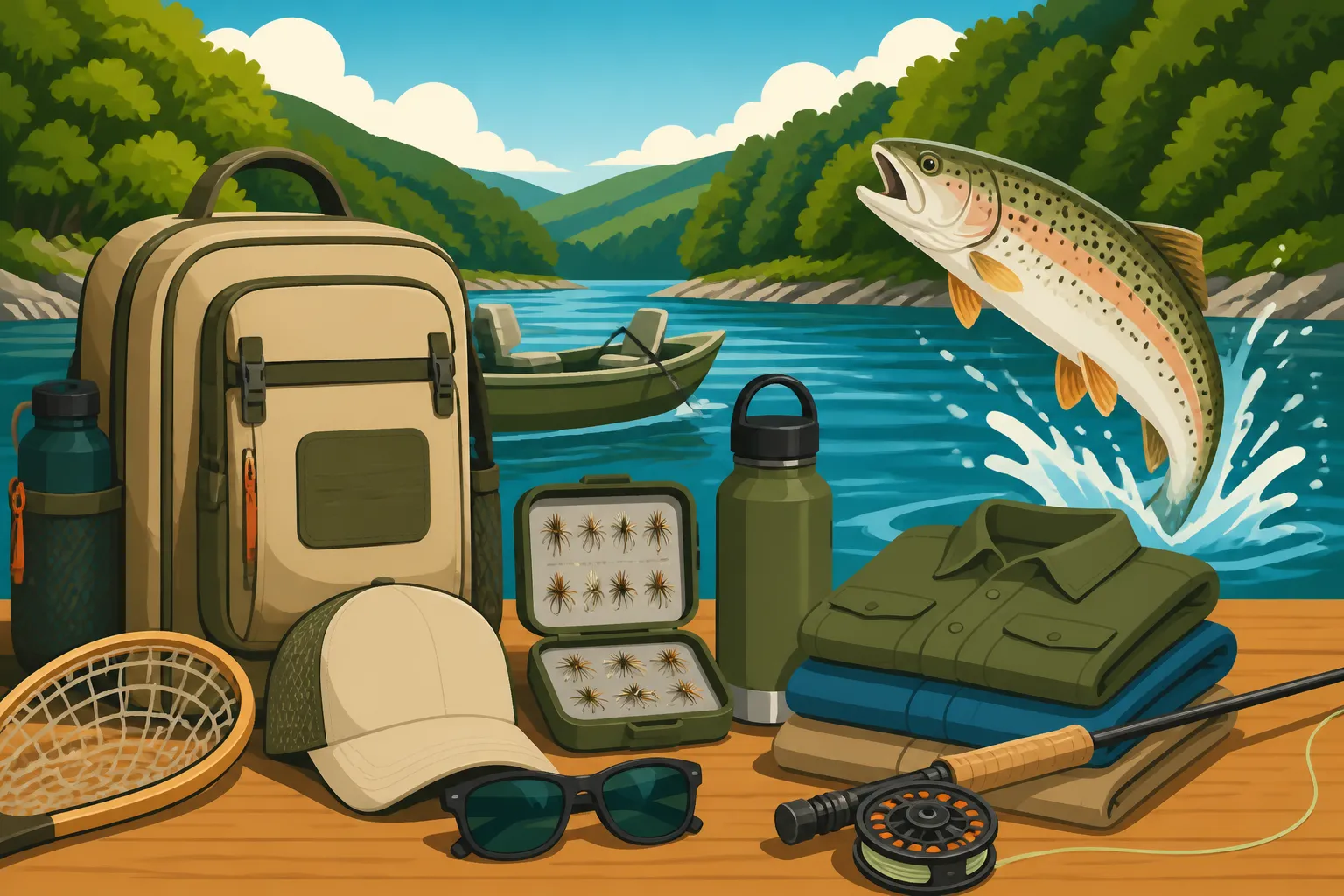
To help you visualize, here’s a quick checklist of packing essentials:
| Category | Essential Items | Notes |
|---|---|---|
| Clothing | Non-cotton base layers (long sleeve/pants) | Synthetics or merino wool only! |
| Mid-layers (fleece, wool sweater) | Easy to add/remove for warmth | |
| Waterproof/windproof outer jacket | Mandatory, even if the forecast is clear | |
| Waterproof/water-resistant pants | Optional, but highly recommended for rain/spray | |
| Warm hat (beanie) / Sun hat (wide brimmed) | Both are ideal, depending on conditions | |
| Warm, non-cotton socks | Multiple pairs for changing if feet get wet | |
| Waders & wading boots (if wade fishing) | Confirm with guide if necessary; otherwise, sturdy waterproof shoes | |
| Sun gloves / Warm gloves | Protects hands from sun or cold | |
| Personal Gear | Sunscreen (high SPF) | Reapply frequently! |
| Polarized sunglasses | Crucial for eye protection and seeing fish | |
| Lip balm with SPF | Prevent chapped lips from sun and wind | |
| Water bottle (full) | Stay hydrated | |
| Snacks (non-messy) | Energy boost throughout the day | |
| Personal medications | In waterproof container | |
| Small first-aid kit (optional) | For minor issues | |
| Camera/phone in waterproof case | Capture memories, protect electronics | |
| Dry bag / waterproof backpack | For all personal gear | |
| Fishing Needs | Arkansas Fishing License & Trout Permit | REQUIRED by law for each angler |
| Small tackle box (optional, if bringing own gear) | Discuss with guide first | |
| Favorite rod/reel (optional) | Discuss with guide first |
Preparing for a guided trout trip on the White River isn't just about throwing a few things in a bag. It's about understanding the unique environment, layering your clothing strategically, and ensuring you have the personal items to stay comfortable and safe. By following these guidelines and, most importantly, communicating with your guide, you'll be well-equipped for an incredible day of fishing and memories that will last a lifetime. Happy angling!
Disclaimer
This article is for general informational purposes only and does not constitute professional advice. Laws, prices and regulations vary by location and change over time. Consult a qualified professional for guidance on your specific situation.