Beaver Lake Guided Fishing Trips in Arkansas
Beaver Lake is an absolute gem in Northwest Arkansas, offering some truly incredible fishing opportunities. However, for those of us who aren't intimately familiar with its sprawling waters, navigating its coves, deep channels, and timber-filled stretches to find the biting fish can feel like trying to solve a puzzle with half the pieces missing. This guide is here to shed some light on why a guided fishing trip on Beaver Lake can be your ticket to a successful and enjoyable day, ensuring you make the most of your time on this fantastic body of water.
Why Consider a Guided Trip on Beaver Lake?
Let's face it, Beaver Lake is huge – over 28,000 acres, with more than 487 miles of shoreline! It's an incredible fishery, but that sheer size can be daunting, especially if you're visiting for the first time or simply don't have the hours to scout every nook and cranny. That's where a knowledgeable local fishing guide truly shines. They aren't just boat drivers; they're seasoned professionals who live and breathe Beaver Lake, turning what could be a frustrating day of searching into a productive fishing adventure.
Navigating a Large, Complex Reservoir
Imagine launching your boat into an unfamiliar lake and trying to decide where to go. Should you head upriver, stay near the dam, explore a particular creek arm? Beaver Lake is a complex system with fluctuating water levels, diverse bottom structures, and countless submerged features that hold fish at different times of the year. A guide has spent years, sometimes decades, learning these nuances. They know which points are holding bass in the spring, which brush piles are loaded with crappie in the winter, and where the walleye are lurking in the deeper channels.
They use advanced electronics and their personal experience to put you on fish quickly, saving you precious hours of aimless searching. This local expertise is invaluable. They understand the patterns that emerge with changing weather, water temperatures, and even the generational habits of the fish in specific areas. It’s like having a cheat sheet for the entire lake, but even better, because it's delivered with real-time insight.
Targeting Specific Species: Bass, Crappie, and More
Beaver Lake is renowned for its diverse fishery, boasting impressive populations of largemouth, smallmouth, and spotted bass, along with healthy numbers of crappie, walleye, and even some panfish. While that diversity is exciting, it also means that the techniques and locations for one species might be completely different for another. Trying to master all of them in a single trip is nearly impossible for an amateur.
A guided trip allows you to focus on exactly what you want to catch. If you’re dreaming of a trophy smallmouth, your guide will take you to rocky bluffs and clear water where they thrive. If crappie is on the menu, they'll know the timbered coves and deep brush piles where the slabs hang out. These guides often specialize, honing their skills and knowledge on particular species, meaning you get the benefit of their hyper-focused expertise. They'll have the right baits, the correct tackle, and the precise presentation to entice your target fish. For more on the species you might encounter, check out our guide on Bass Fishing in Arkansas: Largemouth, Smallmouth, and Kentucky Bass Explained or Crappie Fishing in Arkansas: Black and White Crappie Basics.
Maximizing Your Time and Learning Local Secrets
Perhaps the biggest advantage of a guided trip is the sheer efficiency it offers. You don't waste time driving around, figuring out launch ramps, or debating where to drop your first line. From the moment you step on the boat, the focus is on fishing. The guide handles everything from navigating the boat to rigging your lines, allowing you to concentrate fully on the thrill of the catch. This is especially beneficial if you only have a limited amount of time, like a weekend getaway.
Beyond just catching fish, a guided trip is an incredible learning experience. Guides are often happy to share their knowledge: how they read their electronics, what lures they choose and why, specific casting techniques, or how to identify promising structure. They can teach you subtleties about Beaver Lake that you'd never pick up on your own. It's like a hands-on fishing seminar, providing insights that can improve your skills for future trips, whether on Beaver Lake or elsewhere. You're not just buying a day of fishing; you're investing in valuable education.
Types of Guided Trips Available on Beaver Lake
Just like no two anglers are exactly alike, neither are fishing trips. Beaver Lake guides understand this and offer a variety of options to suit different schedules, skill levels, and fishing preferences. It’s all about finding the right fit for your group and your angling goals.
Half-Day Versus Full-Day Adventures
The choice between a half-day and a full-day trip is often the first decision anglers face. A half-day trip typically runs for four to five hours, making it a fantastic option for beginners, families with younger children, or those with other plans for the day. It’s enough time to get a good feel for the lake, catch some fish, and enjoy the experience without feeling overwhelmed or overly tired. Plus, it can often be a more budget-friendly introduction to guided fishing.
| Trip Type | Duration | Ideal For | Advantages | Considerations |
|---|---|---|---|---|
| Half-Day | 4-5 hours | Beginners, families, tight schedules | Less fatigue, more affordable, good intro | Less time to explore, may miss peak bite |
| Full-Day | 7-9 hours | Serious anglers, learning, diverse targets | Maximize time, explore more, better chances | More costly, can be tiring |
On the other hand, a full-day trip, usually lasting seven to nine hours, is designed for the more dedicated angler who wants to maximize their time on the water. This extended duration allows the guide to cover more ground, target multiple species, or spend extra time perfecting a specific technique. You might hit several different spots, perhaps chasing bass in the morning and then switching to crappie in the afternoon. It provides a more immersive experience and often increases your chances of encountering that trophy fish. Many guides on platforms like FishingBooker will clearly list both options, helping you compare availability and focus on your preference.
Specializing in Different Fishing Styles (Spin vs. Fly)
While most Beaver Lake guides primarily offer spin-fishing trips, utilizing conventional rods, reels, and a variety of lures and live bait, there are also specialists who cater to fly-fishing enthusiasts. Spin fishing is generally more accessible for beginners and effective for covering water and targeting a broad range of species. It's often the default for bass and crappie trips, allowing for versatility in bait choice and presentation.
For those interested in a more technical and often meditative approach, a fly-fishing guide can provide an unforgettable experience, particularly if you're targeting species like trout or even smaller bass in specific conditions. While Beaver Lake isn't primarily a trout fishery, the nearby tailwaters of the White River certainly are, and some guides might offer combo packages or refer you to fly-fishing specialists in that region. Always clarify your preferred fishing style when booking, as some guides are experts in one method and less experienced in another.
Family-Friendly and Group Trip Options
Fishing is a fantastic family activity, and many Beaver Lake guides excel at creating memorable experiences for all ages and skill levels. They understand that a family trip often means patience, simpler techniques, and focusing on the excitement of the catch, no matter the size. They’ll often have extra life jackets, kid-friendly rods, and an encouraging demeanor to make sure everyone has a great time. When looking for a guide, don't hesitate to ask if they are experienced with children or multi-generational groups.
For larger groups, some guides might operate bigger boats that can comfortably accommodate more anglers, or they might partner with other guides to run multiple boats simultaneously, creating a fun mini-tournament feel for corporate outings or bachelor parties. It’s important to communicate your group size upfront, as this will influence boat selection and pricing. Finding a guide who is adaptable and enthusiastic about teaching anglers of all experience levels is key to a successful group outing.
What to Expect When Booking a Beaver Lake Guide
Booking a guided fishing trip should be an exciting and straightforward process, but knowing what to anticipate can really smooth things out. From finding the right person to understanding the logistics, a little preparation goes a long way toward ensuring a fantastic day on the water.
Finding and Vetting Your Guide
The first step is always finding a reputable guide. Word-of-mouth recommendations are excellent, but online resources are also incredibly helpful. Many guides have their own websites, but platforms like FishingBooker aggregate numerous local guides, complete with detailed profiles, customer reviews, and often online booking capabilities. These platforms allow you to compare guides, their specializations, and what past clients have to say about their experience. Don't be shy about reading those reviews! They can offer invaluable insights into a guide's personality, teaching style, and how well they put clients on fish.
When vetting a guide, consider their experience, what species they specialize in, and whether their communication style matches what you’re looking for. Do they respond promptly to inquiries? Are they clear about what they offer? A good guide will be licensed and insured, ensuring a safe and legitimate operation. Feel free to ask about their experience on Beaver Lake specifically – you want someone who truly knows these waters. To learn more about the general process, our article on How to Book a Fishing Guide in Arkansas can provide additional insights.
Understanding Inclusions and Exclusions
It’s crucial to know what’s covered in the trip fee and what you’ll need to provide yourself. Most Beaver Lake guides will supply all the necessary fishing gear, including high-quality rods, reels, lines, and an ample supply of lures and live bait. They’ll also have safety equipment like life jackets, and some might even include bottled water or a cooler for your snacks and drinks. You won't generally need to bring your own tackle unless you have a specific lucky lure you want to try.
However, there are usually exclusions. Your Arkansas fishing license is almost always your responsibility to purchase beforehand. While some guides might offer a packed lunch on full-day trips, it's safer to plan on bringing your own snacks and beverages, especially if you have dietary restrictions. It's always best to clarify these details when you book to avoid any surprises on the day of your trip. Don't forget to ask about any specific items you should or shouldn't bring on the boat.
The Importance of Communication Before Your Trip
This cannot be stressed enough: talk to your guide before the trip! A brief conversation can make all the difference. Discuss your expectations for the day – are you hoping for a trophy bass, or simply want to catch a lot of fish, regardless of size? Are you a seasoned angler, or a complete beginner? Do you have any physical limitations or special requests? Sharing this information helps the guide tailor the trip to your preferences, making it more enjoyable and productive.
A good guide will also use this conversation to inform you about current conditions on Beaver Lake, what species are biting best, and what the weather forecast looks like. They might suggest specific clothing or gear based on these factors. This pre-trip dialogue builds rapport and ensures everyone is on the same page, setting the stage for a seamless and rewarding fishing experience. It allows them to plan the best strategy for your day on the water, whether it's an early morning start to target topwater bass or a mid-day crappie hunt in deeper cover.
Preparing for Your Beaver Lake Guided Adventure
You've booked your trip, had a great chat with your guide, and now the excitement is building! But before you head out, a little practical preparation can make your day even better. Being ready for the elements and understanding the local regulations will ensure you can relax and fully immerse yourself in the fishing experience.
Essential Gear and Personal Items to Bring
Even though your guide will provide all the fishing equipment, you'll still want to bring some personal items for comfort and protection. The weather in Arkansas can change quickly, so dressing in layers is always a smart move. Think quick-drying fabrics, and include a rain jacket or poncho, even if the forecast looks clear. Sun protection is critical: a wide-brimmed hat, sunglasses (polarized ones are a huge advantage for spotting fish and structure), and plenty of sunscreen.
Don't forget any personal medications you might need. A small cooler with your preferred snacks and drinks is also a great idea, especially for longer trips. Many anglers also like to bring a camera or their phone for photos, but be sure it's protected from water. Your guide will likely have a first-aid kit, but carrying a small personal one for minor scrapes or blisters isn't a bad idea either. For a more comprehensive list of what to pack, refer to our article on What to Bring on a Guided Arkansas Fishing Trip.
Understanding Arkansas Fishing License Requirements
This is a big one: you will need an Arkansas fishing license, even if you’re fishing with a guide. Your guide is there to put you on fish and help you catch them, but they cannot provide you with a license. Make sure to purchase the appropriate license before your trip. You can usually do this online through the Arkansas Game and Fish Commission website, at local sporting goods stores, or at some bait shops around the lake. It's a quick and easy process, but it's essential.
The type of license you need will depend on your residency status (Arkansas resident vs. non-resident) and the duration of your trip (annual vs. short-term options). If you plan on catching trout in any of the state’s designated trout waters (not typically Beaver Lake, but good to know for other Arkansas adventures), you would also need a trout permit. However, for general fishing on Beaver Lake, a standard fishing license is sufficient. For a full breakdown of the rules and costs, take a look at our guides on Arkansas Fishing License Rules and Costs and Arkansas Fishing License Types Explained. Getting this sorted ahead of time means less stress and more time fishing.
Best Times of Year to Visit Beaver Lake with a Guide
Beaver Lake offers excellent fishing year-round, but the "best" time often depends on what species you want to target and what kind of fishing experience you're after. Spring (March-May) is often considered prime time for bass, as they move shallow for the spawn, and crappie become very active. The weather is generally pleasant, and the fish are aggressive. This is a very popular time for guided trips.
Summer (June-August) means warmer water, and fish often move to deeper, cooler waters, or become active during low-light hours. Guides excel at finding these deeper patterns or capitalizing on early morning/late evening bites. Fall (September-November) sees fish transitioning back to shallower waters, feeding heavily before winter, offering another fantastic opportunity for aggressive bass and crappie. Winter (December-February), while colder, can be incredible for targeting big crappie and even some deep-water bass, as fish often school up tightly and are less pressured. Your guide will be intimately familiar with these Arkansas Fishing Seasons Guide and can advise you on the best time to book based on your specific target species. For a general overview, you can also check Best Time of Year to Fish in Arkansas.
Common Fish Species Targeted with Guides on Beaver Lake
Beaver Lake is a true multi-species fishery, and its guides are experts at putting you on a variety of fish. While you might have a primary target, it’s not uncommon to catch several different species in a single day, adding to the excitement and diversity of your trip.
Bass Fishing: Largemouth, Smallmouth, and Spotted
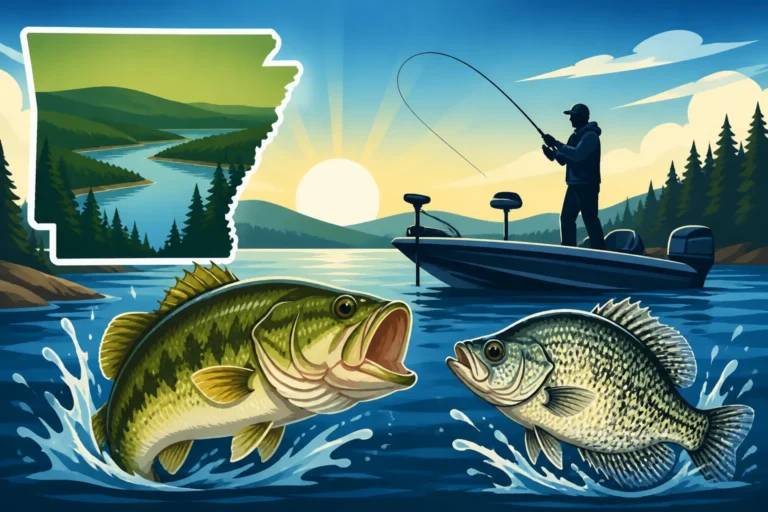
Beaver Lake is a nationally recognized bass fishery, offering anglers the chance to catch all three major black bass species: largemouth, smallmouth, and spotted (often called Kentucky) bass. Each has its preferred habitat and fighting style, and a good guide knows exactly where to find them.
- Largemouth Bass: These are the classic "bucketmouths" and are plentiful throughout the lake, particularly in shallower, timbered coves, around submerged brush, and along docks. Guides will often use spinnerbaits, crankbaits, jigs, or soft plastics to target them, especially in areas like the upper river arms or the numerous creek channels.
- Smallmouth Bass: Known for their powerful fights and preference for clear, rocky water, smallmouth are abundant in the lower, clearer sections of Beaver Lake, especially along bluffs, rocky points, and deep structure. Guides will often employ drop-shot rigs, shaky heads, or small crankbaits to tempt these hard-fighting fish. The Beaver Lake area is actually quite famous for its smallmouth.
- Spotted Bass (Kentucky Bass): These scrappy fighters are widespread and often found in similar habitats to both largemouth and smallmouth, but they tend to school more in open water. They readily strike a variety of lures, making them a fun catch for anglers of all skill levels. Guides use techniques similar to those for largemouth, often finding them around humps, points, and channel swings. Knowing the difference between them can be tricky, but a guide can help you identify your catch! For more details on these species, refer to Bass Fishing in Arkansas: Largemouth, Smallmouth, and Kentucky Bass Explained.
Crappie Fishing: A Perennial Favorite
If you're looking for a delicious meal and consistent action, crappie fishing on Beaver Lake is phenomenal, especially with a guide. Both black and white crappie call these waters home, and guides have an uncanny ability to locate their schooling patterns.
Crappie love structure, especially submerged timber, brush piles, and bridge pilings. Your guide will likely use their electronics to pinpoint these underwater havens, then position the boat perfectly for you to drop small jigs, minnows, or even tiny crankbaits right into the strike zone. Depending on the season, crappie can be found anywhere from shallow coves during the spring spawn to deep creek channels in the winter. A guided crappie trip can often lead to high catch numbers, making it a favorite for families and groups. For more on these delicious panfish, see Crappie Fishing in Arkansas: Black and White Crappie Basics.
Beyond Bass and Crappie: Walleye and Panfish
While bass and crappie are the main draws, Beaver Lake also holds a respectable population of walleye, a highly prized game fish known for its delectable fillets. Walleye prefer deeper, cooler water and can be a bit more elusive, but a skilled guide knows the techniques and locations to target them, often using trolling methods with crankbaits or live bait rigs in deeper channels or over main lake points. They are particularly active during low-light conditions.
Additionally, don't overlook the joy of catching various panfish like bluegill and sunfish, especially if you have younger anglers on board. While not typically the primary target for a guided trip, they are abundant and eager biters, providing plenty of action and smiles. Some guides might even offer specialized trips for walleye if that's your specific interest, but it's always worth discussing with them beforehand. Beaver Lake truly offers a smorgasbord of fishing opportunities.
Making the Most of Your Guided Trip Experience
A guided fishing trip is an investment in your enjoyment and angling education. To truly get the most out of it, approach the day with an open mind, a willingness to learn, and an understanding of the unspoken etiquette that helps ensure a positive experience for everyone.
Learning from Your Guide: Tips and Techniques
Think of your guide not just as someone who puts you on fish, but as a seasoned instructor. They're a wealth of local knowledge and angling wisdom. Don't be afraid to ask questions! How do you read that sonar screen? Why did you choose that particular lure? What's the best way to present this bait in these conditions? Observing their casting techniques, how they retrieve lures, and how they handle fish can provide invaluable lessons that you can apply to your own fishing in the future.
Many guides genuinely enjoy sharing their passion and expertise. They want you to succeed and learn. Pay attention to the details – the subtle twitches of the rod, the way they set the hook, or how they play a fish. These small observations can make a huge difference in your angling prowess. The insights gained from a day with a professional can fast-track your learning curve far beyond what you might achieve through years of trial and error on your own.
Catch and Release vs. Keeping Your Catch
Before your trip begins, it's a good idea to discuss your preferences for keeping fish versus practicing catch and release. Many anglers prefer to release all or most of their catch, especially larger bass or trophy fish, to help preserve the fishery. Other anglers cherish the opportunity to take home a fresh meal. Your guide will be familiar with all Arkansas Fish Size and Daily Limits and will ensure that any fish kept are legal.
Most guides are happy to clean and bag any legal fish you choose to keep. However, some might have a preference for catch and release for certain species or in certain situations, so it’s always best to clarify this upfront. Being on the same page regarding harvest intentions ensures there are no misunderstandings during the trip and that both you and the guide can focus on the fishing.
Tipping Your Guide: A Thoughtful Gesture
Like many service-oriented professions, fishing guides rely on tips as a significant part of their income. Tipping your guide is standard practice and a thoughtful way to show your appreciation for their hard work, expertise, and dedication to making your trip successful and enjoyable.
While there's no strict rule, a common guideline is to tip between 15% to 20% of the trip's total cost. If your guide went above and beyond – worked tirelessly to find fish, was a fantastic teacher, or simply made the day incredibly fun – consider tipping more. If you're unsure, ask the booking agency or quietly inquire with your guide at the end of the trip. A tip is a direct reflection of your satisfaction and a way to thank them for sharing their office, which happens to be one of the most beautiful lakes in Arkansas. For more detailed advice, you can check out our article on Tipping Your Fishing Guide in Arkansas.
Disclaimer
This article is for general informational purposes only and does not constitute professional advice. Laws, prices and regulations vary by location and change over time. Consult a qualified professional for guidance on your specific situation.