Bull Shoals and Norfork Lake Fishing Guides in Arkansas
Stepping onto the shores of Bull Shoals Lake or Norfork Lake, you're immediately struck by the sheer scale and beauty of these Arkansas gems. But let's be real, these aren't your average farm ponds. Their vastness, intricate shorelines, and often deep, clear waters can be incredibly intimidating for any angler, no matter how seasoned, leading to frustration and wasted time if you don't know where to start. This comprehensive guide will help you understand why hiring a fishing guide for these legendary Arkansas lakes is a game-changer, what to expect, and how to choose the perfect expert to lead your angling adventure.
Why Hire a Fishing Guide for Bull Shoals and Norfork Lakes?
Fishing these premier Ozark reservoirs, known for their deep, clear waters and sometimes elusive trophy fish, can be an incredible challenge. It's not uncommon for anglers new to the area to spend days on the water, burning fuel and casting until their arm aches, only to come back with a few small fish or even worse, an empty livewell. The sheer size of Bull Shoals, with over 1,000 miles of shoreline, and Norfork, equally renowned for its trophy striped bass, means there's a lot of water to cover, and without insider knowledge, you're often just guessing. A guide isn't just someone to drive the boat; they're your key to unlocking the lake's secrets and ensuring your trip is successful and enjoyable.
Unlocking Local Knowledge and Experience
Think of a fishing guide as your personal Ozark interpreter. These professionals spend hundreds, if not thousands, of hours each year on the very waters you're trying to fish. They've seen it all: the changing water levels, the seasonal fish movements, the subtle baitfish patterns, and the exact spots where the big ones like to hide. This isn't information you can get from a map or a quick online search; it's hard-earned wisdom passed down through years of hands-on experience. They know which coves are holding crappie in the spring, where the striped bass are schooling in the summer, and the best deep-water humps for bass in the winter.
Their expertise extends beyond just locating fish. Guides understand the intricate relationship between water temperature, dissolved oxygen, current, and light penetration – factors that profoundly influence fish behavior. They can read the subtle cues of the water, predict how fish will react to different weather conditions, and adjust their strategy on the fly. This level of nuanced understanding is virtually impossible for a visiting angler to acquire in a short trip and is the primary reason why a guided trip often outproduces solo attempts by a significant margin.
Moreover, a good guide will share this knowledge with you, turning your fishing trip into an invaluable learning experience. You'll gain insights into patterns, techniques, and even the history of the lake that you'd never discover otherwise. This educational aspect is what makes a guided trip so much more than just a day of catching fish; it's an investment in becoming a better angler yourself.
Maximizing Your Catch and Minimizing Frustration
Let's face it, nobody wants to spend their precious vacation time feeling frustrated on the water. Hauling your boat all the way to Arkansas, spending money on bait and tackle, and then struggling to find fish can really put a damper on things. This is where a guide truly shines. Their primary goal is to put you on fish, and they have the tools and expertise to make that happen consistently. They understand the patterns of these specific lakes and can adapt quickly when conditions change, saving you countless hours of trial and error.
Imagine spending your day casting at empty water, while a guide could have led you directly to a submerged timber pile teeming with crappie, or a deep-water point where monster stripers are feeding. This efficiency translates directly into more bites, more hookups, and ultimately, a more satisfying fishing experience. They eliminate the guesswork, allowing you to focus on the pure enjoyment of the sport.
Beyond just finding fish, guides also help with the practicalities. They untangle lines, re-tie baits, assist with landing bigger fish, and even help you understand the Arkansas Fishing License Rules and Costs so you don't run into any issues. This hands-on assistance is especially beneficial for beginners or families, taking away all the small headaches and letting everyone concentrate on having fun. You’ll leave the lake feeling accomplished, rather than defeated.
Access to Specialized Gear and Techniques
Bull Shoals and Norfork Lakes often demand specific tackle and techniques, especially for targeting some of their trophy species. For instance, catching huge striped bass on Norfork often involves trolling large umbrella rigs or downrigging live bait in deep water, which requires specialized equipment many recreational anglers don't own. Similarly, probing deep structure for bass or vertical jigging for crappie might call for particular rod and reel setups, sensitive electronics, and a wide array of lures.
When you book a guided trip, all of this specialized gear is provided. Your guide will have top-of-the-line rods, reels, baits, and the latest fish-finding electronics tailored to the conditions and the target species. This saves you the considerable expense of buying or transporting your own specialized equipment. It also allows you to try out different techniques and tackle combinations that you might not otherwise have access to, expanding your angling repertoire.
Furthermore, guides are masters of these specialized techniques. They don't just provide the gear; they teach you how to use it effectively. Want to learn how to properly present a shaky head for smallmouth bass or master the art of jigging for deep crappie? Your guide will patiently walk you through the process, offering tips and adjustments that can instantly improve your success rate. This access to both expert equipment and instruction is invaluable, especially for anglers looking to elevate their skills on these challenging waters.
What Species Can You Target with a Guide on Bull Shoals and Norfork?
These twin lakes are famous for their diverse and robust fisheries, attracting anglers from all over the country. Depending on the season and your preference, a guide can help you zero in on specific species, dramatically increasing your chances of a memorable catch. From powerful stripers to feisty bass and abundant panfish, there’s something for everyone. If you’re not sure what you want to target, talk to your guide beforehand; they can advise on what’s biting best and where.
Trophy Striped Bass on Norfork Lake
Norfork Lake holds a legendary status among striped bass enthusiasts. It's not just that stripers are present; it's the size of the stripers that sets Norfork apart. This lake is known for producing trophy-class striped bass, with fish regularly tipping the scales into the 30, 40, and even 50-pound range. Chasing these powerful fish requires a specific approach, often involving heavy tackle, specialized bait, and a deep understanding of their migratory patterns within the vast reservoir.
Norfork Lake guides are experts in locating these nomadic giants. They'll use advanced electronics to find massive schools of baitfish, like shad, which the stripers follow religiously. Techniques typically involve trolling large swimbaits, umbrella rigs, or live bait (often gizzard shad or threadfin shad) at specific depths using downriggers or planer boards. The fight with a Norfork striper is often described as one of the most exhilarating experiences in freshwater fishing, a true test of strength and endurance for any angler. Many guides offer specific "trophy striper" trips, focusing entirely on these incredible fish. For more details, check out Norfork Lake: One of Arkansas's Best Striped Bass Fisheries or Norfork Lake Striped Bass Season.
Largemouth, Smallmouth, and Kentucky Bass on Bull Shoals
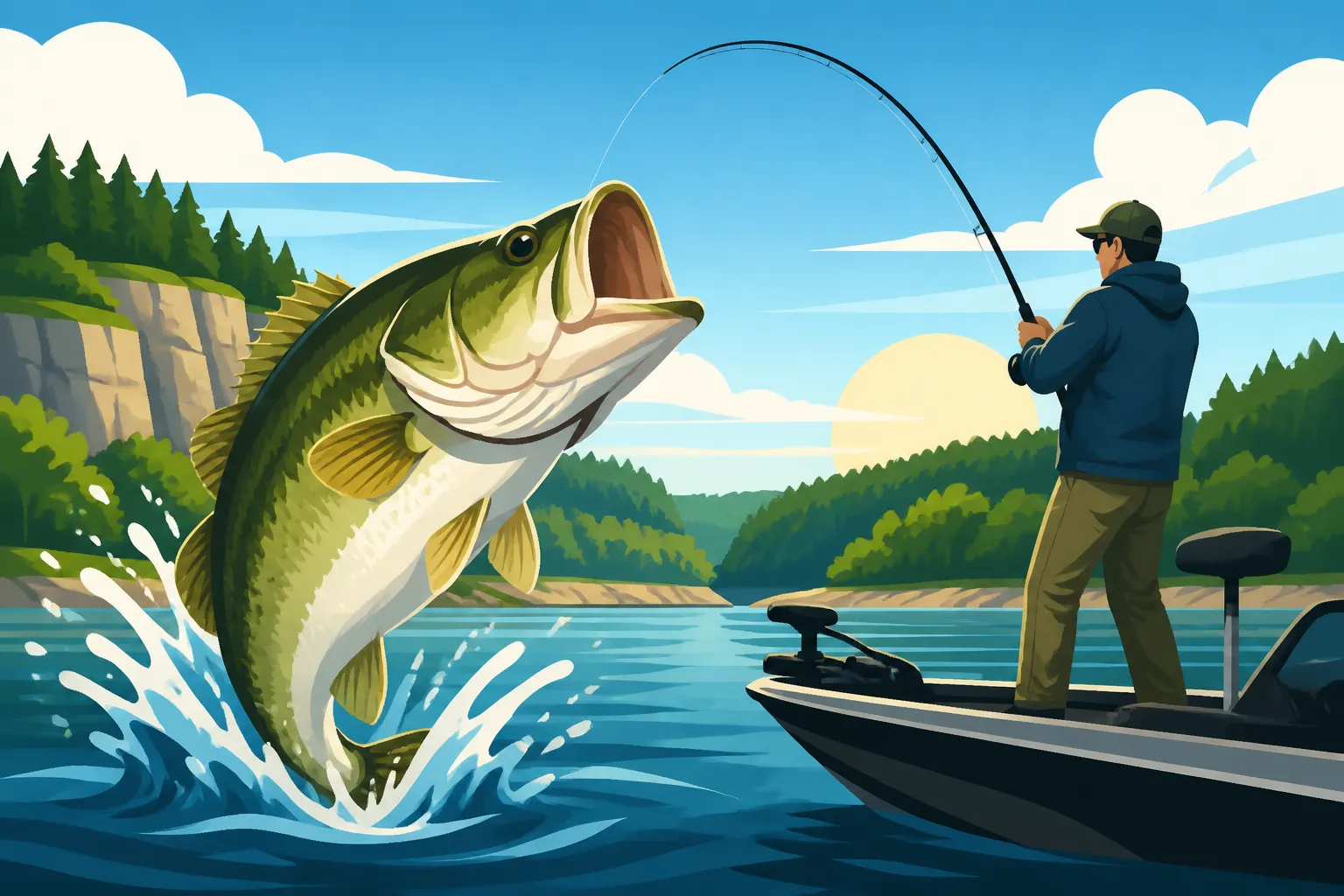
Bull Shoals Lake is a bass angler's paradise, offering excellent populations of all three major black bass species: largemouth, smallmouth, and Kentucky (spotted) bass. Each species offers a unique challenge and can be found in different habitats across the lake. Largemouth bass often inhabit the shallower, timber-laden coves and creek arms, while smallmouth prefer rocky points, bluffs, and clear-water structure in the main lake. Kentucky bass are often found schooling in open water or around transition areas.
A knowledgeable guide on Bull Shoals understands the nuances of targeting each bass species. They'll know the best topwater patterns for largemouth during the early morning bite, the ideal jerkbait or drop-shot presentation for deep smallmouth, and the most effective crankbait colors for schooling Kentucky bass. You might spend a day pitching jigs into submerged brush piles, casting spinnerbaits along rocky banks, or working a Carolina rig over deep humps, all under the expert direction of your guide. This diversity makes Bull Shoals an exciting destination for any bass angler. Don't forget to review the Arkansas Bass Spawn Fishing Guide for insights into their seasonal movements.
Crappie and Other Panfish Opportunities
While bass and stripers often steal the spotlight, both Bull Shoals and Norfork Lakes boast fantastic crappie fishing, along with healthy populations of other panfish like bluegill and sunfish. These smaller but no less delicious species are incredibly popular, especially for family trips or anglers looking for consistent action. Crappie, in particular, can be found in massive schools, offering fast-paced fishing when you locate them.
Guides are adept at finding these elusive crappie, especially during the spring spawn when they move to shallower brush and timber, or in the colder months when they stack up on deep brush piles and submerged structure. They'll employ techniques like vertical jigging with small jigs and minnows, spider rigging, or slow trolling to entice bites. Panfish, like bluegill, are often a hit with kids and beginners, found around docks, shallow cover, and accessible banks. A guide can often rig up multiple rods for different techniques, ensuring everyone in your party has a great chance to catch fish. For more on these delicious fish, consider checking out Crappie Fishing in Arkansas: Black and White Crappie Basics.
Understanding Different Guide Trip Options and Durations
Booking a fishing guide isn't a one-size-fits-all endeavor. Guides on Bull Shoals and Norfork Lakes offer a variety of trip lengths and specializations designed to cater to different budgets, time constraints, and fishing goals. Understanding these options is key to picking the perfect adventure for you and your group. From quick half-day excursions to immersive full-day hunts for trophy fish, there's a trip designed for almost every angler.
Half-Day vs. Full-Day Adventures
The most common decision you'll face is between a half-day or a full-day trip. A half-day trip typically lasts 4-5 hours, offering a concentrated burst of fishing action. These trips are often a great option for beginners, families with young children, or those on a tighter schedule. You get enough time to learn some basic techniques, catch some fish, and enjoy the scenery without committing to an entire day on the water. It’s also often a more budget-friendly option.
Full-day trips, usually 8 hours, provide a much more comprehensive experience. This extended time allows your guide to cover more of the lake, explore different fishing spots, and adapt to changing conditions throughout the day. If the morning bite is slow in one area, a full-day trip gives you the flexibility to move to another part of the lake to capitalize on a later bite. It's ideal for serious anglers who want to maximize their chances at a trophy catch, learn more advanced techniques, or target multiple species. While more expensive, the extended time often translates into a more productive and fulfilling day on the water.
Specialized Trips: Trophy Hunts and Fly-Fishing
Beyond the standard half and full-day excursions, many guides offer specialized trips tailored to specific interests. If your dream is to land a monster striped bass, some Norfork Lake guides offer "trophy striper hunts" that might focus exclusively on this goal, sometimes involving longer hours or unique timing like night fishing. These trips are designed for dedicated anglers seeking a once-in-a-lifetime catch and often command a higher price due to the specialized nature and the commitment involved.
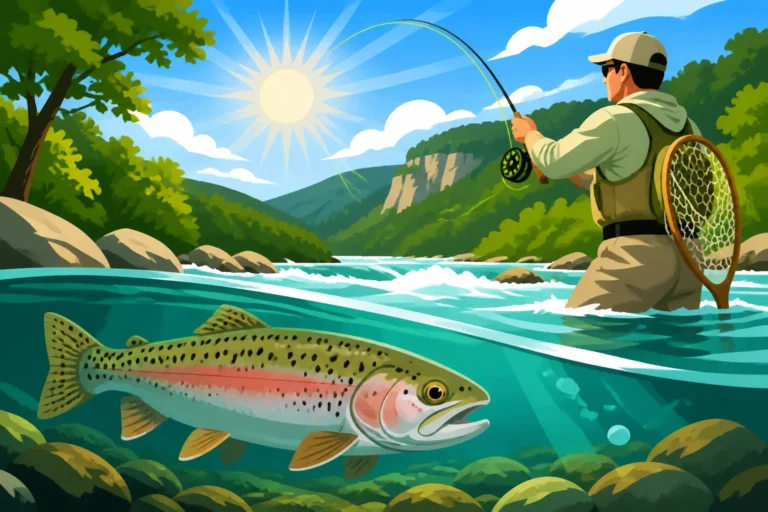
For those interested in the art of fly-fishing, particularly for the trout below the dams that create these lakes (on the White River or Norfork Tailwater), certain guides specialize in fly-fishing techniques. While Bull Shoals and Norfork themselves are primarily spin-fishing lakes for bass and stripers, the proximity to world-class trout streams means many guides in the region are versatile. If you're looking to learn fly-casting or hone your skills targeting elusive trout, seek out a guide with specific fly-fishing expertise. Always clarify with your guide if they specialize in the species and technique you are most interested in pursuing before booking.
Group Sizes and Pricing Considerations
Guide trip pricing is typically structured based on the duration of the trip (half-day vs. full-day) and the number of anglers in your party. Most guides have a base rate for 1-2 anglers, with an additional fee for each extra person, up to a maximum boat capacity (often 3-4 anglers, but some larger boats can accommodate more). It's crucial to be clear about your group size when inquiring, as exceeding a boat's safe capacity is not only illegal but also dangerous and uncomfortable.
When comparing prices, remember that a guide's fee usually covers the boat, fuel, all necessary fishing tackle, bait, and often drinks or snacks. Some guides might also include fish cleaning services. However, a fishing license is almost universally not included and is your responsibility to acquire beforehand. Keep in mind that cheaper isn't always better; an experienced, well-equipped guide who consistently puts clients on fish is worth the investment. Websites like FishingBooker often allow you to filter guides by boat capacity and see transparent pricing, making it easier to compare options. For more general cost information, check out Arkansas Fishing Charter Costs: What to Expect.
How to Choose the Right Fishing Guide for Your Trip
Finding the perfect fishing guide for your adventure on Bull Shoals or Norfork can feel overwhelming, given the number of options out there. However, a little homework upfront will pay huge dividends in ensuring you have a productive and enjoyable trip. It’s not just about finding someone with a boat; it’s about finding a compatible personality, an expert in your target species, and a professional who prioritizes safety and client satisfaction.
Researching Reputable Guides and Their Specialties
Start your search by looking for guides who specifically advertise their expertise on Bull Shoals and Norfork Lakes. Many guides specialize in certain species (e.g., trophy stripers, smallmouth bass) or techniques. If you're dead set on catching a huge striper, you wouldn't hire a guide who primarily focuses on crappie. Look for guides with years of experience on these specific waters as lake conditions and fish patterns can vary significantly even between nearby reservoirs.
Online resources are a great starting point. Websites like FishingBooker feature profiles for many guides, outlining their experience, target species, photos of past catches, and client testimonials. You can also find guides through local chambers of commerce, fishing forums, or the Arkansas Game and Fish Commission website. Pay attention to how long they’ve been guiding, their consistency, and what species they are most passionate about. A guide who truly loves what they do and the fish they chase will always provide a better experience.
Beyond online searches, consider reaching out to local bait shops, marinas, or tackle stores around Mountain Home, Bull Shoals, or Gainesville, Missouri (on the northern end of Bull Shoals). These local businesses often have relationships with the best guides in the area and can provide firsthand recommendations based on what you're looking for. Word-of-mouth is still one of the most reliable ways to find a great guide.
Essential Questions to Ask Before Booking
Once you've narrowed down your choices, don't hesitate to call or email prospective guides with a list of questions. This conversation is crucial for setting expectations and ensuring a good fit.
Here are some key questions to ask:
- What species are you primarily targeting this time of year, and what are the chances of catching them? Be realistic about expectations. A good guide will give you an honest assessment.
- What's your experience level on Bull Shoals/Norfork, and how long have you been guiding here? Look for consistency and deep local knowledge.
- What's included in the trip price (tackle, bait, drinks, snacks, fish cleaning)? What's not included (license, gratuity)? This helps avoid surprises.
- What kind of boat do you run, and what safety equipment do you have onboard? Safety should always be a priority.
- What's your cancellation policy for bad weather or unforeseen circumstances? Understanding this upfront is vital.
- Do you cater to beginners, experienced anglers, or families with children? Ensure their style matches your group.
- Do I need an Arkansas Fishing License Requirements for Guided Trips for the trip? (The answer is almost always yes, and it's your responsibility to purchase it beforehand).
Asking these questions helps you gauge the guide's professionalism, assess their suitability for your specific needs, and ensure there are no misunderstandings once you're on the water.
Reading Reviews and Getting Recommendations
In today's connected world, reviews are a powerful tool for choosing a fishing guide. Take the time to read reviews on platforms like FishingBooker, Google, and the guide's own website or social media pages. Look for consistent themes: do people praise their patience, their ability to find fish, their teaching skills, or their clean and safe boat? Pay attention to both positive and negative feedback, and how the guide responds to criticism. A guide with a high volume of positive, recent reviews is usually a strong indicator of reliability and client satisfaction.
However, don't just rely on online reviews. Reach out to friends, family, or fellow anglers who have fished these lakes. Personal recommendations often carry the most weight because they come from someone you trust. Ask them about their overall experience, what they liked or disliked, and if they would book with that guide again. Gathering information from multiple sources will give you a well-rounded picture and help you make an informed decision, leading to a much better experience out on the water. For further guidance on selecting a professional, read How to Book a Fishing Guide in Arkansas.
Preparing for Your Guided Fishing Trip in Arkansas
Once you've booked your guide, the excitement starts to build! But before you head out, there are a few important steps to take to ensure your trip is smooth, safe, and enjoyable for everyone involved. Proper preparation can make all the difference between a good trip and a truly fantastic one. It’s about more than just remembering your rod and reel; it’s about being ready for the elements, adhering to regulations, and understanding local customs.
What to Bring: Essentials and Recommendations
Your guide will likely provide all the necessary fishing gear, but there are several personal items you'll want to bring along to make your day comfortable and productive.
Here’s a checklist of essentials:
- Valid Arkansas Fishing License and Trout Permit (if needed): This is non-negotiable. Ensure you have the correct type for your residency and the species you plan to target. You can often purchase these online or at local sporting goods stores.
- Weather-Appropriate Clothing: The weather in the Ozarks can change rapidly. Layers are always a good idea, even on warm days, as early mornings can be chilly, and afternoon thunderstorms can pop up quickly. A good rain jacket is a must.
- Sun Protection: Sunscreen, a wide-brimmed hat, and polarized sunglasses are vital. The sun's reflection off the water can be intense.
- Snacks and Drinks: While some guides provide these, it’s always wise to bring your favorites, especially if you have dietary restrictions. A cooler with ice is often a good idea if the guide doesn't have one readily available for your personal items.
- Camera: You'll want to capture those trophy catches and scenic views!
- Small Bag/Backpack: To keep your personal items organized and protected from spray or rain.
- Medications: Any personal prescriptions or over-the-counter remedies you might need.
- Appropriate Footwear: Non-slip, comfortable shoes are best for boat decks. Avoid open-toed shoes if possible.
Always double-check with your specific guide about what they recommend or provide, as policies can vary. Packing smart ensures you can focus on fishing, not discomfort.
Arkansas Fishing License Requirements for Guided Trips
This is critical: you are responsible for obtaining your own valid Arkansas fishing license and any necessary permits (like a trout permit) before your guided trip. Your guide cannot legally provide one for you, and fishing without one can result in hefty fines and penalties for both you and the guide. Even if you're on a guided trip, the regulations still apply.
The type of license you need depends on your residency status (Arkansas resident vs. nonresident) and your age. For instance, children under a certain age are typically exempt, but it's always best to verify current regulations. If you plan to fish for trout on the tailwaters below the dams, you will also need a separate trout permit in addition to your general fishing license. You can usually purchase these online through the Arkansas Game and Fish Commission website, at local sporting goods stores, or even some marinas. Make sure your license is valid for the specific dates of your trip. Don't risk ruining your trip – get your license in advance! Learn more about the specific requirements by reading Arkansas Fishing License Types Explained.
Understanding Deposits, Cancellations, and Tipping Etiquette
Before finalizing your booking, ensure you understand the guide's policies regarding deposits and cancellations. Most reputable guides require a deposit to secure your date, which is standard practice. Clarify their policy on cancellations due to bad weather (e.g., severe thunderstorms, high winds) versus client cancellations. A good guide will typically work with you to reschedule in cases of unsafe weather, but a last-minute cancellation for non-weather reasons might result in forfeiture of your deposit.
Regarding tipping, it's customary to tip your fishing guide for a job well done, much like you would a server or other service professional. A general guideline is 15-20% of the total trip cost, assuming you received good service, felt safe, and the guide worked hard to put you on fish, regardless of whether the fish were biting that day. If your guide went above and beyond – for example, being exceptionally patient with children, teaching you new techniques, or working tirelessly in tough conditions – a more generous tip is always appreciated. Handing the tip directly to the guide at the end of the trip is usually the best approach. It's a way to show your appreciation for their hard work, local knowledge, and dedication to ensuring you have a great time.
The Best Times of Year to Book a Guide on Bull Shoals and Norfork
Understanding the seasonal patterns of fish is crucial for planning a successful fishing trip, especially with a guide. Bull Shoals and Norfork Lakes offer year-round fishing opportunities, but the target species and techniques often change dramatically with the seasons. Consulting with your guide about the best time for your specific goals is always recommended, as they have their finger on the pulse of the lakes' conditions.
Seasonal Strategies for Bass and Stripers
Spring (March-May): This is often considered prime time, especially for bass. As water temperatures rise, both largemouth and smallmouth bass move shallower for their spawning rituals. A guide can navigate you to productive coves and pockets where bass are bedding or actively feeding in preparation for the spawn. Stripers on Norfork also become very active, often feeding aggressively as they move towards shallower water.
Summer (June-August): The heat of summer pushes many fish, especially stripers and larger bass, into deeper, cooler water. This is when deep-water fishing techniques become paramount. Guides will use electronics to locate schools of fish on submerged humps, points, and creek channels. Early mornings and late evenings can also be productive for topwater action. While challenging, summer can yield some truly massive stripers from the depths of Norfork.
Fall (September-November): Many anglers consider fall a fantastic time for both bass and stripers. As water temperatures cool, baitfish move shallower, and predatory fish follow, feeding heavily in preparation for winter. This "fall bite" can be explosive, with fish often actively chasing bait near the surface. Guides will focus on creek arm points, main lake points, and areas where shad are schooling.
Winter (December-February): Don't dismiss winter! While colder, it can be an excellent time for targeting trophy fish, especially on the White River tailwaters for trout, and often for larger bass and stripers in the main lakes. Fish often congregate in specific deep areas, making them easier to locate with good electronics. While fewer fish may be caught, the average size can be impressive. Bull Shoals and Norfork rarely freeze over entirely, offering open water fishing year-round.
Adapting to Weather and Water Conditions
A great fishing guide doesn't just know the seasons; they understand how to adapt to the daily and even hourly changes in weather and water conditions. Cold fronts, warm fronts, sudden rains, sunny skies, wind, and calm conditions all impact fish behavior. Water levels can fluctuate, and water clarity can change dramatically after heavy rains.
Your guide will be constantly assessing these factors and adjusting their strategy. For example, after a cold front, fish might move deeper and be less aggressive, requiring slower presentations. On a cloudy, drizzly day, a topwater bite might extend longer than on a bright, sunny one. They'll also monitor generation schedules at the dams, which can create current and influence fish activity, particularly on the Norfork Tailwater or White River which connect to these lakes. This ability to adapt is a key advantage of hiring a professional, as they can pivot to maintain a productive day despite what Mother Nature throws your way.
Planning Around Peak Seasons and Events
While you can fish these lakes year-round, certain times of year are simply busier than others. Spring and fall are generally considered peak seasons for overall fishing activity. If you plan to visit during these times, especially around holidays or school breaks, it’s highly recommended to book your guide well in advance – sometimes months ahead of time. Popular guides get booked up quickly.
Consider planning your trip for slightly off-peak times if you prefer fewer crowds on the water, or if your schedule allows. For example, weekdays in the spring or fall can offer excellent fishing with less boat traffic. If you're hoping to experience a specific event, like a major bass tournament, discuss this with your guide. They might be able to offer insights into how the tournament pressure might affect fishing or recommend areas away from the crowds. Using platforms like FishingBooker allows you to see a guide's availability calendar, helping you plan around their busy schedule and your own.
Here's a quick comparison of general seasonal targets for Bull Shoals and Norfork:
| Season | Primary Target Species (Bull Shoals) | Primary Target Species (Norfork) | General Strategy |
|---|---|---|---|
| Spring | Largemouth, Smallmouth, Kentucky Bass (Spawning) | Striped Bass, Largemouth Bass (Pre-spawn) | Shallow to mid-depths, reaction baits, live bait |
| Summer | Largemouth, Smallmouth, Kentucky Bass (Deep Structure) | Striped Bass (Deep Open Water), Walleye | Deep jigging, trolling, early/late topwater |
| Fall | Largemouth, Smallmouth, Kentucky Bass (Feeding Frenzy) | Striped Bass (Following Bait), Walleye | Shallow to mid-depths, chasing baitfish |
| Winter | Largemouth, Smallmouth, Kentucky Bass (Deep Holes) | Striped Bass (Deep Open Water), Crappie | Slow presentations, vertical jigging, live bait |
Beyond the Catch: The Overall Experience of a Guided Trip
While catching fish is undeniably a huge part of any guided trip, the experience extends far beyond just what you reel in. A day on the water with a knowledgeable guide on Bull Shoals or Norfork is an opportunity for learning, relaxation, and creating unforgettable memories. It's an investment in a richer angling life, not just a day's worth of fish.
Learning New Techniques and Fishing Smarter
One of the most valuable aspects of hiring a guide is the educational opportunity it presents. A good guide isn't just there to catch fish for you; they're there to teach you how to catch fish yourself. They'll share insights into reading the water, understanding fish behavior, selecting the right lures or baits for specific conditions, and perfecting various casting and retrieve techniques. You might learn the subtle art of feeling a light bite on a shaky head, how to properly work a jerkbait for suspended smallmouth, or the intricacies of presenting a live bait to a deep striper.
This hands-on instruction is invaluable, especially for anglers looking to improve their skills. You get immediate feedback, personalized tips, and the chance to practice new methods under expert supervision. Many anglers find that a single guided trip teaches them more than months of trial and error on their own. These lessons can then be applied to your future fishing endeavors, making you a more confident and successful angler long after the trip is over. It truly helps you fish smarter.
Enjoying the Scenery and Relaxation
Let's not forget that Bull Shoals and Norfork Lakes are stunningly beautiful reservoirs nestled in the heart of the Ozark Mountains. A guided trip allows you to fully immerse yourself in this natural beauty without the stress of navigating, finding fishing spots, or constantly monitoring your equipment. You can relax, take in the breathtaking bluffs, lush forests, and crystal-clear waters, and simply enjoy being out in nature.
Your guide handles all the logistics, from launching the boat to navigating unfamiliar waters and ensuring everyone's safety. This freedom from responsibility lets you unwind, de-stress, and simply enjoy the tranquility of the lake. It's a chance to escape the daily grind, breathe in the fresh air, and appreciate the serene wilderness that makes these Arkansas lakes so special. The focus shifts from the pressure of catching fish to the pure joy of the outdoor experience. For ideas on where to simply relax and enjoy the scenery, consider exploring Best Fishing Spots in Arkansas.
Creating Lasting Memories with Friends and Family
Finally, a guided fishing trip is an incredible way to create lasting memories with loved ones. Whether it's a father-son outing, a girl's trip, a corporate retreat, or just a day out with friends, sharing the excitement of a big catch, the beauty of a sunrise over the water, or simply the laughter and camaraderie on the boat makes for truly unforgettable moments. For beginners and kids, a guided trip can ignite a lifelong passion for fishing, as the guide's expertise dramatically increases their chances of success and enjoyment.
Imagine the stories you'll tell and the photos you'll share from a day spent landing trophy fish or simply enjoying the peacefulness of the Ozarks. These experiences become cherished memories that last a lifetime, fostering bonds and creating traditions. Many families make a guided trip an annual event, returning to the same guide year after year to relive the fun and make new memories. It’s more than just fishing; it’s an adventure that brings people together.
Disclaimer
This article is for general informational purposes only and does not constitute professional advice. Laws, prices and regulations vary by location and change over time. Consult a qualified professional for guidance on your specific situation.