Arkansas Fishing Charter Costs: What to Expect
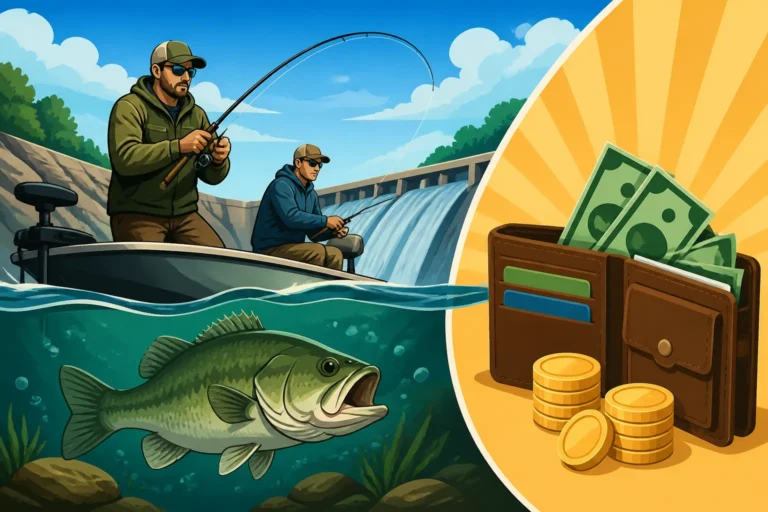
Deciding to book an Arkansas fishing charter is an exciting step, but for many folks, the first thought that often bubbles up is, "How much is this actually going to cost me?" It's a completely valid question, and the uncertainty can sometimes feel like trying to land a trophy bass on a flimsy ultralight rod – frustrating and a bit daunting! You might be worried about hidden fees, whether you're getting a fair price, or if the experience will truly be worth the investment. This comprehensive guide is designed to demystify the costs associated with Arkansas fishing charters, helping you understand what to expect and how to budget for your perfect angling adventure in the Natural State.
Understanding the Factors That Influence Arkansas Fishing Charter Costs
When you start looking into booking a fishing charter in Arkansas, you'll quickly notice that prices aren't one-size-fits-all. It's not like buying a gallon of milk where the price is fairly standard from store to store. Instead, several key elements come into play that can dramatically shift the final cost. Think of it like planning a road trip: the cost changes significantly depending on how far you're going, how many people are in the car, and what kind of vehicle you're driving. Fishing charters operate with similar variables, all contributing to the price tag.
Trip Duration: Half-Day vs. Full-Day Adventures
One of the most obvious factors affecting the cost of an Arkansas fishing charter is simply how long you plan to be out on the water. Just like any service, more time translates to a higher price, reflecting the guide's time, fuel consumption, and general operational expenses. You'll typically find two main options: half-day trips and full-day trips.
A half-day trip, which usually runs anywhere from four to five hours, is often the more budget-friendly option. This duration is fantastic for beginners, families with younger children who might have shorter attention spans, or those simply looking for a quick taste of what a particular fishery has to offer without committing to an entire day. It's a great way to experience a guided trip without a huge financial outlay, allowing you to gauge if guided fishing is for you. While shorter, these trips are still packed with action and learning opportunities. For example, a Half-Day White River Trout Trips in Arkansas can give you an amazing introduction to the renowned tailwater.
On the other hand, a full-day trip typically spans seven to nine hours, providing a more immersive and extensive angling experience. Naturally, these trips come with a higher price point, but they also offer significant advantages. A longer day allows your guide to cover more water, explore diverse fishing spots, and adapt to changing conditions. If the bite is slow in the morning, a full-day trip gives you the luxury of moving around, trying different techniques, and waiting for the fish to become more active. It’s ideal for serious anglers who want to maximize their chances of catching a trophy or simply want to spend more quality time enjoying the sport. For instance, a Full-Day White River Trout Trip Cost for Two Anglers in Arkansas will give you ample time to really learn the nuances of the river.
Number of Anglers in Your Group
Another significant cost driver is the size of your fishing party. Most Arkansas fishing guides price their trips based on a base rate for one or two anglers, with an additional charge for each extra person beyond that initial count. This makes perfect sense when you consider the logistics involved: more people mean more gear, more bait, more space needed on the boat, and simply more hands-on attention from the guide.
For a solo angler or a pair of fishing buddies, the base rate is what you'll primarily be looking at. If you're planning a trip with a larger family or a group of friends, say three or four people, you'll need to factor in those per-person add-on fees. It's important to be upfront with your guide about your group size when booking, as some boats have strict capacity limits due to safety regulations and comfort. A guide running a small drift boat on a trout stream might only comfortably accommodate two anglers, while a larger bass boat on a lake could easily handle three, and some pontoon-style boats for crappie or striper fishing might even take four or five. FishingBooker, for example, often clearly lists the maximum number of anglers allowed and the pricing structure.
While the per-person charge increases the overall trip cost, it can sometimes make an expensive full-day trip more accessible. For instance, if a trip costs a certain amount for two people, and adding a third person only costs a fraction of that initial amount, splitting the total cost among three anglers can actually make it more affordable per person than if only two people went. It’s a great way for groups to share the experience and the expense.
Type of Fishing and Target Species
The specific type of fishing you want to do and the species you're hoping to catch also play a considerable role in shaping charter costs. Different fish require different equipment, techniques, and often, different bodies of water, all of which impact the guide's operational overhead.
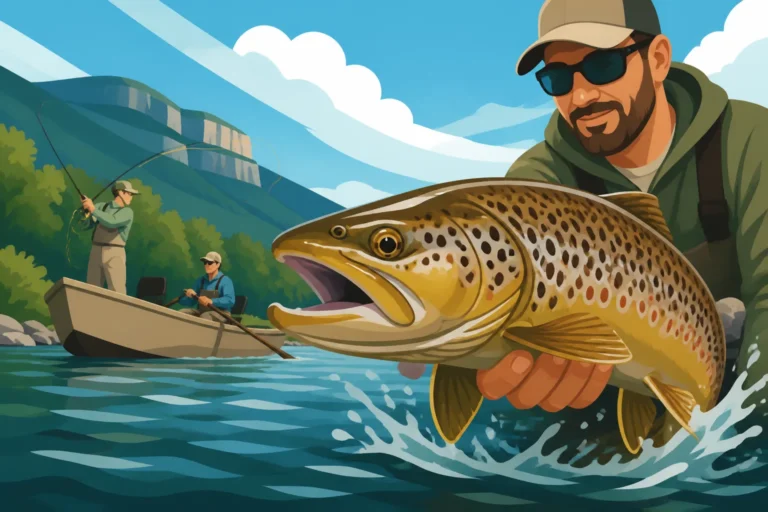
For example, specialized trout fishing on the famed White River or Norfork Tailwater often involves specific gear like fly rods and delicate fly patterns, or even drift boat setups for navigating the currents. Guides specializing in these waters have invested heavily in this equipment and developed years of expertise in reading the subtle nuances of cold-water trout behavior. This specialization can sometimes lead to slightly higher rates compared to a more general bass or crappie trip on a larger lake. Conversely, a Trophy Trout Guide Trip Cost on the White River might be at the upper end of the spectrum due to the guide's specific knowledge and effort in targeting larger, more elusive fish.
Similarly, chasing monster striped bass on Norfork Lake or Lake Hamilton requires robust gear, often larger boats equipped with advanced sonar, and significant fuel for covering vast expanses of water. Guides who consistently put clients on these powerful fish have perfected specific trolling or live bait techniques that demand specialized equipment and a deep understanding of the lake's hydrography and the stripers' migratory patterns. These highly specialized trips, such as those detailed in Arkansas Striper Guide Trips on Norfork Lake, might carry a premium due to the investment in heavier tackle and the specific expertise required. General bass or crappie fishing on a local lake, while still incredibly fun and productive, might be a bit less demanding in terms of specialized gear or boat size, and thus could fall into a slightly different price bracket.
Deconstructing Charter Costs by Popular Arkansas Fishing Destinations
Arkansas is a treasure trove of diverse fishing opportunities, from its roaring cold-water tailwaters to its vast, warm-water reservoirs. Just as the landscapes vary, so do the costs associated with hiring a fishing charter in these different regions. Each destination presents unique challenges and opportunities, influencing everything from the type of boat used to the guide's specialized expertise, and ultimately, the price you'll pay.
White River and Norfork Tailwater Trout Trips
When many anglers think of guided fishing in Arkansas, their minds often immediately jump to the world-renowned trout fisheries of the White River and Norfork Tailwater. These waters, fed by the cold releases from dams like Bull Shoals and Norfork, are legendary for their abundant rainbow and brown trout. Guided trips here are incredibly popular, and for good reason—the expertise of a local guide can be the difference between a few nibbles and a truly memorable day of tight lines.
The general cost for these trout trips tends to be in the moderate to higher range, reflecting the specialized nature of the fishing. You'll often find guides using custom-built drift boats or smaller, quiet power boats designed to navigate the currents and access prime fishing lies. These guides have an intimate knowledge of the river, understanding water generation schedules, insect hatches, and trout behavior minute by minute. What's often included in these trips are high-quality rods and reels, a wide array of specialized flies or lures, and usually, all the necessary terminal tackle. Many guides also provide water or soft drinks, and some even offer a delicious shore lunch on full-day trips, which is always a welcome treat after hours of casting. If you're looking for an eight-hour immersion into this incredible fishery, understanding the White River 8-Hour Guided Trout Trip Cost in Arkansas is a great starting point, or if you plan to extend your experience, consider the Full-Day White River Trout Trip Cost for Two Anglers in Arkansas. The knowledge and equipment they provide are invaluable for navigating these unique waters successfully.
Lake Ouachita, DeGray, and Greers Ferry Bass & Crappie Excursions
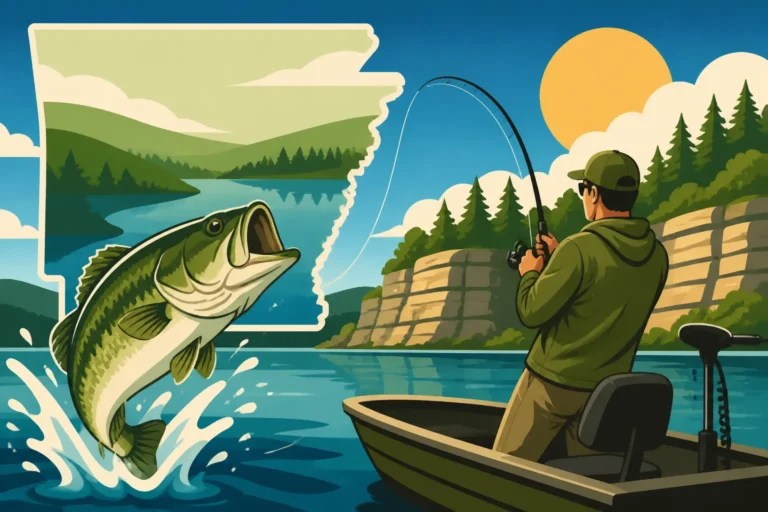
Moving away from the cold-water rivers, Arkansas boasts a spectacular collection of large, warm-water reservoirs perfect for targeting bass, crappie, and other popular game fish. Lakes like Ouachita, DeGray, and Greers Ferry are angler magnets, offering diverse structures and abundant fish populations. Guided trips on these lakes typically fall into a moderate price bracket, though this can certainly vary based on the specific target species and duration.
For bass and crappie excursions on these large impoundments, guides often operate out of high-performance bass boats or comfortable pontoon boats, depending on the fishing style. Bass boats are rigged with powerful engines for covering vast distances quickly and equipped with cutting-edge electronics to pinpoint structure and schooling fish. Pontoon boats offer more space and stability, ideal for crappie fishing with multiple anglers or for a more relaxed family outing. These trips usually include the use of quality rods, reels, and a selection of lures, soft plastics, or jigs suited for the target species. Live bait, like minnows for crappie, might be an extra charge if not explicitly stated, so it's always good to confirm. Exploring the options for Guided Bass Fishing Trips on Lake Ouachita or searching for a guide on FishingBooker for a crappie trip on DeGray Lake will show you a range of choices, all designed to put you on the fish in comfort and style.
Norfork Lake and Lake Hamilton Striper Charters
For those seeking an adrenaline rush and the chance to battle truly massive fish, Arkansas's striped bass fisheries on lakes like Norfork and Hamilton are legendary. These powerful, open-water predators require a specialized approach, and guided striper charters typically represent the higher end of the pricing spectrum for Arkansas fishing trips. The investment is usually well worth it for the opportunity to catch a fish that could easily weigh dozens of pounds.
Striper guides on these lakes operate large, robust boats equipped with powerful motors, deep-cycle batteries to run trolling motors all day, and sophisticated sonar and live-imaging technology. They employ heavy-duty tackle – often stout rods and large conventional reels spooled with strong line – capable of handling a hard-fighting striped bass. What truly sets these trips apart is the guide's specialized knowledge of striper migration patterns, baitfish movements, and deep-water techniques, which they've often spent decades perfecting. They'll know precisely when and where to deploy downriggers, planer boards, or simply present large live bait, such as gizzard shad or threadfin herring, to entice these elusive giants. For serious anglers, understanding the specifics of Arkansas Striper Guide Trips on Norfork Lake is key, as these charters are designed for an intense and rewarding pursuit, promising a real challenge and the potential for a fish of a lifetime.
What's Typically Included and What's Extra on an Arkansas Fishing Charter
One of the biggest concerns for anyone considering a fishing charter is understanding exactly what their money covers and what additional costs they might encounter. Nobody likes surprises, especially when they come in the form of unexpected fees at the end of a great day on the water. Reputable Arkansas fishing guides are usually very transparent about their pricing, but knowing what questions to ask and what to expect can save you a lot of guesswork and potential frustration.
Standard Inclusions You Can Expect
When you book an Arkansas fishing charter, you can generally expect a solid package of inclusions that make your trip hassle-free. The core of any guided trip is, of course, the guide's expertise. You're paying for their invaluable local knowledge—their understanding of the water, the fish, and the best techniques for success on that particular day. They'll bring you to the prime spots, instruct you on the best presentations, and generally work tirelessly to put you on fish.
Beyond the guide themselves, the essentials are typically covered. This almost always includes the boat, which will be well-maintained and suited for the specific type of fishing, along with all the necessary fuel. Quality fishing rods, reels, and a diverse selection of tackle, lures, or flies are also standard. This means you don't have to worry about hauling your own gear or scrambling to buy specific baits; the guide has already made that investment and has everything ready to go. Many guides will also provide basic safety equipment, such as life vests, and often include bottled water or soft drinks to keep you hydrated throughout your adventure. To confirm what's provided, it's always a good idea to check if Do Arkansas Fishing Guides Provide Rods and Tackle? is specifically mentioned in their booking information, or simply ask when you inquire.
Common Extras and Hidden Costs to Consider
While guides generally provide a great package, there are a few common expenses that are almost universally not included in the charter price. The most critical of these is your Arkansas fishing license and any necessary permits, like a trout permit for fishing specific cold-water streams. It is your responsibility to obtain these before your trip. The guide cannot provide them, and you risk a fine if you're caught fishing without the proper documentation. This is a non-negotiable item, and information on how to acquire one can be found in resources like Arkansas Fishing License Rules and Costs or Do You Need an Arkansas Fishing License for a Guided Trip?.
Another potential extra might be specific live bait. While some guides include a basic amount of live bait, if you're targeting species that require large quantities or very specific types of bait (like big shad for trophy stripers, or a boatload of minnows for crappie), there might be an additional charge. It's always best to clarify this beforehand. Lunch is another item that varies; some full-day trips include a packed lunch or a shore lunch, while others expect you to bring your own. Lastly, and perhaps most importantly, is tipping your fishing guide. This is a significant part of the guide's income and is customary in the industry, though rarely built into the upfront price. We'll dive deeper into tipping etiquette in the next section, but expect it as an additional cost to factor into your budget, typically 15-20% of the trip cost, as discussed in How Much to Tip a Fishing Guide in Arkansas.
Navigating Booking and Payment: Deposits, Cancellations, and Tipping Etiquette
Booking a fishing charter shouldn't be a nerve-wracking experience, but understanding the financial commitments, policies, and industry norms is crucial. From securing your date with a deposit to knowing what happens if plans change, and finally, showing appreciation for your guide's hard work, these aspects are just as important as knowing what fish you're after. Being prepared for these steps will ensure a smooth and enjoyable booking process and trip.
Deposits and Booking Policies
When you decide to book an Arkansas fishing charter, almost every reputable guide or outfitter will require a deposit to secure your chosen date. This isn't just a formality; it serves a crucial purpose for the guide. A deposit ensures that you're committed to the booking, and it compensates them if they turn away other potential clients for your reserved day. It also covers some of their initial preparation costs, like pre-fishing scouting or purchasing specialized bait.
Typical deposit amounts can vary, but often range from 25% to 50% of the total trip cost. This payment is usually processed when you confirm your booking, and the remaining balance is paid on the day of the trip, either before or after you return to the dock. Many guides now use online booking platforms, like FishingBooker, which makes the deposit process secure and straightforward, offering clear terms and conditions right there for you to review. Always make sure you receive a confirmation of your deposit and booking details. This early commitment is important, especially if you're trying to secure a prime date during peak season. Asking about How Far in Advance to Book a White River Guide Trip is a smart move, as popular guides often book up months in advance.
Understanding Cancellation and Rescheduling Policies
Life happens, and sometimes, even the best-laid fishing plans need to change. This is why understanding a charter's cancellation and rescheduling policy is so incredibly important. While it's a conversation nobody likes to have, being clear on the terms upfront can save you a lot of headache and potential financial loss later. Most guides have policies in place to protect both their business and your investment.
A common scenario where cancellation policies come into play is inclement weather. Reputable guides will always prioritize your safety. If the weather forecast calls for dangerous conditions (like severe thunderstorms, high winds, or unsafe water levels), your guide will likely offer to reschedule your trip or, if rescheduling isn't possible, provide a full refund of your deposit. However, "inclement weather" usually doesn't mean just a little rain; guides fish in all sorts of conditions, and often, some of the best fishing happens on cloudy or drizzly days. If you cancel simply because you don't want to get wet, you might forfeit your deposit. If you have to cancel for personal reasons (illness, unexpected events), most guides require a minimum notice period (e.g., 7-14 days) for a deposit refund or reschedule. If you cancel within that window, your deposit might be non-refundable. Knowing What Happens to Your Deposit If You Cancel a Fishing Trip in Arkansas is crucial before you commit.
Tipping Your Guide: The Unspoken Standard
This is perhaps the most overlooked, yet universally expected, "extra cost" in the guided fishing industry. Tipping your fishing guide is not just a kind gesture; it's a deeply ingrained custom, similar to tipping in a restaurant. Guides work incredibly hard – often spending hours before and after your trip preparing, cleaning, and maintaining gear and their boat, in addition to the actual time on the water. They are sharing their honed skills, deep knowledge, and passion, and a good tip reflects your appreciation for their effort and the quality of the experience.
The standard tipping rate in Arkansas, and across the guiding industry, typically ranges from 15% to 20% of the total trip cost. If your guide went above and beyond, truly put you on fish, offered excellent instruction, or made the day particularly enjoyable, a 20% tip is a fantastic way to show your gratitude. Even on slower fishing days, if the guide worked diligently, stayed positive, and provided excellent service, a 15% tip is still appropriate. It's often best to tip in cash at the end of the trip, directly to the guide. This ensures they receive the full amount instantly. Many new anglers might wonder Is Tipping Expected on a Guided Fishing Trip?, and the answer is a resounding yes; it's an essential part of the etiquette and professional compensation in this field.
Comparing Value: When is a Charter Worth the Cost?
Looking at the numbers alone, an Arkansas fishing charter might seem like a luxury. You might think, "I could buy a lot of lures for that price!" And you wouldn't be wrong. However, the value of a guided trip extends far beyond the monetary cost of bait and tackle. For many anglers, both seasoned veterans and complete novices, a charter offers an unparalleled experience that simply can't be replicated by going it alone. It's about buying an experience, expertise, and a significant reduction in the frustrations that often come with fishing unfamiliar waters.
Expertise, Equipment, and Local Knowledge
Imagine rolling up to a new lake or river you've never fished before. You might spend hours, if not an entire day, just trying to figure out where to launch your boat, where the fish might be, and what bait they're even interested in. Most of that time is spent scouting, searching, and potentially coming up empty-handed – time that could have been spent with a rod in your hand. This is where the profound value of a fishing guide shines.
A professional Arkansas fishing guide has dedicated countless hours, often decades, to understanding their local waters. They know the seasonal patterns, the best lures for specific conditions, and the exact structures where fish are likely to hold. They also constantly network with other guides and stay on top of daily reports to ensure they're always putting you in the best possible position to catch fish. You're not just paying for a boat ride; you're leveraging years of hard-won experience and up-to-the-minute intelligence. Plus, they arrive with top-of-the-line equipment, meaning you don't need to invest hundreds or thousands in specialized rods, reels, and electronics yourself. That kind of Local Knowledge That Sets Arkansas Fishing Guides Apart is truly invaluable.
Convenience for Beginners and Out-of-State Anglers
For beginners, the world of fishing can feel overwhelming. What kind of rod do I need? What knot do I tie? Where do I even start? A guided trip eliminates all of these anxieties, offering a low-pressure, high-learning environment. The guide handles all the logistics, from baiting hooks to netting fish, allowing newcomers to focus solely on the joy of fishing and learning fundamental skills. They provide patient instruction, demonstrate proper casting techniques, and help you understand fish behavior, making it an ideal entry point into the sport.
Similarly, out-of-state anglers visiting Arkansas often face a steep learning curve. They might not be familiar with local regulations, specific hot spots, or the subtle nuances of Arkansas's diverse fisheries. A charter streamlines the entire experience, transforming what could be a frustrating guessing game into a productive and enjoyable outing. The guide provides all the necessary gear and knows the regulations inside and out, ensuring a legal and successful trip. For those taking their First-Time Guided Fishing Trip Tips for Arkansas, the convenience and educational aspect are huge benefits. Remember, even if you're with a guide, you still need your own Arkansas Fishing License Requirements for Out-of-State Anglers!
Family and Group Trips: Maximizing the Experience
Planning a fishing trip with family or a group of friends can be complicated. If one person is constantly busy navigating the boat, rigging lines, or dealing with tangles, they might miss out on the fun themselves. A fishing charter transforms group outings into truly shared experiences, allowing everyone to relax, enjoy the scenery, and focus on catching fish.
Guides are adept at tailoring trips to suit various skill levels and interests within a group. They can help a young child cast their first line while simultaneously assisting a more experienced angler with a tricky presentation. They manage the safety, keep spirits high, and often share local stories and insights that add to the overall enjoyment. This makes it a fantastic option for creating lasting memories, especially for children. Instead of one parent being constantly occupied with boat and gear management, everyone, including the parents, gets to actively participate and bond over the fishing experience. Many guides specialize in Best Guided Fishing Trips for Families in Arkansas, ensuring a memorable and stress-free adventure for all ages.
Smart Strategies for Finding and Booking an Affordable Arkansas Fishing Charter
While a fishing charter is an investment, there are smart ways to approach the booking process to ensure you get the best value for your money. You don't always have to break the bank to have a fantastic guided fishing experience in Arkansas. By doing a little homework, being flexible, and understanding how to leverage group dynamics, you can make that dream trip a realistic and affordable reality.
Researching and Comparing Different Guides
The first and arguably most important step in finding an affordable and high-quality charter is thorough research. Don't just pick the first guide you find online. Take the time to compare multiple guides, their offerings, and their pricing structures. Websites like FishingBooker are excellent resources for this, as they allow you to browse various guides in a specific area, view their profiles, see what species they target, and compare their rates side-by-side.
When researching, pay close attention to customer reviews. Reviews offer invaluable insights into a guide's professionalism, fishing success, personality, and overall trip experience. Look for consistent positive feedback regarding their communication, equipment, and ability to cater to different skill levels. It's also wise to check what certifications or affiliations a guide might have, as this often speaks to their commitment to safety and professional standards. Asking around among local anglers or at bait shops can also yield excellent recommendations. Essentially, you're trying to figure out How to Choose a Fishing Guide in Arkansas that aligns with your budget and expectations.
Considering Off-Peak Seasons or Shorter Trips
Flexibility can be your best friend when trying to reduce charter costs. While peak fishing seasons (often spring and fall) offer some of the best angling opportunities, they also tend to be the most expensive and heavily booked times. Considering a trip during the "shoulder seasons" (late winter, early summer) or even during the actual off-peak months might present some savings. While fishing patterns might be different, a good guide will still know how to find fish, and you'll likely encounter fewer crowds on the water.
Another excellent strategy for budget-conscious anglers is to opt for a shorter trip. As we discussed earlier, half-day charters are naturally less expensive than full-day excursions. A Half-Day White River Trout Trips in Arkansas, for instance, offers a fantastic taste of the famed trout fishery without the higher price tag of an all-day adventure. These shorter trips are perfect for those with limited time, beginners, or families, providing a memorable experience without a significant financial commitment. Sometimes, even a slightly shorter 6-hour full-day trip versus an 8-hour one can shave off a noticeable amount.
Understanding Group Rates and Splitting Costs
Fishing charters often have a base rate that covers one or two anglers, with an additional per-person fee for each extra guest up to the boat's capacity. While this means the total cost for a larger group goes up, it can significantly reduce the per-person cost if you're able to divide the expense among several people.
For example, if a full-day trip costs a certain amount for two anglers and an additional amount for a third, the overall trip fee might look substantial. However, if you're able to split that total cost three ways, each individual's contribution could be much more manageable than if only two people were paying. This makes group trips incredibly appealing for families or a few friends who want to share the adventure without each person shouldering the full expense. It's a simple yet effective way to experience a high-quality guided trip without breaking the bank.
Common Misconceptions About Fishing Charter Pricing
It's easy to look at the price tag of an Arkansas fishing charter and jump to conclusions, especially if you're new to guided trips. Many people hold common misconceptions about what that cost actually entails, often undervaluing the service and expertise they're about to receive. Clearing up these misunderstandings can help you better appreciate the value of your investment and ensure you go into your trip with realistic expectations.
"It's Just a Boat Ride" Mentality
Perhaps the most pervasive misconception is viewing a fishing charter as simply "a boat ride." This couldn't be further from the truth. While you are indeed on a boat, the vessel itself is merely a tool. What you're primarily paying for is the guide's comprehensive suite of skills, knowledge, and hard work. Think about it: a doctor's office visit isn't just about sitting in a chair; it's about the doctor's years of training and diagnostic abilities.
An Arkansas fishing guide is a trained professional. They are navigators, meteorologists, mechanics, fish biologists, casting instructors, knot-tying experts, and often, engaging storytellers. They spend countless hours scouting new spots, maintaining their expensive equipment, and staying current on regulations and fishing patterns. They monitor water conditions, understand fish behavior, adapt strategies throughout the day, and work tirelessly to put you on fish. They handle all the frustrating aspects of fishing – tangles, retying lines, dealing with snags – allowing you to simply enjoy the act of fishing. It's truly a full-service experience designed to maximize your chances of success and enjoyment, making it much more than just a trip out on the water.
Expecting Trophy Fish Every Time
Another common pitfall is the expectation that booking a charter guarantees a boatload of trophy fish. While guides are experts at increasing your odds and putting you in the best possible position, fishing is, at its core, an unpredictable sport. There are countless variables – weather changes, water fluctuations, fish moods, and sheer luck – that are beyond anyone's control. Even the most seasoned guide can't force the fish to bite.
What a professional guide does guarantee is an honest effort, their best judgment, and the application of their extensive knowledge to maximize your chances. They will work tirelessly to find active fish and adapt techniques if the initial plan isn't working. The value of a charter lies in the pursuit and the experience, not solely in the size or number of fish caught. Many anglers find immense satisfaction in the learning process, the beautiful scenery, the camaraderie with their guide, and the simple joy of being out on the water, even if the fish aren't cooperating. It's important to set realistic expectations and appreciate the entire adventure.
Overlooking the Value of Time Saved and Stress Reduced
For many people, their time is a precious commodity. Weekends might be the only chance they get to pursue hobbies, and spending hours on logistics rather than enjoyment can be a major detractor. This is where the value proposition of a fishing charter truly shines, yet it's often overlooked.
Consider the alternative: If you were to fish on your own, you'd need to research where to go, acquire or transport all your gear, buy bait, launch a boat, navigate unfamiliar waters, figure out the best techniques, and then deal with cleaning up everything afterward. That's a significant amount of effort and planning. A fishing charter completely eliminates this stress. You simply show up at the designated time, step onto a ready-to-go boat, and let the expert handle everything else. All the time you would have spent on prep and logistics is freed up for pure angling enjoyment. This reduction in stress, coupled with the efficiency of having an expert guide you directly to the action, is an intangible but incredibly significant part of the charter's value, especially for those who want to maximize their precious leisure time.
| Trip Type | Typical Duration | Cost Range (Shape) | Key Inclusions (Often) | Common Exclusions (Often) | Best For |
|---|---|---|---|---|---|
| Half-Day Trout Float (White River) | 4-5 hours | Moderate | Rods, reels, flies, guide, water | License, lunch, tips, waders | Quick trips, beginners, families, budget-conscious |
| Full-Day Trout Float (White River) | 7-9 hours | Higher | Rods, reels, flies, guide, some drinks, often shore lunch | License, tips, waders | Immersive experience, serious anglers, covering more water |
| Half-Day Bass/Crappie (Lake) | 4-5 hours | Moderate | Boat, fuel, rods, reels, some lures/bait, guide, water | License, specific live bait, lunch, tips | Family fun, targeting specific species, exploring new lakes |
| Full-Day Bass/Crappie (Lake) | 7-9 hours | Higher | Boat, fuel, rods, reels, lures/bait, guide, water | License, specific live bait, lunch, tips | Serious anglers, covering diverse spots, trophy pursuit |
| Striper Charter (Norfork/Hamilton) | 6-8 hours | Higher to Premium | Specialized boat, heavy tackle, guide, water | License, specific live bait (large shad), lunch, tips | Trophy hunters, specialized techniques, powerful fights |
Disclaimer
This article is for general informational purposes only and does not constitute professional advice. Laws, prices and regulations vary by location and change over time. Consult a qualified professional for guidance on your specific situation.