How to Book a Fishing Guide in Arkansas
You’ve finally decided to experience the magic of fishing in Arkansas, whether it's the famed trout waters of the White River, the booming bass fisheries of Lake Ouachita, or the monster stripers of Norfork Lake. But where do you even begin? The sheer number of lakes, rivers, species, and techniques can feel overwhelming, especially if you're not a local. This guide is designed to cut through the confusion and walk you through every step of booking an Arkansas fishing guide, ensuring your trip is less about guesswork and more about reeling in memories.
Why Consider a Fishing Guide in Arkansas?
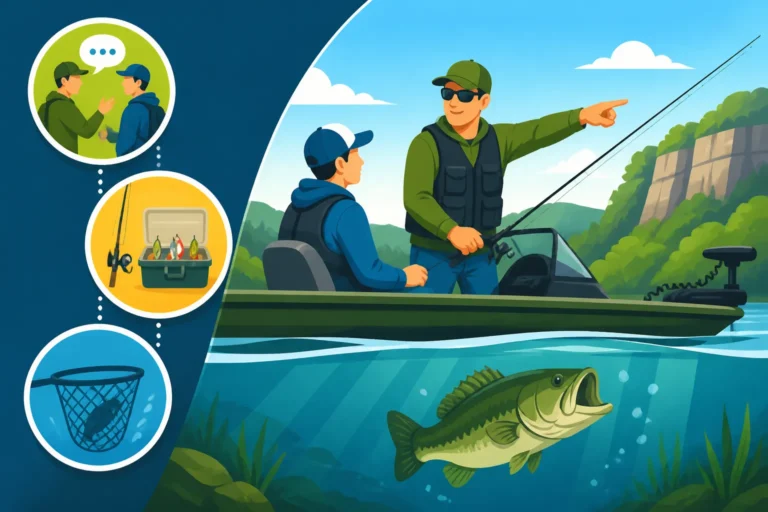
Let's be honest, standing on the bank or cruising unfamiliar waters, trying to figure out where the fish are hiding, what they’re biting on, and if you’re even allowed to keep them, can take all the fun out of a trip. This is where an Arkansas fishing guide becomes your best friend on the water. They’re not just boat drivers; they’re local experts, educators, and often, incredible storytellers who can transform a hopeful outing into a genuinely productive and enjoyable experience.
Tapping into Local Expertise
One of the biggest frustrations anglers face in new territory is the unknown. You might have heard whispers of a certain lake or river, but knowing the precise spots, the subtle changes in fish behavior with the seasons, or even just the best bait to use on a given day, is truly an art form. Arkansas guides spend countless hours on their specific bodies of water, accumulating a wealth of knowledge that you simply can't glean from a quick internet search.
They know the nuances – for instance, where the brown trout are staging on the White River after a generation schedule change, or which brush piles on Lake Conway are holding crappie when the water temperature hits that magic number. This isn’t just about putting you on fish; it’s about understanding the entire ecosystem and applying years of experience. They’ve seen every condition, from low, clear water to a sudden cold front, and they adapt instantly. This kind of deep, hyper-local insight can be the difference between a frustrating day and a fantastic one. They can guide you through the intricacies of Arkansas Fish Species: A Complete Guide to What's Swimming in Your Waters and help you understand their patterns.
Maximizing Your Fishing Time and Success
For many of us, fishing trips are precious, limited commodities. Whether it's a weekend getaway or a planned vacation, you want every moment on the water to count. A guide eliminates all the logistical headaches. You don't have to worry about launching a boat at an unfamiliar ramp, navigating tricky channels, or spending half your morning trying to find the right depth. The guide handles all of that.
They provide the rods, reels, tackle, and often, the live bait, all chosen for the specific conditions and target species of the day. This means less time rigging and more time fishing. For visitors, especially those coming from out of state, a guide ensures you're spending your valuable time with a line in the water, not fumbling with maps or trying to decipher complicated regulations. It’s an investment in efficiency and, more often than not, a significantly higher catch rate. Plus, they can make sure you’re squared away with your Arkansas Fishing License Requirements for Guided Trips before you even hit the water.
Learning New Techniques and Exploring New Waters
Perhaps you're a seasoned angler, but you want to try fly fishing for the first time, or maybe you're curious about deep-water jigging for stripers. Guides are not just about catching fish; they are often excellent teachers. They can demonstrate proper casting techniques, explain why a certain lure works better in specific conditions, or teach you how to "read" the water for subtle signs of fish activity.
Exploring new waters with a guide also opens up possibilities you might never attempt on your own. Imagine drifting silently down a remote section of the Little Red River, targeting elusive brown trout, or venturing into the vastness of Beaver Lake with confidence, knowing your guide can put you on bass hiding in submerged timber. These experiences aren't just about the fish you catch; they're about expanding your angling horizons and gaining skills that you can carry to future trips, even if you’re fishing without a guide.
Types of Fishing Guides and Charters in Arkansas
Arkansas is incredibly diverse when it comes to fishing, and its guides reflect that variety. You’ll find specialists for almost any fish or water type you can imagine. Understanding the different types of guides available will help you narrow down your search and find the perfect match for your angling aspirations.
Freshwater Lake Guides
If you dream of battling big bass, pulling up slab crappie, or feeling the raw power of a trophy striped bass, a freshwater lake guide is likely who you’re looking for. Arkansas boasts some incredible reservoir fisheries, each with its own character and species.
Guides on lakes like Norfork Lake: One of Arkansas's Best Striped Bass Fisheries, Bull Shoals Lake, or Lake Ouachita: Arkansas's Largest Lake for Bass and Crappie Fishing typically operate larger, more stable boats, often equipped with advanced electronics. They'll employ a range of techniques from casting artificial lures along submerged structures for bass, to slow trolling live bait for monster stripers, or vertical jigging brush piles for crappie. These trips are fantastic for groups, families, and those who prefer a more comfortable, stable fishing platform. They excel at deciphering the patterns of diverse species across large expanser of water, adapting techniques to what the fish are doing on any given day.
River and Stream Guides (Especially Trout)
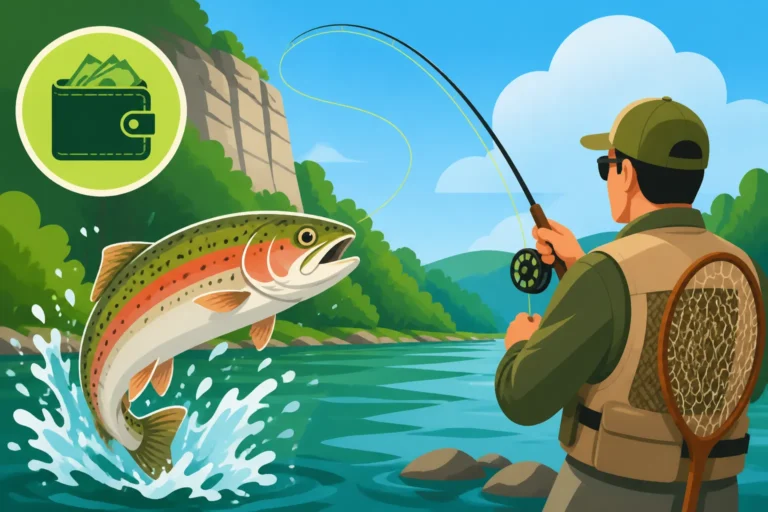
Arkansas is world-renowned for its coldwater trout fisheries, particularly the tailwaters below its dams. The White River, Little Red River, and Spring River are prime examples. Here, you'll find guides specializing in trout, including rainbow and brown trout, as well as smallmouth bass in the warmer stretches.
These guides often run drift boats or rafts, allowing for a quiet, stealthy approach to fish. They might also lead wade trips, where you walk and fish accessible sections of the river. White River Fishing Guides: Arkansas's Trout Fishing Capital are experts in current patterns, entomology (for fly fishing), and precise presentations. Whether you're a seasoned fly angler seeking to hone your nymphing skills or a spin fisherman wanting to learn how to drift a minnow effectively, these guides offer an immersive experience in some of Arkansas's most beautiful and productive moving waters. Their knowledge of water levels, generation schedules, and seasonal hatches is invaluable.
Specialty and Niche Trips
Beyond the general lake and river categories, some guides carve out a niche, focusing on specific targets or experiences. This might include guides who specialize exclusively in fly fishing, offering instruction and advanced techniques on particular rivers. Others might be "trophy hunters," dedicating their trips to pursuing the largest possible fish of a specific species, such as targeting Trophy Brown Trout Records on the White River or massive blue catfish.
You might also find guides offering night fishing trips, particularly for catfish, where the cooler temperatures and nocturnal nature of the fish can lead to exciting action. These specialty trips are often for anglers with a very specific goal in mind or those looking for a truly unique challenge. While they might be less about high numbers and more about a single, memorable catch, they offer an intense and focused angling experience that can be incredibly rewarding.
Researching and Finding the Right Guide
Alright, you're convinced a guide is the way to go. Now, how do you sort through the options and find the one that's perfect for your trip? This step is crucial, as the right guide can make or break your fishing adventure. It requires a bit of homework, but it's well worth the effort.
Online Platforms and Directories
In today's digital age, online platforms are a fantastic starting point for finding fishing guides. Sites like FishingBooker allow you to browse a wide array of guides operating in Arkansas, filter by location, species, trip type, and even specific dates. These platforms often feature detailed profiles, photos, customer reviews, and transparent pricing, making comparison shopping much easier. You can see how many anglers a guide can accommodate, what their boat is like, and what past clients have to say about their experience.
Beyond dedicated booking sites, many guides have their own professional websites or social media pages. A quick search for "Arkansas fishing guide [specific lake/river]" will often yield numerous results. When browsing these, pay attention to the quality of information, the types of fish they showcase, and how current their updates are. A well-maintained online presence usually signals a professional operation.
Word-of-Mouth and Local Recommendations
While online reviews are helpful, there's still immense value in old-fashioned word-of-mouth. If you know someone who has fished in Arkansas, ask for their recommendations. Locals often have insights into guides who might not have a huge online presence but are absolute gems on the water.
Visiting local bait shops, tackle stores, or even diners in fishing towns like Cotter, Mountain Home, or Hot Springs can also be incredibly fruitful. Strike up conversations with the staff or other anglers. They often know who the reputable guides are, who specializes in what, and who's currently putting clients on fish. These personal referrals can lead you to a guide who truly aligns with your fishing style and personality, providing a more authentic experience.
Checking Credentials and Experience
Once you've identified a few potential guides, it's time to dig a little deeper. Any legitimate fishing guide in Arkansas should be licensed and insured. Don't hesitate to ask about this. This protects both you and the guide in case of any unforeseen incidents on the water.
Look for guides with a proven track record. How many years have they been guiding in that specific area? Do they specialize in the species you want to target, or are they more of a generalist? While a newer guide might offer a lower rate, an experienced guide often brings a level of knowledge and efficiency that is hard to beat. Read reviews carefully – look for consistent praise regarding their professionalism, safety consciousness, fish-finding ability, and overall demeanor. A good guide isn’t just good at fishing; they're good with people.
Key Questions to Ask Before Booking
So you've got a short list of potential guides. Before you commit, it's time to have a direct conversation. This isn't just about price; it's about ensuring clear expectations for both you and the guide. Asking the right questions upfront will prevent misunderstandings and ensure a smooth, enjoyable trip.
Trip Details and Inclusions
This is where you clarify exactly what you're getting for your money. Don't assume anything! Ask explicitly:
- What is included in the trip fee? Does it cover rods, reels, tackle, and bait? Most guides provide this, but some specialized fly fishing guides might expect you to bring your own specific gear.
- Are drinks and snacks provided? Many guides offer bottled water and a few snacks, especially on longer trips. For full-day outings, inquire about lunch arrangements – some guides pack it, others expect you to bring your own.
- What safety equipment is on board? Reputable guides will have all required safety gear, including life vests, first-aid kits, and communication devices.
- What is the duration of the trip? Is it a Full-Day vs Half-Day White River Trout Trips: Which to Book in Arkansas? How many actual hours will you be fishing?
- How many anglers can you accommodate? Ensure the boat can comfortably fit your group size. If you have more than the standard two or three, there might be an additional fee or need for a second guide.
- What should I bring? This is a crucial question and will inform your packing.
Being clear about these inclusions prevents any surprises when you meet at the dock.
Pricing, Deposits, and Cancellation Policies
Money matters, and transparency is key. Get all the financial details in writing or confirmed via email.
- What is the total cost for my group? Confirm the per-person or flat-rate cost, and ask about any potential extra charges like fuel surcharges (rare, but good to check), cleaning fees (if they clean your fish), or additional fees for a third or fourth angler.
- What is the deposit requirement? How much is it, and is it refundable under certain circumstances?
- What is your cancellation policy? This is perhaps one of the most important questions. What happens if the weather turns sour (heavy rain, high winds, dangerous storms)? What if you or someone in your party gets sick? And what is the timeframe for canceling without losing your deposit? Understanding Arkansas Fishing Guide Deposits and Cancellation Policies protects both parties. Most guides are reasonable, especially for weather-related cancellations, but it’s best to know their specific terms upfront.
Target Species and Techniques
Make sure the guide's expertise aligns with your fishing goals.
- What species do you primarily target this time of year? Even if a guide lists multiple species, they might have a specialty or a species that's more active during your visit.
- Are you comfortable with [specific technique, e.g., fly fishing, baitcasting, trolling]? If you have a preferred method, ensure the guide can accommodate it or teach you. Conversely, if you want to learn a new technique, confirm they're equipped to teach it.
- What are your policies on catch and release versus keeping fish? Some guides primarily promote catch and release, especially for trophy fish or certain species. Others are happy for you to keep your legal limit for a fresh meal. Discuss this, and refresh yourself on Arkansas Fish Size and Daily Limits beforehand. If you plan to keep fish, confirm if the guide will clean and bag them for you.
Preparing for Your Guided Fishing Trip
You've booked your guide, the excitement is building! Now, let's talk about how to prepare so you can make the most of your time on the water. A little foresight goes a long way in ensuring comfort and success.
Essential Gear and Clothing
Even if your guide provides all the fishing gear, what you wear and bring personally is paramount for your comfort. Arkansas weather can be notoriously unpredictable, so layering is always a smart strategy.
- Dress in layers: Mornings can be chilly on the water, even in summer, but afternoons can get quite warm. A light base layer, a fleece or sweater, and a waterproof/windproof outer shell are ideal.
- Rain gear: Do not, I repeat, do not skip good rain gear. A sudden shower can pop up quickly in Arkansas, and being soaked for hours is miserable.
- Sun protection: Even on cloudy days, the sun's reflection off the water can be intense. A wide-brimmed hat, polarized sunglasses (crucial for seeing fish and protecting your eyes), and high SPF sunscreen are non-negotiable.
- Footwear: Wear comfortable, non-slip shoes that can get wet. Closed-toe shoes are safer than sandals for moving around a boat. If you’re wade fishing, you'll likely need wading boots.
- Personal items: Don't forget any necessary medications, a small waterproof bag for your phone/wallet, a camera to capture memories (ensure it's protected from water), and any specific snacks or drinks you prefer beyond what the guide might provide.
Obtaining Your Fishing License and Trout Permit
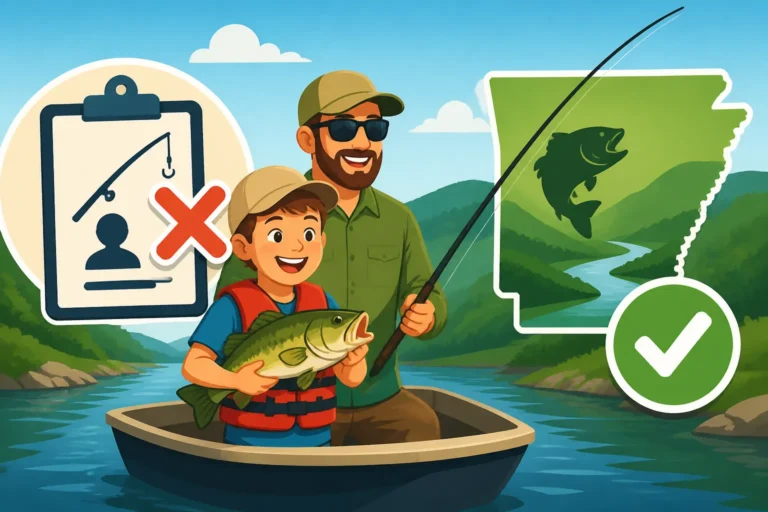
This is perhaps the single most critical item on your prep list. You absolutely, unequivocally need a valid Arkansas fishing license and, if you're targeting trout, a trout permit. Your guide cannot provide this for you, and fishing without one can lead to hefty fines and a ruined trip.
- Resident vs. Non-Resident: Costs and options vary for Arkansas residents versus those visiting from out-of-state. Check the specific requirements for your situation.
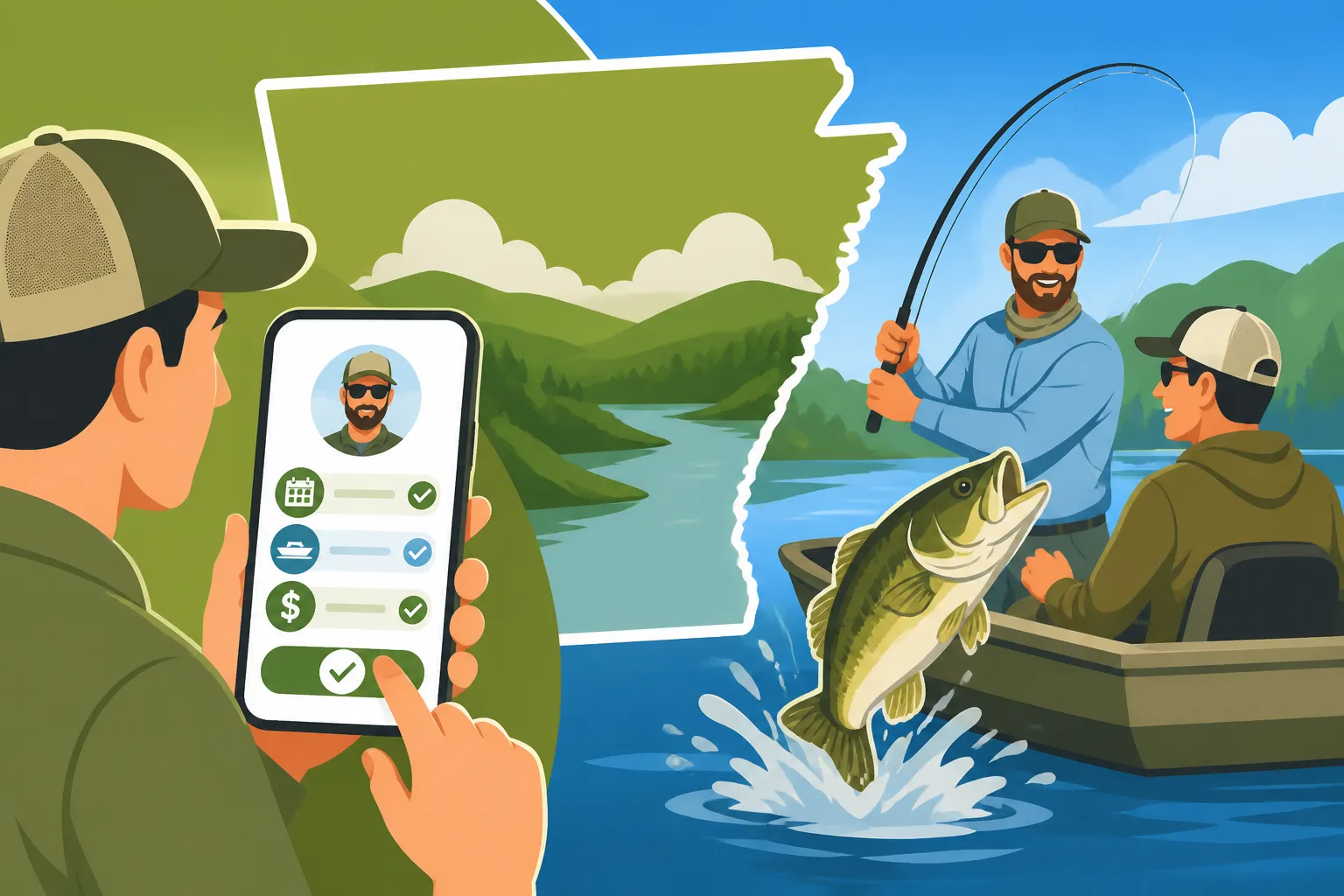
- Purchase options: You can typically buy your license and permit online through the Arkansas Game and Fish Commission website. Many local sporting goods stores, bait shops, and even some Walmarts in Arkansas also sell them. It's usually easiest to get it online before you leave home or well in advance of your trip. Review Arkansas Fishing License Rules and Costs and Arkansas Trout Permit Rules to understand what you need. Need help buying online? Check out How to Buy an Arkansas Fishing License Online.
- Kids' licenses: Know the age requirements. In Arkansas, kids generally don't need a license until a certain age, but it's important to confirm this, especially for trout permits.
Get this done early! Don't wait until the morning of your trip, as technical issues or store closures could leave you high and dry.
Communicating Expectations and Being Flexible
Before your trip, a quick call or message to your guide to confirm details and reiterate your goals is a good idea. Are you hoping for a trophy fish, or is catching a lot of smaller fish for dinner your priority? Do you want to learn specific techniques, or just relax and enjoy the scenery?
While it’s good to have goals, it’s even more important to remember that fishing is fishing. There are no guarantees. Weather changes, fish patterns shift, and some days are just tougher than others. Be flexible and trust your guide's judgment. They want you to catch fish just as much as you do, and they'll work tirelessly to make it happen. An open mind and a positive attitude will make your trip far more enjoyable, regardless of the final fish count.
During and After Your Guided Trip
You've done your homework, prepared your gear, and now you're finally on the water with your guide. What's next? And once the lines are reeled in, how do you wrap things up respectfully and constructively?
On the Water Etiquette and Safety
Your guide is essentially your captain and expert for the day. Listening to their instructions is paramount for both your safety and fishing success.
- Listen to instructions: Pay attention when your guide tells you how to cast, where to present your bait, or how to properly set the hook. They're trying to help you catch fish! Also, crucial safety instructions like staying seated when the boat is moving, or where to keep your hands, are non-negotiable.
- Be mindful of your casting: On a boat, especially with multiple anglers, be aware of others' space. Keep an eye out when casting to avoid snagging a fellow angler or, even worse, your guide.
- Respect the equipment: The rods, reels, and boat are your guide's livelihood. Handle them with care. If you break something, be upfront about it.
- Communicate: If you need a restroom break, feel seasick, or have a question, speak up. Don't suffer in silence.
- Enjoy the experience: Take in the beautiful Arkansas scenery. Ask questions about the area, the fish, or the guide's experiences. A guided trip is also a chance for a unique cultural exchange.
Tipping Your Guide
Once your fantastic day on the water concludes, it's customary to show your appreciation for your guide's hard work, expertise, and dedication. Tipping is an industry standard and a significant part of a guide's income, often reflecting how well you felt they performed.
- General guideline: A typical tip for a fishing guide is 15-20% of the total trip cost. If the guide went above and beyond – put you on trophy fish, was an excellent teacher, worked tirelessly in tough conditions, or made a special effort for kids – consider tipping at the higher end or even more.
- Consider the effort: Remember that a guide’s job starts long before you arrive (prepping tackle, checking conditions, getting bait) and continues long after you leave (cleaning the boat, maintaining gear). They put in a full day, often more than just the hours you spend fishing.
- How to tip: Typically, you'd present the tip in cash directly to your guide at the end of the trip. If you used an online booking platform like FishingBooker, some might offer an option to add a tip digitally, but cash is usually preferred. For more detailed advice, check out Tipping Your Fishing Guide in Arkansas.
Providing Feedback and Future Bookings
Your experience doesn't end when you leave the boat. Providing feedback, whether positive or constructive, is valuable.
- Leave a review: If you booked through an online platform, take a few minutes to leave an honest review. This helps other anglers choose a guide and provides valuable feedback to the guide themselves. Mention what you enjoyed, what you learned, and any specific highlights.
- Direct feedback: If you have constructive criticism, it's often best to address it politely and directly with the guide after the trip, or with the outfitter if you booked through one.
- Consider rebooking: If you had a fantastic time, don't hesitate to book with the same guide again. They'll appreciate the loyalty, and you'll have a familiar face and a proven expert for your next Arkansas adventure. Many guides offer repeat client discounts or priority booking.
A guided fishing trip in Arkansas can be an incredibly rewarding experience, offering not just the chance to catch fish, but also to learn, explore, and create lasting memories. By doing your homework, asking the right questions, and preparing properly, you're setting yourself up for success on the beautiful waters of the Natural State.
| Guide Type | Primary Species Targeted | Common Locations | Typical Boat Type | Key Benefit for Anglers |
|---|---|---|---|---|
| Lake Guides | Bass, Stripers, Crappie, Catfish | Norfork, Bull Shoals, Ouachita, DeGray | Larger bass boats, center consoles | Access to diverse species on large reservoirs; often advanced electronics |
| River Trout Guides | Rainbow Trout, Brown Trout | White River, Little Red River, Spring River | Drift boats, rafts | Specialized techniques for trout; quiet, scenic float trips |
| Niche/Specialty Guides | Trophy Stripers, Fly-Fishing Only, Night Catfish | Specific sections of lakes/rivers, unique techniques | Varies widely | Highly focused experience; targets specific challenging goals |
Disclaimer
This article is for general informational purposes only and does not constitute professional advice. Laws, prices and regulations vary by location and change over time. Consult a qualified professional for guidance on your specific situation.