Where to Catch Bluegill in Arkansas
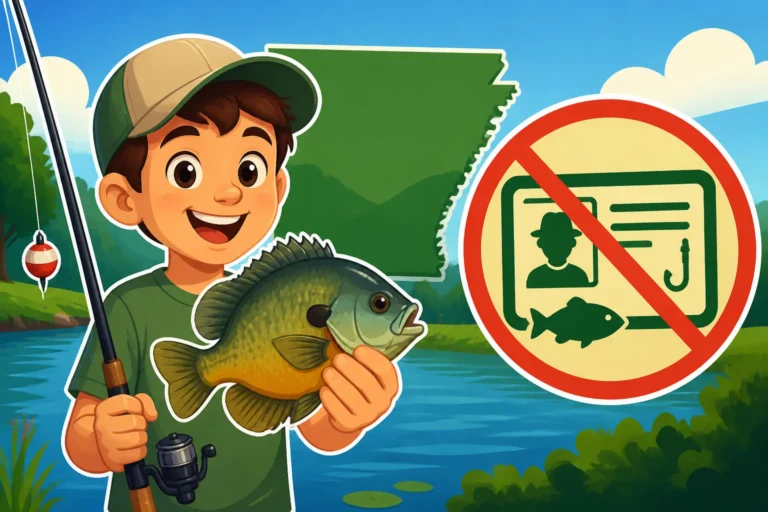
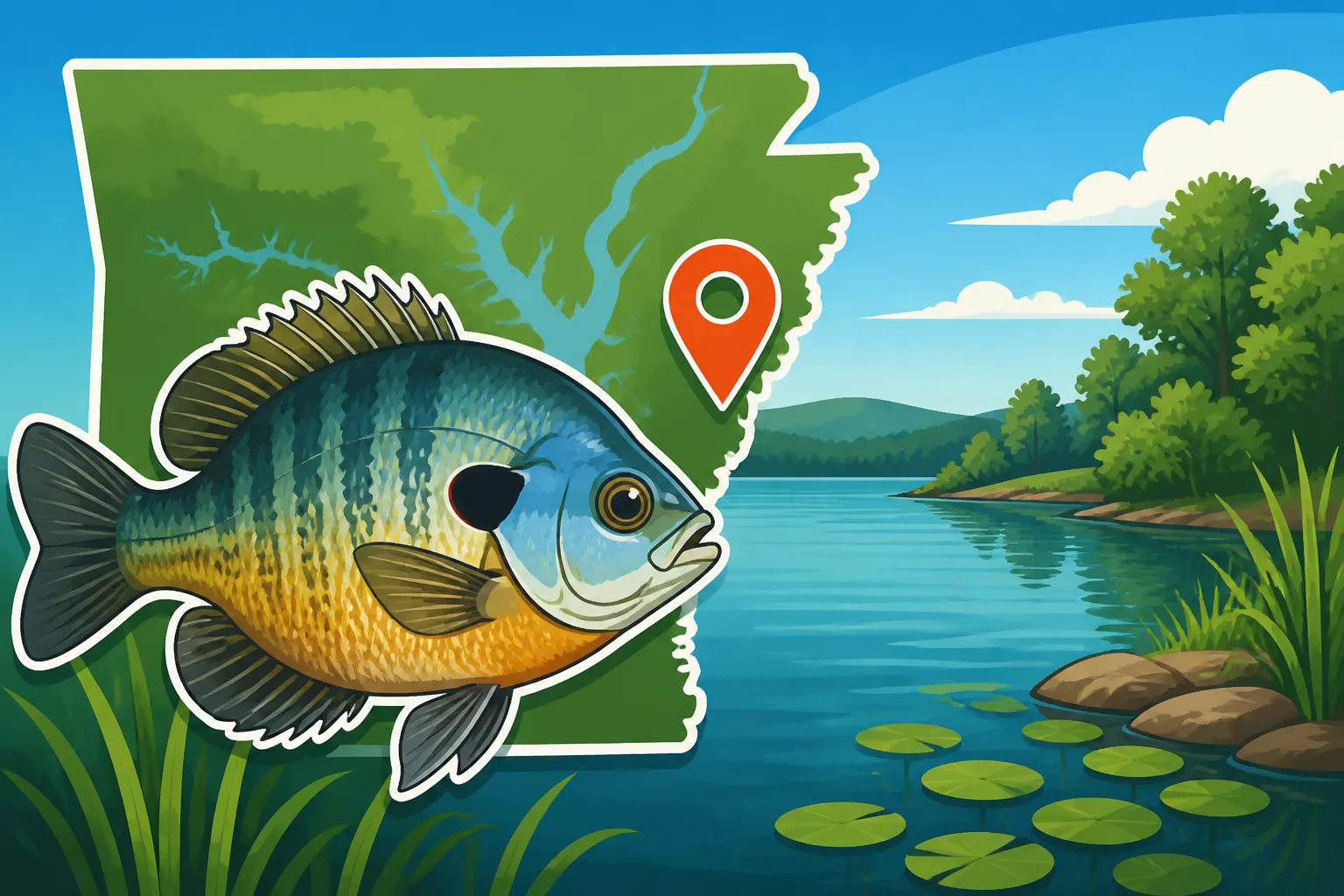
Finding a great spot to catch bluegill in Arkansas can feel a bit like searching for a needle in a haystack, especially with so many incredible waters to choose from. You might be dreaming of a relaxing afternoon, bobber dancing on the water, but then the reality sets in: where do you even start? This guide is going to cut through that confusion and help you pinpoint the best places across the state where these feisty, fun-to-catch panfish are not just present, but often thriving, making your next outing a sure success.
Understanding Bluegill Habitats in Arkansas
Before we dive into specific locations, it helps to understand what bluegill are looking for. These fish are pretty adaptable, but they definitely have preferred hangouts. Knowing their ideal habitat will empower you to find them in almost any body of water, whether it's a massive reservoir or a quiet farm pond. It's all about thinking like a bluegill!
Shallow Water Structure is Key
Bluegill absolutely love shallow water, especially where there's some kind of cover or structure. Think about it: they're smaller fish, so they need places to hide from bigger predators like bass and catfish. This often means you'll find them congregating around submerged timber, brush piles, boat docks, lily pads, and even rocky bottoms. When you're scouting a spot, look for these features close to the shore. If you see a cluster of old stumps or a thick patch of weeds, chances are, there are bluegill tucked away in there. These areas provide not just safety, but also a smorgasbord of insects and small aquatic life for them to feed on.
Imagine casting a small worm or cricket right next to a partially submerged log – that's bluegill heaven. They aren't usually out in the wide-open, deep expanses of a lake. Instead, they hug the edges, darting in and out of cover. Even in large lakes, if you find a shallow cove with plenty of woody debris, you've likely found a bluegill hotspot.
Vegetation and Aquatic Weeds
Bluegill are practically synonymous with aquatic vegetation. Whether it's cattails along the shoreline, submerged hydrilla, or floating lily pads, these plants offer everything a bluegill needs. The thick cover provides excellent camouflage, while the plant stems and leaves become home to countless bugs, larvae, and other tiny creatures that bluegill feast on. Plus, the shade from floating vegetation can offer relief from the summer sun, keeping the water cooler and more comfortable for them.
If you're fishing a lake or pond with visible weed beds, focus your efforts around the edges of these beds or look for pockets within them. A small bobber and a live worm tossed just into a gap in the lily pads can often yield immediate results. It's a classic setup for a reason – it works! Learning to identify different types of aquatic plants can give you a significant edge when looking for these panfish.
Depth and Water Clarity Preferences
While bluegill love shallow water, they're not always right on the surface. Their preferred depth can vary with the time of year and day, and especially with water clarity. In murkier waters, they might stay a bit shallower, relying on the reduced visibility for cover. In very clear waters, they might retreat a little deeper during the brightest parts of the day, seeking refuge from both predators and intense sunlight. Typically, you'll find them in depths ranging from a few inches to about 10-15 feet.
The sweet spot often seems to be around 2-6 feet, especially if there's good cover. After a rain, or in waters that are naturally a bit stained, they might be even shallower. Experimentation is key; start shallow and work your way deeper if you're not getting bites. Pay attention to how the water looks – if it's super clear, think about fishing a bit deeper or targeting shady spots. This can make a huge difference in your success.
Top Public Waters for Bluegill in Arkansas
Arkansas is blessed with an abundance of public lakes and rivers that hold healthy populations of bluegill. From sprawling reservoirs managed by the Corps of Engineers to smaller state park lakes, there are countless opportunities to reel in these fun-fighting fish.
Corps of Engineers Lakes
Many of Arkansas's largest and most popular lakes, like Lake Ouachita, DeGray Lake, and Bull Shoals Lake, are Corps of Engineers projects. These massive reservoirs are fantastic for bluegill, boasting miles of varied shoreline and an incredible amount of submerged structure. While they are known for their trophy bass and crappie, the bluegill populations are robust and often overlooked by anglers focused on bigger game.
On Lake Ouachita, for example, you'll find bluegill concentrated in the countless coves and creek arms, especially those with standing timber, hydrilla beds, or rocky banks. The crystal-clear water means they might go a bit deeper during midday, but early mornings and late evenings are prime for shallow-water action. Similarly, DeGray Lake offers excellent opportunities around its many islands and the shoreline structure within DeGray Lake State Park. Arkansas State Park Fishing Spots at Lake Ouachita could give you some specific access points. You'll find plenty of spots for bluegill, often mixed in with other panfish like redear sunfish and even small bass, making for a truly diverse fishing experience.
Arkansas State Park Lakes and Community Ponds
For a more focused and often easier bluegill experience, Arkansas State Parks manage numerous lakes that are absolutely perfect for panfish. These lakes are typically smaller, more accessible, and often have well-maintained docks or bank access, making them ideal for families and beginners. Lakes like Lake Frierson State Park in northeast Arkansas or Lake Charles State Park are fantastic examples. They often have ample shallow cover, good water quality, and consistent bluegill populations.
These state park lakes are designed for public enjoyment, so you'll often find amenities like picnic areas, restrooms, and sometimes even boat rentals (for electric motors or paddle boats, perfect for quietly approaching bluegill haunts). You might also find community fishing ponds dotted around towns, often managed by the Arkansas Game and Fish Commission (AGFC), which are regularly stocked and maintained for easy access and great fishing. These spots are often highlighted in local fishing reports and are true gems for quick trips. They're great places to introduce kids to fishing, where they can almost always guarantee a bite, building that excitement for the sport.
Rivers and Backwaters
While lakes get most of the attention, Arkansas's rivers and their associated backwaters can be bluegill goldmines. The Arkansas River, with its many oxbow lakes and slower-moving side channels, is a prime example. These calmer areas away from the main current provide the perfect conditions for bluegill to thrive, especially where there are fallen trees, dense shoreline vegetation, and shallow, protected coves.
Think about the quiet sloughs and old river bends that are cut off from the main flow of the river during lower water periods. These often become fantastic bluegill nurseries. You might need a small boat, kayak, or canoe to access some of these spots, but the reward is often worth it. Look for areas where the current is minimal, and the water is slightly stained but not muddy. These riverine bluegill often fight with surprising vigor, offering a strong pull on light tackle. Don't overlook smaller streams and creeks either, especially their wider, slower pools with plenty of bankside cover.
Beyond the Big Lakes: Smaller Ponds and Community Fisheries
Sometimes, the best fishing isn't on the grand, well-known reservoirs, but in the intimate, often overlooked small waters closer to home. These smaller ponds and community fisheries offer fantastic bluegill action, often with less pressure and easier access.
Arkansas Game and Fish Commission Ponds
The AGFC does an incredible job of managing a network of community fishing ponds across the state, specifically designed to provide easy access for anglers, particularly families and beginners. These ponds are typically well-stocked with bluegill, catfish, and sometimes bass, and often have amenities like fishing piers, paved trails, and clear bank access. Locations like the AGFC Family and Community Fishing Ponds in Little Rock, Jonesboro, Fort Smith, or Springdale are specifically managed for high catch rates and are fantastic for bluegill. Kid-Friendly Fishing Ponds Near Little Rock is a great resource if you're in that area.
The beauty of these ponds is their accessibility. You can often walk right up, cast a line, and start catching fish. They're regularly monitored, and information on stocking schedules and fishing tips is often available on the AGFC website or local offices. This proactive management means the bluegill populations are usually healthy and eager to bite, making them perfect spots for a spontaneous fishing trip after work or school.
Local Community Ponds
Beyond the official AGFC ponds, many towns and cities have their own local parks with small ponds that hold surprisingly good numbers of bluegill. These can be municipal parks, local housing development ponds, or even quiet neighborhood waters. While they might not be heavily publicized, a quick chat with local anglers or a search on community forums can often reveal these hidden gems. Just be sure to respect any private property signs and local regulations.
These ponds often have a mix of natural vegetation and man-made structures like culverts or overflow pipes, all of which attract bluegill. They're fantastic for a quick hour or two of fishing, especially if you're just looking to get a bend in your rod and some panfish for the frying pan. The bluegill in these ponds might not be giant, but they're usually plentiful and provide consistent action, which is what panfishing is all about.
Farm Ponds and Private Waters
If you happen to know someone with a farm pond or have access to private waters, these can often be bluegill havens. Farm ponds, in particular, are notorious for producing abundant bluegill, sometimes to the point of overpopulation if not managed correctly. Many landowners enjoy having their ponds fished, especially for prolific species like bluegill and crappie, which helps to keep the ecosystem balanced.
Always, and I mean always, get explicit permission before fishing on private property. Trespassing is a serious offense. However, if you have that golden ticket of permission, these ponds can offer some of the most consistent and often largest bluegill catches you'll ever experience. They often have less fishing pressure, leading to less wary fish. The habitat is typically ideal, with plenty of natural cover, insect life, and undisturbed spawning areas. It's a truly peaceful and productive way to spend an afternoon chasing bluegill.
Tips for Maximizing Your Bluegill Catch
Now that you know where to go, let's talk about how to make sure you're getting those bluegill to bite. Bluegill are often eager eaters, but a few simple tips can dramatically increase your success rate.
Best Baits and Lures
Bluegill aren't picky, which is one of their charms. When it comes to bait, small, natural offerings are usually king.
- Live Bait:
- Worms: Red wigglers, nightcrawlers (pinched in half), or any small garden worm are irresistible. They're universally effective.
- Crickets/Grasshoppers: During warmer months, these terrestrial insects are bluegill candy, especially when fished near shoreline vegetation.
- Grubs/Waxworms: These little larvae are fantastic, especially in cooler water or when bluegill are being a bit finicky.
- Artificial Lures:
- Small Jigs: Tiny jigs, often 1/64th to 1/16th ounce, tipped with a small plastic grub, tube, or a feather, can be deadly. Colors like chartreuse, white, or black are often productive.
- Micro Spoons/Spinners: Ultra-light spoons or spinners with a small blade can also attract aggressive bluegill, especially if they're feeding on small baitfish.
Regardless of your choice, remember that bluegill have small mouths. Use small hooks (sizes 8-12 are usually perfect) to ensure a good hook set. If you're looking to stock up on a variety of small hooks, bobbers, and light tackle, Amazon is a convenient option to find specific panfish gear that local shops might not always carry in abundance.
Time of Day and Season
Bluegill can be caught year-round in Arkansas, but certain times are definitely more productive.
- Spring (Spawning Season): This is arguably the best time for bluegill. As water temperatures rise (typically from late April through June), bluegill move into very shallow, often visible beds to spawn. They become aggressive and territorial, making them easy targets. Look for saucer-shaped depressions on sandy or gravelly bottoms in 1-3 feet of water. When Do Crappie Spawn in Arkansas gives you a good idea of similar panfish spawning patterns.
- Summer: Early mornings and late evenings are prime during the hot summer months. Bluegill will move shallower to feed during these cooler periods. During the heat of the day, they might retreat to deeper cover or shady spots.
- Fall: As water cools, bluegill remain active but might spread out a bit more. Look for them around deeper edges of weed beds or brush piles.
- Winter: Bluegill can still be caught in winter, often schooling up in deeper holes or around submerged structures. They'll be less active, so a slower presentation with small baits is usually best.
| Season | Best Time of Day | Typical Depth | Key Behaviors |
|---|---|---|---|
| Spring | Morning, Afternoon | 1-4 feet | Spawning in visible beds, aggressive |
| Summer | Early Morning, Late Evening | 3-8 feet (shallower at dawn/dusk) | Seeking shade and cooler water |
| Fall | Mid-Day to Afternoon | 4-10 feet | Feeding before winter, often schooling |
| Winter | Mid-Day | 8-15 feet | Less active, schooling in deeper water |
Gear Considerations for Panfish
You don't need fancy gear to catch bluegill, which is another reason they're so popular. A simple, ultra-light setup is ideal.
- Rod and Reel: A light-action spinning rod (4.5 to 6 feet long) paired with a small spinning reel is perfect. This setup allows for light lines and sensitive bites.
- Line: 4-6 pound test monofilament or fluorocarbon line is usually sufficient. Some anglers prefer braided line with a fluorocarbon leader for added sensitivity, but it's not strictly necessary.
- Bobbers: A small, sensitive bobber (clip-on or slip bobber) is crucial for detecting those subtle bluegill bites. A bobber that balances your bait just above the bottom or in the middle of the water column is ideal.
- Other Essentials: Don't forget a small pair of pliers for hook removal, a stringer or cooler if you plan to keep your catch (and Is Bluegill Good to Eat?), and perhaps a small tackle box with extra hooks, weights, and bait. For those just starting out, picking up a panfish tackle kit on Amazon can be a great way to get all the necessary small components in one go. You might even consider a simple fishing vest to keep everything organized and within reach. Best Rod Setup for Crappie Jigging can offer some transferable ideas for light tackle setups too, as crappie and bluegill often share similar gear requirements.
Armed with this knowledge, you're well on your way to a successful bluegill fishing trip in Arkansas. Remember to check local regulations and have your Arkansas Fishing License Rules and Costs in order before heading out!
Disclaimer
This article is for general informational purposes only and does not constitute professional advice. Laws, prices and regulations vary by location and change over time. Consult a qualified professional for guidance on your specific situation.