Best Bait for Rainbow Trout Below Bull Shoals Dam
For many anglers, the dream of hooking into a magnificent rainbow trout in Arkansas's famed tailwaters, especially below the majestic Bull Shoals Dam, is a powerful draw. Yet, the constantly changing water levels and diverse feeding patterns of these fish can make choosing the right bait a real head-scratcher. This comprehensive guide is here to unravel that mystery, offering you the tried-and-true baits and techniques that will significantly boost your chances of landing those beautiful, hard-fighting rainbows.
Understanding the Bull Shoals Tailwater Environment for Rainbow Trout
Fishing the White River below Bull Shoals Dam is a unique experience, a world away from stillwater lakes or slow-moving rivers. This tailwater fishery is characterized by its cold, oxygen-rich waters released from the deep sections of Bull Shoals Lake, creating an ideal habitat for trout. However, these conditions also present specific challenges and opportunities that influence bait choice.
Water Conditions and Trout Behavior
The flow of water in the White River tailwater is dictated by power generation from the dam. This means you can experience everything from extremely low, clear water to high, fast currents, sometimes within the same day. These fluctuations dramatically affect where trout hold, how they feed, and what they're willing to strike. In low water, trout can be incredibly spooky due to the clear conditions, making subtle presentations and natural-looking baits paramount. They'll often tuck into deeper pools or behind structure to avoid predators and current. When the generators are running and the water is high, trout will move to areas with less current, like eddies or seams, and are often less selective as more food washes downstream. Understanding this dynamic is key to successful fishing here.
Why Tailwaters are Unique Fishing Environments
Unlike natural rivers, tailwaters below dams offer a relatively stable cold-water environment that often supports a dense population of trout. However, the food sources can be different. While some natural insect hatches occur, much of the trout's diet consists of scuds, sowbugs, aquatic worms, and smaller baitfish that are either native to the river or get washed down from the lake. The constant flow can concentrate these food items, but it also means trout are accustomed to seeing a wide variety of things drift by. This can make them opportunistic feeders, but also wary of anything unnatural. Fishing in these conditions often requires lighter lines and smaller baits, as the trout have ample time to inspect what's coming their way. For more on these incredible fish, check out Rainbow Trout Fishing Below Bull Shoals Dam.
Top Live and Natural Baits for Bull Shoals Rainbow Trout
When it comes to tempting the finicky rainbow trout of the Bull Shoals tailwater, sometimes going back to basics with live or natural baits is your best bet. These options appeal directly to a trout's instinctual feeding habits.
PowerBait and Similar Dough Baits
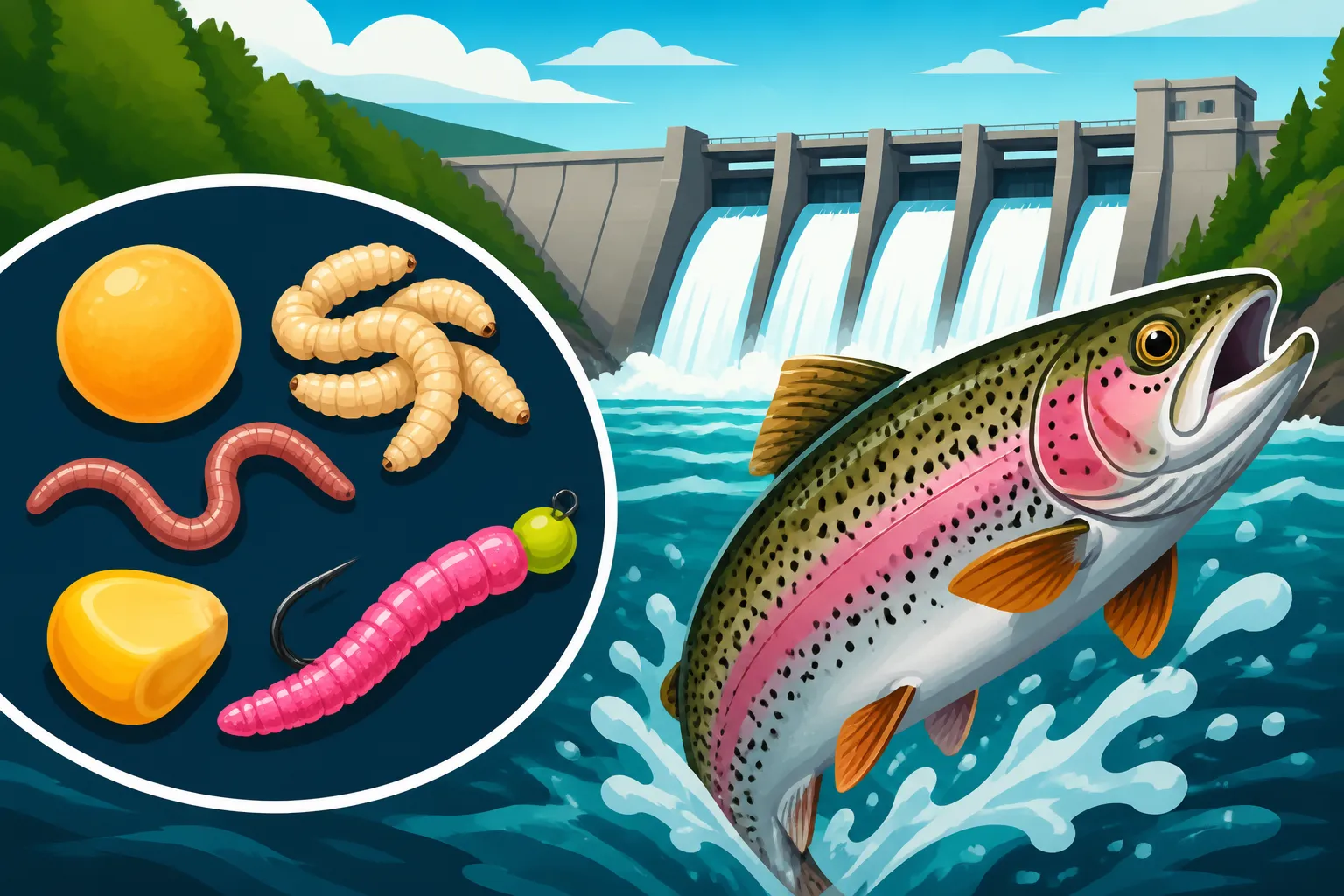
PowerBait, particularly in its various dough and nugget forms, is an absolute staple for trout anglers worldwide, and the White River is no exception. Its buoyant nature allows it to float off the bottom, presenting directly in the trout's feeding lane, which is crucial in a river with debris or an uneven bottom. Bright colors like chartreuse, orange, and rainbow are often fantastic choices, especially in slightly stained water or during periods of active feeding. For clearer conditions, more natural tones like tan or white can be surprisingly effective.
To rig PowerBait effectively, use a small treble hook (size 18-14 is common) or a single salmon egg hook. Mold a small ball of PowerBait around the hook, ensuring the hook point is fully covered but the bait remains compact enough to float. Many anglers use a slip sinker rig with a short leader, allowing the bait to drift naturally with the current. This setup ensures the sinker holds bottom while the bait wafts enticingly above. A leader of 18-36 inches is usually a good starting point, adjusting based on current and desired drift. If you're looking to stock up on different colors, you can find a wide variety of PowerBait and similar dough baits on Amazon.
Live Worms and Corn
Don't underestimate the power of a simple garden worm, or even a piece of corn, especially when the trout are actively feeding or after a rain event might stir up the riverbed. Red worms (also known as "mealworms" or "dillies") or pieces of a nightcrawler are incredibly enticing, offering natural scent and movement that trout find irresistible. Hook them sparingly, just enough to keep them on, allowing for maximum natural action in the current.
Corn, particularly whole kernel sweet corn, is another age-old trout bait that still produces. While some conservationists discourage its use due to digestibility concerns for fish, it is a legal and effective bait in many areas. A few kernels threaded onto a small hook can be very effective, mimicking small aquatic insects or fallen debris. It's often used when sight fishing for trout that are actively feeding on small, slow-moving particles. Present both worms and corn on light line with minimal weight, allowing them to drift naturally through known trout holding areas like current seams, eddies, or deeper pockets.
Salmon Eggs
Salmon eggs, both natural and artificial, are incredibly potent baits for rainbow trout, especially in cold tailwater environments. Trout are instinctively drawn to the high protein content and bright color of eggs, often associating them with a natural food source, whether from spawning trout or other fish species. Pautzke Bait's Balls O' Fire or similar cured salmon eggs are popular choices, offering a potent scent trail and a visual appeal that stands out in the water.
When fishing salmon eggs, use a very small, sharp hook (size 16-10 salmon egg or snelled hook) and thread one or two eggs onto it. The goal is to keep the presentation as natural as possible. A common technique is to drift them beneath a small bobber or indicator, especially in areas with a gentle current. This allows the eggs to tumble along the bottom naturally, mimicking eggs that have been dislodged from the substrate. For a more direct approach, especially in faster water, a small split shot placed a foot or two above the hook can help get the eggs down quickly into the feeding zone.
| Bait Type | Pros | Cons | Ideal Conditions | Presentation Tips |
|---|---|---|---|---|
| PowerBait | Floats off bottom, wide color selection, strong scent | Can be messy, less natural movement | Low to moderate current, clear or slightly stained | Small treble hook, slip sinker rig, short leader |
| Live Worms | Natural scent and movement, readily available | Can be difficult to keep on hook in strong current, messy | Post-rain, moderate current, varied water clarity | Light line, minimal weight, drift naturally |
| Corn | Simple, visual appeal, often effective | Less natural scent, digestibility concerns by some | Clear, low water, sight fishing | Small hook, light line, gentle drift |
| Salmon Eggs | High appeal, natural food source | Can be fragile, sometimes small fish pick at them | Cold, clear water, moderate current | Small hook, drift under indicator or with split shot |
Effective Artificial Baits for Rainbow Trout Below the Dam
Beyond natural offerings, a wide array of artificial baits consistently fool rainbow trout in the Bull Shoals tailwater. These options often allow for more active fishing and can be incredibly effective when matched to current conditions and trout behavior.
Small Spinners and Spoons
When trout are actively feeding or you're covering a lot of water, small inline spinners and spoons are dynamite. Brands like Rooster Tail, Mepps, and Panther Martin are perennial favorites. The flash and vibration mimic small baitfish or fleeing insects, triggering an aggressive strike response. Sizes typically range from 1/16 oz to 1/8 oz, sometimes up to 1/4 oz in faster, deeper water. Colors that imitate natural forage, like silver, gold, or brown, are often a good starting point, but don't shy away from brighter colors like chartreuse or fire tiger on overcast days or in stained water.
Casting these lures upstream or across the current and retrieving them just fast enough to get the blade spinning is a classic technique. The key is to maintain tension and feel for the subtle taps or sudden stops that indicate a strike. Experiment with retrieve speeds and depths until you find what the fish are keying in on. These lures are especially effective when fishing from a boat, allowing you to cover long stretches of river. Many dedicated anglers have a well-stocked tackle box that includes a variety of these reliable spinners, often purchasing them easily from online retailers like Amazon.
Soft Plastics and Jigs
Soft plastics, particularly small trout worms, tubes, or grubs, rigged on tiny jig heads, can be absolutely deadly. The subtle action and soft texture are incredibly lifelike, making them irresistible to trout, especially those that are wary of more aggressive presentations. Popular soft plastic colors include natural browns, greens, and whites, but pink, orange, and chartreuse can also be very effective, particularly in faster water or when targeting more aggressive fish. Jig head weights typically range from 1/32 oz to 1/8 oz, depending on the depth and current speed.
To fish these, cast them upstream and allow them to drift naturally downstream with the current, imparting a very subtle twitch or pause as they go. The goal is to mimic a dead or stunned insect or baitfish tumbling along the bottom. You'll often feel a very light tick as a trout inhales the bait, so a sensitive rod and good feel are crucial. Alternatively, small marabou jigs or even tiny hair jigs can be jigged vertically in deeper holes or dropped into current seams, offering a pulsating action that trout find hard to resist. This is a versatile method that often works well when trout are holding deeper or are less inclined to chase a fast-moving lure.
Flies (Even for Spin Fishermen)
While fly fishing is often associated with the White River's famed trout, spin fishermen can also utilize fly patterns effectively. Techniques like "float-n-fly" or simply fishing an unweighted fly under a small bobber or casting bubble allow anglers using conventional gear to present small flies in a natural drift. Popular patterns for rainbow trout on the White River include midge patterns (zebra midges, top secret midges), sowbugs, scuds, and various egg patterns. These mimic the most common natural food sources available to the trout in this tailwater.
To rig a fly for spin fishing, you can tie a small fly directly to your leader, often with a small split shot or two placed a foot or so above it to provide casting weight and help it sink. For the float-n-fly technique, a small, sensitive bobber or indicator is used, set to the approximate depth of the trout. The fly then hangs suspended and drifts naturally with the current, presenting a tiny, irresistible meal. This method is particularly effective in clear, low water conditions when trout are actively feeding on small aquatic insects and are very visual in their feeding. It's a fantastic way to bridge the gap between spin fishing and fly fishing, offering a delicate presentation that often outsmarts wary fish. For those interested in deeper dives into fly fishing, White River Fly Fishing Season Guide for Arkansas Anglers offers valuable insights.
Tips for Presenting Your Bait and Maximizing Success
Having the right bait is only half the battle; knowing how to present it effectively is just as crucial, especially when targeting savvy rainbow trout in the Bull Shoals tailwater.
Rigging Techniques for Success
The way you rig your bait can make all the difference. For natural baits like PowerBait, worms, or corn, a light slip sinker rig is often preferred. This setup involves a small egg sinker (1/8 oz to 1/4 oz) threaded onto your main line, followed by a swivel, and then an 18-36 inch fluorocarbon leader (4-6 lb test is generally ideal) tied to a small hook. The slip sinker allows the current to pull your line through it, keeping your bait in place on the bottom while allowing the trout to pick up the bait without feeling the weight of the sinker. Fluorocarbon is less visible in clear water and has good abrasion resistance.
For artificials like spinners and spoons, tying them directly to your main line (or a short fluorocarbon leader for abrasion resistance) is common. For jigs and soft plastics, the lightest jig head possible that still allows you to reach the desired depth and maintain contact with the bottom is usually best. A loop knot can sometimes enhance the action of a jig by allowing it to move more freely. Always check your knots and line for nicks, as these trout fight hard, and light tackle means small imperfections can lead to heartbreak. Consider exploring Spin Fishing Techniques for Trout for more detailed rigging ideas.
Reading the Water and Locating Trout
Trout are creatures of current and structure. Learning to "read the water" – identifying potential holding lies – is a skill that will dramatically improve your catch rate. Look for seams where faster water meets slower water, eddies behind rocks or fallen trees, deeper pockets, and gravel bars. These are prime locations where trout will expend minimal energy but have access to passing food. In lower water, trout will often be found in the deeper pools or tight against cover. In higher water, they'll pull out of the main current into slacker water along the banks or behind large submerged structures.
Pay attention to where other successful anglers are fishing, but also don't be afraid to explore. Sometimes the fish are holding in less obvious spots. Watching the current flow and visualizing how bait would naturally drift can also help you cast to the most promising areas. Remember, trout typically face upstream, waiting for food to come to them, so presenting your bait from upstream and letting it drift naturally to them is often the most effective approach. For those planning a trip, consider the Best Time to Fish Bull Shoals Lake Arkansas for Trout for seasonal insights.
Environmental Factors to Consider
Several environmental factors can influence bait choice and trout activity. Water temperature is paramount; colder water can make trout sluggish and less willing to chase, favoring slower presentations and natural baits. Warmer water (though still cold enough for trout in the tailwater) might encourage more active feeding and chasing of artificials. Light conditions also play a role: on bright, sunny days, trout may be more sensitive to line visibility and may prefer more natural colors or deeper presentations. On overcast days, brighter baits or those with more flash can be more visible and enticing.
Perhaps the most significant factor on the White River below Bull Shoals Dam is the water generation schedule. Before you head out, always check the generation schedule from the Corps of Engineers. Knowing when the water will be high or low allows you to plan your day, choose appropriate baits, and target the right areas. Low, clear water calls for stealth, light line, and delicate presentations, while higher, faster water might demand heavier weights to get your bait down and more robust, visible offerings. Understanding Bull Shoals Tailwater Trout Rules in Arkansas will also help you stay compliant with local regulations while you fish.
Disclaimer
This article is for general informational purposes only and does not constitute professional advice. Laws, prices and regulations vary by location and change over time. Consult a qualified professional for guidance on your specific situation.