Smallmouth Bass Fishing on Bull Shoals Lake
There's nothing quite like the thrill of chasing smallmouth bass, especially when you find yourself on the legendary waters of Bull Shoals Lake. Many anglers dream of battling these feisty fish, but arriving at such a vast, complex reservoir without a solid plan can feel overwhelming, leading to wasted time and missed opportunities. This guide is here to cut through that frustration, offering a deep dive into successful smallmouth bass fishing on Bull Shoals Lake, from understanding their habits to mastering the best techniques.
The Allure of Smallmouth Bass on Bull Shoals Lake
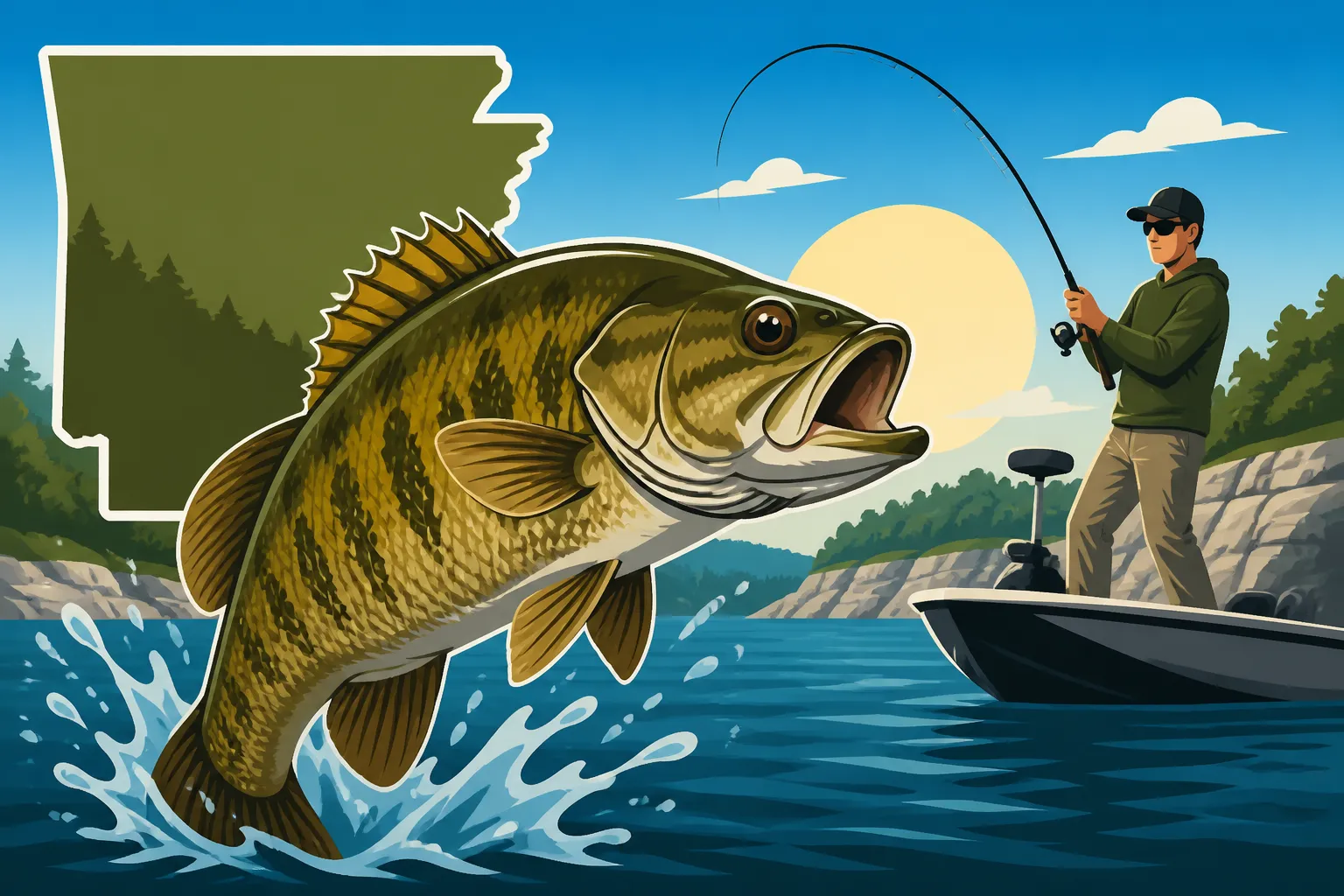
Bull Shoals Lake isn't just a big body of water; it's a smallmouth bass paradise, boasting clear, deep waters and abundant rocky structures that these bronze beauties absolutely thrive in. If you're looking for a challenging yet incredibly rewarding fishing experience, this is certainly the place to be.
Why Bull Shoals is a Smallmouth Paradise
Imagine a lake carved out of the rugged Ozark Mountains, with miles of bluff lines, gravel points, submerged islands, and intricate rock formations. That's Bull Shoals. The water here is often crystal clear, which makes smallmouth bass particularly wary and challenging, but also incredibly fun to outsmart. Unlike their largemouth cousins, smallmouth prefer these cooler, oxygen-rich, rocky environments. Bull Shoals Lake provides exactly that, with depths that plunge hundreds of feet in some areas, offering plenty of sanctuary and hunting grounds. The abundance of baitfish, crayfish, and insects forms a robust food chain, allowing smallmouth to grow to impressive sizes and maintain their famously aggressive demeanor. When you hook into a Bull Shoals smallmouth, you're not just reeling in a fish; you're feeling the raw power of a creature adapted to one of Arkansas's most pristine aquatic environments. Bull Shoals Lake Fishing Guide for Bass and Crappie can give you an even broader overview of this incredible fishery.
Understanding the Smallmouth's Habits in This Unique Lake
Smallmouth bass are creatures of habit, but their habits are deeply tied to the specific characteristics of Bull Shoals Lake. They are highly structure-oriented, meaning they'll cling to rock piles, steep drop-offs, and submerged timber. Their keen eyesight in clear water makes them formidable predators, but also means you need to be stealthy in your approach. On Bull Shoals, smallmouth often suspend over deep water near structure, especially during summer and winter, or patrol shallower rock flats during the spawn and feeding frenzies.
Water temperature plays a huge role in their behavior. In spring, as waters warm, they move towards shallower points and coves to spawn. Come summer, they retreat to deeper, cooler waters, often suspending or hugging structure along bluff lines. Fall sees them aggressively feeding in shallower to mid-depths before winter sends them back to the deep, stable temperatures. Understanding these seasonal migrations is key to consistent success. Without knowing where they should be, you're essentially just casting blind, and on a lake the size of Bull Shoals, that's a recipe for frustration.
Essential Gear for Bull Shoals Smallmouth
Having the right tools for the job is non-negotiable when targeting Bull Shoals smallmouth. These fish are powerful fighters, and the clear water demands specific tackle choices. Skimping on your gear often leads to lost fish and broken lines, especially when you've finally found that perfect rocky point holding a trophy.
Rod and Reel Selection
For smallmouth on Bull Shoals, you'll want a setup that offers a blend of sensitivity, power, and casting accuracy. I typically recommend a medium-light to medium power spinning rod, around 6'6" to 7' in length. This length provides excellent casting distance for covering water and enough backbone to handle those aggressive runs and head shakes. A fast action tip is crucial for detecting subtle bites, which are common in clear water, and for setting the hook quickly. For the reel, a high-quality spinning reel in the 2500 to 3000 size range will balance well with your rod. Look for a smooth drag system, as smallmouth are known for their strong initial runs.
When it comes to line, fluorocarbon is often the top choice for clear-water smallmouth fishing. Its low visibility under water is a huge advantage when fish are wary. I usually go with 8 to 10-pound test for my main line, sometimes dropping to 6-pound if the bite is super tough. You can also spool up with 10-15 pound braided line as your main line and then add a 6-10 foot fluorocarbon leader using a reliable knot like a double uni or FG knot. This gives you the strength and sensitivity of braid with the invisibility of fluoro. You can find a wide selection of these rods, reels, and lines on reputable online retailers like Amazon.
Lure and Bait Strategies
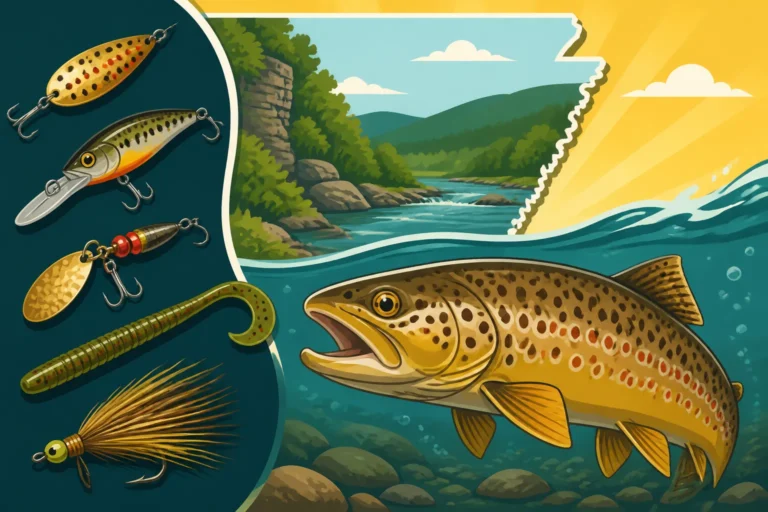
Smallmouth bass are opportunistic feeders, but they can be picky, especially in clear water. Having a diverse tackle box is essential. Here's a breakdown of some go-to options for Bull Shoals:
- Jigs: Finesse jigs, football jigs, and Ned rigs are absolute killers on Bull Shoals smallmouth. Mimicking crayfish or small baitfish, they are incredibly versatile for probing rocky bottoms and vertical structure. Use colors like green pumpkin, brown, or black and blue.
- Soft Plastics: Grubs, tubes, drop shot worms, and creature baits rigged on a jig head or a drop shot rig are fantastic. The subtle action of these baits can be irresistible to smallmouth.
- Crankbaits: Deep-diving crankbaits that mimic shad or crawfish work wonders when fish are actively feeding. Choose colors that match the local baitfish (e.g., shad patterns) or crayfish (e.g., browns, oranges).
- Topwater Lures: When conditions are right (calm mornings, evenings, or overcast days), nothing beats the explosive strike on a topwater lure like a walking bait or a popper.
- Spinnerbaits & Jerkbaits: These can be great search baits, especially when targeting active fish or covering large areas quickly. Jerkbaits are particularly effective in cooler water when fish are a bit sluggish but still willing to strike.
- Live Bait: If all else fails, live bait like shiners, crawfish, or medium-sized minnows can often tempt even the most finicky smallmouth.
The key is to pay attention to what the fish are telling you. If they're hitting a jig, stick with it. If the bite slows, don't be afraid to switch up your presentation or lure type. Sometimes, a subtle change in color or size is all it takes. For deeper insights into bait choices, check out Best Bait and Lures for Arkansas Bass.
Prime Spots and Seasonal Tactics for Smallmouth on Bull Shoals
Bull Shoals Lake is enormous, and fishing without a strategy can be like looking for a needle in a haystack. Knowing where to look and when to look there is half the battle won. The lake's vastness offers incredible diversity, but it also means you need to be efficient in your search.
Where to Find Them: Key Structures and Depths
Smallmouth bass on Bull Shoals are tightly tied to specific types of structure, almost like they've got a personal attachment to them. Here’s where I typically focus my efforts:
- Bluff Lines and Steep Banks: These are classic smallmouth haunts. The sudden drop-offs offer easy access to deep water and often have ledges, cracks, and small caves where smallmouth can hide and ambush prey. I'll often work these with jigs, drop shots, or even vertical jigging spoons in deeper sections.
- Rocky Points and Humps: Any point that extends into the main lake and has a rocky or gravel bottom is prime territory. Submerged humps, especially those with rock piles on top, are like magnets for smallmouth. These areas can be fished with a variety of lures, including crankbaits that bump the bottom, spinnerbaits, or dragging soft plastics.
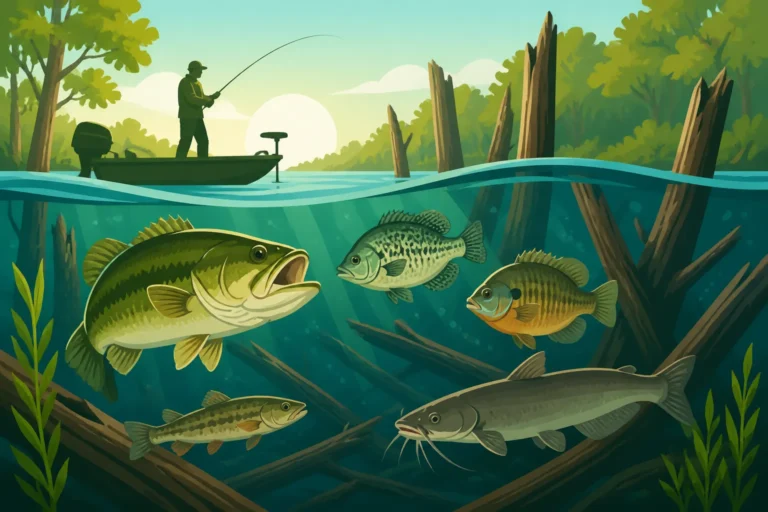
- Submerged Timber and Brush Piles: While not as prevalent as rock, areas with standing timber or intentionally placed brush piles can hold good numbers of smallmouth, particularly if they are adjacent to deeper water or rocky bottom. Flipping jigs or Texas-rigged plastics can be effective here.
- Main Lake Channels: Smallmouth will often relate to the edges of the old river and creek channels that wind through the lake, especially where these channels intersect with points or humps. Targeting these channel swings with deep-diving crankbaits or heavy jigs can produce big fish.
Understanding the topographical maps (often available on fishing electronics or online) of Bull Shoals is incredibly helpful. These maps reveal the underwater landscape and can point you to hidden gems that other anglers might miss. For more specific locations, consider exploring Best Bass Fishing Spots on Bull Shoals Lake.
Seasonal Fishing Patterns
The smallmouth bite on Bull Shoals changes dramatically with the seasons. Adjusting your tactics to match these patterns is crucial for success.
- Spring (Pre-Spawn & Spawn): As water temperatures rise into the 50s and low 60s, smallmouth move shallower. Look for them on gravel points, flat rock beds, and secondary points inside major coves. This is a great time for jerkbaits, crankbaits, and tube baits. During the spawn (usually late April to May, when water temps hit the mid-60s), they’ll be on beds in 5-20 feet of water. Target them with jigs, soft plastics, or small swimbaits. Remember that smallmouth bass rules in Arkansas on moving waters often have specific length limits, and while Bull Shoals is a lake, it's good to be aware of the general regulations for these species.
- Summer: Once the water warms up, smallmouth retreat to deeper, cooler waters. They'll often be found suspended over deep points, along bluff lines, or on deep humps. Drop shot rigs, deep-diving crankbaits, football jigs, and even vertical jigging spoons become highly effective. Early mornings and late evenings can also see them venture shallower for a brief feeding window, making topwater lures viable.
- Fall: As water temperatures cool, smallmouth become incredibly aggressive, feeding heavily in preparation for winter. They'll move back to shallower to mid-depth rocky points, humps, and creek channels. This is an excellent time for crankbaits, spinnerbaits, jerkbaits, and topwater lures. The bite can be fantastic as they chase baitfish.
- Winter: Smallmouth congregate in deep water, often along bluff lines, main lake points, and humps where they can find stable temperatures. They tend to be less active but can still be caught with finesse techniques like jigging spoons, drop shots, and Ned rigs. Focus on slow presentations and target tight to the bottom or suspended fish.
| Season | Prime Depths (Feet) | Key Structures | Recommended Lures/Baits |
|---|---|---|---|
| Spring | 5-25 | Gravel points, Flats, Beds | Jerkbaits, Crankbaits, Tubes, Jigs, Soft Plastics |
| Summer | 20-60+ | Bluffs, Deep Humps, Points | Drop Shot, Deep Crankbaits, Football Jigs, Spoons |
| Fall | 10-40 | Rocky Points, Humps, Channels | Crankbaits, Spinnerbaits, Jerkbaits, Topwater |
| Winter | 40-80+ | Deep Bluffs, Main Lake Points | Jigging Spoons, Drop Shot, Ned Rigs, Blade Baits |
For more general patterns, consider checking out Bass Fishing Techniques by Season.
Mastering Techniques for Bull Shoals Smallmouth
Catching smallmouth bass on Bull Shoals isn't just about having the right gear; it's about executing your techniques flawlessly. These fish are smart, and the clear water conditions mean they can easily spot anything unnatural. Precision and patience are your best friends.
Casting and Presentation Tips
In the clear waters of Bull Shoals, your presentation is paramount. A sloppy cast or an unnatural retrieve can send smallmouth fleeing.
- Accuracy is Key: Smallmouth often hold tight to specific pieces of structure. Being able to cast accurately to a specific rock, ledge, or drop-off is much more effective than just casting generally in an area. Practice your casting to hit those precise targets.
- Stealthy Approach: With clear water, your boat positioning matters. Try to stay a good casting distance from your target and avoid excessive noise. Fishing from a distance with a longer cast can often be more productive. Using your trolling motor effectively and quietly can make a huge difference. How to Position a Boat for Bass Fishing offers great insights.
- Vary Your Retrieve: Don't just reel in at a constant speed. Experiment with different retrieve speeds, pauses, and jerks. For jerkbaits, a "twitch-twitch-pause" cadence is often deadly. For jigs, a slow drag or a hop-and-fall can mimic a crawling crawfish. Smallmouth are curious, and an erratic retrieve can often trigger a strike.
- Line Watching: Because smallmouth bites can be incredibly subtle, especially with finesse presentations, watching your line for any twitch, jump, or unnatural movement is crucial. Sometimes, all you'll feel is a slight "tick" or simply notice your line going slack or moving sideways. Set the hook!
- Downsizing: If the bite is tough, don't be afraid to downsize your lures, especially plastics. A smaller Ned rig or a tiny tube can often get bites when larger baits are ignored. You can find many of these smaller finesse baits on Amazon, often in multi-packs to save you a trip to the tackle shop.
Fighting and Handling Your Catch
Smallmouth bass are pound-for-pound some of the hardest-fighting freshwater fish. When you hook one on Bull Shoals, be prepared for a battle!
- Strong Initial Runs: Smallmouth will often make powerful, drag-screaming runs, especially after the hook set. Keep your drag set properly – tight enough to maintain pressure but loose enough to let the fish take line when it surges.
- Jumping and Head Shakes: They love to jump and violently shake their heads to throw the hook. When a smallmouth jumps, try to "bow to the fish" by dropping your rod tip towards the water. This creates slack in the line for a split second, often preventing the fish from gaining leverage and throwing the hook.
- Maintain Pressure: Keep constant, steady pressure on the fish throughout the fight. Any slack line can give the smallmouth an opportunity to spit the hook.
- Landing the Fish: Once the fish is close to the boat, use a net or carefully lip them (if using single hooks and you're confident). Always support the fish horizontally, especially larger ones, to avoid damaging their jaw.
- Catch and Release Best Practices: Many anglers on Bull Shoals practice catch and release for smallmouth to preserve the fishery. If you plan to release, handle the fish as little as possible. Wet your hands before touching it to protect its slime coat. Remove the hook quickly and gently, or cut the line if the hook is deeply embedded. Support the fish upright in the water until it swims away strongly. This ensures the future of this amazing fishery for everyone to enjoy.
By understanding the unique challenges and incredible rewards of smallmouth bass fishing on Bull Shoals Lake, you're setting yourself up for an unforgettable experience. Whether you're a seasoned angler or a beginner looking to expand your skills, the bronzebacks of Bull Shoals offer a fight you won't soon forget. Don't forget your Arkansas Fishing License Rules and Costs before heading out!
Disclaimer
This article is for general informational purposes only and does not constitute professional advice. Laws, prices and regulations vary by location and change over time. Consult a qualified professional for guidance on your specific situation.