Black Crappie vs White Crappie in Arkansas
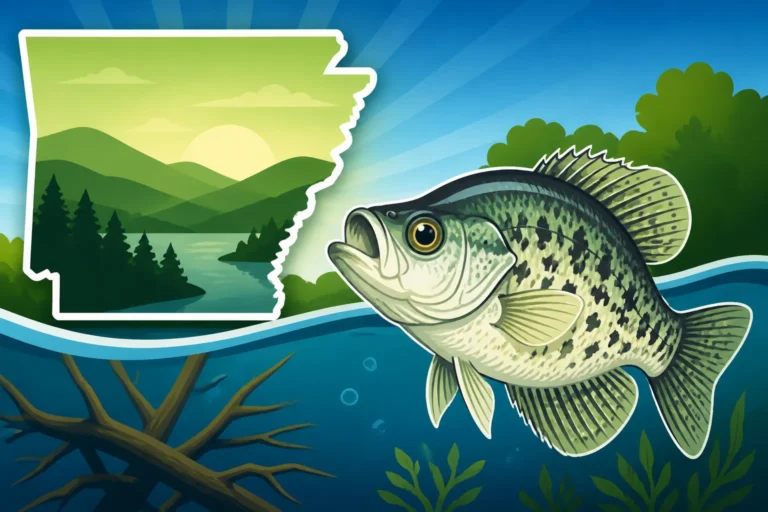
It's a scene as old as Arkansas itself: you're out on the water, fishing for crappie, and you pull in a beautiful specimen. But then the question hits you – is it a black crappie or a white crappie? It might seem like a small detail, but understanding the differences between these two beloved panfish can dramatically improve your fishing success, helping you target their specific habitats and behaviors. This comprehensive guide will help you confidently identify black and white crappie, delve into their distinct characteristics, and share tailored fishing strategies to fill your cooler.
Understanding the Crappie Craze in Arkansas
Crappie fishing in Arkansas isn't just a pastime; for many, it's a cherished tradition, a rite of passage, and a year-round obsession. There's something truly special about chasing these speckled beauties, whether you're navigating flooded timber or jigging over deep brush piles. Our lakes and rivers are teeming with them, providing countless opportunities for both seasoned anglers and those just starting their fishing journey.
Why Crappie are So Popular Here
Crappie hold a special place in the hearts of Arkansas anglers for a multitude of reasons. First off, they're incredibly abundant in many of our best fishing spots, from the sprawling waters of Lake Ouachita to the rich backwaters of the White River National Wildlife Refuge. This means consistent action, which is a huge draw, especially for families fishing with kids who thrive on getting bites. Plus, they're generally not overly finicky, making them accessible to anglers of all skill levels. You don't always need highly specialized gear or advanced techniques to put a few in the boat.
Beyond the thrill of the catch, crappie are absolutely delicious. There’s nothing quite like a fresh crappie fillet, lightly breaded and fried to a golden crisp. This combination of being fun to catch, widespread, and excellent table fare makes them arguably one of the most sought-after game fish across the state. They offer that perfect blend of sport and sustenance that so many of us look for in a fishing trip, making every excursion worthwhile, even if you only catch a handful.
The Core Difference: Black vs. White at a Glance
While both species are colloquially known as "crappie" and share many similarities, understanding their fundamental differences is crucial for becoming a more effective angler. The most obvious, though sometimes subtle, distinction lies in their physical appearance and habitat preferences. Black crappie tend to thrive in clearer, cooler waters with abundant aquatic vegetation, often sporting a more mottled, darker pattern. White crappie, on the other hand, are often more tolerant of murkier, warmer waters, and typically exhibit distinct vertical barring along their sides.
These initial visual cues are just the tip of the iceberg, but they offer a quick way to start distinguishing between your catches. Knowing which species you've hooked can immediately inform your strategies, helping you choose the right fishing spots, baits, and presentation styles. It's not just about identification; it's about unlocking the secrets to consistent success on the water. For more details on what you can legally keep, be sure to check out our guide on Crappie Size and Daily Limit in Arkansas.
The Distinctive Features of Black Crappie
Black crappie, often affectionately called "specks" by those who chase them, are truly a sight to behold. They are widely distributed throughout Arkansas and offer fantastic fishing opportunities, particularly in certain environments. Learning to identify them definitively is the first step toward understanding how to consistently catch them.
Physical Markings and Appearance
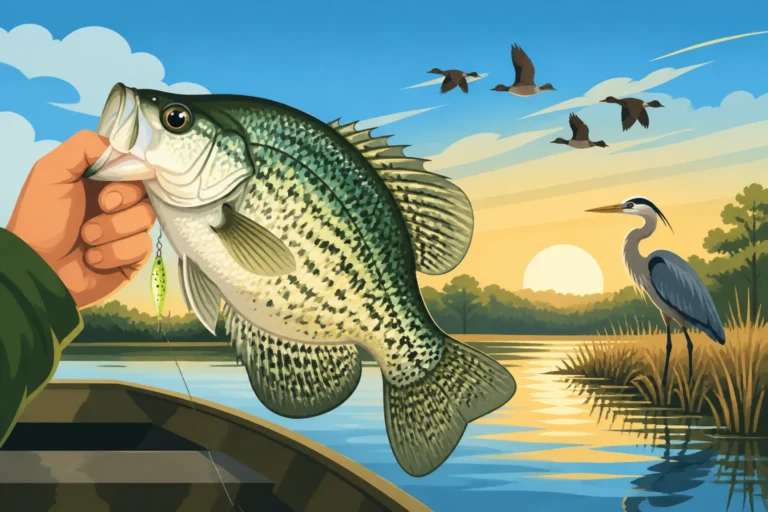
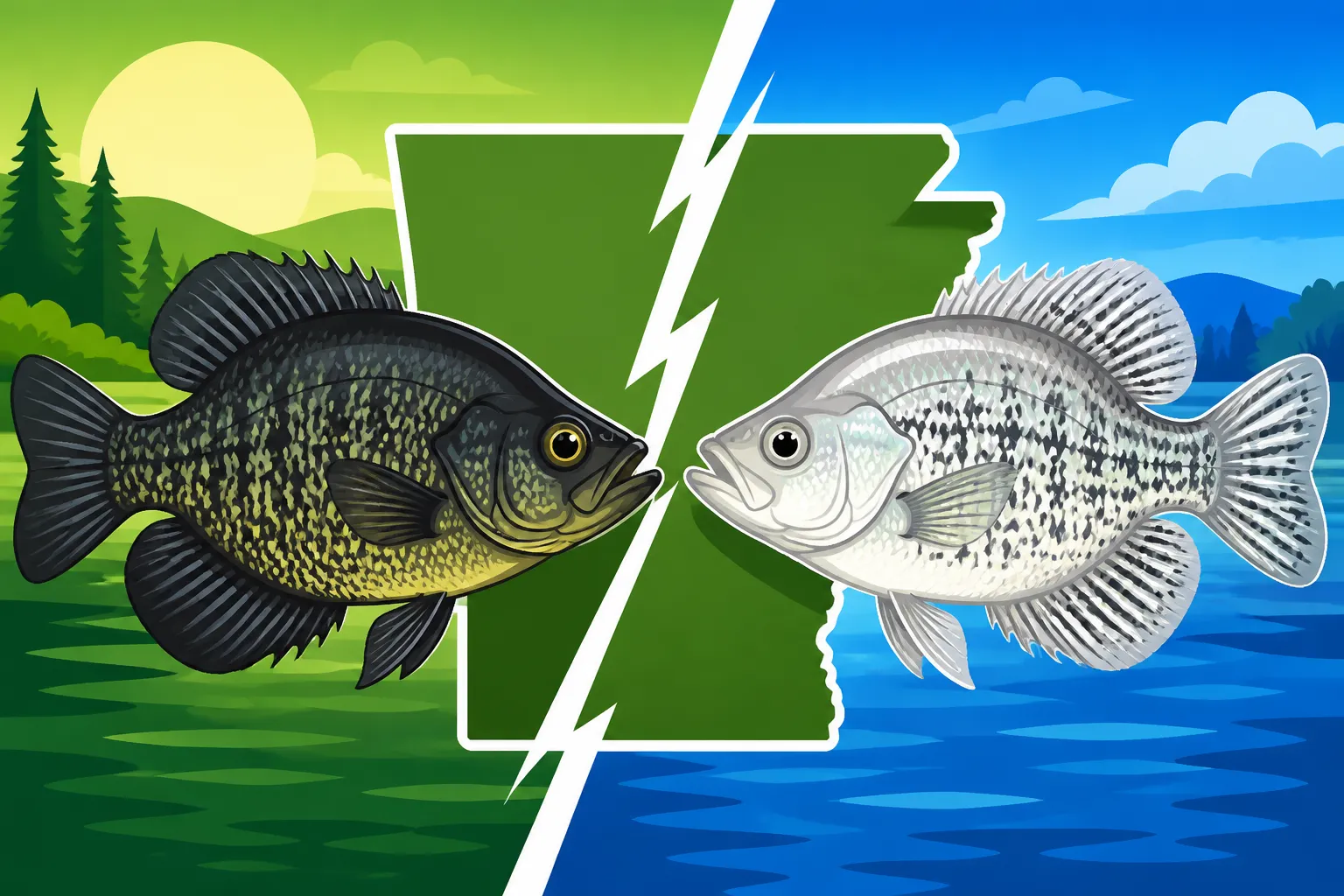
When you look at a black crappie, the first thing you'll likely notice is its overall darker coloration, giving it a somewhat "sooty" or "peppered" appearance. Instead of distinct vertical bars, they have an irregular pattern of dark spots scattered across their silvery-green bodies, almost like a splattered paint job. These spots don't usually form organized lines or bands, but rather create a general dappled effect. This mottled look helps them camouflage perfectly in their preferred vegetated or timber-filled environments.
Another key characteristic, which we’ll delve into more later, involves their dorsal fin. Black crappie typically possess 7 or 8 dorsal spines, a number that remains fairly consistent across individual fish. Their body shape tends to be more disc-like and compact compared to their white crappie cousins, with a somewhat taller profile. They often have a slightly smaller mouth as well. Remember these visual cues, and you'll be well on your way to quickly identifying these beautiful fish.
Preferred Habitat and Behavior
Black crappie are creatures of clear water. They absolutely adore areas with dense aquatic vegetation, submerged timber, brush piles, and rock ledges. Think about the calm, protected coves of a major reservoir like Beaver Lake or the clearer sections of Lake Ouachita. These structures provide both ambush points for feeding on baitfish and invertebrates, and crucial cover from predators. They tend to stick to these structured areas, especially during the brighter parts of the day.
Their behavior is often a bit more subtle than white crappie. They can be found suspended at various depths within these structures, sometimes just a few feet below the surface, other times hugging the bottom in deeper pockets. They appreciate stable water conditions and don't tolerate strong currents or turbidity as well as white crappie. This preference for cleaner, more structured environments means that when you find an area with good cover and clear water, you've likely found a black crappie hotspot.
Spawning Habits and Seasonality
Like all crappie, black crappie spawning is a highly anticipated event for anglers, usually occurring in the spring when water temperatures reach the mid-50s to low-60s Fahrenheit. In Arkansas, this typically means late March through May, though it can vary slightly based on specific lake conditions and regional weather patterns. During this time, male black crappie prepare nests in shallow water, often in depths ranging from just a few inches to several feet. They seek out areas with some sort of cover, be it submerged stumps, lily pads, or thick grass beds.
The males become incredibly territorial and aggressive during this period, guarding the eggs and fry after the female deposits them. This makes them particularly vulnerable to anglers, as they're focused on protection rather than evasion. Post-spawn, they'll gradually move back to deeper cover as the water warms, seeking out those familiar brush piles and submerged structures. Understanding this Arkansas Crappie Spring Spawn Pattern is key to timing your trips for maximum success.
The Characteristics of White Crappie
White crappie are the other half of the crappie equation, and they are arguably the most widely distributed crappie species across Arkansas, thriving in a broader range of water conditions than their black crappie counterparts. They are fantastic fighters and, of course, equally delicious.
Physical Markings and Appearance
Distinguishing a white crappie from a black crappie often comes down to their distinct markings. White crappie typically have a lighter, more silvery body color, and critically, they display several prominent vertical bars or bands along their sides. These bars, usually 6 to 9 of them, run from their back down to their belly and are quite noticeable, especially on a freshly caught fish. These bars are a dead giveaway and your most reliable visual identifier.
Their body shape is also a bit different; white crappie tend to be more elongated and football-shaped, less disc-like than black crappie. Their dorsal fin generally has 6 dorsal spines, a key anatomical difference. They also tend to have a slightly larger mouth than black crappie. These physical traits, particularly the vertical bars, make them fairly easy to tell apart once you know what to look for.
Preferred Habitat and Behavior
White crappie are far more tolerant of varying water conditions, including murkier or more turbid waters, and can be found in systems with more current than black crappie. You'll find them thriving in larger rivers, impoundments, and flood control reservoirs, often congregating around bridge pilings, submerged creek channels, river bends, and areas with rip-rap. They are less reliant on dense aquatic vegetation, instead preferring hard structure and open water. Think of the Arkansas River or Lake Millwood, where water clarity can fluctuate.
Their behavior often involves schooling in open water, sometimes suspending over deep channels or flats, especially during the colder months. They are highly mobile, following schools of baitfish, and their tolerance for less-than-pristine water means they can inhabit a wider array of environments. This adaptability makes them a prime target in many of Arkansas's larger, more dynamic water systems.
Spawning Habits and Seasonality
White crappie also spawn in the spring, typically a bit later than black crappie, when water temperatures climb into the mid-60s to low-70s Fahrenheit. This usually translates to April and May in Arkansas, again with variations based on local conditions. Similar to black crappie, males prepare shallow nests, but they often choose areas with less dense cover. Look for them around shallow brush, stumps, or even relatively open bottoms near deeper water access.
The males are equally protective of their nests, making them active and catchable during this period. After spawning, white crappie often move to deeper areas, congregating in large schools, sometimes suspending over open water structures like old river channels or deep humps, following their primary food source. Knowing the Arkansas Crappie Spring Spawn Pattern is vital for anticipating their movements and being in the right place at the right time.
Key Identification Differences: Side-by-Side Comparison
Confusion between black and white crappie is incredibly common, even among experienced anglers. But once you know the specific features to examine, distinguishing them becomes second nature. It's not just about curiosity; proper identification can sometimes be crucial for adhering to specific local regulations, as some lakes might have different rules for each species.
Counting Dorsal Spines: The Ultimate Tell
If you want an absolutely definitive way to tell the two crappie apart, forget the spots and stripes for a moment and look straight at the dorsal fin – that's the fin on their back. This is where the magic happens!
- Black Crappie: Almost always have 7 or 8 sharp spines in their dorsal fin. It's a remarkably consistent number.
- White Crappie: Almost always have 6 sharp spines in their dorsal fin. Rarely will you see more.
This is the biological, scientific difference that holds true no matter how old the fish is, how clear the water, or how vibrant its colors. Simply lift the dorsal fin gently (be careful of those sharp spines!) and count them. It's a quick, reliable check. If you're struggling to make out spots or bars, counting those spines will give you your answer every time. Having a good fish ID guide with you, perhaps one you downloaded from a fishing app or printed from an online resource like those found on Amazon, can be a lifesaver when you're on the water and unsure.
Spotting Patterns and Body Shape
While the dorsal spines are the most reliable, the visual patterns and body shapes are often the first things we notice and are usually accurate enough for a quick field ID.
- Black Crappie: Their dark spots are typically scattered randomly across their body, creating a mottled or speckled appearance. Think of it like a pepper shaker on a silvery plate. These spots rarely form distinct lines. Their body is generally deeper and more compressed, almost like a dinner plate standing on its edge.
- White Crappie: These fish usually have those distinct vertical bars, which can be faint or quite bold depending on water clarity, light conditions, and the fish's stress level. Imagine stripes running up and down a zebra. Their body tends to be more elongated and slender, often described as more "football-shaped."
These visual cues are often sufficient for identification, especially after you've seen a few of each. Over time, you'll develop an eye for these differences without needing to count spines every time.
How Habitat Gives Them Away
Even before you hook a fish, the environment you're fishing in can give you strong clues about which crappie species you're most likely to encounter.
- Black Crappie: If you're fishing in clear, cool water with lots of submerged timber, thick aquatic vegetation, lily pads, or rock piles, you're squarely in black crappie territory. They love that dense cover and clarity. Think smaller, clearer lakes, or the clean backwaters of larger impoundments.
- White Crappie: If the water is a bit murkier, perhaps with a slight stain or higher turbidity, and you're focusing on open-water structures like bridge pilings, channel bends, extensive rip-rap, or brush piles in deeper, more open water, you're more likely to find white crappie. They are more adaptable to fluctuating water quality and current.
Of course, there are waters in Arkansas where both species coexist, sometimes even in the same general area, especially during spawning season. However, understanding their general preferences helps you narrow down your search and adjust your techniques accordingly. For instance, Lake Monticello is known for its crappie, but understanding which species dominates certain areas can refine your approach. For specific local rules, see Lake Monticello Crappie Limit Rules or Lake Cargile Crappie Limit Rules.
Here’s a quick summary table to help keep these differences straight:
| Feature | Black Crappie | White Crappie |
|---|---|---|
| Dorsal Spines | 7 or 8 | 6 |
| Body Markings | Irregular dark spots (mottled/speckled) | 6-9 distinct vertical bars |
| Body Shape | Deeper, more compressed (disc-like) | More elongated, slender (football-shaped) |
| Water Clarity | Prefers clear water | Tolerates murkier/turbid water |
| Primary Habitat | Dense vegetation, timber, rock ledges | Open water structures, channels, rip-rap |
| Mouth Size | Slightly smaller | Slightly larger |
Fishing Strategies Tailored to Each Crappie Species
Once you can tell your black crappie from your white crappie, you're ready to adjust your fishing approach to match their specific behaviors and habitats. This is where your identification skills really pay off, allowing you to fine-tune your techniques for better results.
Targeting Black Crappie: Finesse in Clear Waters
Because black crappie often inhabit clearer waters and denser cover, a more finessed approach is frequently the key to success. They can be a bit more wary than their white crappie cousins, especially in highly pressured waters.
- Lure Presentation: Think subtle. Small jigs (1/32 oz to 1/16 oz) tipped with a tiny plastic grub or a live minnow are often deadly. Drop them slowly into brush piles, along rock ledges, or into pockets within aquatic vegetation. A slow, gentle jigging motion or just letting the current do the work can be very effective. Sometimes, simply dead-sticking a minnow under a bobber right over a submerged structure is all it takes.
- Line Choice: In clear water, lighter line is your friend. Opt for 4-6 lb test monofilament or fluorocarbon, which is less visible to cautious fish. If you're using braid for sensitivity, consider a fluorocarbon leader.
- Techniques: Vertical jigging or pitching jigs to specific pieces of cover are prime methods. Spider rigging, where multiple rods are spread out to cover a wide area, can also be productive when you're searching for suspended fish in cover. Focus on areas with good shade, especially during bright, sunny days, as black crappie will often tuck themselves deep into cover to avoid direct light. Having a small, portable fish finder can help you locate these fish-holding structures quickly, and many great options are available on Amazon that fit any budget. For basic techniques, check out Crappie Jigging Basics for Beginners.
Luring White Crappie: Adapting to Murky Environments
White crappie, with their tolerance for murkier water and preference for open-water schooling, often respond well to slightly more aggressive presentations and techniques that allow you to cover more water.
- Lure Presentation: While small jigs and minnows still work, white crappie are often more receptive to slightly larger jigs (1/16 oz to 1/8 oz) and can be less color-sensitive in stained water. Brighter colors or those with UV properties can stand out better in low visibility. Trolling with multiple jigs at different depths is a highly effective way to locate schools of white crappie suspended over open water or along channel breaks. They're often chasing baitfish in these areas, so a lure that mimics a fleeing baitfish can be very appealing.
- Line Choice: You can often get away with slightly heavier line, like 6-8 lb test, especially if you're trolling or fishing around snags where a little extra abrasion resistance is helpful.
- Techniques: Trolling jigs or crankbaits, drift fishing with minnows, or casting and retrieving jigs along channel edges and bridge pilings are excellent tactics. Look for large schools on your sonar, and once you find them, you can often catch multiple fish in quick succession. During periods of higher flow in rivers, casting upstream and letting your jig drift naturally with the current past submerged logs or rock formations can also be productive. Don't forget to explore docks and piers, which often hold schools of white crappie, especially in urban areas.
Common Baits and Lures for Both
While specific presentations might differ, many baits and lures are universally effective for both black and white crappie, making them essential additions to any crappie angler's tackle box.
- Live Minnows: The undisputed king of crappie baits. A small live minnow hooked through the back or lips, fished under a bobber or on a bare hook, is incredibly hard for any crappie to resist.
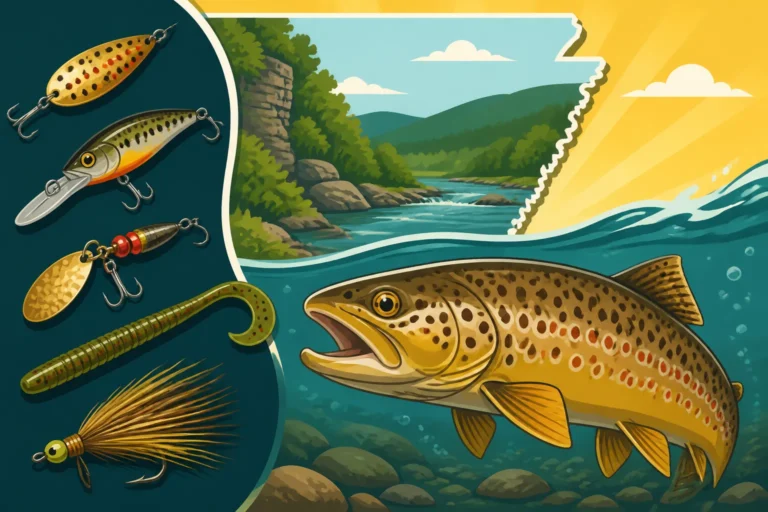
- Jigs: Small lead-head jigs (1/32 oz to 1/8 oz) paired with soft plastic bodies are incredibly versatile. Grubs, tubes, and small minnow imitations in various colors are staples. What Colors Work Best for Crappie Jigs in Arkansas can give you some local insights.
- Tubes and Grubs: These soft plastics offer fantastic action and can be fished vertically, cast, or trolled. Experiment with colors based on water clarity; natural tones for clear water, brighter or darker colors for stained water.
- Small Crankbaits: Especially effective for trolling or casting to aggressive, schooling crappie. Look for shallow-diving models that mimic small baitfish.
- Hair Jigs: Often overlooked, but incredibly effective, especially for wary crappie. The subtle pulse of natural hair in the water can entice bites when plastics fail.
Having a good selection of these basics, easily found at local tackle shops or online retailers like Amazon, will ensure you’re prepared for whatever crappie you encounter in Arkansas.
Where to Find Both Black and White Crappie in Arkansas
Arkansas is a crappie angler's paradise, boasting an incredible array of lakes and rivers that hold both black and white crappie. Knowing where to go and when to be there is half the battle won.
Top Lakes and Rivers for Crappie Fishing
Our state offers an embarrassment of riches when it comes to crappie fishing. Some waters are renowned for one species over the other, while many offer fantastic mixed bags.
- Lake Ouachita: Often celebrated for its clear waters, Lake Ouachita is a prime spot for black crappie. Look for them in the timber-filled coves and around submerged brush piles. It’s a stunning lake to fish, offering both numbers and quality. For more specific spots, read Where to Catch Crappie on Lake Ouachita.
- DeGray Lake: Another fantastic clear-water impoundment that produces excellent black crappie, especially around its abundant standing timber and brush. The state park areas offer great access.
- Bull Shoals Lake: While known for its bass, Bull Shoals also has a healthy population of both black and white crappie. Its varied structure, from deep channels to rocky points, caters to both species.
- Norfork Lake: Similar to Bull Shoals, Norfork is a large, clear reservoir where you can find both crappie species, though black crappie often dominate the clearer, timbered sections.
- Arkansas River: This vast river system, with its numerous oxbows, backwaters, and lock-and-dam pools, is a white crappie stronghold. The often-stained water and abundant current suit them perfectly. Look for them around log jams, bridge pilings, and creek mouths.
- White River National Wildlife Refuge: This unique area along the lower White River is a haven for white crappie, particularly in its cypress-lined lakes and sloughs. The shallow, often murky waters are ideal. Our guide to Crappie Fishing at Arkansas's White River National Wildlife Refuge has more details.
- Lake Conway: Near Little Rock, this timber-filled lake is a classic crappie fishery that holds both species, but particularly good numbers of white crappie. Its shallow, fertile waters are perfect for early spring fishing.
Regardless of where you go, consulting local bait shops or online fishing reports can give you the most up-to-date information on where the crappie are biting.
Seasonal Movement and Best Times to Fish
Crappie movements are heavily influenced by water temperature and the spawning cycle, making seasonality a crucial factor in your fishing success.
- Spring (Pre-Spawn & Spawn): This is prime time for crappie fishing! As water temperatures rise into the 50s and 60s, both black and white crappie move into shallow water to spawn. Look for them in less than 10 feet of water, often much shallower, around any available cover. This is when they are most accessible and aggressive.
- Summer: As water temperatures soar, crappie retreat to deeper, cooler waters. They often suspend over brush piles, submerged creek channels, or river bends. Early mornings, late evenings, and even night fishing can be productive as they move shallower to feed.
- Fall: As waters cool, crappie become active again, often schooling up in predictable patterns. They'll move shallower to feed on baitfish before winter sets in, making for excellent fishing, especially in the mornings and afternoons.
- Winter: Crappie will be in their deepest haunts, often suspended in large schools over deep water structure, humps, or channel edges. Fishing vertically with jigs or minnows is the most effective approach. They can still be caught, but you'll need to locate these schools, often with the aid of good electronics. For a broader overview, check out our Arkansas Crappie Fishing Season Guide.
Generally, the best times of day to fish for crappie are during periods of low light – dawn and dusk – or on cloudy, overcast days. During bright, sunny conditions, they tend to burrow deeper into cover.
Special Regulations and Limits for Crappie
It is absolutely vital for every angler to be aware of and abide by Arkansas's fishing regulations for crappie. These regulations are in place to ensure healthy fish populations for future generations and can vary from statewide limits to specific rules for individual lakes or rivers.
- Statewide Limits: Arkansas has a statewide daily limit for crappie, typically affecting the number of fish you can keep and sometimes a minimum length requirement. These limits apply to both black and white crappie unless otherwise specified.
- Lake-Specific Regulations: Many of our popular crappie lakes, like Lake Monticello or Lake Cargile, have special regulations that differ from the statewide rules. These might include reduced daily limits, slot limits (where fish within a certain size range must be released), or different minimum length requirements. It's crucial to check the current Arkansas Game and Fish Commission (AGFC) regulations handbook for the specific water body you plan to fish. You can usually pick up a physical copy at most sporting goods stores or find a digital version on the AGFC website.
- Possession Limits: While Arkansas has adjusted its possession limit rules, it's still important to understand what constitutes a legal catch and how many fish you can have on your person or in your cooler. Always be clear on the rules before you head out.
Failing to follow these regulations can result in fines and other penalties. It’s always better to be safe than sorry, so take a moment to review the current rules before each trip. Being a responsible angler means not only catching fish but also understanding how to protect our precious resources.
Disclaimer
This article is for general informational purposes only and does not constitute professional advice. Laws, prices and regulations vary by location and change over time. Consult a qualified professional for guidance on your specific situation.