Best Live Bait for Crappie Fishing
There's nothing quite like the thrill of a crappie hitting your line, especially when you know you've presented them with exactly what they're looking for. But let's be honest, standing there with a bucket of bait, wondering if you've made the right choice, can be a real head-scratcher. Every angler has experienced days where the crappie just aren't biting, and it often comes down to the bait. This guide is here to cut through the confusion and help you understand the best live bait options for crappie fishing in Arkansas, ensuring your next trip is filled with more catches and fewer "what-ifs."
Understanding Crappie and Their Feeding Habits
Before we even talk about specific baits, it's crucial to understand the fish you're targeting. Crappie, whether you're after black or white varieties, are fascinating creatures with distinct habits that directly influence what they’ll bite. Knowing their preferred environment and how their diet changes with the seasons can be the ultimate game-changer for your success on the water.
Crappie Biology and Behavior
Crappie are schooling fish, meaning they typically hang out together in groups, which is fantastic news when you find a productive spot. They're visual predators, often preferring clear to moderately stained water where they can easily spot their prey. Their mouths are relatively small and delicate, which is an important consideration when selecting your hook size and bait presentation. They tend to ambush their prey rather than aggressively chase it down, often lurking around submerged structures like brush piles, standing timber, docks, and bridge pilings.
These fish are also quite sensitive to changes in light and water temperature. They often become more active during low-light conditions, such as dawn and dusk, or on cloudy days. Understanding this natural inclination means you might have better luck with certain baits when the sun isn't directly overhead, as they're more likely to be out and actively foraging. Furthermore, crappie are notorious for suspending in the water column, neither on the bottom nor right at the surface, which means you need to be prepared to present your bait at varying depths.
Seasonal Changes in Feeding
Crappie feeding habits aren't static; they shift dramatically throughout the year. During the cooler months of winter, their metabolism slows down, and they become less active, often retreating to deeper waters. At this time, a smaller, less active bait presented slowly can be more effective. They're conserving energy, so a big, fast-moving meal isn't usually on their menu.
As spring arrives, the water warms, and crappie begin their famous spawn. This is arguably the most anticipated time for many crappie anglers. During the pre-spawn and spawn, crappie move into shallower waters to build nests and lay eggs. Their appetite increases significantly as they prepare for and recover from the strenuous spawning process. This is when they're often at their most aggressive, and a well-presented live bait near their spawning grounds can lead to incredible action. You can learn more about this exciting period in our comprehensive When Do Crappie Spawn in Arkansas guide. Post-spawn, they might be a bit lethargic before transitioning back to their summer patterns of moving between shallow cover and deeper, cooler waters.
Top Live Baits for Crappie
When it comes to live bait for crappie, there are a few undisputed champions and some underrated contenders that can really make a difference on a tough day. Having a variety of options and knowing when to use each can significantly boost your catch rate.
Minnows: The Uncontested King
If there's one bait that every serious crappie angler swears by, it's the minnow. Specifically, small fathead minnows or shiners are crappie magnets. Their natural movement, flash, and scent are irresistible to crappie. Minnows mimic the crappie's primary forage, making them the most natural and effective choice in almost any situation. Whether you're fishing a quiet cove on Lake Conway or targeting deeper structures on Bull Shoals Lake, a lively minnow is almost always a solid bet.
When selecting minnows, look for healthy, active ones. A sluggish minnow in your bait bucket likely won't be much more appealing to a crappie than a piece of rubber. The size of the minnow also matters; generally, smaller minnows (1-2 inches) are best, especially for black crappie with their smaller mouths. However, if you're targeting larger slab crappie, don't be afraid to experiment with slightly bigger minnows to entice those trophy fish. You can often find excellent bait buckets and portable aerators to keep your minnows lively on Amazon, which can be a real lifesaver on a hot day.
Worms and Larvae: Versatile Alternatives
While minnows might hold the crown, various worms and larvae offer fantastic alternatives, especially when crappie are less active or when you're looking for something that stays on the hook a bit longer.
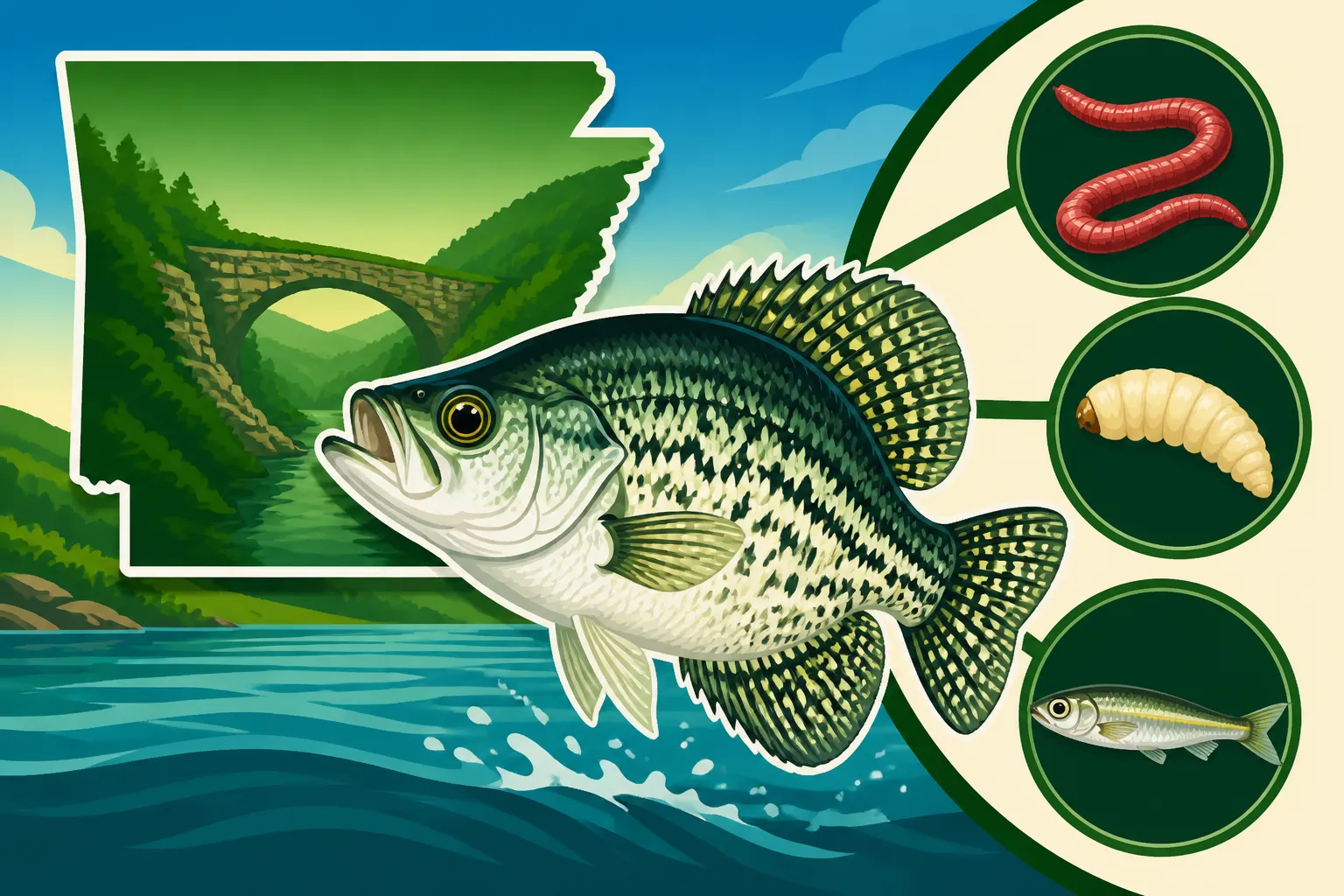
- Wax Worms: These small, creamy-colored larvae are excellent for crappie, particularly in cooler water or when crappie are finicky. Their soft bodies and subtle movements are often enough to tempt a hesitant crappie. They’re also less messy than regular earthworms and can be stored easily.
- Mealworms: Similar to wax worms, mealworms are another great option. They are readily available at most bait shops and pet stores. They’re a bit tougher than wax worms, making them more durable on the hook, which is a plus when you're getting short bites or dealing with smaller panfish nipping at your bait.
- Red Worms: These are common earthworms, smaller than nightcrawlers, and a staple for many panfish anglers. Crappie will definitely hit a red worm. Their squiggly action in the water releases natural scent that can draw in curious crappie from nearby cover. They're extremely versatile and can be fished under a bobber or on a jig head.
These baits are fantastic if you're trying to streamline your gear or if you're introducing kids to fishing, as they're easier to handle and rig than live minnows. They also tend to attract other panfish like bluegill, adding to the fun.
Crustaceans and Insects: Lesser-Known Gems
Sometimes, thinking outside the box can lead to surprising success. While not as commonly used for crappie as minnows or worms, certain crustaceans and insects can be highly effective, especially in specific environments or during particular times of the year.
- Small Grasshoppers or Crickets: During the warmer months, especially near grassy banks or overhanging vegetation, crappie will readily feed on insects that fall into the water. A small grasshopper or cricket fished on a light wire hook with minimal weight can be deadly. The natural buzz and struggle on the surface or just below can trigger aggressive strikes from hungry crappie.
- Small Crayfish (or pieces): In waters where crayfish are abundant, crappie won't hesitate to devour a small one. Crappie, particularly larger ones, will forage on smaller crayfish if they present an easy meal. While harder to present effectively due to their shell, a small, soft-shelled crayfish or even a piece of one can be surprisingly effective when crappie are dialed into larger forage. This is often more effective in river systems like the Caddo River or Little Missouri River where crayfish are a common food source for many species.
These baits require a bit more effort to source and maintain but can be exceptional when other baits are failing. Always remember to check your local regulations, such as Arkansas Fish Size and Daily Limits, to ensure you’re adhering to the rules, no matter what bait you're using.
Rigging and Presenting Live Bait
Having the best live bait is only half the battle; knowing how to rig and present it effectively is just as important. Crappie are finicky eaters, and a natural, enticing presentation can make all the difference.
Hooking Minnows for Max Appeal
Properly hooking a minnow is crucial to keeping it alive and presenting it naturally. There are a few tried-and-true methods, each with its own advantages:
- Through the Lips: This is perhaps the most common method. Hook the minnow through both lips, from the bottom up. This allows the minnow to swim freely and naturally, attracting attention. It's excellent for fishing under a bobber or slow trolling.
- Through the Dorsal Fin (Back): For this method, gently pass the hook just below the dorsal fin, making sure not to pierce the minnow's spine. This allows the minnow to swim horizontally and often encourages it to dive, making it ideal for presenting near submerged cover. Be very gentle to avoid injuring the minnow too much, as you want it to remain lively. This is a favorite technique when using a fishing pole holder while sitting on a dock or fishing from a boat.
- Through the Tail: Less common but effective for a different presentation, hooking through the tail allows the minnow to swim in a more frantic, struggling manner. This can sometimes trigger a strike from an otherwise uninterested crappie.
No matter how you hook it, use a small, sharp hook, typically a size 4 or 6 light-wire Aberdeen hook. These hooks are thin enough not to harm the minnow excessively and tend to straighten out if snagged, allowing you to retrieve your line. You can find quality hooks and other terminal tackle easily on Amazon.
Presenting Worms Naturally
Worms and larvae require a different approach to maximize their appeal. The key is often to let them move as naturally as possible, mimicking their real-life behavior.
- Wacky Rigging: For red worms, you can "wacky rig" them by hooking them through the middle of their body. This allows both ends of the worm to wriggle freely, creating an irresistible action. This works well when fishing without a bobber, letting the worm slowly sink through the water column.
- Small Jig Head: A tiny jig head (1/32 to 1/16 ounce) tipped with a wax worm or mealworm can be incredibly effective. The jig head adds a bit of weight for casting and allows for controlled vertical presentation. A slow jigging motion or simply allowing it to drift can be very productive, especially in tight cover where crappie are hiding. This is a common technique, often referred to as Crappie Jigging Basics for Beginners, but using live bait rather than an artificial jig alone.
- Under a Bobber: This classic setup is simple yet highly effective. A small bobber suspends your worm at a desired depth, and any subtle movement of the water or light twitch of your rod will make the worm dance, drawing attention.
Always use the lightest line possible – 2 to 4-pound test fluorocarbon or monofilament – to ensure a natural presentation and minimize visibility in the water.
Depth and Structure: Where to Present
Crappie are masters of structure. They love to relate to anything that provides cover and shade, whether it's a downed tree, a man-made brush pile, bridge pilings, or even boat docks. Knowing their preferred depths and locations is critical for presenting your live bait effectively.
- Identifying Key Structures: Look for irregularities on your fish finder or simply observe visible cover along the banks. Submerged timber, rock piles, and old creek channels are prime crappie hangouts. When targeting these areas, try to drop your bait directly into or just above the cover.
- Finding the Right Depth: Crappie will suspend at different depths depending on the season, time of day, and water temperature. Don't assume they are always on the bottom. Start by exploring different depths until you find where the fish are holding. Using a sensitive rod and reel combination can help you detect the subtle bites of crappie at various depths. Our guide on How to Find Crappie in Deep Water provides more in-depth strategies for this.
- Vertical Jigging and Drifting: When fishing brush piles or timber, vertical jigging or slowly drifting your live bait directly above or within the structure is incredibly effective. For open water, especially in lakes like Norfork Lake or Lake Ouachita, slow trolling with multiple rods at varying depths can help you cover more water and locate schools of crappie. Remember, the Crappie must be 9 inches or longer to keep in Arkansas in most waters, so be mindful of sizes.
Sourcing and Caring for Your Live Bait
The quality of your live bait directly impacts your fishing success. A lively, healthy bait is far more enticing to a crappie than a sluggish, dying one. Knowing where to get your bait and how to keep it fresh is paramount.
Buying vs. Catching Your Own
Many anglers face the perennial question: buy bait or catch it yourself? Each option has its merits.
- Buying Live Bait: For convenience, buying minnows, worms, or crickets from a local bait shop is often the easiest route. Bait shops typically offer a consistent supply of healthy bait, and the staff can often provide valuable local insights into what's been working. This is especially true for popular destinations like those around Greers Ferry Lake or Beaver Lake. When buying, always inspect the bait to ensure it's lively and free of disease. A good bait shop will have aerated tanks to keep their minnows in top condition.
- Catching Your Own Bait: This can be a rewarding and cost-effective option, particularly for worms or sometimes minnows if you have a bait trap. Digging your own red worms after a rain or setting a minnow trap in a shallow creek can connect you more deeply with the fishing process. Just be aware of local regulations regarding bait collection, as some areas might have restrictions on methods or species. The satisfaction of catching a crappie on bait you personally procured is unmatched, but it requires more time and effort.
Keeping Bait Alive and Healthy
Once you have your live bait, keeping it alive and active is critical. Dead or dying bait is far less effective and often ignored by crappie.
- Minnows: A good quality bait bucket with an aerator is non-negotiable for minnows. The aerator keeps the water oxygenated, which is vital for their survival. Avoid overcrowding your bait bucket, and change the water periodically, especially if it starts to get murky or warm. Adding a small amount of ice (melted from bottled water to avoid chlorine) can also help keep the water cool and oxygen levels up on hot days. Insulated bait buckets, often available on Amazon, are excellent for maintaining a stable water temperature.
- Worms and Larvae: Keep worms and larvae in a cool, dark place. For red worms, a container with moist soil or shredded newspaper is ideal. Wax worms and mealworms can be stored in their original containers with a little cornmeal or sawdust in the refrigerator (not the freezer!) for extended periods. This keeps them dormant but alive and ready for action. They don't require aeration but do need to be kept out of direct sunlight and extreme heat.
- General Tips: Always handle live bait gently. Avoid touching minnows with dry hands, as it can remove their protective slime coat, making them more susceptible to disease. Minimize the time bait spends out of water. By taking these steps, you'll ensure your live bait remains vibrant and attractive, increasing your chances of a successful crappie outing.
Live Bait Comparison Table
To help you quickly decide which live bait might be best for your next crappie adventure, here’s a quick comparison:
| Bait Type | Primary Appeal | Best Season/Conditions | Durability on Hook | Sourcing | General Crappie Size Targeted |
|---|---|---|---|---|---|
| Minnows | Natural movement, flash, scent | Year-round, especially active periods | Medium | Buy | All sizes, especially larger slabs |
| Wax Worms | Subtle movement, soft texture | Cooler water, finicky crappie | Low | Buy | Small to medium |
| Mealworms | Subtle movement, durable | Cooler water, consistent bites | Medium-High | Buy | Small to medium |
| Red Worms | Natural wriggling, scent | Versatile, good for beginners | Medium | Buy/Catch | Small to medium, panfish |
| Grasshoppers | Surface disturbance, natural look | Summer, near grassy banks | Low | Catch | Medium to large |
| Small Crayfish | Larger profile, natural forage | Warmer water, bigger crappie | High | Catch | Larger slabs |
Choosing the right live bait for crappie fishing in Arkansas doesn't have to be a mystery. By understanding the crappie's behavior, knowing your bait options, and mastering presentation, you'll be well on your way to a cooler full of delicious slabs. Whether you swear by the simple effectiveness of a minnow or like to experiment with different worms, the joy of the catch is what truly matters. And who knows, maybe that secret weapon you found on Amazon will be the key to your next big crappie story!
Disclaimer
This article is for general informational purposes only and does not constitute professional advice. Laws, prices and regulations vary by location and change over time. Consult a qualified professional for guidance on your specific situation.