Best Fishing Spots on the Cossatot River, Arkansas
The Cossatot River in Arkansas isn't just a picturesque waterway; it's a legendary challenge for anglers seeking serious adventure and the thrill of battling smallmouth bass in some of the state's most rugged terrain. Many folks are intimidated by its reputation for fierce rapids, but with the right approach and knowledge of its hidden gems, you can unlock incredible fishing opportunities that few experience. This guide will walk you through the best fishing spots on the Cossatot River, helping you navigate its unique character and maximize your chances of a rewarding trip.
Understanding the Cossatot River's Unique Challenges and Rewards
Let's be honest, when most people hear "Cossatot River," they probably think of whitewater rafting, not fishing. And for good reason! This river, particularly the section known as the "Cossatot Killers," is famous for its Class IV and V rapids. It's often called the "River of Rocks" for its incredibly rocky streambed and steep gradient. This reputation, while deserved, often overshadows the fantastic fishing opportunities that lie within and around its more intense sections. But for the dedicated angler, these challenges are precisely what make it such a rewarding destination.
The "Cossatot Killers" and What They Mean for Anglers
The "Cossatot Killers" refers to a roughly 4.5-mile stretch within the Cossatot River State Park-Natural Area, where the river plunges dramatically through a series of formidable rapids. This section is a Mecca for experienced kayakers and rafters, but for us anglers, it means a few things. First, it's not a place you'll be easily float-fishing in a conventional boat or even a kayak unless you're an expert whitewater paddler with a very specific, lightweight setup. The sheer force of the water, the massive boulders, and the powerful hydraulics make it extremely dangerous for anything but specialized craft.
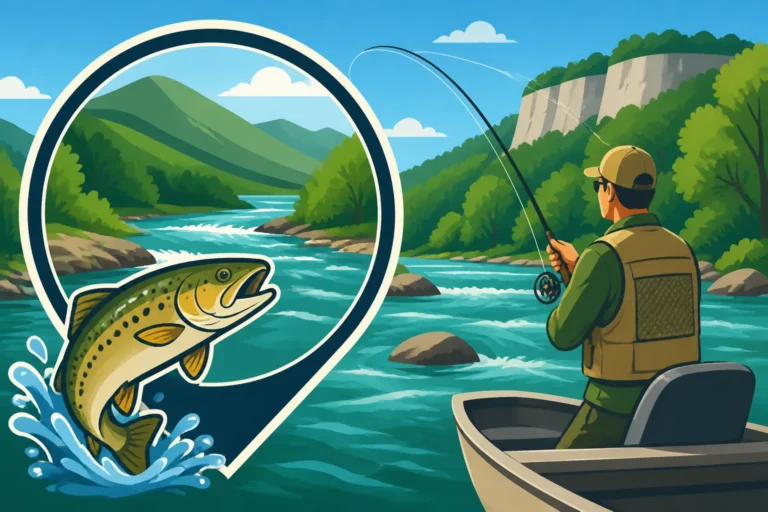
However, this doesn't mean it's unfishable. Far from it! These rapids create highly oxygenated water and numerous deep pools, eddies, and seams that are absolute magnets for fish, especially smallmouth bass. The trick is accessing these spots safely and often by foot. Think rugged wade fishing. You'll be rock-hopping, climbing, and sometimes navigating slippery terrain. It demands good physical conditioning, sturdy wading boots with excellent grip, and a keen eye for reading the water. The reward for this effort? Untouched stretches of river, aggressive fish, and a sense of accomplishment that a roadside pond just can't offer. It's truly a wilderness experience, so make sure you're always checking current water levels and conditions before heading out.
Key Fish Species to Target in the Cossatot
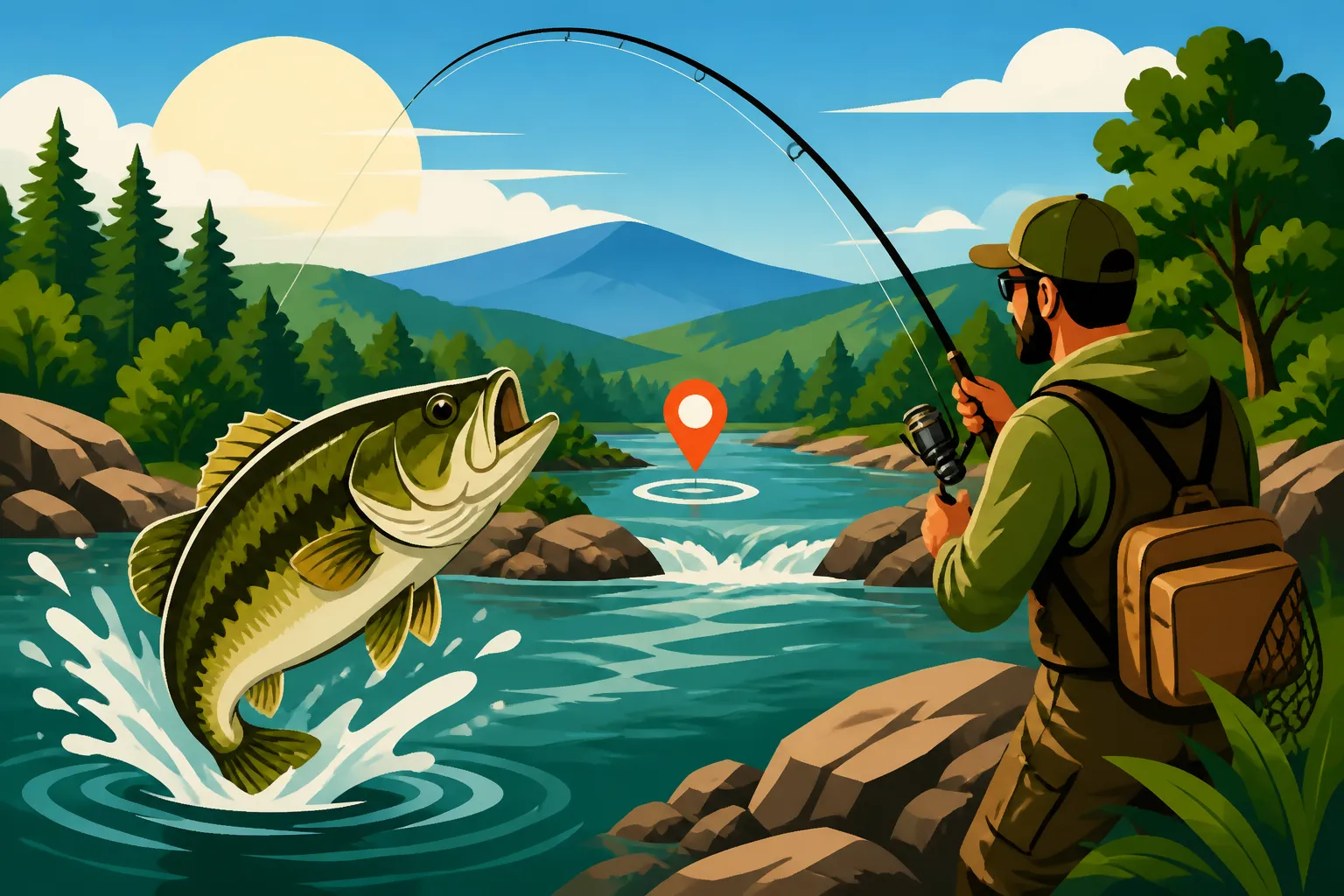
While the Cossatot might not boast the sheer diversity of some of Arkansas's larger rivers, it makes up for it with quality. The primary target here, and what most anglers come for, is the smallmouth bass. These bronze warriors thrive in the Cossatot's cool, clear, rocky waters and fast currents. They're aggressive, feisty, and put up an incredible fight, making them a favorite among river anglers.
You'll find them holding in the slower water just behind current breaks, in the deeper pools, and along the edges of rapids where they can ambush prey. They feed on crayfish, minnows, and aquatic insects, so tailoring your presentation to these food sources is key. Occasionally, you might also encounter spotted bass (sometimes called Kentucky bass), which share similar habitats and fighting characteristics with smallmouths. While less common, these fish are equally fun to catch. Keep in mind that for smallmouth bass on Arkansas's moving waters, the minimum length for keeping them is typically 12 inches, with a daily limit of two fish. It's always a good idea to check the latest Arkansas Fish Size and Daily Limits before you head out, as regulations can sometimes have localized exceptions.
Prime Access Points and Fishing Zones on the Cossatot River
Getting to the Cossatot River's best fishing spots requires a bit of planning, and sometimes, a little bushwhacking. Unlike larger, more developed rivers, access points can be limited, and the terrain can be challenging. But don't let that deter you; the effort is well worth it for the pristine experience and the quality of the fishing.
Cossatot River State Park-Natural Area Access
The heart of the Cossatot's accessible fishing lies within the Cossatot River State Park-Natural Area, located just north of Wickes, Arkansas, in Polk County. This park protects a significant portion of the river, offering some designated access points and primitive trails.
One of the most popular, though still challenging, areas is around Cossatot Falls. You can park near the Cossatot Falls overlook and then hike down to the river. Be warned: this descent can be steep and rocky, so pack light and wear appropriate footwear. Once you're down at the river, the "falls" area is primarily rapids, but the pools immediately above and below these intense sections can hold excellent smallmouth bass. You'll need to carefully scout for safe wading lanes and avoid getting too close to the main rapids. This area is fantastic for targeting fish in oxygenated white water seams and deep pockets. It's often a "walk-in, wade-out" type of experience, covering ground on foot and casting into promising structure.
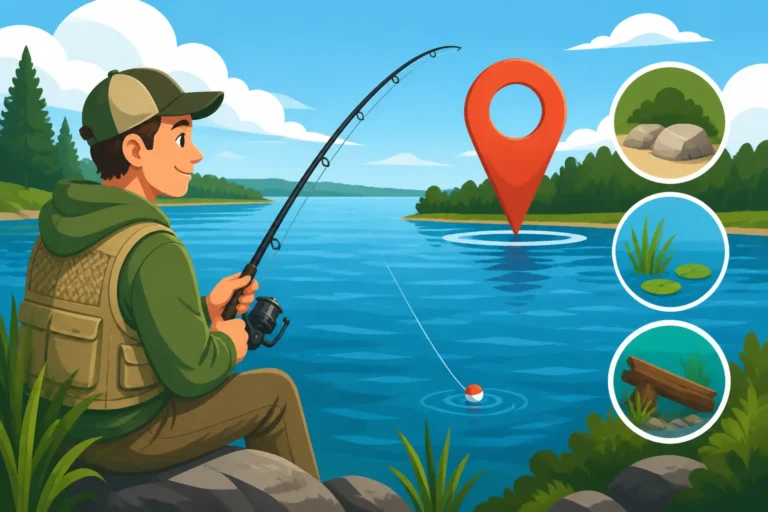
Another potential access point is the Brushy Creek area, which provides a slightly less intense entry to the river. While still wild, some sections here might offer a bit more consistent wading opportunities without immediate proximity to the most extreme rapids. These spots typically provide access to gravel bars, submerged logs, and boulders – all classic smallmouth bass habitat. For those looking for a truly immersive experience, this state park is also home to primitive campsites, allowing you to wake up right by the river and maximize your fishing time. Remember, the deeper you're willing to hike, the less fishing pressure you're likely to encounter.
Upstream and Downstream Access for Different Experiences
While the State Park is the most well-known, the Cossatot River flows for about 26 miles, and there are other stretches that offer varying experiences.
Upstream from Cossatot Falls: As you move further upstream from the main falls area, the gradient tends to be slightly less severe, and the river can become more suitable for a more traditional wade-fishing approach. These sections still have plenty of rocky structure and current, but you might find longer, calmer pools interspersed with riffles, making it easier to cover ground. Access to these areas often involves looking for county roads or forest service roads that intersect or run parallel to the river. Keep an eye out for small pull-offs or existing footpaths, though these might not always be clearly marked. These upstream stretches are excellent for anglers who prefer to systematically work a riverbed without the constant presence of extreme whitewater. You might also find a bit more overhead cover from trees, offering different types of holding water for bass.
Downstream from the State Park: Once the Cossatot River passes beyond the state park boundaries and the most intense rapids, it begins to mellow out considerably. Closer to its confluence with the Little River, the Cossatot transforms into a wider, slower-moving river with more sand and gravel bars, and fewer dramatic rock gardens. This downstream section becomes more suitable for float-fishing, especially with kayaks or canoes, where you can cover more ground and access deeper holes that are difficult to reach on foot. You might still find smallmouth here, but as the river changes character, you could also start to encounter species like spotted bass, largemouth bass, and various sunfish. Finding access points downstream often involves exploring bridge crossings or private land (with permission, of course). When planning such a trip, consider bringing a good topographic map or using a GPS app to scout potential entry and exit points.
| Cossatot River Access Type | Primary Fish Species | Terrain/Challenge Level | Recommended Technique | Notes |
|---|---|---|---|---|
| Cossatot Falls (Park) | Smallmouth Bass | Extreme (Class IV-V Rapids) | Wade Fishing (Extreme) | Requires excellent physical condition, sturdy wading gear. Untouched, aggressive fish. |
| Brushy Creek (Park) | Smallmouth Bass | Moderate-Difficult (Steep trails, rocky wading) | Wade Fishing | Slightly less intense than the falls, but still rugged. Good for exploring pools and riffles. |
| Upstream Sections | Smallmouth Bass, Spotted Bass | Moderate (Rocky wading, calmer sections) | Wade Fishing, Fly Fishing | Easier to cover ground, longer pools. Look for forest service road access. |
| Downstream Sections | Smallmouth Bass, Spotted Bass, Largemouth Bass, Sunfish | Easy-Moderate (Wider, slower currents) | Kayak/Canoe Float, Wade Fishing (limited) | More accessible for floating. Different fish species may be present closer to Little River confluence. |
Essential Gear and Techniques for Cossatot River Fishing
Fishing the Cossatot River isn't like casting into your local pond. The unique environment demands specific gear and techniques to not only catch fish but also ensure your safety and comfort. Being prepared can make all the difference between a frustrating trip and a memorable angling adventure.
Recommended Tackle for Smallmouth Bass
When it comes to tackle for the Cossatot, think durable and versatile. You'll be making a lot of casts, often in tight quarters, and battling strong fish in current.
For spin fishing, a medium-light to medium power spinning rod, around 6'6" to 7' in length, paired with a reliable 2000 or 2500 series spinning reel, is a great all-around choice. Spool up with 6-10 lb fluorocarbon or braided line with a fluorocarbon leader. Fluorocarbon is less visible in the clear water and more abrasion-resistant against all those rocks. As for lures, smallmouth bass in the Cossatot are suckers for crayfish imitations. Think small jigs (1/8 to 1/4 oz) with brown or green pumpkin creature baits or tubes. Small crankbaits that dive 2-6 feet in natural crawfish or minnow patterns are also deadly. Spinnerbaits and buzzbaits can work in stained water or during low light conditions, while small topwater lures can produce explosive strikes in calmer pools, especially in the mornings and evenings. When fishing rocky streams, it’s worth experimenting with the Best Bait for Smallmouth Bass in Rocky Streams.
For fly fishing, the Cossatot offers fantastic opportunities, especially for those who enjoy the challenge of technical wading and precise casts. A 4-weight to 6-weight fly rod, paired with a floating line, is ideal. Leaders should be relatively stout, 7.5 to 9 feet with a 2X or 3X tippet, to handle strong fish and abrasive rocks. For flies, go-to patterns include crayfish imitations (e.g., Clouser Crayfish, Critter Craw), various stonefly nymphs (e.g., Pat's Rubber Legs, Girdle Bug), Woolly Buggers in black, olive, or brown, and even poppers or deer hair bugs for topwater action in the right conditions. Learning Fly Fishing Techniques for Beginners can really elevate your experience on a river like the Cossatot.
Remember, whatever your preferred method, bring a selection of lures or flies, as the fish can be particular, and losing tackle to snags is a common occurrence in such rocky environments.
Safety and Navigation Tips for the Cossatot
The Cossatot River is not a place to take safety lightly. Its beauty is matched by its inherent dangers, especially during periods of high water.
Wading Safety: This is paramount. Always wear sturdy wading boots with felt or studded soles for maximum grip on slippery rocks. A wading staff is not optional; it's a lifesaver, providing crucial balance and allowing you to probe water depth before stepping. Never wade alone, and always let someone know your float plan or exact fishing location and expected return time. Be acutely aware of water levels – even a slight rise can turn a safe crossing into a dangerous one. Heavy rainfall upstream can change conditions rapidly, so check local weather forecasts and river gauges before and during your trip.
Navigation: The Cossatot River State Park-Natural Area has some marked trails, but many fishing spots require venturing off the beaten path. A waterproof map, compass, and a fully charged cell phone (though service can be spotty in remote areas) or a GPS device are essential. Familiarize yourself with the terrain and potential hazards before you go. If you're planning a float trip in the mellower downstream sections, ensure your kayak or canoe is rated for the conditions and carry all necessary safety gear, including PFDs (personal flotation devices), rescue ropes, and a first-aid kit. Understanding Arkansas Fishing License Requirements for Out-of-State Anglers and local park rules is also a key part of your planning.
Considering a Guide: For anglers unfamiliar with the Cossatot's specific challenges, hiring a local guide can be an invaluable investment. A professional guide will know the safest access points, current water conditions, and where the fish are holding. They can provide specialized gear and expert instruction, making your trip not only safer but also significantly more productive. Websites like FishingBooker are excellent resources for finding experienced guides who specialize in river fishing in Arkansas, connecting you with local experts who know the Cossatot's intricacies.
Planning Your Cossatot Fishing Adventure
A successful trip to the Cossatot River goes beyond just knowing where to cast. Thoughtful planning regarding timing and potential professional assistance can make your experience truly unforgettable, helping you avoid common pitfalls and maximize your enjoyment.
Best Times of Year to Fish the Cossatot
Timing is everything when it comes to fishing the Cossatot River, largely due to its fluctuating water levels and the seasonal behavior of smallmouth bass.
Spring (March-May): This is arguably one of the best times to fish the Cossatot. As water temperatures begin to rise into the 50s and 60s, smallmouth bass become more active and move into shallower areas, especially rocky points and gravel bars, to feed aggressively before their spawn. Water levels can be higher and more unpredictable in early spring due to rain, making wading more challenging or even unsafe at times. However, as spring progresses and flows stabilize, conditions often become ideal. This pre-spawn and early-spawn period can lead to some truly epic days with big, aggressive fish. Just remember that the Arkansas Bass Spawn Fishing Guide generally notes specific temperature ranges, and spring water levels can directly impact access.
Summer (June-August): Summer can be hit or miss on the Cossatot. During periods of low water, the river can become quite shallow, making navigation difficult and concentrating fish in deeper pools. However, these deeper pools can offer excellent fishing, especially during early mornings and late evenings. The fish will be seeking cooler, more oxygenated water. Hot, sunny days can make fishing tough, but a cloudy day or a light rain shower can spark a bite. If you're planning a summer trip, aim for cooler water periods and focus your efforts on shaded areas and deeper structure. Always pack plenty of water and wear sun protection.
Fall (September-November): Fall offers another fantastic window for Cossatot smallmouth. As temperatures cool, the bass enter a feeding frenzy to bulk up for winter, and their activity levels soar. Water levels tend to be more stable than in spring, and the cooler air temperatures make for a very pleasant fishing experience. The vibrant fall foliage also adds to the scenic beauty of the river. This post-spawn and pre-winter feeding period can be incredibly productive, with fish willing to chase a variety of lures and flies.
Winter (December-February): Winter fishing on the Cossatot is for the truly dedicated. While not impossible, cold water temperatures slow fish metabolism, making them less active. You'll need to employ slower, more subtle presentations, and success often comes down to finding deep, sheltered pools where fish are holding. However, if you hit a warm spell and the water isn't too cold, you might be surprised by some solid winter action. Just be prepared for cold weather, potentially icy access points, and generally tougher fishing conditions.
Hiring a Local Guide for the Cossatot's Treacherous Waters
Navigating the Cossatot River, especially if you're targeting those prime spots within or near the State Park's most rugged sections, is not for the faint of heart. While exploring on your own offers a unique sense of adventure, there's immense value in tapping into the expertise of a local fishing guide.
A guide specializing in the Cossatot can provide an unparalleled advantage. They know the river's ever-changing currents, the safest entry and exit points, and exactly where the fish are holding based on current water levels and seasonal patterns. They'll also provide all the necessary safety gear and often specialized tackle perfectly suited for the river's challenges. This means you spend less time trying to figure out where to go and what to use, and more time actually fishing. It also dramatically reduces the inherent risks associated with such a wild river.
If you're considering a guided trip, platforms like FishingBooker are an excellent starting point. You can search for "Arkansas fishing guides" and filter specifically for those who specialize in river fishing or even mention the Cossatot by name. Reading reviews from other anglers can give you a good sense of a guide's expertise and whether their style matches your preferences. When you're How to Book a Fishing Guide in Arkansas, don't hesitate to ask specific questions about their experience on the Cossatot, what fish species they target, and what safety precautions they take. Many guides will provide everything from rods and reels to flies and lures, making it an ideal option for those who are new to river fishing or prefer to travel light. For a challenging river like the Cossatot, a good guide isn't just a luxury; it can be an essential part of a safe and successful trip.
Disclaimer
Please remember that fishing conditions, regulations, and access points can change. Always consult the latest Arkansas Game and Fish Commission regulations and check local weather and river conditions before planning any fishing trip to the Cossatot River. Safety should always be your top priority, especially when fishing in rugged, fast-flowing waters.