Where to Catch Crappie on the White River, Arkansas
For many anglers, the mention of Arkansas's White River immediately conjures images of pristine, cold waters teeming with trophy trout. While that reputation is well-deserved, it often overshadows another incredible opportunity: crappie fishing. The challenge isn't that crappie aren't there; it's knowing where to find them and how to target them in a river system famous for other species. This guide will dive deep into cracking the code for White River crappie, helping you navigate its diverse habitats to fill your cooler.
Understanding Crappie Habits on the White River
Crappie, both black and white, are prevalent in the White River system, but they certainly don't behave like their trout counterparts. You won't find them holding in fast, oxygenated currents below the dams. Instead, they seek out slower-moving, warmer water, often preferring areas with abundant cover and forage. Understanding these fundamental differences is key to successful crappie fishing here.
Seasonal Movements and Preferred Habitats
Just like in lakes, crappie on the White River follow distinct seasonal patterns. During the spring, as water temperatures rise into the 60s Fahrenheit, crappie will push into shallower backwaters, sloughs, and protected coves to spawn. These areas are typically characterized by submerged brush, timber, lily pads, or other vegetation, providing both cover for spawning and protection from predators. Think about those calmer pockets off the main river channel, especially as you move downstream from the tailwaters. For instance, sections of the river further downstream, particularly around areas like the White River National Wildlife Refuge, become particularly appealing to crappie during the warmer months.
As summer heats up, crappie will retreat to deeper water, often suspending over channel edges, submerged timber, or near the mouths of tributary creeks where cooler, more oxygenated water might be found. They'll hug structure that offers shade and ambush points for baitfish. In the fall, they transition back to somewhat shallower depths, feeding aggressively in preparation for winter, often congregating around prominent river bends or submerged creek channels. Winter sees them move to the deepest, most stable water they can find, often suspending in large schools near the bottom of deep holes or channels, particularly where there's less current.
Food Sources and Forage Preferences
Crappie are ambush predators, and their diet on the White River primarily consists of smaller baitfish like shad, minnows, and small sunfish, as well as aquatic insects and crustaceans. Their preference for these smaller prey items dictates the size and type of lures and baits that work best. Unlike trout that might key in on specific insect hatches or stocked pellets, crappie are more opportunistic feeders, always on the lookout for an easy meal.
When river levels are stable and clear, crappie can be more visual hunters, making smaller jigs and soft plastics effective. If the water is stained or muddy, they rely more on their lateral line to detect vibrations, which means baits with more action or scent can be advantageous. Understanding the prevailing forage in a particular section of the river can also give you an edge. For example, if you see schools of shad flickering on your sonar, mimicking that baitfish with a similar-colored jig or small crankbait can be incredibly effective.
Water Conditions and Current Impact
The White River's water levels and current can fluctuate dramatically, especially below the dams (like Bull Shoals or Norfork) due to generation schedules. These changes profoundly impact crappie behavior. Strong currents will push crappie out of the main channel and into slackwater areas, eddies, or protected coves. They will expend less energy fighting the current and more energy feeding.
Conversely, during periods of low flow or stable water levels, crappie might move closer to the main channel edges, still seeking out areas with reduced current but potentially venturing further from the immediate cover of backwaters. Water clarity is another critical factor. The White River can vary from gin-clear in the upper trout sections to stained or even muddy further downstream, particularly after heavy rains. Clearer water often calls for more subtle presentations and natural colors, while stained water can warrant brighter colors and baits that displace more water. Always check the current river conditions before heading out, as they will significantly influence where crappie are holding and how aggressively they're feeding.
Prime White River Sections for Crappie Fishing
While the upper White River is undeniably a trout paradise, as you move downstream, the river transforms, offering excellent crappie opportunities. It's about finding those specific types of water that crappie prefer over trout.
Targeting Tributary Confluences and Slackwater Areas
One of the most reliable places to find crappie on the White River is at the confluences of its many tributaries. Smaller creeks and streams feeding into the main river often carry warmer, more nutrient-rich water, creating ideal conditions for crappie forage. The intersection of these waters also creates natural current breaks and eddies, which are prime holding areas for crappie looking to conserve energy and ambush prey. Look for these "mixing zones" where the tributary water meets the main river current.
Beyond tributary mouths, any significant slackwater area can hold crappie. This includes large eddies behind islands, sandbars, or prominent bends in the river. These areas offer a refuge from the main current and often accumulate submerged timber and debris, creating perfect crappie habitat. Consider the stretch of the White River near Augusta, Arkansas, for example, where the river widens and slows, providing more of these slackwater opportunities. Even subtle current seams where slower water meets faster flows can be productive, especially if there's some form of cover nearby.
Locating Crappie in Backwaters and Oxbow Lakes
The true crappie hotspots on the lower White River are often found in its extensive network of backwaters, sloughs, and oxbow lakes. These are old river channels that have been cut off from the main flow, creating calmer, warmer, and shallower environments that crappie absolutely love. These areas are typically rich in submerged timber, cypress trees, lily pads, and other aquatic vegetation, providing abundant cover and food.
Accessing these backwaters can sometimes be a challenge, requiring smaller boats, kayaks, or even canoes, but the reward can be well worth the effort. The White River National Wildlife Refuge, for instance, is renowned for its vast system of lakes and sloughs like Peckerwood Lake and several smaller unnamed pockets that are crappie goldmines. When the main river is high and muddy, these protected backwaters often remain clearer and more stable, making them even more appealing to crappie. Anglers targeting crappie here should explore areas where the main river still connects, even faintly, to these backwaters, as crappie will move between them.
Fishing Around Structure: Timber, Docks, and Riprap
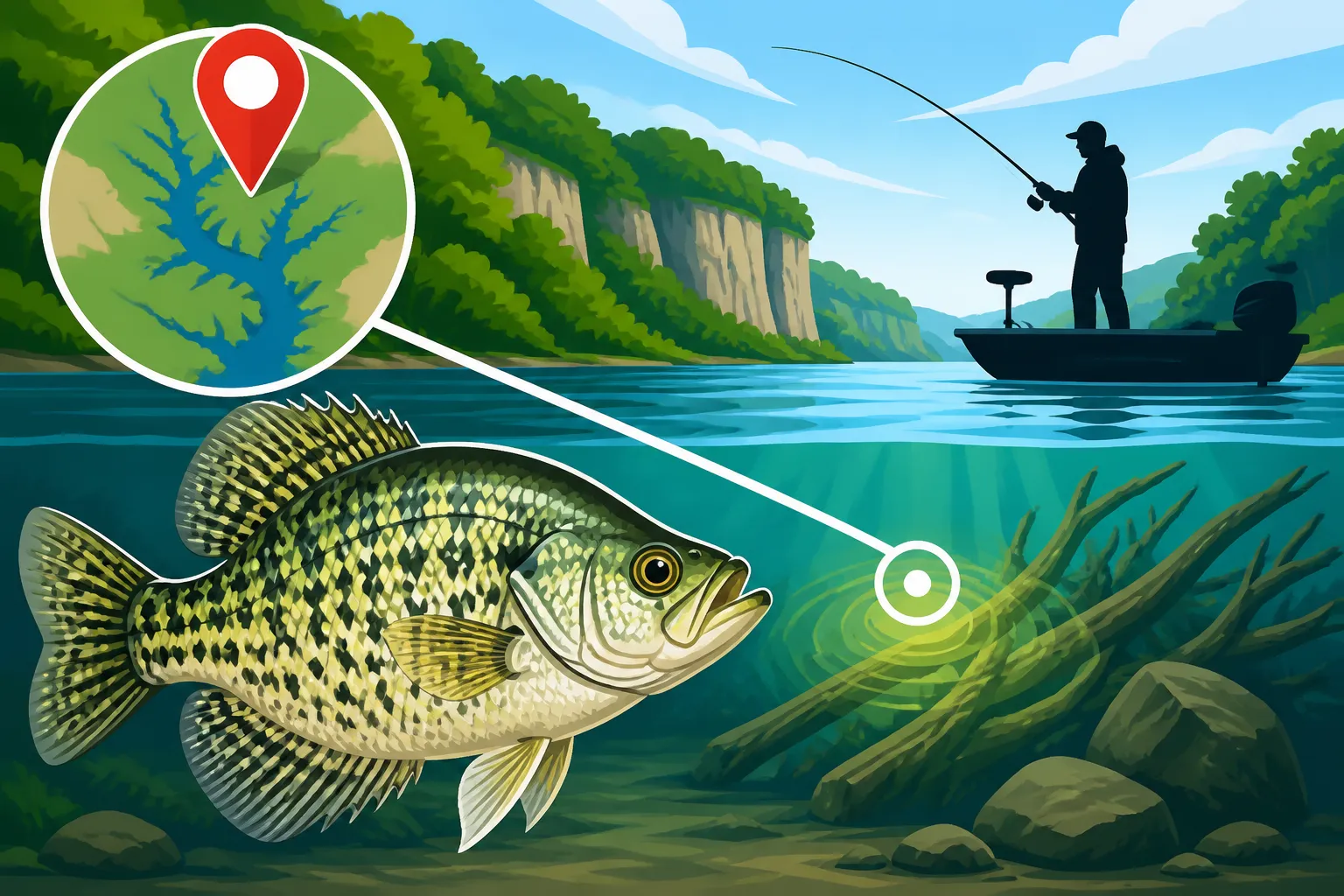
Crappie are notorious structure-lovers. On the White River, this means meticulously fishing around any available cover. Submerged timber, whether it's fallen trees, old stumps, or entire brush piles, is probably the most crucial structure for crappie. These areas provide shade, protection, and a perfect ambush point for baitfish. Use your sonar to locate these hidden underwater forests and then meticulously work them with jigs or minnows.
While less common than on large reservoirs, you might also find crappie congregating around docks, piers, or bridge pilings in certain sections of the river. These man-made structures offer vertical cover and often hold baitfish. Additionally, sections of the riverbank reinforced with riprap (large rocks) can hold crappie, especially if there are small pockets or indentations where fish can hide from the current. The rocks provide excellent habitat for crustaceans and insects, drawing in baitfish, which in turn attracts crappie. When fishing these areas, remember that crappie will often be right up against the structure, so accurate casts are essential.
Essential Techniques and Tackle for White River Crappie
Successfully targeting crappie on the White River requires a blend of finesse, the right tackle, and a keen understanding of their behavior. It's not always about brute force; often, a subtle presentation makes all the difference.
Jigging and Live Bait Strategies
For crappie on the White River, both jigging and live bait fishing are incredibly effective. When jigging, consider small 1/16 to 1/8 ounce jigs paired with soft plastic bodies in various colors. Chartreuse, white, black/chartreuse, and natural baitfish patterns are popular choices. The key is to impart a subtle, lifelike action. A slow, steady retrieve with occasional pauses or a gentle jigging motion up and down near structure can entice a bite. For example, fishing around the timber-filled areas in the lower reaches of the river, like those found in the White River National Wildlife Refuge, a vertical jigging presentation right next to submerged wood can be deadly.
Live bait, particularly small minnows, remains a crappie magnet. You can fish minnows under a slip bobber set at the appropriate depth, allowing them to drift naturally with the current in slackwater areas, or tight-line them directly over structure. Many anglers prefer a small split shot weight a foot or so above the minnow hook. When using live bait, remember that the crappie often "mouth" the bait before fully committing, so a light touch and patience are crucial for setting the hook. When the bite is tough, combining a jig with a minnow – often referred to as a "crappie candy" rig – can be irresistible. If you're looking for guidance on specific setups, local bait shops or a platform like FishingBooker can connect you with experienced guides who specialize in White River crappie.
Rod, Reel, and Line Recommendations
Light tackle is the name of the game for crappie. A sensitive 6 to 7-foot light or ultralight spinning rod paired with a small spinning reel (size 1000 or 2000) is ideal. This setup allows for accurate casting of small jigs and provides the sensitivity needed to detect those subtle crappie bites. Look for a rod with a fast action tip that will telegraph even the slightest nibble.
For line, 4 to 6-pound test monofilament or fluorocarbon is generally sufficient. Monofilament offers a bit more stretch, which can be forgiving when a crappie makes a sudden dash, while fluorocarbon is nearly invisible underwater and has less stretch, offering better sensitivity. Some anglers opt for braided line with a fluorocarbon leader for maximum sensitivity and strength, particularly when fishing heavy cover. However, the thinner diameter of mono or fluoro is often preferred for presentation and avoiding line shyness. When you're fishing in murky backwaters where snags are frequent, having a slightly stronger line might save you some re-tying time, but don't go too heavy, as it can hinder your bait's action.
Interpreting Electronics and Spotting Crappie
Modern marine electronics can be a game-changer for finding crappie on the White River, especially when trying to locate schools in deeper channels or hidden timber. A good sonar unit with down imaging and side imaging capabilities will allow you to scan wider areas and pinpoint submerged structures that hold fish. Look for "arches" or "blobs" near cover, often suspended off the bottom. Crappie tend to school tightly, so once you find one, there are likely many more.
Pay close attention to depth contours and any sudden changes in the bottom structure. Crappie often relate to drop-offs, humps, or old creek channels. If you have side imaging, use it to scan for brush piles or laydowns that extend out from the bank into deeper water. When fishing the White River, particularly its lower, wider sections, being able to cover water efficiently with your electronics can save you hours of fruitless casting. Don't just motor over promising spots; pause, use your trolling motor, and really dissect the area with your sonar. Many anglers find it helpful to mark waypoints on their GPS when they find productive crappie spots, building a personal map of hot zones over time.
Navigating Regulations and Best Practices
Fishing the White River for crappie isn't just about technique; it's also about understanding and respecting the local regulations and practicing responsible angling to ensure this fishery remains vibrant for generations to come.
Understanding Daily Limits and Size Restrictions
Before you even make your first cast, it’s absolutely vital to familiarize yourself with the current Arkansas Fishing Regulations Guide. These regulations are designed to protect fish populations and ensure sustainable fishing. For crappie in Arkansas, the statewide daily limit is generally 20 fish, and they must be 9 inches or longer to keep. However, these limits can vary on specific bodies of water. For instance, while the statewide crappie daily limit is 20 fish in most Arkansas waters, some lakes might have special regulations. Always double-check the latest regulations from the Arkansas Game and Fish Commission (AGFC) before your trip. There can be specific length limits or daily creel limits that apply to certain lakes or river segments that differ from the statewide rule. These exceptions are usually well-documented and crucial to follow. Violating these rules can lead to citations and penalties for fishing without a license in Arkansas.
Responsible Angling and Conservation
Practicing responsible angling means more than just following the rules; it's about being a good steward of the resource. If you're planning to keep crappie, only take what you need and what is legally allowed. Handle fish gently, especially those you plan to release. Use barbless hooks or crimp the barbs on your hooks to minimize damage to fish. Avoid leaving trash on the banks or in the water. Properly dispose of fishing line, bait containers, and any other litter. The White River is a beautiful natural resource, and it's up to all of us to keep it that way.
Consider catch-and-release, especially for larger crappie, as they are crucial breeding stock. If you're fishing with live bait, use only legal baitfish and avoid introducing any non-native species, which can disrupt the ecosystem. Understanding what counts as a fish's final point of storage in Arkansas is also important for compliance with possession limits, although statewide possession limits have seen changes recently. Always respect private property signs and be courteous to other anglers you encounter on the water.
Hiring a Local Guide for Better Success
For those new to the White River or seeking to maximize their crappie fishing success, hiring a local guide can be an invaluable investment. Guides possess intimate knowledge of the river's constantly changing conditions, the precise locations where crappie are holding, and the most effective techniques for the current season. They often have years of experience, a deep understanding of crappie behavior on this unique river, and the specialized equipment needed to put you on fish.
A guide can teach you specific presentations for the White River's unique challenges, help you understand how current and water levels affect crappie, and even introduce you to those hard-to-reach backwaters that hold the biggest slabs. Platforms like FishingBooker can help you find reputable local guides who specialize in crappie fishing on the White River. Before booking, check reviews, inquire about their experience specifically with crappie on the river (not just trout), and ask what's included in the trip, such as tackle or bait. A good guide doesn't just put you on fish; they teach you how to become a better angler on that specific body of water, making your investment worthwhile for future trips. Don't forget that even with a guide, you'll still need your Arkansas Fishing License Rules and Costs in order.
White River Crappie Hotspots at a Glance
For those looking to quickly identify potential crappie havens on the White River, here's a table summarizing key characteristics to look for:
| River Section / Feature | Typical Current | Preferred Depth | Dominant Structure | Best Season(s) | Notes |
|---|---|---|---|---|---|
| Tributary Mouths | Moderate Eddies | 5-15 feet | Current breaks, brush, rocks | Spring, Fall | Warmer water, baitfish congregation; often good after rains. |
| Backwaters & Oxbow Lakes | Slack / Still | 2-10 feet | Cypress trees, timber, lily pads | Spring, Summer | Ideal for spawning & summer refuge; often holds bigger fish. |
| Deep River Bends / Channels | Moderate | 10-30 feet | Submerged humps, logs, drop-offs | Fall, Winter | Crappie suspend here in colder months; electronics are key. |
| Riprap & Bridge Pilings | Moderate | 5-20 feet | Rocks, concrete, vertical cover | Spring, Fall | Ambush points, attract baitfish; can be good in higher flows. |
| Lower White River (Delta) | Slow | 5-20 feet | Extensive timber, sloughs | All Seasons | Less current, more crappie-friendly habitat; focus on side channels. |
Remember that these are general guidelines, and crappie can always surprise you. Adapt your approach based on real-time conditions and keep exploring!
Disclaimer
Fishing regulations and conditions in Arkansas can change. Always consult the latest official regulations from the Arkansas Game and Fish Commission (AGFC) before heading out. This guide is for informational purposes only and does not constitute legal advice.