Where to Catch 40-Pound Stripers on Norfork Lake
Chasing that elusive 40-pound striped bass on Norfork Lake can feel like a lifelong quest, often leading to frustration when you spend hours on the water without a single solid hook-up. Many anglers dream of the fight, the sheer power of a trophy striper, but finding these giants requires more than just luck—it demands a deep understanding of Norfork's unique ecosystem and the specific habits of its biggest fish. This guide will walk you through the prime locations, effective techniques, and essential gear you'll need to increase your chances of landing that monster striper in the clear waters of Norfork Lake.
Understanding Norfork Lake's Striper Appeal
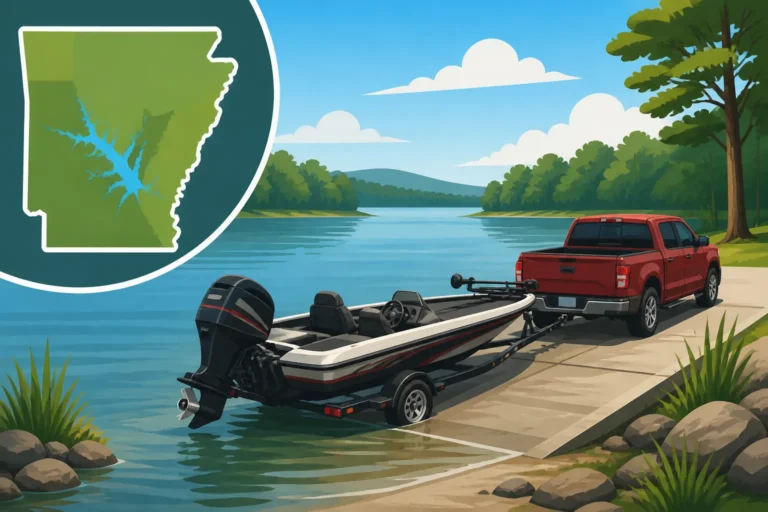
Norfork Lake, nestled in the Ozark Mountains of Arkansas and extending into Missouri, isn't just a beautiful body of water; it's a premier destination for striped bass fishing, renowned for its potential to produce truly colossal fish. It’s no wonder so many anglers flock here, hoping to feel the incredible pull of a truly massive striper.
Why Norfork is a Striper Paradise
What makes Norfork Lake such a haven for trophy stripers? Well, it's a perfect storm of environmental factors. First off, it's a deep, clear impoundment, which creates ideal conditions for stripers to thrive and grow to immense sizes. The lake boasts an abundance of threadfin and gizzard shad, which are the primary forage for these powerful predators. A healthy baitfish population means stripers have a constant, ample food source, allowing them to pack on pounds rapidly.
Think about it: a striper's growth is directly tied to its food supply. When they have endless schools of shad to chase, they don't have to work as hard to find a meal, conserving energy and converting that food into impressive mass. The extensive main lake channel, numerous deep coves, and steep bluff walls also provide varied habitats for both the stripers and their prey, giving these fish plenty of places to hide, ambush, and grow large. The thermal stratification in the deeper parts of the lake during summer also plays a crucial role, creating a comfortable "comfort zone" where these big fish can hang out in cooler, oxygenated water while still having access to food.
The Elusive 40-Pound Mark
Catching a 40-pound striper isn't just about size; it's about the challenge, the dedication, and the sheer thrill of it all. These fish are true apex predators, wily and powerful, and they don't get to that size by being easy targets. Many anglers spend years, even decades, chasing this benchmark. The frustration often stems from knowing these giants are down there, but trying to pinpoint their location in such a vast lake can feel like finding a needle in a haystack.
It’s easy to get discouraged when you hear tales of others landing huge fish, while your own efforts seem to yield only smaller ones. But every big fish caught is a testament to perseverance and knowledge. Targeting 40-pounders means you're aiming for the top tier, the biggest of the big. This isn't your average weekend fishing trip; it's an intentional pursuit that requires different strategies than simply catching a few smaller, schooling stripers. It means being prepared for an epic battle, ensuring your gear is up to the task, and having the patience to wait for that one monumental bite. You're not just fishing; you're hunting.
Prime Locations for Trophy Stripers on Norfork Lake
Finding that trophy striper on Norfork Lake often comes down to knowing where they prefer to hide, feed, and ambush prey. These big fish aren't just randomly swimming around; they have specific hangouts that offer them comfort, safety, and a steady food supply.
Deep Water Haunts
For those truly massive stripers, especially outside of the spring and fall migrations, deep water is often the key. They prefer the cooler, more stable temperatures found in the main lake channels and around pronounced underwater structures. Think about the central spine of the lake, particularly areas closer to the dam. The deep main lake points and humps that rise up from the abyss are magnetic for big stripers. These geological features create current breaks and ambush points where shad often school.
A prime example would be the deep ledges and points near the Norfork Lake dam itself, or along the main river channel as it snakes through the lake. You're looking for significant depth changes, submerged islands, or old creek beds. These are the places where schools of baitfish will congregate, and consequently, where large stripers will patrol. It's not uncommon to find these fish suspended 40 to 60 feet down over 80 to 100 feet of water, especially during the warmer months. Identifying these deep-water haunts usually requires good sonar equipment, allowing you to mark baitfish schools and any larger arches that might be those trophy stripers lurking below.
Open Water Schools and Points
While deep water is crucial, trophy stripers also actively hunt in open water, particularly when they're chasing massive schools of shad. These open water pursuits can be incredibly exciting. When you see gulls diving and feeding, it's a sure sign that baitfish are being pushed to the surface by predatory fish, and those predatory fish could very well be big stripers.
Look for areas where the main lake channel narrows or where large, prominent points extend far out into the lake. These are natural funnels for baitfish, creating feeding frenzies. For instance, the large points and open water stretches around Fout Marina or the Cranfield area are often productive. These areas feature extensive rock structure and drop-offs that transition into deeper water, providing cover and ambush points for stripers. They'll use these structures to corral baitfish before moving into open water to feed. Keep an eye on your fishfinder not just for fish, but for dense bait balls – where there's bait, big stripers are usually not far behind.
Seasonal Movements and Key Structures
Stripers on Norfork Lake are creatures of habit, but their habits change with the seasons. Understanding these seasonal movements is paramount to consistent success, especially for giant fish.
- Winter: During the colder months, stripers tend to hold deeper, often congregating in massive schools in the main lake channel, particularly near the dam or in the deepest parts of major creek arms like Big Creek or Bennett's Bayou. They might suspend over very deep water, sometimes 60-100 feet down.
- Spring: As water temperatures begin to rise, stripers will move shallower, often following baitfish into coves and onto points. This is a fantastic time for more active fishing, as they can be found in 20-40 feet of water, preparing for the spawn. Look at the mouths of major creeks and along the main lake bluff lines.
- Summer: This is when the thermocline forms. Big stripers will often be found just above or within the thermocline, seeking cooler, oxygenated water. They might be suspended anywhere from 30 to 80 feet deep, often near the main lake channel or large offshore humps. Early morning and late evening can see them move shallower to feed.
- Fall: As water temperatures cool down, stripers will again become more active and can be found in shallower to mid-depth waters (20-60 feet). They'll aggressively feed to fatten up for winter, often schooling up and chasing baitfish near points, humps, and coves. This is another prime time for strong bites.
Knowing when and where to look is half the battle. If you're planning a trip to Norfork Lake, you might also be interested in other aspects of fishing in the area, such as Norfork Lake: One of Arkansas's Best Striped Bass Fisheries.
Techniques and Baits for Landing a Lunker
Once you’ve got a good idea of where those big Norfork stripers might be, the next step is figuring out how to entice them to bite. These 40-pound monsters aren't easily fooled, so you'll need specialized techniques and robust bait presentations.
Trolling for Giants
Trolling is undeniably one of the most effective ways to cover a lot of water and present baits to deep-dwelling trophy stripers. This isn't just dragging a lure behind the boat; it's a strategic dance that involves speed, depth, and the right tackle.
For 40-pound class stripers, you'll want to troll large, deep-diving crankbaits or bucktail jigs, often tipped with a grub or a piece of cut bait. Lures like the Bomber Long A or the Rapala Down Deep Husky Jerk in sizes up to 6 or 7 inches are popular choices, mimicking the abundant shad. But for true giants, some anglers even go bigger, using custom-made trolling lures or umbrella rigs designed to imitate a school of baitfish.
Depth control is critical. You'll need downriggers to get your baits down to where the fish are suspended, which can often be 40 to 80 feet deep. Some anglers even use lead core line or heavy trolling sinkers for shallower presentations. Vary your trolling speed, usually between 2.5 and 4 miles per hour, and pay close attention to what your electronics are telling you about baitfish and striper locations. Don't be afraid to experiment with S-turns or sudden changes in direction; these movements can trigger a reactionary strike from a hesitant fish.
Live Bait Strategies
When it comes to consistently catching the biggest stripers on Norfork, live bait is often the undeniable king. Nothing beats a struggling live shad to trigger the predatory instincts of a huge striper.
The key here is using large, healthy baitfish. Gizzard shad, ideally 6 to 10 inches long, are the preferred choice for targeting 40-pounders. Threadfin shad are also excellent, especially in early mornings or when stripers are shallower. Catching and keeping these baits alive requires a good aerated bait tank, as sickly bait won't attract big fish.
There are several ways to present live bait. Slow trolling with planer boards allows you to spread out your baits and keep them away from the boat, covering a wider area. Downriggers are also indispensable for presenting live bait at precise depths. You'll want to use strong, sharp circle hooks (like a 6/0 to 8/0) to hook your bait through the nose or back, ensuring maximum movement and good hook-sets. Many successful anglers on Norfork will fish multiple lines at varying depths to find that striper sweet spot. Remember, these fish are often suspended, so presenting your bait exactly at their depth, or slightly above them, can make all the difference. Knowing the Best Time to Catch Striped Bass at Norfork Lake Arkansas can greatly improve your live bait success.
Topwater and Artificials for Aggressive Fish
While live bait and trolling dominate for sheer consistency with trophy stripers, don't underestimate the thrill and effectiveness of topwater and artificial lures, especially when stripers are actively busting schools of shad on the surface.
There's nothing quite like a 40-pound striper exploding on a topwater plug. This usually happens during low light conditions – dawn or dusk – or on overcast days, particularly during the spring and fall. Large walking baits like a Heddon Super Spook or a Zara Spook, or poppers like the Rebel Pop-R, can generate incredible strikes. These lures are fantastic for covering shallower points and coves where stripers might push baitfish to the surface.
Beyond topwater, heavy artificial jigs, especially those designed for vertical jigging, can be incredibly effective when stripers are holding in tight schools around deep structure. Spoons, like the Silver Buddy or Hopkins Shorty, dropped directly onto fish marked on your sonar, can provoke aggressive strikes. Soft plastic swimbaits, rigged on heavy jig heads, are also versatile and can be cast to schooling fish or retrieved along contour lines. The key is to match the hatch – use lures that closely resemble the size and color of the baitfish currently being fed upon by the stripers. Even for informational purposes, many anglers seek insights from guides on platforms like FishingBooker, noting the effective lures used during their trips.
Essential Gear and Preparation for Norfork Stripers
Catching a 40-pound striper isn't just about finding them and getting them to bite; it's about being prepared for the monumental battle that ensues. You wouldn't bring a knife to a gunfight, and you certainly shouldn't bring light tackle to a trophy striper fight.
Rods, Reels, and Line Strength
This is where you absolutely cannot cut corners. For 40-pound stripers, you need serious heavy-duty gear.
- Rods: Look for rods rated for heavy action, typically 7 to 8 feet long. They need a strong backbone to handle the immense power of a large striper, but also enough tip flexibility to absorb shocks and prevent hooks from pulling out. A good quality saltwater trolling rod or a heavy-duty freshwater musky rod will often do the trick. Brands like Ugly Stik or Penn offer durable options that can withstand the abuse.
- Reels: A robust conventional reel is preferred for trolling and live bait fishing, offering superior cranking power and line capacity. Look for models like the Penn Fathom or a Shimano Tekota, size 20 or larger. For casting artificials, a heavy-duty spinning reel in the 6000-8000 size range, like a Daiwa BG or a Shimano Saragosa, is ideal. Ensure it has a smooth, powerful drag system – a jerking drag can quickly lead to a lost fish.
- Line: Spool up with heavy monofilament or braided line. For mono, 25-40 pound test is a good starting point, known for its stretch which can absorb lunges. However, many trophy hunters prefer braided line, typically 50-80 pound test, for its incredible strength, sensitivity, and lack of stretch. This allows for better hook sets in deep water. Always use a strong fluorocarbon leader (40-80 pound test) at the business end, as its invisibility in clear water can be a game-changer.
Here's a quick reference table for your trophy striper gear:
| Gear Component | Recommended Specifications | Key Considerations |
|---|---|---|
| Rods | Heavy action, 7-8 feet | Strong backbone, moderate tip flexibility |
| Reels | Conventional (size 20+), Heavy Spinning (6000-8000) | Powerful, smooth drag; high line capacity |
| Main Line | 25-40 lb mono OR 50-80 lb braid | Mono for stretch, braid for strength/sensitivity |
| Leader | 40-80 lb fluorocarbon | Invisibility in clear water, abrasion resistance |
| Hooks | 6/0-8/0 Circle Hooks (for live bait) | Strong, sharp, good for jaw hooking |
| Lures | Large deep-diving crankbaits, bucktail jigs, topwater plugs | Match baitfish, appropriate depth for trolling |
| Terminal Tackle | Heavy barrel swivels, stout snaps | Prevents line twist, secure lure/leader connections |
Electronics and Navigation
In a lake as vast and deep as Norfork, having quality electronics isn't a luxury; it's a necessity for targeting trophy stripers. These tools are your eyes underwater, helping you locate the precise spots where big fish lurk.
- Fishfinders/Sonar: A good fishfinder with Side Imaging or Down Imaging capabilities is crucial. This allows you to not only see fish directly beneath your boat but also to scan wide areas to the sides, identifying schools of baitfish, submerged timber, humps, and ledges where stripers might be holding. You're looking for large, distinct arches, sometimes solitary, that indicate bigger fish, often lurking below or around dense bait balls. Garmin, Lowrance, and Humminbird are popular brands offering advanced sonar features.
- GPS/Chartplotter: Integrated GPS with detailed lake maps allows you to mark waypoints for productive spots, follow contour lines precisely, and navigate safely, especially in low light or foggy conditions. You can mark specific humps, points, or brush piles where you've found fish or bait in the past. This historical data becomes invaluable over time. Many top-tier guides on FishingBooker rely heavily on these systems to consistently put clients on fish.
- Mapping: Utilize the detailed bathymetric maps available for Norfork Lake. These maps show depth contours, underwater structure, and channel edges, helping you identify potential striper holding areas even before you drop a line. Many GPS units come pre-loaded with these maps, or you can purchase high-definition versions.
Safety and Weather Considerations
Norfork Lake is a large body of water, and while beautiful, it can become dangerous quickly if you're not prepared. Prioritizing safety is paramount, especially when venturing out to chase big fish.
- Weather Awareness: Always check the weather forecast before heading out. Norfork can get very windy, leading to rough water conditions that can be challenging for even experienced boaters. Sudden thunderstorms can also pop up. Be prepared to seek shelter if conditions deteriorate.
- Safety Gear: Ensure your boat is equipped with all necessary safety gear: life jackets for everyone on board (especially important for kids, who have their own Arkansas fishing license rules for kids and teenagers), a throw cushion, fire extinguisher, horn/whistle, and navigation lights. File a float plan with someone on shore, letting them know where you're going and when you expect to return.
- Boat Maintenance: A breakdown far from the ramp on a large lake is no fun. Regularly check your boat's engine, fuel levels, battery, and safety equipment. Bring extra water, food, and a first-aid kit, as you might be spending long hours on the water in pursuit of that trophy striper. Remember, a fishing trip is only fun if everyone comes home safely.
Disclaimer
Please be aware that fishing regulations, license requirements, and fish limits can change. Always consult the latest official Arkansas Game and Fish Commission (AGFC) regulations before you head out on the water. This guide provides general information and recommendations, but it is your responsibility to know and follow all current state and local fishing laws.