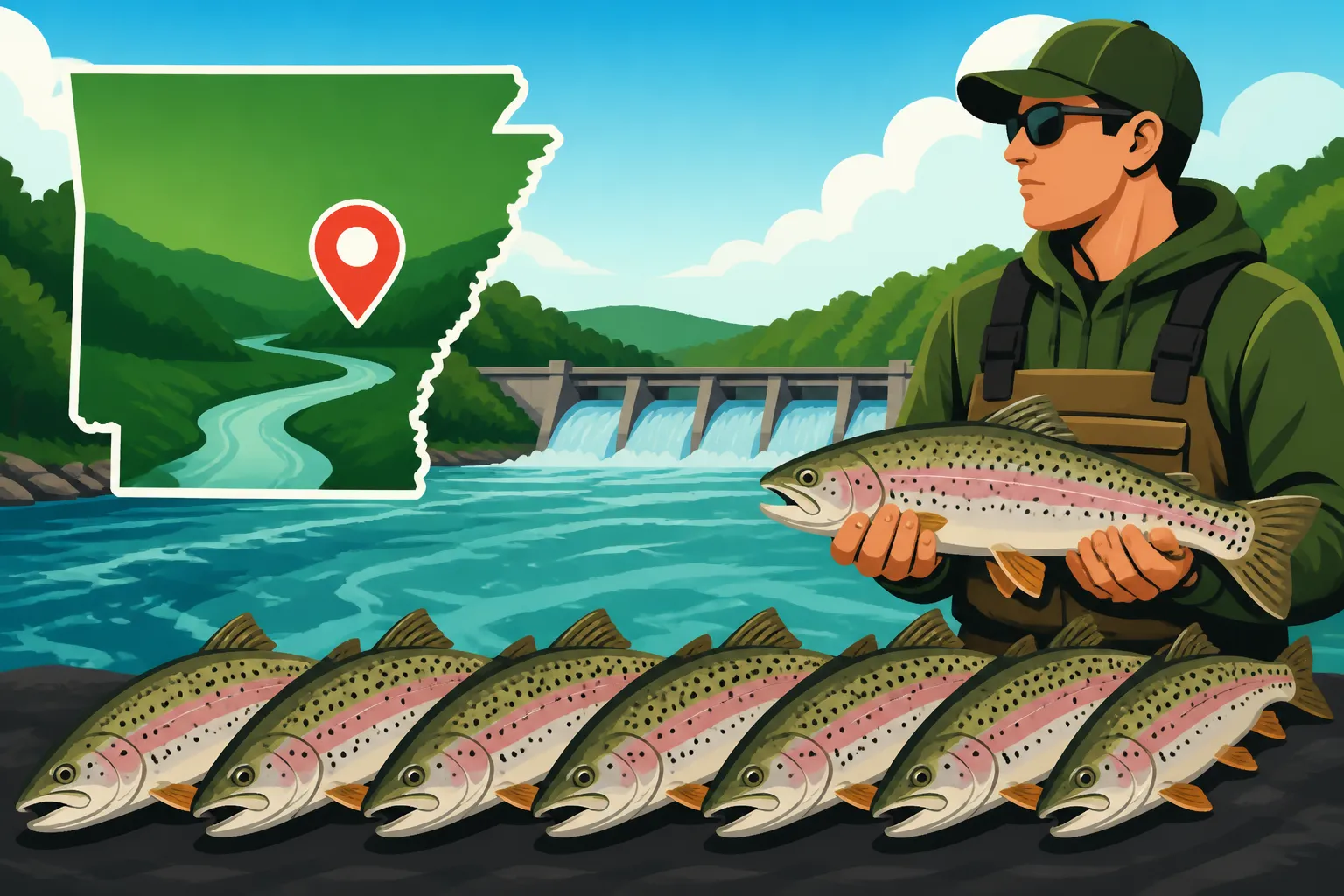
How many trout can you keep on the Norfork tailwater
It's incredibly frustrating when you're planning a fantastic fishing trip to a legendary spot like the Norfork Tailwater, only to find yourself scratching your head about the exact catch limits. Nobody wants to accidentally break the rules, especially when the regulations can seem a little nuanced. This guide is here to clear up all that confusion, detailing precisely how many trout you can legally keep from the Norfork Tailwater so you can focus on the thrill of the catch.
Understanding the Norfork Tailwater's Unique Regulations
The Norfork Tailwater, also known as the Norfork River below the dam, is a truly special place in Arkansas. This stretch of cold, clear water, fed by the bottom releases of Norfork Lake, creates an ideal habitat for a variety of trout species, making it one of the premier trout fishing destinations in the country. However, with such a precious fishery comes a responsibility to manage it carefully, which is why the Arkansas Game and Fish Commission (AGFC) implements specific, and sometimes stricter, regulations here than in other waters.
You might think that once you've got your Arkansas Fishing License Rules and Costs sorted, and especially your Arkansas Trout Permit Rules, you're good to go anywhere. While those are absolutely essential, tailwaters like the Norfork have their own set of rules on top of the statewide general fishing regulations. These localized rules are designed to protect specific species, promote trophy fish growth, and ensure sustainable fishing for generations to come. Ignoring these specific rules, even unintentionally, can lead to serious penalties, which is the last thing any angler wants to experience.
The specific boundaries for these Norfork Tailwater regulations typically apply from the Norfork Dam downstream to where the Norfork River meets the White River. Within this stretch, you'll encounter some of the most vibrant and healthy trout populations anywhere. This area is heavily monitored by game wardens, not just to enforce the rules, but also to help educate anglers. Always double-check the latest AGFC guide, available online or at local bait shops, before heading out, as regulations can occasionally be updated for conservation purposes.
Breaking Down the Daily Trout Limits by Species
When you're fishing the Norfork Tailwater, it's not simply a matter of a single, overarching trout limit. The regulations are carefully tailored to each species, recognizing their different growth rates, spawning patterns, and population health. This means you need to be able to identify your catch quickly and accurately to ensure you're complying with the rules.
The general daily creel limit for trout on the Norfork Tailwater is 5 trout per day. However, this isn't a free-for-all where you can keep any combination of five fish. Within that five-trout limit, there are crucial sub-limits and size restrictions for certain species that you absolutely need to know.
Rainbow Trout Daily Limits
For most anglers visiting the Norfork, rainbow trout will be their most frequent catch, and thankfully, they have the most straightforward regulations. You can keep up to 5 rainbow trout per day. There isn't a minimum length requirement for rainbow trout on the Norfork Tailwater, which means if you catch a keeper-sized rainbow, it counts towards your five-fish limit, regardless of its length.
This flexibility with rainbow trout helps manage their population, which is regularly stocked by the AGFC, while still providing ample opportunity for anglers to take home a meal. It's common to find rainbows of all sizes in the Norfork, from newly stocked fingerlings to robust, holdover fish that have grown fat on the river's abundant insect life. Just remember, once you've kept your five rainbows, or any combination reaching five total trout (with the specific caveats for other species), your trout fishing for the day is done if you intend to keep more.
Brown Trout and Cutthroat Trout Specific Rules
This is where things get a bit more particular. For both brown trout and cutthroat trout, the Norfork Tailwater has very specific and restrictive limits aimed at protecting these less frequently stocked, or naturally reproducing, trophy-potential fish. You are allowed to keep only one brown trout per day, and that fish must be at least 24 inches long. The same rule applies to cutthroat trout: only one cutthroat trout per day, and it also must be a minimum of 24 inches long.
Think about that for a moment: 24 inches is a substantial fish! This regulation is explicitly designed to encourage the growth of larger, older fish that contribute to the Norfork's reputation as a trophy fishery. Most brown and cutthroat trout you catch will likely be under this 24-inch threshold, meaning they must be immediately released unharmed. It's a fantastic conservation strategy that allows these incredible fish to grow to impressive sizes, offering anglers the chance to hook into a true lunker, even if they don't get to take it home. This is especially relevant to topics like What Size Trout Must You Release on the Norfork Arkansas Tailwater and Do you have to release trout over 14 inches on the Norfork?, as the answer is a resounding "yes" if they're brown or cutthroat and under 24 inches.
Brook Trout and Other Species
While much rarer to encounter in the Norfork Tailwater, brook trout do occasionally turn up. If you're lucky enough to hook into one, it would fall under the general 5-trout daily limit, with no specific size restriction currently listed for brook trout on this particular tailwater. However, given their rarity and the general conservation ethic on the Norfork, many anglers choose to release these beautiful fish.
It's important to differentiate between species accurately. For instance, while white bass are common in many Arkansas waters, they are not trout and do not count towards your trout limit. Focus specifically on the salmonid species (rainbow, brown, cutthroat, brook) when considering these regulations. Always carry a copy of the current Arkansas Fishing Regulations Guide or have the AGFC app handy on your phone to clarify any doubts you might have on the water.
Here's a quick summary table of the Norfork Tailwater trout limits:
| Trout Species | Daily Limit | Minimum Length | Notes |
|---|---|---|---|
| Rainbow Trout | 5 | None | No specific length restriction. |
| Brown Trout | 1 | 24 inches | Only one brown trout of 24" or longer allowed per day. |
| Cutthroat Trout | 1 | 24 inches | Only one cutthroat trout of 24" or longer allowed per day. |
| Brook Trout | (Included in 5 total) | None | Rare, but included in the overall 5 trout daily limit. |
| Total Daily Limit | 5 Trout | – | This total includes any brown or cutthroat trout kept. |
Why These Specific Limits Matter for Anglers
These detailed regulations aren't just arbitrary rules; they are the backbone of maintaining a healthy and thriving fishery that draws anglers from all over. Understanding the "why" behind them can actually enhance your fishing experience and foster a deeper appreciation for the resource.
Firstly, these limits are crucial for conservation. By having a higher limit on stocked rainbow trout and stricter limits on brown and cutthroat trout, the AGFC ensures that the more self-sustaining or trophy-potential populations have a chance to flourish. The 24-inch minimum for brown and cutthroat trout means that these fish typically get several years to grow, mature, and spawn, contributing to the next generation of trout. This strategy is part of a broader management plan that helps keep The Best Trout Fishing Spots in Arkansas robust and productive.
Secondly, these regulations create a "trophy potential" fishery. Imagine hooking into a powerful 25-inch brown trout! The sheer fight and the beauty of such a fish are unforgettable. By letting most of the brown and cutthroat trout grow past smaller sizes, the Norfork offers anglers that truly unique experience of encountering a potential record-breaker. This is a huge draw for anglers who prioritize the quality of the catch over the quantity. You might even consider hiring one of the expert White River Fishing Guides: Arkansas's Trout Fishing Capital who specialize in targeting these larger fish, and they'll be invaluable in helping you understand the regulations on the water.
Finally, these rules ensure fairness and sustainability. If everyone kept every trout they caught, even in a well-stocked river, the fishery would quickly dwindle. The limits ensure that the resource is shared among all anglers and remains healthy year after year. It's a collective responsibility. Even if you're just visiting for Arkansas Free Fishing Weekend Guide, knowing these limits is essential for responsible angling.
Ensuring You're Compliant: Beyond Just the Limits
Knowing the numbers is a great start, but there's more to being a fully compliant and ethical angler on the Norfork Tailwater. It's about preparedness, proper handling, and understanding the broader regulatory framework.
First and foremost, your fishing license and trout permit are non-negotiable. You need a valid Arkansas fishing license, and if you plan to fish for or keep trout, a trout permit is mandatory. This applies whether you're a resident paying the Resident Trout Permit Cost in Arkansas or a non-resident handling the Nonresident Trout Permit Cost in Arkansas. Many anglers ask, Do you need a trout permit to keep trout in Arkansas?, and the answer is an emphatic yes for this prime trout water. You can often purchase both online through the AGFC website or at many local sporting goods stores, like those found around the Mountain Home area, which is a gateway to the Norfork. You can even pick up gear and licenses at your local Amazon affiliate retailer.
Beyond permits, proper fish handling is vital, especially when you're required to release a fish. If you're targeting brown or cutthroat trout, assume you'll be releasing most of them. Equip yourself with the right tools:
- Net: A rubberized or knotless landing net minimizes damage to a fish's protective slime coat and fins.
- Dehooking Tool: Forceps or long-nosed pliers are essential for quickly and gently removing hooks, particularly if the fish has swallowed the bait. Many anglers find high-quality forceps on Amazon to be indispensable.
- Barbless Hooks: Consider using barbless hooks, or crimping down the barbs on your existing hooks. This makes release much easier and less traumatic for the fish.
- Minimize Air Exposure: Keep the fish in the water as much as possible, especially during photos. Prolonged air exposure can be fatal.
Always remember that these regulations are subject to change. While the information provided here is current, the AGFC can adjust limits or special regulations based on scientific data and conservation needs. Always consult the official Arkansas Fishing Regulations Guide for the most up-to-date information before each trip. You can find this online at the AGFC website or pick up a physical copy at license vendors across the state. Staying informed ensures you're always fishing legally and contributing to the health of this incredible fishery. When packing for your trip, consider items like specialized trout tackle which you can easily find on Amazon, alongside all your other fishing essentials.
The Norfork Tailwater offers some truly world-class trout fishing, a fact celebrated by anglers far and wide. By respecting and understanding its specific regulations, especially regarding how many trout you can keep, you play a direct role in preserving its beauty and productivity for everyone who loves to wet a line. Whether you're aiming for a stringer full of rainbows or hoping to photograph a trophy brown before a careful release, informed and responsible angling makes all the difference.
Disclaimer
Please remember that fishing regulations, including daily limits and size restrictions, can change. While this guide provides the most up-to-date information available at the time of writing, it is essential to always consult the official Arkansas Game and Fish Commission (AGFC) regulations before you head out on the water. The AGFC website and their annual printed guide are the definitive sources for all current fishing rules.