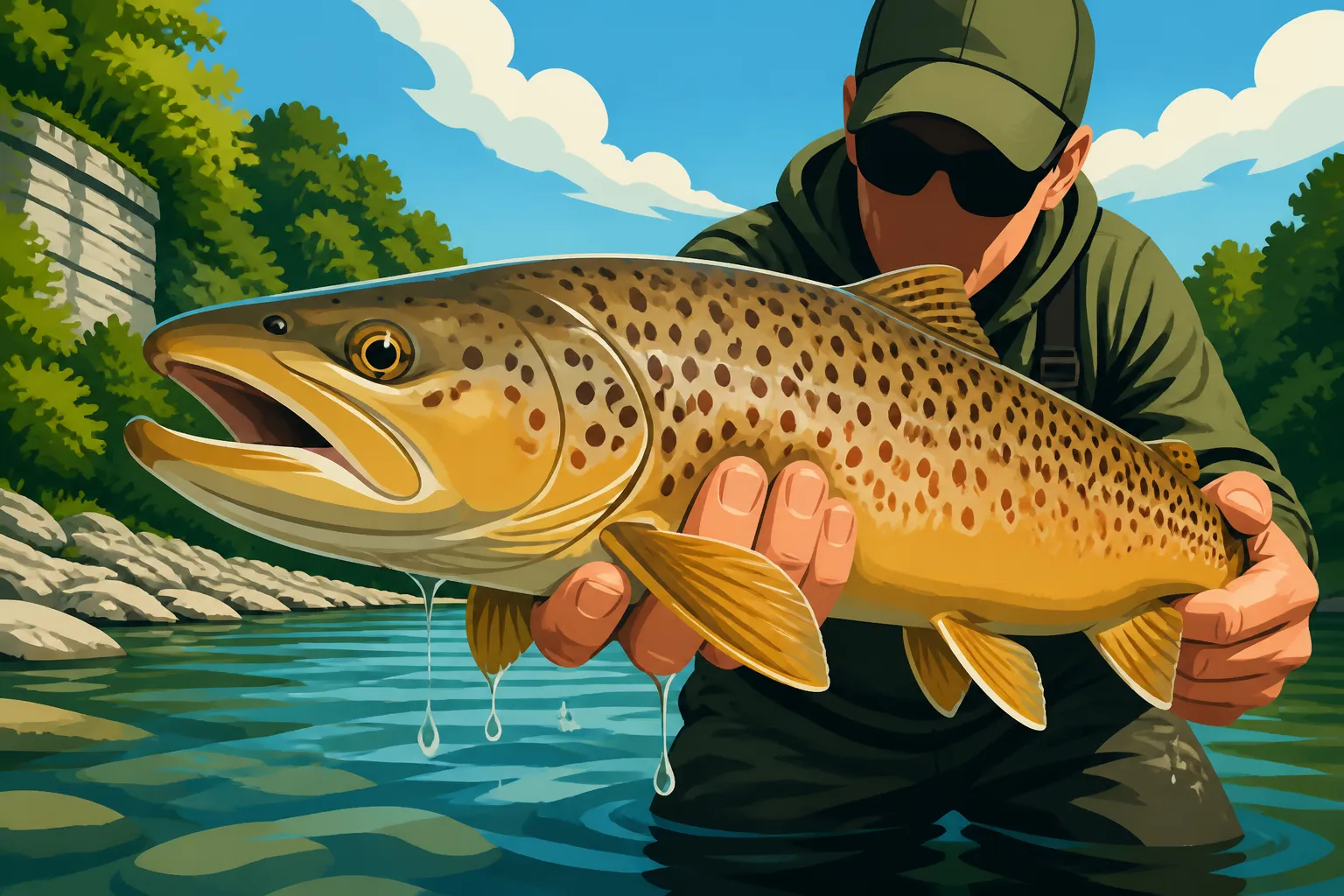
Can you keep a 14-inch brown trout from the Spring River?
There’s nothing quite like the thrill of feeling that tug on your line, fighting a beautiful brown trout, and finally bringing it to hand on a pristine river like the Spring River. But once you have that gorgeous fish in your net, a common question pops into many anglers' minds: "Can I keep this one?" Specifically, if you've landed a feisty 14-inch brown trout from the Spring River, the answer isn't as straightforward as you might hope, and often leads to confusion. This comprehensive guide will clear up all the mystery surrounding brown trout size limits on the Spring River, ensuring you stay compliant with Arkansas Game and Fish Commission (AGFC) regulations and help conserve this fantastic fishery.
Understanding Arkansas Trout Regulations on the Spring River
Arkansas is blessed with some incredible trout fisheries, and the Spring River is definitely one of its jewels. However, to maintain the quality of these fisheries and ensure healthy fish populations for generations to come, specific regulations are put in place. These aren't just arbitrary rules; they're carefully crafted by biologists and fisheries managers to balance angler opportunity with conservation needs.
Why Specific Rivers Have Unique Rules
You might wonder why a river like the Spring River would have different trout regulations than, say, the White River or a small mountain stream. The reality is, not all waters are created equal. Each river system has its own unique characteristics: water temperature, natural food sources, pressure from anglers, and even the type and size of trout stocked (or naturally reproducing). The Spring River, with its cold, spring-fed waters, provides an excellent habitat for brown trout, and the AGFC has specific management goals for this particular stretch.
These unique rules are often designed to achieve specific outcomes. For example, some regulations might aim to protect juvenile fish until they've had a chance to spawn, contributing to the next generation. Others might be in place to foster a trophy fishery, encouraging larger fish to survive longer. It’s a delicate balance, and ignoring these nuanced rules can inadvertently harm the very resources we cherish. Always remember that what applies to one famous trout stream like the Norfork Tailwater in Arkansas, may not apply to another.
The Spring River's Brown Trout Minimum Length Rule
Now, let's get right to the heart of the matter: can you keep a 14-inch brown trout from the Spring River? The straightforward answer, according to current Arkansas Game and Fish Commission regulations, is no, you cannot. The specific regulation for brown trout on the Spring River is a 16-inch minimum length limit. This means any brown trout you catch on the Spring River must be at least 16 inches long to be legally harvested. If it measures even a hair less, it must be immediately and carefully released back into the water.
This rule isn't just about preserving smaller fish; it's about protecting the brown trout population and helping them reach a more mature size. Brown trout are prized game fish, known for their strong fight and often elusive nature. By setting a 16-inch minimum, the AGFC is giving these fish a better chance to grow, mature, and contribute to the fishery through spawning. This also creates a better chance for anglers to catch larger, more memorable fish in the future. It's a long-term investment in the health of the river and the quality of the fishing experience. You can find more details on this specific rule in our guide, Spring River Brown Trout Minimum Length in Arkansas.
How Spring River's Brown Trout Rules Compare to Other Waters
It's easy to get confused when you're fishing different bodies of water in Arkansas because the rules can vary quite a bit. What's allowed on one lake or river might be strictly prohibited on another, even for the same species. This is especially true for trout, given the specialized nature of these cold-water fisheries.
Statewide Trout Limits Versus Tailwater Exceptions
Across much of Arkansas, the general statewide daily limit for trout is five fish, with no minimum length limit for rainbow trout. However, there are very specific and important exceptions, particularly on the state's popular tailwater fisheries like the Spring River, White River, and Norfork River. These rivers are often managed under "Special Trout Regulations" to cultivate different types of fisheries, from catch-and-release only sections to areas focused on trophy potential.
For example, the Norfork Tailwater, another famous trout fishery, has its own unique set of rules, including specific slot limits and daily creel limits that differ from the Spring River. On the Norfork, the daily limit for rainbow trout is two fish, and all brown trout must be released. This is a stark contrast to the Spring River's 16-inch minimum for brown trout. The Trout Limits on the Norfork Tailwater in Arkansas guide provides even more context on this particular tailwater. Similarly, the Bull Shoals Tailwater on the White River also has distinct regulations, often focusing on protecting larger brown trout. Understanding these nuances is crucial, and it underscores why checking the specific regulations for the water body you intend to fish is non-negotiable. Our comprehensive Arkansas Fishing Regulations Guide is an excellent resource for navigating these complexities.
The Rationale Behind Protective Size Limits
These protective size limits, like the 16-inch minimum on the Spring River for brown trout, aren't just about making fishing harder; they're rooted in sound ecological and fisheries management principles. For brown trout, which are often more challenging to reproduce naturally in many Arkansas waters compared to rainbow trout, these regulations serve several vital purposes:
- Protecting Spawning Stock: Allowing brown trout to grow past 16 inches means they've likely reached sexual maturity and had at least one, if not several, opportunities to spawn. This is crucial for natural reproduction and maintaining a self-sustaining population within the river. Harvesting fish before they reproduce can significantly impact the long-term health of the fishery.
- Developing Trophy Fisheries: When a significant portion of the fish population is allowed to grow larger, it increases the chances of anglers catching truly trophy-sized fish. Rivers like the Spring River gain a reputation for producing big browns, which in turn attracts more anglers, supporting local economies, and generating interest in conservation.
- Enhancing Genetic Diversity: Larger, older fish often carry stronger genes, and allowing them to reproduce helps maintain a robust and adaptable population. This resilience is vital for fish to withstand environmental changes and fishing pressure.
- Managing Predator-Prey Balance: In some cases, allowing certain fish to grow larger can also help manage the overall ecosystem by creating a more balanced predator-prey dynamic.
These regulations are dynamic, constantly reviewed, and adjusted based on biological surveys, angler feedback, and environmental conditions. So, while a 14-inch brown trout might look like a keeper, adhering to the 16-inch minimum on the Spring River is a direct contribution to the health and future quality of this spectacular fishery. And don't forget, even with the right size fish, you'll still need an Arkansas Trout Permit Rules if you plan on keeping trout.
Here's a quick comparison of brown trout regulations on some of Arkansas's premier trout waters:
| Water Body | Brown Trout Regulation (2024-2025) | Notes |
|---|---|---|
| Spring River | 16-inch minimum length | Daily limit is 5 trout total (rainbow, cutthroat, brook, brown), but only 1 brown trout over 16 inches. |
| White River (Dam-Norfork) | All brown trout must be released | This stretch is strictly catch-and-release for browns to foster trophy potential. |
| Norfork Tailwater | All brown trout must be released | Similar to the White River, promoting a trophy brown trout fishery through catch-and-release. |
| Little Missouri River | 16-inch minimum length | Similar to Spring River, focused on protecting browns until they reach a larger size. |
| Dry Run Creek (Norfork) | Catch-and-release only (kids 15 & under) | Special kids-only area, but brown trout must still be released. |
Note: Always verify current regulations with the AGFC before fishing, as rules can change annually.
What to Do If You Catch a Sub-Legal Brown Trout on the Spring River
So, you've landed that beautiful 14-inch brown trout on the Spring River, measured it, and realized it's shy of the 16-inch minimum. The disappointment is natural, especially when it's a vibrant, healthy-looking fish. But the crucial next step is to ensure its survival so it can grow larger and fight another day. Proper catch and release isn't just a suggestion; it's a vital skill for any responsible angler, especially in regulated fisheries like the Spring River.
Proper Catch and Release Techniques
Releasing a fish safely gives it the best chance of survival. Here are the key steps to follow when you encounter a sub-legal brown trout on the Spring River:
- Minimize Fight Time: The longer a fish fights, the more exhausted it becomes, making it less likely to recover. Use appropriate tackle for the fish you're targeting to bring it in quickly but without undue stress.
- Keep the Fish in the Water: This is perhaps the most important rule. Removing a fish from the water, even for a few seconds, can strip away its protective slime layer, expose it to air that damages gills, and cause physical harm from handling. If you must lift it, do so quickly and gently.
- Use Wet Hands or a Wet Net: If you need to handle the fish, wet your hands thoroughly first. This helps preserve its natural slime coat, which is its first defense against disease and infection. A rubberized, knotless landing net is ideal as it's gentler on fins and scales than traditional knotted nets.
- Remove the Hook Quickly and Carefully:
- Barbless Hooks are Best: If you regularly fish regulated trout waters, consider using barbless hooks or pinching down the barbs on your hooks. They make hook removal much easier and faster, reducing stress on the fish.
- Tools are Your Friends: Keep a pair of long-nosed pliers or forceps handy. They allow you to remove hooks efficiently, especially when they're lodged deep or in awkward positions.
- Support the Fish: While removing the hook, support the fish gently, ideally by the tail and under the belly, keeping its head pointed into the current if possible. Avoid squeezing its belly or gills.
- Revive the Fish: Once the hook is out, hold the fish gently in the water, facing upstream into a slow current. Move it back and forth slightly to push water over its gills. When it starts to wiggle strongly and can swim away on its own, let it go. Don't just toss it back; ensure it's strong enough to orient itself and swim away confidently. If you release a trout before it has fully recovered, it may just drift downstream and become an easy meal for predators.
Practicing these techniques will not only help conserve the brown trout population on the Spring River but also enhance your own fishing skills and appreciation for the resource. Our guide on Where to Catch Brown Trout on Arkansas's White River also provides insights into similar species and their habitats.
The Importance of Knowing Your Regulations
The responsibility to know and follow fishing regulations falls squarely on the angler. Ignorance of the law is not an excuse, and violating regulations can lead to citations, fines, and even the loss of fishing privileges. More importantly, it undermines the collective effort to manage and protect Arkansas's incredible aquatic resources.
Before every fishing trip, especially when visiting a new body of water or targeting a specific species like brown trout on the Spring River, take a few minutes to review the current AGFC regulations. You can find these online on the official Arkansas Game and Fish Commission website, or in their annual fishing guide booklets available at bait shops, sporting goods stores, and AGFC offices. This quick check can save you a lot of trouble and ensure you're fishing legally and ethically. It's also vital to remember to have your Arkansas Fishing License Rules and Costs sorted out before you even cast a line. For those keen on specific species, understanding the nuances of the Arkansas Fishing License Types Explained can also be highly beneficial.
Being a knowledgeable and responsible angler is part of the joy of fishing. It means not only mastering the techniques to catch fish but also understanding how to protect the environment and the fish populations for everyone, including future generations. The Spring River is one of the Best Trout Fishing Spots in Arkansas, and by respecting its specific brown trout regulations, you're playing a direct role in keeping it that way.
Disclaimer
Please note that fishing regulations are subject to change by the Arkansas Game and Fish Commission. While this article provides the most accurate information available at the time of writing, it is the angler's responsibility to consult the current official AGFC fishing guide or website before fishing to ensure compliance with all applicable rules and regulations.