Why trout over 14 inches must go back on these tailwaters
You’ve just landed a beautiful trout on one of Arkansas’s famed tailwaters, fought it skillfully, and brought it to the net. It’s a healthy 12-incher, shimmering with vibrant colors. But wait – a quick check of the regulations reminds you that this fish, despite its perfect size, has to go back. This can be a frustrating moment for many anglers, wondering why such a catch must be released. This guide will dive deep into the specific reasons behind the 14-inch trout release rule on certain Arkansas tailwaters, explaining the crucial conservation efforts that make these fisheries so exceptional.
Understanding Slot Limits and Their Purpose in Trout Management
When you encounter a fishing regulation that dictates a specific size range for mandatory release, you're looking at what's known as a "slot limit." It's a management tool that might seem counterintuitive at first glance, especially if you're used to simple minimum length requirements. But in places like Arkansas's premier trout streams, these rules are finely tuned instruments designed to protect the very heart of the fishery: its breeding population.
The Philosophy Behind Protective Slot Limits
The core idea behind a protective slot limit is to safeguard the most reproductively active fish within a population. Imagine a healthy trout stream where fish grow to various sizes. Somewhere in that spectrum, there's a "sweet spot" where trout are at their prime for spawning, producing the next generation of fish. These aren't necessarily the largest, oldest fish, nor are they the youngest, smallest ones. They're typically the vibrant, medium-sized adults that are robust, experienced, and contribute the most to the overall population's health.
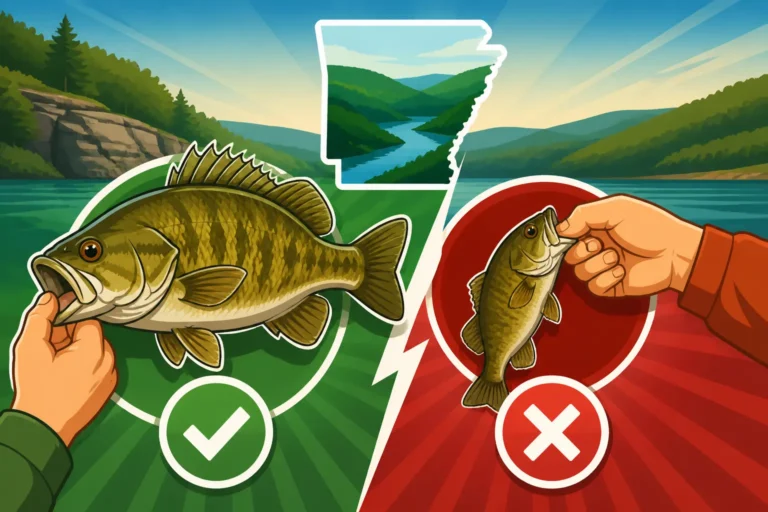
By requiring anglers to release fish within a specific size slot – like the 10-to-14-inch range we see on some Arkansas tailwaters – fisheries managers ensure that these critical breeders remain in the water to reproduce. If anglers were allowed to keep all fish of any size, there's a significant risk that the most readily caught and often "perfect table size" trout would be removed, leading to a decline in future generations. It’s a delicate balance: provide ample opportunity for anglers to harvest some fish while ensuring the resource can replenish itself indefinitely.
Different Types of Size Restrictions
It’s easy to get confused by all the different length regulations out there, but each serves a distinct purpose.
- Minimum Length Limits: This is perhaps the most common rule. You can only keep fish that are above a certain length. For instance, if there's a 15-inch minimum for bass, you release anything smaller. This protects juvenile fish, allowing them to grow larger and reach reproductive age before being harvested. Many bass lakes in Arkansas operate under these types of rules, for example, the Largemouth Bass Daily Limit in Arkansas.
- Maximum Length Limits: Less common, these rules mean you can only keep fish below a certain length, and anything larger must be released. This strategy is often used to protect truly massive, trophy-sized fish, allowing them to continue growing and potentially spawn multiple times, contributing their superior genetics to the population.
- Slot Limits: This is a combination, creating a "protected slot" where fish must be released. Anglers might be allowed to keep fish below the slot (often smaller, faster-growing fish that are abundant) and/or fish above the slot (trophy fish, which are less numerous). The 14-inch release rule on Arkansas tailwaters fits this model, protecting a crucial mid-range of trout. This balanced approach helps manage fishing pressure across different size classes, promoting a sustainable, high-quality fishery. Understanding these distinctions is key to being a responsible angler and appreciating the thought behind the regulations.
Specific Arkansas Tailwaters with the 14-Inch Slot Limit
Arkansas is blessed with some truly exceptional tailwater fisheries, thanks in no small part to the cold, oxygen-rich waters discharged from its hydroelectric dams. These unique environments are prime trout habitat, and it’s precisely on these world-class waters that you'll find specialized regulations like the 14-inch slot limit in place.
Norfork Tailwater's Specific Rules
The Norfork Tailwater, also known as the Norfork River, below Norfork Dam, is legendary among trout anglers. This stretch of river is meticulously managed by the Arkansas Game and Fish Commission (AGFC) to maintain its reputation as a consistent producer of healthy rainbow, brown, and brook trout. The rules here are quite specific: anglers are allowed a daily limit of two (2) trout, but only one (1) of those two fish can be over 14 inches in length. This means if you catch a beautiful 12-inch rainbow, it falls squarely within the protected 10-14 inch slot and must be released immediately.
This regulation isn't arbitrary; it's a direct result of careful scientific study and observation of the trout population in this pristine environment. The Norfork's cold, clear waters and abundant aquatic insect life create an ideal nursery and growing habitat for trout. The slot limit ensures that the middle-sized trout – those 10 to 14 inches long – have the best chance to mature and contribute to the fishery's incredible natural reproduction. When you see guides on the Norfork, like those from Dally's Ozark Fly Fisher, gently releasing fish in this size range, they’re demonstrating a commitment to the long-term health of the river. To fish this fantastic water, remember you'll need both a standard Arkansas Fishing License Rules and Costs and an Arkansas Trout Permit Rules. For more specific details on limits, check out the Trout Limits on the Norfork Tailwater in Arkansas.
Bull Shoals Tailwater Regulations
Just like the Norfork, the Bull Shoals Tailwater, which is the White River below Bull Shoals Dam, is another jewel in Arkansas’s trout fishing crown. The regulations here largely mirror those on the Norfork for the same ecological reasons. Anglers on the Bull Shoals Tailwater are also subject to a daily limit of two (2) trout, with only one (1) of those allowed to be over 14 inches. Again, this effectively establishes a protected slot for trout between 10 and 14 inches.
This rule applies to the most productive sections of the White River, where trout flourish and angling pressure can be significant. Imagine the sheer number of anglers flocking to destinations like Cotter or Lakeview, all eager to land a beautiful trout. Without the slot limit, the abundance of 10-to-14-inch fish, which are often eager to bite, could be rapidly diminished. By protecting these fish, the AGFC helps ensure that the river continues to support a robust population, offering both quality angling experiences and the potential for a trophy-sized fish for those who choose to keep one. It's a testament to the AGFC's commitment to sustainable fisheries management. For a comprehensive look at the rules for this famous river, consider reading up on the Bull Shoals Tailwater Trout Rules in Arkansas.
Key Tailwater Slot Limit Summary
To help clarify, here's a quick overview of the slot limit application on these key Arkansas tailwaters:
| Tailwater | Daily Trout Limit | Trout Over 14 Inches Allowed | Protected Slot (Mandatory Release) |
|---|---|---|---|
| Norfork Tailwater | 2 | 1 | 10 – 14 inches |
| Bull Shoals Tailwater | 2 | 1 | 10 – 14 inches |
This table highlights the crucial aspect: the 10-14 inch trout are the ones we must return to the water to ensure the continued health and vibrancy of these remarkable fisheries.
The Conservation Science Behind the 14-Inch Release Rule
The decision to implement a 14-inch release rule on Arkansas's premier trout tailwaters isn't based on guesswork or arbitrary limits. It's rooted deeply in fisheries science, a discipline that combines biology, ecology, and population dynamics to manage aquatic resources. The Arkansas Game and Fish Commission (AGFC) constantly monitors these waters, gathering data on fish health, growth rates, spawning success, and angler harvest. This scientific approach ensures that the regulations serve a vital ecological purpose, keeping these world-class fisheries thriving for generations.
Protecting Spawning Stock
One of the most critical reasons for the 10-14 inch protected slot is to safeguard the "spawning stock" – the population of sexually mature fish capable of reproducing. For trout in these coldwater tailwaters, the 10-to-14-inch size range often represents their prime reproductive years. Fish in this slot are typically mature, healthy, and contribute significantly to natural reproduction. If too many fish in this vital size class are removed, the number of successful spawners decreases, leading to fewer eggs, fewer fry, and ultimately, a smaller overall trout population.
Think of it like this: if you continually harvest the "middle managers" of a company, the entire organization eventually suffers because those are the most productive, experienced individuals ensuring things get done. In the same way, protecting these mid-sized trout ensures a continuous supply of new fish, reducing the reliance on stocking programs and fostering a more naturally sustainable fishery. It's a long-term investment in the health of the river. Anglers who consistently adhere to these rules are directly contributing to the abundance they enjoy on every trip. The science confirms that these fish are the future.
Managing Fishing Pressure
Arkansas's tailwaters, especially the White and Norfork rivers, are incredibly popular fishing destinations, drawing anglers from across the country. This high level of fishing pressure, while great for local economies, can exert immense strain on fish populations if not carefully managed. Without regulations like the 14-inch slot limit, the most accessible and eagerly biting fish (often those in the 10-14 inch range) would be disproportionately harvested. This could quickly "fish out" a specific size class, leading to a population dominated by very small, immature fish or very large, old fish that are harder to catch and might have diminished reproductive capacity.
The slot limit acts as a pressure relief valve. It allows anglers to keep a few smaller fish (often stocked trout that are plentiful) and potentially one larger, trophy-sized fish, while ensuring that the critical middle segment of the population remains protected. This spreads the harvest impact across different size classes and minimizes the risk of overharvesting the most vulnerable and reproductively valuable fish. It helps maintain a healthy age structure within the trout population, which is crucial for ecological resilience and for ensuring there are plenty of fish for everyone to catch in the future, regardless of whether they end up in the cooler. For more details on overall fishing rules, consider checking out the Arkansas Fishing Regulations Guide.
Practical Angling Tips for Slot-Limited Waters
Fishing in waters with slot limits adds an extra layer of responsibility and skill to your angling experience. It’s not just about catching the fish, but about knowing which ones to keep, which ones to release, and how to maximize their survival. If you’re heading to the Norfork or Bull Shoals Tailwaters, preparing for these specific rules will make your trip more enjoyable and ensure you’re contributing to the health of the fishery.
Gear and Techniques for Catch and Release
When you know you’ll be releasing most of your catch, especially those precious fish within the protected slot, your gear and technique become even more important. The goal is to minimize stress and injury to the fish, giving them the best chance of survival after release.
- Barbless Hooks: This is perhaps the simplest and most effective change you can make. Barbless hooks greatly reduce tissue damage and make hook removal quick and easy. You can often buy them pre-made, or you can easily crimp down the barb on your existing hooks with a pair of pliers. Many experienced guides on the White River insist on barbless hooks.
- Knotless, Rubberized Landing Nets: These nets are game-changers. Traditional knotted nets can strip off a fish's protective slime coat and damage fins. Rubberized nets are much gentler, and the fish won't get tangled, allowing for a swift and safe release. You can find excellent options for these on Amazon.
- Minimize Handling: The less you touch a fish, the better. If possible, keep the fish in the water while unhooking it. If you must lift it, wet your hands thoroughly first to protect its slime coat. Avoid squeezing the fish, especially around its internal organs.
- De-hooking Tools: Long-nosed pliers or hemostats are invaluable for quickly removing hooks, especially if they're deeply set. This speeds up the process and reduces stress on the fish. Again, Amazon has a wide selection of these essential tools.
- Proper Release: Hold the fish gently upright in the water, facing upstream, allowing water to flow over its gills. Don't pump it back and forth; this forces water the wrong way. Wait until it can swim away under its own power. Sometimes, a fish needs a minute or two to recover, especially after a long fight.
Mastering these techniques not only benefits the fish but also enhances your own angling skills, turning you into a more conscientious and effective angler.
Ethical Angling and Compliance
Understanding and complying with fishing regulations isn't just about avoiding a ticket; it's about being a responsible steward of a shared natural resource. Ethical angling is a cornerstone of conservation, especially in heavily fished, regulated waters like Arkansas’s tailwaters.
- Know the Rules: Before you even cast your first line, make sure you understand the specific regulations for the water you're fishing. The AGFC's website and physical regulation guides are your best friends. These rules can sometimes change, so a quick check each season is always a good idea. Knowing things like Arkansas Fish Size and Daily Limits is paramount.
- Measure Carefully: Carry a reliable measuring device. If you intend to keep a fish within the legal parameters (e.g., one under 10 inches or one over 14 inches), measure it accurately. A small mistake can lead to a significant fine, as highlighted in Penalties for Fishing Without a License in Arkansas.
- Don't "Stretch" the Rules: Attempting to manipulate measurements or hide illegally kept fish undermines the entire conservation effort. Game wardens in Arkansas are highly trained and vigilant, and they are there to ensure compliance for the good of the fishery.
- Report Violations: If you witness someone openly violating regulations, consider reporting it to the AGFC. Responsible anglers protect the resource from those who would exploit it.
- Lead by Example: Other anglers, especially newer ones, often learn by observing. By demonstrating proper catch-and-release techniques and adherence to regulations, you contribute to a culture of responsible fishing.
Compliance isn't just a legal obligation; it's a moral one, ensuring that the incredible fishing opportunities in Arkansas endure for future generations.
Enjoying the Fishery Beyond the Creel
While the allure of a delicious fresh-caught trout is undeniable, fishing in slot-limited waters encourages a deeper appreciation for the sport that goes beyond filling a cooler. These regulations are in place precisely because the fisheries they protect offer something truly special: the chance to consistently catch healthy, vibrant fish.
- Focus on the Experience: Embrace the thrill of the strike, the challenge of the fight, and the beauty of the fish you bring to hand, even if it’s destined for release. The memory of a perfect drift, a subtle take, and a strong-fighting trout often lasts longer than the memory of a meal.
- Photograph Your Catch: If you want to commemorate a beautiful fish, take a quick, respectful photo while the fish is still in the water or held briefly with wet hands. There are even floating nets designed to cradle fish for easy photos.
- Develop Your Skills: Slot limits push you to refine your angling techniques, especially catch-and-release methods, making you a more skilled and ethical angler. The challenge of landing and safely releasing a trophy-sized trout within the protected slot can be incredibly rewarding.
- Connect with Nature: These tailwaters are often set in stunning natural landscapes. Take time to appreciate the eagles soaring overhead, the deer at the water's edge, or the peaceful sound of the river. The fishing is just one part of a larger, immersive experience.
- Teach Others: Share your knowledge of responsible angling with friends, family, and especially children. Instilling good conservation habits early on ensures that the next generation will also cherish and protect these precious resources. Teaching a child proper catch and release methods, and explaining why we let certain fish go, is a valuable lesson that extends beyond fishing. For those looking for resources to teach kids, Amazon has some great beginner's guides to fishing and knot tying.
By shifting your focus from solely the creel to the overall experience and the health of the fishery, you'll discover a richer, more profound connection to the sport of fishing in Arkansas’s remarkable waters.
Disclaimer
The information provided in this guide is for general informational purposes only and is not intended as legal advice. Fishing regulations in Arkansas are subject to change by the Arkansas Game and Fish Commission (AGFC). It is the responsibility of every angler to consult the most current AGFC regulations before fishing to ensure compliance with all applicable laws and limits.