Same 2-trout limit applies on Bull Shoals down to Norfork Access
It can be incredibly confusing to keep track of all the different fishing regulations across Arkansas, especially when you're moving between various lakes and rivers. One moment you're fishing a general lake, the next you're on a world-class trout stream, and the rules change entirely. This guide aims to clear up any lingering questions you might have about the specific daily trout limit that applies to the highly productive waters of the Bull Shoals Lake tailwater, particularly from the dam all the way down to Norfork Access.
Understanding Trout Limits on the Bull Shoals Tailwater
When you're out on the water, the last thing you want is to accidentally break a regulation, especially with how dedicated Arkansas Game and Fish Commission (AGFC) wardens are to protecting our precious fisheries. The Bull Shoals tailwater, specifically the stretch of the White River flowing downstream from the Bull Shoals Dam to the Norfork Access area, is renowned for its incredible trout fishing. But with great fishing comes great responsibility, and that means adhering to specific limits designed to sustain these populations.
Specifics of the 2-Trout Daily Limit
Let's get right to the heart of it: for rainbow and brown trout on the Bull Shoals tailwater, the daily limit is two fish. This means that, in any given 24-hour period, you can only keep two trout of either species combined from this specific stretch of river. It's a hard and fast rule, and it's essential for maintaining the health and trophy potential of these waters. This limit applies whether you're catching primarily rainbows, browns, or a mix of both. It's important to remember that this is a daily creel limit, meaning it resets at midnight. However, since 2026-27, Arkansas has eliminated statewide possession limits for most species, meaning you no longer have to worry about how many fish you have at home in your freezer – only what you catch on a given day. You can find more details on this in our guide on what changed with Arkansas's fishing possession limits in 2026-27.
What this regulation aims to do is ensure that a healthy population of trout can continue to thrive and reproduce, providing fantastic fishing opportunities for everyone. It prevents overharvesting in a highly accessible and popular area. Think of it as sharing the bounty; if everyone only takes a couple of fish, there's plenty left for others to enjoy and for the fish population to remain robust.
The Geographical Scope: Bull Shoals Dam to Norfork Access
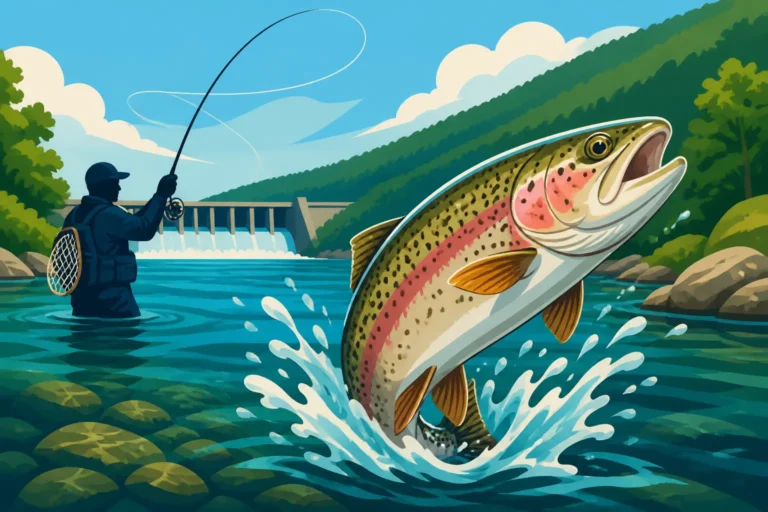
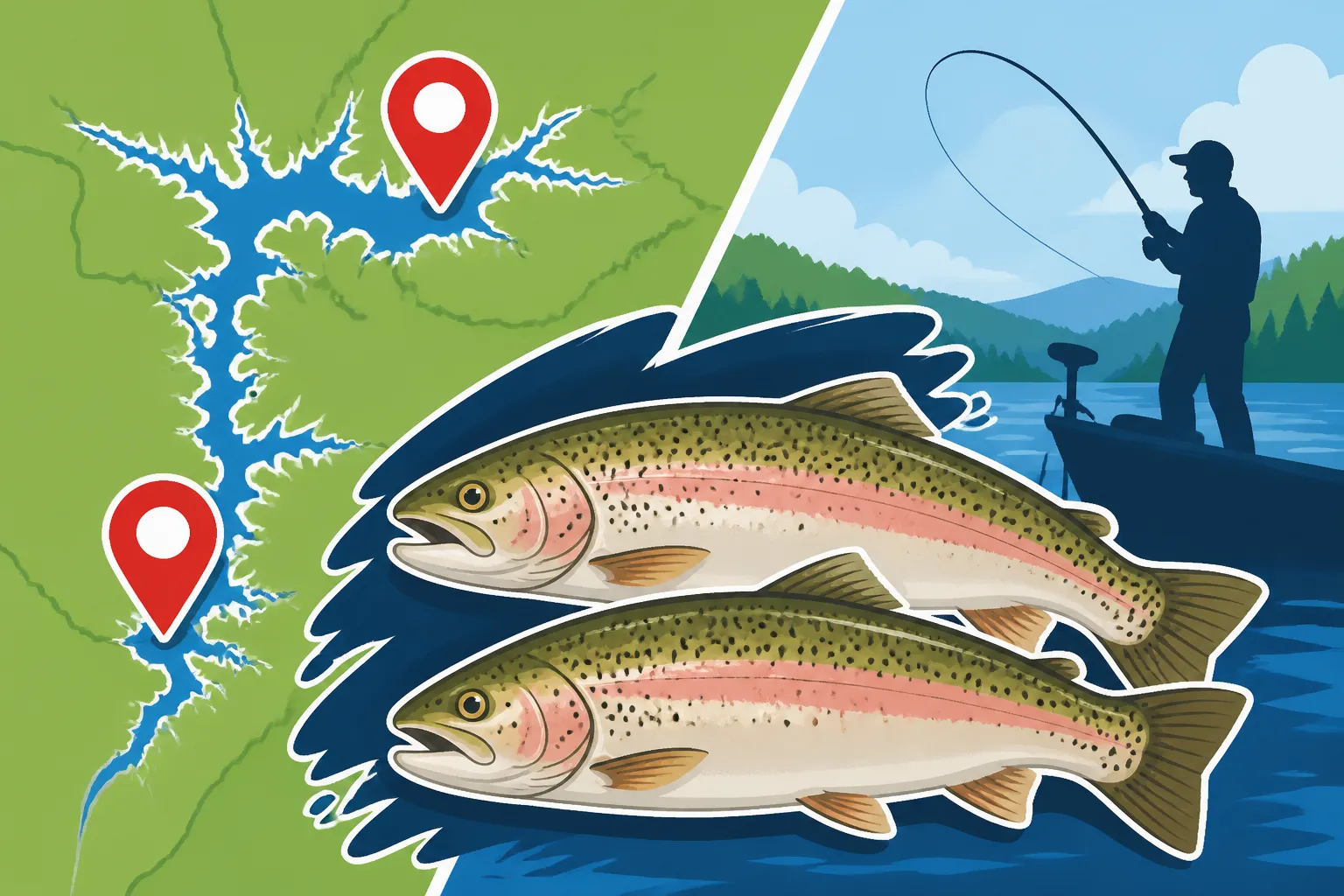
Now, let's talk about where exactly this 2-trout limit is enforced. This specific regulation covers the White River starting immediately below the majestic Bull Shoals Dam and extending downstream to the Norfork Access. This stretch is a significant part of what makes the White River a world-class trout fishery.
This area is heavily managed due to the cold, oxygen-rich waters released from the dam, which create an ideal habitat for cold-water species like trout. The Norfork Access point is a well-known landmark and a common put-in or take-out spot for float trips, making it a clear boundary for anglers. If you're planning a trip, familiarize yourself with this stretch to avoid any mix-ups. Further downstream or upstream on different river sections, or on other lakes, the rules can change dramatically. For example, similar restrictions, like the Norfork tailwater trout limit, apply to other premier trout waters in the state, making it a common regulation in highly productive areas.
Why These Limits Are Crucial for Conservation
You might wonder why such strict limits are necessary, especially when you're catching fish left and right. The truth is, these limits are absolutely critical for the long-term health and sustainability of Arkansas's unique trout fisheries. The Bull Shoals tailwater, like many of our tailwater fisheries, relies on specific conditions created by the dam's releases. These aren't naturally occurring trout waters in the same way mountain streams might be, and as such, their populations require careful management.
Without these limits, it wouldn't take long for the fish population to decline significantly. Trophy-sized trout, in particular, would become rarer as they'd be quickly harvested. These regulations ensure that there's always a healthy breeding stock, allowing future generations of anglers to experience the thrill of catching a quality trout. It's a balance between providing recreational opportunities and protecting a valuable natural resource, a responsibility the AGFC takes very seriously. It's all part of the larger picture of Arkansas Fishing Regulations Guide that keeps our state's waters vibrant.
Beyond the Limit: Size Restrictions and Release Rules
While the daily limit of two trout is fundamental, it's only part of the story. Many of Arkansas's prime trout waters, including the Bull Shoals tailwater, also implement specific length requirements. These are often designed to protect juvenile fish, allowing them to grow to a mature size, or to allow certain size classes to be harvested while protecting others, especially larger, more valuable breeding stock.
The "Trophy Trout" Exception and What It Means
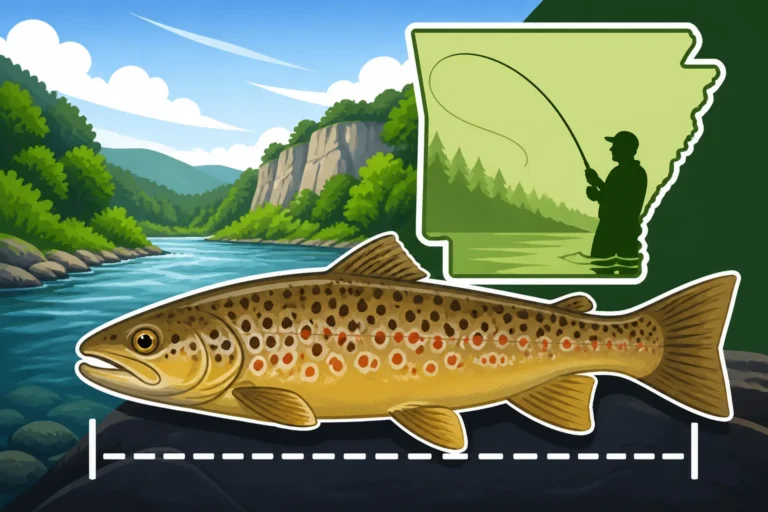
For the Bull Shoals tailwater from the dam to the Norfork Access, it's not just about the number of fish; it's also about their size. For rainbow trout, there's no minimum length limit, but only one of the two daily trout can be over 14 inches. For brown trout, the rules are stricter: a 24-inch minimum length limit, and only one brown trout 24 inches or longer may be kept. This means if you catch a 15-inch brown trout, it must be released. You're effectively targeting a true trophy brown trout if you plan to keep one. This kind of nuanced regulation allows anglers to keep some smaller, pan-sized rainbow trout while placing a high value on allowing brown trout to reach impressive sizes.
These "trophy trout" rules are a game-changer for serious anglers. They encourage the release of medium-sized fish, giving them a chance to become truly impressive specimens. Imagine hooking into a massive 25-inch brown trout – that's a fish that has beaten the odds, survived for years, and contributed to the gene pool. By protecting these larger fish with specific length limits, the AGFC helps ensure that our waters remain home to genuinely memorable catches. It's a testament to the dedication to maintaining Trophy Brown Trout Records on the White River.
Importance of Proper Catch and Release Techniques
Given these specific size and slot limits, knowing how to properly catch and release fish is not just good practice, it's essential for conservation. Releasing a fish improperly can cause more harm than keeping it. We want those fish to swim away strong and healthy, ready to be caught another day or, more importantly, to reproduce and contribute to the fishery.
Here are some quick tips for proper catch and release:
- Minimize handling: The less you touch a fish, the better. Try to keep it in the water if possible.
- Wet hands: Always wet your hands before touching a fish to avoid removing their protective slime coat.
- Use barbless hooks: These make hook removal much easier and faster, reducing stress on the fish. You can even crimp the barb on most hooks with a pair of pliers.
- Support the fish: If you must take it out of the water for a quick picture, support its body horizontally. Never hold a fish by the jaw vertically, as this can damage its internal organs.
- Remove hook quickly: Use pliers or a de-hooking tool to remove the hook efficiently. If the hook is deeply swallowed, it's often best to cut the line as close to the hook as possible.
- Revive gently: If the fish seems sluggish, hold it gently in the water, facing upstream, allowing water to flow over its gills until it swims away on its own.
These techniques are vital not just for the Bull Shoals tailwater, but for any fishery where you practice catch and release. Investing in a good pair of long-nose pliers or a specialized de-hooker, easily found on Amazon, can make a huge difference in the survival rate of released fish.
Gear and Tactics for Fishing the Bull Shoals Tailwater
Successfully fishing the Bull Shoals tailwater, especially for trout, involves more than just knowing the regulations. It also means having the right gear and understanding the tactics that work best in these unique waters. The White River below Bull Shoals Dam is a powerful, cold-water environment that demands specific approaches.
Recommended Tackle and Lures for Success
When it comes to tackle for the Bull Shoals tailwater, versatility is key. You'll want a setup that can handle both delicate presentations for wary trout and the occasional larger fish that might strike.
For spin fishing, a light to medium-light spinning rod (6' to 7' in length) paired with a small spinning reel (1000-2500 size) spooled with 4-6 lb test fluorocarbon or monofilament line is ideal. Fluorocarbon is often preferred for its invisibility underwater. As for lures, small inline spinners like a #0 or #1 Mepps Aglia or Rooster Tail are perennial favorites. Small spoons, jerkbaits like a Rapala Countdown, and various soft plastic trout magnets or tiny jigs are also incredibly effective. For those who prefer live bait, salmon eggs, power bait, or even small worms fished under a float can be deadly, especially in slower currents.
For fly fishing, which is hugely popular on the White River, a 4- to 6-weight fly rod is a good all-around choice. You'll want a floating line, and for nymphing, a sink-tip or even a full sinking line can be beneficial in deeper runs. Leaders typically range from 7.5 to 9 feet with tippet sizes between 4x and 6x. Fly selection is critical and often changes with the hatches, but staple patterns include various nymphs (Prince Nymph, Pheasant Tail, Hare's Ear), midge patterns (Zebra Midge), streamers (Woolly Bugger), and occasionally dry flies during a hatch. Having a small tackle box or fly box, readily available on Amazon, with a variety of these options will prepare you for changing conditions. You can dive deeper into Spin Fishing Techniques for Trout to refine your approach.
Best Fishing Techniques for Bull Shoals Trout
The White River below Bull Shoals Dam can be fished effectively from a boat, by wading, or even from the bank in certain accessible areas. Each method has its advantages and preferred techniques.
From a Boat (Floating): Many anglers opt for a guided float trip or take their own jon boat or drift boat down the river. This allows you to cover a lot of water and access prime spots that are difficult to reach otherwise. Techniques often involve drifting bait or flies naturally with the current, or casting lures towards structure like submerged trees, rock piles, or eddy lines. Trolling small crankbaits or spoons can also be effective in deeper sections. Understanding how the current affects your presentation is paramount.
Wading: When water levels allow, wading can be an incredibly rewarding way to fish, offering a more intimate experience with the river. Look for gravel bars and slower-moving stretches. Wading anglers often focus on seams where fast and slow water meet, current breaks behind rocks, and deeper pockets. Drifting flies or light lures through these areas, or casting spinners across and slightly upstream to let them swing through a productive zone, are common strategies. Always be mindful of changing water levels, which can rise quickly due to dam releases.
Bank Fishing: While less common for covering vast stretches, bank fishing is possible near public access points and park areas. These spots often have slower currents or eddy lines where trout can congregate. Using PowerBait or salmon eggs on a bottom rig or floating small jigs under a bobber can be very productive. Early mornings and late evenings often yield the best results for bank anglers, especially during less crowded times. For those seeking truly prime spots, our article on Trout Fishing Below Bull Shoals Dam on the White River offers more insight.
Planning Your Fishing Trip to the Bull Shoals Tailwater
A successful fishing trip, especially to a premier destination like the Bull Shoals tailwater, requires a bit of planning. Beyond knowing the limits and techniques, you need to ensure you have the proper legal documentation and understand the best times to visit for the experience you're seeking.
Essential Licenses and Permits You'll Need
Before you even think about casting a line in Arkansas, you'll need the proper fishing licenses. For resident and non-resident anglers alike, a valid Arkansas fishing license is mandatory. This is your base permit. You can find comprehensive details on Arkansas Fishing License Rules and Costs.
However, if you plan to keep trout – and on the Bull Shoals tailwater, that's what many anglers are hoping for, even if it's just two of them – you will also need a separate Trout Permit. This permit is an add-on to your regular fishing license and is specifically required for harvesting trout in the state's designated trout waters, which certainly includes the White River tailwaters. Don't forget this crucial detail; many anglers get caught off guard. Our guide on Arkansas Trout Permit Rules provides all the specifics. It's incredibly easy to purchase these licenses online through the AGFC website, or from authorized retailers like Walmart or local bait shops. Remember, it's always wise to buy your licenses ahead of time, perhaps even through a quick visit to the AGFC site you can find on your phone or computer before heading out.
Best Times to Visit and Local Considerations
The Bull Shoals tailwater is a year-round fishery, but different seasons offer unique opportunities and challenges. Understanding these can greatly enhance your trip.
Spring (March-May): This is a fantastic time as trout become more active after winter. Hatches increase, providing excellent fly-fishing opportunities. Water levels can be higher due to dam releases, so pay close attention to generation schedules if wading. The weather is generally pleasant, making it one of the Best Time of Year to Fish in Arkansas.
Summer (June-August): While it can get hot in Arkansas, the cold tailwater keeps trout active. Early mornings and late evenings are often the most productive. This is a popular time for guided float trips. Generation schedules are critical, as dam releases often occur daily to meet power demands. It's also a great time for families to visit and enjoy the scenic beauty.
Fall (September-November): Many consider fall to be the prime season. The weather is crisp, the foliage is stunning, and brown trout begin their spawning run, making them more aggressive and accessible. This is often when trophy browns are targeted. Fishing pressure can be high, but the rewards are often worth it.
Winter (December-February): Don't discount winter fishing! While colder, fishing can be excellent on mild days. Trout are still active, and fewer anglers mean less pressure. Midges are often the dominant insect, making for great nymphing. Layering clothing, easily found on Amazon, is essential for comfort in the colder temperatures, as is understanding What to Wear on a White River Guide Trip in Arkansas.
Always check the generation schedule for Bull Shoals Dam before heading out, especially if you plan to wade. The water levels can change rapidly and unexpectedly. Local bait shops and guide services are excellent resources for up-to-the-minute information on water conditions and what the fish are biting on.
To summarize the key limits and regulations for trout on the Bull Shoals Tailwater, here's a quick reference table:
| Species | Daily Creel Limit | Minimum Length | Slot Limit/Special Rules |
|---|---|---|---|
| Rainbow Trout | 2 | None | Only 1 fish over 14 inches |
| Brown Trout | 2 | 24 inches | Only 1 fish 24 inches or longer |
| Cutthroat Trout | 2 (combined) | 14 inches | Only 1 fish over 14 inches (typically rare in this area) |
| Brook Trout | 2 (combined) | 14 inches | Only 1 fish over 14 inches (typically rare in this area) |
Note: Always consult the latest Arkansas Game and Fish Commission regulations guide, as rules can change.
Disclaimer
The information provided in this guide is for general informational purposes only and is not intended to be legal advice. Fishing regulations in Arkansas are subject to change by the Arkansas Game and Fish Commission. Always consult the most current official AGFC regulations guide before engaging in any fishing activities to ensure compliance.