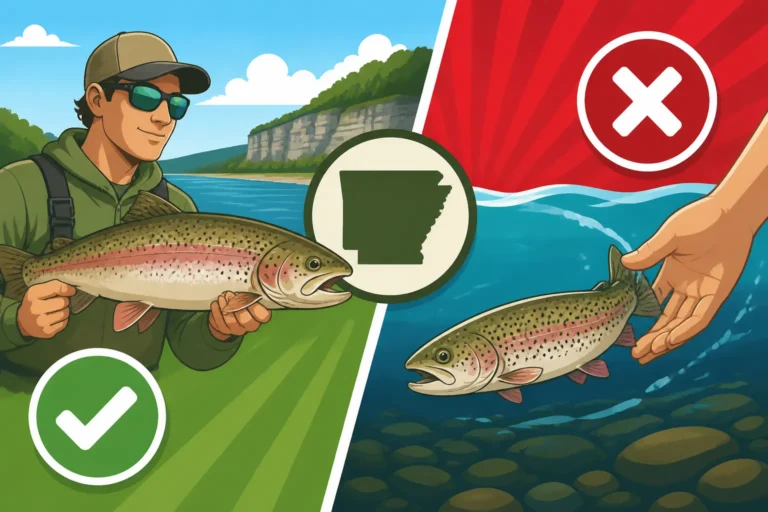
Norfork tailwater trout limit is 2 rainbow trout per day
It's incredibly frustrating, isn't it, when you're geared up for a fantastic day of trout fishing on a renowned river like the Norfork Tailwater, only to realize you're not entirely sure about the exact daily limits? The rules can sometimes feel like a moving target, especially when different bodies of water within the same state have their own specific regulations. You want to do things right, protect our beautiful fisheries, and avoid any unwanted surprises from a game warden. This comprehensive guide is here to clear up all that confusion, specifically focusing on the rainbow trout limit on the Norfork Tailwater, so you can cast your line with confidence and enjoy your time on the water.
Understanding the Norfork Tailwater's Unique Regulations
The Norfork Tailwater, flowing out from below Norfork Dam, is a true gem in Arkansas's fishing crown. It's world-famous for its trout fishery, but that fame comes with a responsibility, and that means specific regulations are in place to keep it healthy and thriving. You might wonder why these particular rules exist, and why they often differ from a random pond or even other major rivers in the state.
Why Specific Rules Apply to Tailwaters
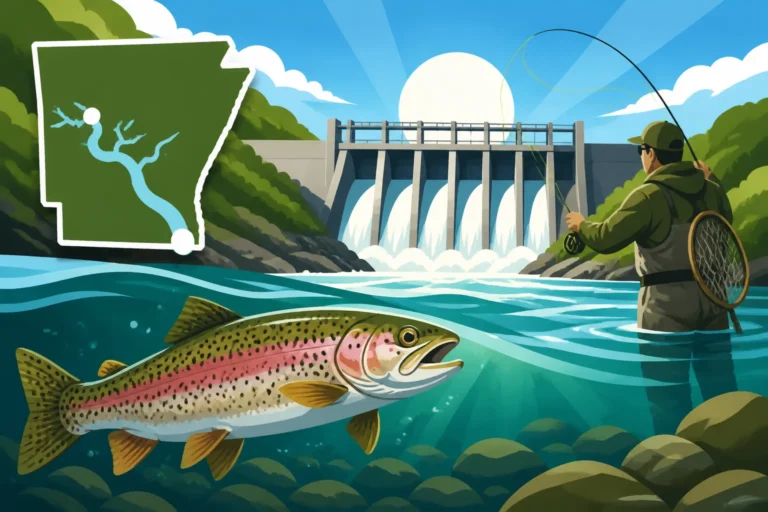
Imagine a river that's not fed by rain and snowmelt directly, but by a massive dam releasing water from deep within a reservoir. That's a tailwater, and it creates a remarkably unique environment. The water released from Norfork Dam is consistently cold, even in the heat of summer, and it's highly oxygenated. These conditions are absolutely perfect for trout, especially species like rainbow trout, brown trout, and cutthroat trout, which thrive in such cold, clear flows. Because these are man-made environments, sustained by careful management, the Arkansas Game and Fish Commission (AGFC) implements specific rules to manage the delicate balance.
It can be a little jarring, I know, to fish one river with one set of rules and then drive a couple of hours to another, equally popular spot, and find the regulations are entirely different. This isn't meant to make things harder for anglers; quite the opposite. These tailored rules are designed to protect the specific fish populations in that particular body of water. For instance, the constant flow and temperature of the Norfork create an ideal trout habitat, unlike many other Arkansas rivers. The AGFC works tirelessly through stocking programs, habitat restoration, and, yes, carefully crafted fishing regulations to ensure this resource remains exceptional for generations to come. It’s why places like the Norfork continue to be listed among the Best Trout Fishing Spots in Arkansas, offering some of the most consistent fishing action you'll find anywhere.
The Importance of Knowing Your Limits
Honestly, it's not just about avoiding a fine; it's about being a good steward of the resource. Regulations like daily catch limits and size restrictions are the backbone of sustainable fisheries management. Without them, even the most robust fish populations could be decimated by overfishing. Imagine everyone keeping every fish they caught—it wouldn't take long before our beautiful rivers and lakes were barren.
Knowing your limits ensures that enough fish are left in the water to reproduce, grow, and continue to provide exciting angling opportunities. It's a collective responsibility we share as anglers. Plus, let's be real, showing up unprepared and having to explain to a game warden why you have too many fish, or fish that are out of legal size, is a surefire way to spoil an otherwise perfect day on the water. You can avoid those headaches entirely by taking a few minutes to familiarize yourself with the current Arkansas Fishing Regulations Guide. It's updated periodically, so always double-check before heading out!
The Specific Rainbow Trout Daily Limit on the Norfork Tailwater
Now, let's get down to the brass tacks, the specific numbers you need to know for your Norfork adventure. This is where clarity truly matters, because misinterpreting a rule can have real consequences.
The Two Rainbow Trout Per Day Rule
For those targeting rainbow trout on the Norfork Tailwater, the rule is straightforward: you are permitted to keep a daily limit of two (2) rainbow trout. This limit applies to each licensed angler per day. A "day" for fishing purposes typically runs from midnight to midnight. So, if you catch your two legal rainbow trout in the morning, you're done keeping rainbow trout for that calendar day, even if you decide to go back out in the afternoon.
This specific limit is a result of careful biological study and management goals by the AGFC. It aims to strike a balance between allowing anglers to harvest some fish for a meal (because fresh trout is truly a treat!) and ensuring a healthy population remains in the river. The Norfork is a heavily fished river, and even a slightly higher limit could put undue pressure on the stock. By having this clear, concise limit, the AGFC helps maintain the high quality of the fishery, which is something all of us, whether we prefer to keep fish or practice catch-and-release, can appreciate. You can find comprehensive details about all the species and their limits in the Trout Limits on the Norfork Tailwater in Arkansas guide.
Size Restrictions and Release Requirements
Beyond the daily numerical limit, there's another crucial aspect to Norfork Tailwater trout fishing: size restrictions. It's not just about how many you keep, but also about which ones. Specifically, for rainbow trout on the Norfork Tailwater, all rainbow trout over 14 inches in length must be immediately released. This is an important "slot limit" rule designed to protect the larger, trophy-sized rainbow trout, allowing them to continue to grow and reproduce.
So, while you can keep two rainbow trout per day, neither of those fish can be longer than 14 inches. If you catch a beautiful rainbow that measures, say, 16 inches, you absolutely must release it carefully back into the water. This rule significantly contributes to the Norfork's reputation for producing quality, larger trout for future angling encounters. It's common for anglers to use a small measuring board or even a sticker on their net handle to quickly check a fish's length boat-side, ensuring they comply without causing undue stress to the fish. Make sure you understand What Size Trout Must You Release on the Norfork Arkansas Tailwater to avoid any issues.
This combination of a low daily creel limit and a maximum size limit is a powerful tool in fishery management. It encourages the release of larger, more genetically valuable fish, while still offering the opportunity for anglers to take home smaller, table-fare trout.
Essential Gear and Practices for Norfork Tailwater Anglers
Having the right gear and knowing the proper techniques are just as important as knowing the regulations, especially when you're fishing a delicate and celebrated fishery like the Norfork Tailwater. It elevates your experience and ensures you're doing your part to keep the river healthy.
Required Licensing and Permits
Before you even think about putting a line in the water on the Norfork, you absolutely need to make sure your paperwork is in order. It's not just a suggestion; it's a legal requirement, and game wardens are frequently patrolling these popular waters.
First and foremost, every angler 16 years of age or older needs a valid Arkansas Fishing License Rules and Costs. This is your basic permission slip to fish anywhere in the state. You have several options for licenses, including annual, three-day, or even lifetime licenses for residents. You can look into the various Arkansas Fishing License Types Explained to pick the one that best suits your trip duration and residency.
In addition to the general fishing license, if you plan to fish for, or keep, trout in the designated trout waters of Arkansas (which includes the Norfork Tailwater), you are also required to possess an Arkansas Trout Permit. This is an additional permit, often just a few dollars, but it's non-negotiable for trout anglers. Many people forget about this secondary permit, so make sure you don't! The AGFC provides all the details on Arkansas Trout Permit Rules, and it explicitly states that Do you need a trout permit to keep trout in Arkansas? – yes, you do!
Acquiring these licenses and permits is usually pretty simple. You can easily How to Buy an Arkansas Fishing License Online through the AGFC website, which is often the most convenient option. Many local sporting goods stores, bait shops, and even some Walmarts across Arkansas also sell them. For our out-of-state friends, don't worry, the process is just as easy, but you'll need to purchase a nonresident license, which will have a different cost. You can find all the details on Nonresident Fishing License Rules for Arkansas. Always carry your license and permit with you while fishing – either a physical copy or a digital one on your phone. Getting caught without one can lead to Arkansas Fishing License Penalties and Requirements, which can definitely put a damper on your fishing trip.
Best Practices for Catch-and-Release
Even if you plan to keep your daily limit of two rainbow trout, you'll undoubtedly be releasing many more fish throughout your day on the Norfork. Practicing proper catch-and-release techniques is vital for the survival of those fish and for the overall health of the fishery, especially for those larger trout you're legally required to release.
Here are some key tips for ethical catch-and-release:
- Handle Fish as Little as Possible: The less you touch a fish, the better. Try to keep them in the water as much as possible.
- Wet Your Hands: Always wet your hands thoroughly before touching a fish. Dry hands remove the protective slime layer that guards fish against disease.
- Use Barbless Hooks: Crushing the barb on your hooks or using specific barbless hooks makes it much easier to remove the hook with minimal damage to the fish's mouth. Many serious trout anglers use them exclusively.
- Use Pliers or Hemostats: Keep a pair of long-nose pliers or hemostats handy for quick and efficient hook removal, especially if the hook is deeply set.
- Support the Fish Horizontally: If you must lift the fish for a quick photo, support its weight horizontally with both hands, one near the head and one near the tail. Avoid holding fish vertically by the jaw or gill plates, as this can damage their internal organs and spine.
- Minimize Air Exposure: A fish out of water is like you holding your breath. Try to keep air exposure to a minimum, ideally just a few seconds for a photo if necessary.
- Revive Carefully: If a fish seems sluggish after release, hold it gently in the water, facing upstream, allowing water to flow over its gills until it swims away on its own power. Don't "pump" the fish back and forth, as this can actually reduce oxygen flow.
By adopting these practices, you're not just following good etiquette; you're actively contributing to the Norfork Tailwater's reputation as a pristine, high-quality trout fishery.
Planning Your Norfork Tailwater Trout Trip
A successful fishing trip is often made long before you ever cast a line. Thoughtful planning, especially for a specific fishery like the Norfork, can make all the difference between a frustrating day and an unforgettable one.
When to Visit and What to Expect
The Norfork Tailwater is a year-round fishery, thanks to the consistent cold-water releases from Norfork Dam. However, certain times of year can offer distinct advantages or present different challenges.
- Spring (March-May): Often considered prime time. As the weather warms, insect hatches become more prolific, especially blue-winged olives and caddis, making for excellent fly-fishing opportunities. Water generation from the dam tends to be more consistent as lakes fill, creating good flows.
- Summer (June-August): While the air temperatures can be hot, the water remains cold, keeping the trout active. Early mornings and late evenings are often the most productive. This is when the annual Arkansas Free Fishing Weekend Guide usually occurs, making it a great time for beginners to try without a license. However, dam generation can be less predictable, sometimes leading to lower water levels, which can make wading more popular.
- Fall (September-November): Another fantastic season, with cooler weather and vibrant fall foliage making for beautiful fishing conditions. Brown trout, in particular, become more aggressive as they prepare for their spawn, offering a chance at true trophies.
- Winter (December-February): Don't dismiss winter! The Norfork can offer some truly exceptional, uncrowded fishing, especially on warmer, sunny days. Nymphing and streamers are often the most effective methods. Just be prepared for cold weather and dress in layers.
A critical factor on the Norfork Tailwater is the dam generation schedule. The water level can fluctuate dramatically throughout the day depending on when the Army Corps of Engineers is generating electricity. Always check the generation schedule before you head out, and if possible, check it again right before you launch, as schedules can change. High water means different access points, different fishing techniques, and can be dangerous for wade anglers. Low water might mean more exposed gravel bars and wading opportunities. Many anglers even hire local guides who are experts at navigating these changing conditions and putting you on fish.
Nearby Access Points and Amenities
The Norfork Tailwater is very accessible, offering various ways to get on the water, whether you're bringing a boat, wading, or just looking for a family-friendly spot.
- Quarry Park: Located just below Norfork Dam, this is a popular access point for both boaters and waders (when water levels permit). It has restrooms and a boat ramp.
- Dry Run Creek: This truly unique spot, also near the dam, is specifically designated for disabled anglers and children under 16. It's heavily stocked with large trout, offering an almost guaranteed catch for kids, and no fishing license or trout permit is required for those fishing in this specific area! It's a fantastic place to introduce youngsters to the joy of fishing.
- Brier Creek & Riverbend: Further downstream, these access points offer more secluded fishing, particularly for waders during low water.
- Norfork River Resort & Other Resorts: Several private resorts and cabins dot the riverbanks, offering private access, boat rentals, and often guided fishing trips.
- Local Bait Shops & Outfitters: Towns like Norfork and Salesville, and larger nearby towns like Mountain Home, have excellent local bait and tackle shops where you can pick up current intel on what's biting, buy your licenses, and get any last-minute gear you might need. Brands like Amazon also offer a wide selection of fishing gear if you like to order online, but nothing beats local advice for immediate conditions.
When planning your trip, consider what kind of experience you're looking for. Do you want to wade fish for hours in solitude, or do you prefer the comfort and mobility of a drift boat? Are you bringing kids who would love Dry Run Creek? Having a rough idea will help you pick the best access points and make the most of your time on this incredible trout fishery.
Here's a quick reference table for the Norfork Tailwater's key regulations for rainbow trout:
| Regulation Type | Specific Rule for Norfork Tailwater Rainbow Trout | Notes |
|---|---|---|
| Daily Creel Limit | 2 Rainbow Trout Per Angler Per Day | "Per day" is defined as midnight to midnight. Once you keep two, you cannot keep any more rainbow trout until the next calendar day. Other trout species (brown, cutthroat) have different limits. |
| Size Limit | All Rainbow Trout Over 14 Inches Must Be Released | If a rainbow trout measures 14.1 inches or more, it must be immediately and carefully released. This means any kept rainbow trout must be 14 inches or less. |
| Fishing License | Required for ages 16 and over | Must have a valid general Arkansas fishing license. Different costs for residents and nonresidents. |
| Trout Permit | Required for ages 16 and over | An additional permit required to fish for and/or keep trout in designated trout waters, including the Norfork Tailwater. This is in addition to your general fishing license. |
| Location | Norfork Tailwater | Specific rules apply to the waters of the Norfork River below Norfork Dam. Regulations may differ significantly on other rivers or lakes in Arkansas. Always confirm current AGFC regulations before fishing. |
Remember, these rules are in place to preserve the exceptional quality of the Norfork Tailwater. By understanding and adhering to them, you're not just being a legal angler, you're being a responsible steward of one of Arkansas's most prized natural resources. Tight lines and happy fishing!
Disclaimer
The information provided in this guide is for general informational purposes only and is subject to change. Fishing regulations are set by the Arkansas Game and Fish Commission (AGFC) and can be modified at any time. While we strive to provide accurate and up-to-date information, it is the angler's sole responsibility to consult the official AGFC website or their latest printed regulations guide before fishing to ensure full compliance with all current laws and regulations. Fishing without a proper license or permit, or violating creel and size limits, can result in fines and penalties.