Trout Limits on the Norfork Tailwater in Arkansas
There's nothing quite like the excitement of a fishing trip planned for Arkansas's renowned trout waters, but that excitement can quickly turn to anxiety when you're trying to decipher the specific, often nuanced, regulations for a particular fishery like the Norfork Tailwater. It feels like you need a law degree just to understand what you can and can't keep, and nobody wants to inadvertently break the rules and face a fine. This guide is here to untangle those complicated regulations, offering a clear, comprehensive breakdown of the trout limits on the Norfork Tailwater, so you can focus on the joy of fishing and make informed decisions about your catch.
Understanding the Norfork Tailwater Fishery
The Norfork Tailwater, formed by the cold waters released from the bottom of Norfork Dam, is truly a jewel in Arkansas's crown, especially for trout anglers. It's a prime example of a cold-water fishery, thriving due to consistent water temperatures that make it an ideal habitat for several species of trout. But what exactly makes this stretch of river so special, and why does it command such specific attention regarding its fishing regulations?
What Makes the Norfork Tailwater Unique for Trout Fishing
The uniqueness of the Norfork Tailwater stems directly from its origin: the Norfork Dam. Water released from the depths of Norfork Lake maintains a consistently cold temperature, usually in the low 50s Fahrenheit, year-round. This is absolutely critical for trout, which are cold-water fish and cannot survive in warmer conditions typical of many other Arkansas rivers and lakes. This stable, cold environment allows for a robust population of rainbow trout, which are regularly stocked, but also supports naturally reproducing brown trout, and even smaller populations of cutthroat and brook trout. The nutrient-rich outflows also provide an abundant food source, from various aquatic insects to smaller baitfish, creating a vibrant ecosystem. It’s this consistent, ideal habitat that makes the Norfork Tailwater one of the most productive trout streams in the entire Southeast, drawing anglers from across the country.
Moreover, the character of the river itself changes with the dam's generation schedule, offering different fishing experiences based on water flow. When the generators are running, the river swells, creating faster currents and deeper channels perfect for drift fishing or targeting holding spots from a boat. When the water is low, vast stretches become wadeable, opening up opportunities for fly anglers to stalk trout in crystal-clear conditions. This dynamic environment means anglers need to be adaptable, not only in their fishing techniques but also in their understanding of how regulations apply under varying conditions. It's a living, breathing ecosystem directly influenced by human management, making its rules all the more vital.
Why Specific Regulations Are Crucial for This Fishery
The specific, and sometimes stricter, regulations for the Norfork Tailwater aren't arbitrary; they are the backbone of its continued health and productivity. With its reputation as a premier trout destination, the Norfork receives significant angling pressure throughout the year. Without carefully crafted rules regarding daily limits, size restrictions, and gear stipulations, the fish populations could quickly be depleted, especially for species that reproduce naturally but at a slower rate, like brown trout. The Arkansas Game and Fish Commission (AGFC) implements these rules to ensure sustainable fishing, allowing enough fish to survive and reproduce, thus safeguarding the fishery for future generations. These regulations also help in developing a diverse fishery, where anglers have a chance to catch not only numerous stocked rainbow trout but also elusive trophy brown trout.
Consider the delicate balance at play: stocked rainbows provide consistent opportunities for harvest, while wild brown trout populations need more protection to flourish and reach impressive sizes. The regulations are designed to manage this balance, offering opportunities for anglers who want to take a few fish home for dinner, while simultaneously protecting the genetic integrity and growth potential of the wilder, more vulnerable species. It’s a conservation effort that directly benefits every angler, ensuring that the Norfork Tailwater remains a world-class trout fishery year after year. Understanding and respecting these specific regulations is a critical part of being a responsible angler on these precious waters.
Navigating the General Statewide Trout Regulations
Before we dive into the nitty-gritty of the Norfork Tailwater's specific rules, it's important to grasp the baseline for trout fishing across Arkansas. The state has a general framework for trout regulations, but many of its prime trout streams, like the Norfork, have special, more restrictive rules that supersede the statewide standard. Knowing the general rule helps highlight why certain areas have different, often more protective, requirements.
The Standard Arkansas Trout Daily Limit
For many waters across Arkansas that hold trout, but aren't designated as "trophy" or "quality" waters, the statewide daily creel limit for trout is five (5) fish. This means that if you're fishing a small, stocked pond or a less intensively managed stretch of river that happens to hold trout, you're generally allowed to keep up to five trout per day, regardless of species or size, within reason. This standard limit provides a generous opportunity for anglers to enjoy a productive day and take home a meal. It's designed for areas where trout populations are largely maintained through stocking programs and the goal is to provide recreational harvest opportunities rather than to foster trophy-sized fish or protect fragile wild populations.
However, it's crucial to understand that this general rule is often overridden by specific regulations in designated trout streams and tailwaters. These special regulations are put in place because those specific waters, like the Norfork, support unique or highly productive trout fisheries that require more tailored management to thrive. Always check the current Arkansas Fishing Regulations Guide for the specific body of water you intend to fish, because assuming the statewide limit applies everywhere could lead to unintentional violations. Knowing this statewide baseline helps you appreciate the added layers of protection on premier trout waters. You can find more details on general state rules in our comprehensive guide, "Arkansas Fishing Regulations Guide".
The Importance of a Valid Trout Permit
Fishing for trout in Arkansas requires more than just a general fishing license; you also need a valid trout permit, commonly referred to as a "trout stamp." This is a separate purchase and is absolutely non-negotiable for anyone over the age of 16 who intends to fish for or possess trout in Arkansas waters. It doesn't matter if you're planning to keep fish for dinner or practice strict catch-and-release; if you're targeting trout, that permit needs to be in your possession. Many anglers, especially those new to trout fishing in the state or visiting from out-of-state, sometimes overlook this critical requirement, assuming their standard fishing license covers everything.
The revenue generated from the sale of trout permits directly supports the Arkansas Game and Fish Commission's trout management programs. This includes stocking efforts, habitat improvement projects, research, and enforcement activities on trout streams like the Norfork Tailwater. So, when you purchase a trout permit, you're not just buying a legal right to fish; you're actively contributing to the conservation and enhancement of the very fisheries you enjoy. This small additional investment is vital for the long-term health and quality of Arkansas's trout fishing opportunities. Make sure to check out "Arkansas Trout Permit Rules" for full details on how and why this permit is so important.
Specific Norfork Tailwater Trout Limits Explained
Now, let's get into the heart of the matter: the particular regulations that govern trout fishing on the Norfork Tailwater. This section breaks down the daily creel limits and size restrictions for each trout species, along with important considerations like single-barbless hook rules, which are essential for every angler to understand before wetting a line here. These rules are designed to protect the diverse trout populations and ensure a high-quality fishing experience for everyone.
Daily Creel Limits for Rainbow Trout
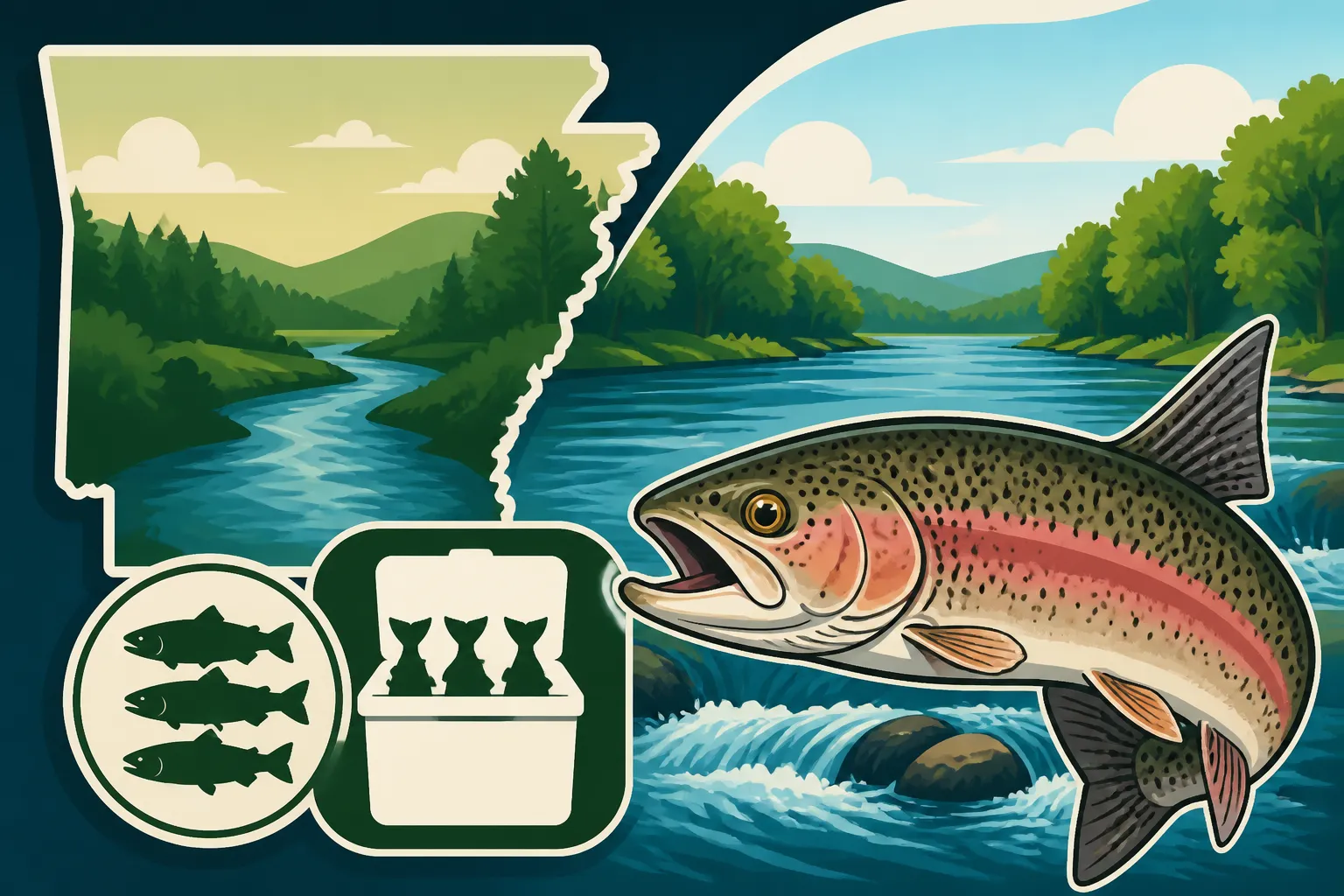
On the Norfork Tailwater, the daily creel limit for rainbow trout is two (2) fish. This is a significant reduction from the general statewide limit of five, highlighting the focused management on this specific body of water. However, there's a crucial size restriction that goes along with this limit: only one of those two rainbow trout can be 14 inches or longer. This means you can keep two rainbows, but if one is 14 inches or more, the other kept rainbow must be under 14 inches. All other rainbow trout caught that are 14 inches or longer, once you've retained your one legal fish in that size range, must be immediately released back into the river.
This "two-trout limit with one over 14 inches" rule is a form of selective harvest. It allows anglers to take home a couple of fish for consumption while protecting the larger, potentially breeding-size rainbow trout. By limiting the number of larger fish that can be kept, the AGFC aims to maintain a healthy population structure and ensure that the larger, more experienced trout remain in the fishery to provide future angling opportunities and contribute to natural reproduction. It encourages anglers to release the majority of larger fish they catch, fostering a more sustainable and exciting fishery.
Special Regulations for Brown, Cutthroat, and Brook Trout
While rainbow trout have a specific harvest limit, brown, cutthroat, and brook trout on the Norfork Tailwater are under much stricter protection, primarily managed as catch-and-release only. This means that if you catch one of these species, you must immediately release it back into the water, unharmed, regardless of its size. This is a vital regulation aimed at protecting these species, which often have slower growth rates, different reproductive habits, or simply exist in smaller, more fragile populations compared to the regularly stocked rainbow trout. Brown trout, in particular, are highly prized for their elusive nature and potential for trophy size, and catch-and-release ensures these magnificent fish can continue to grow and reproduce.
Furthermore, there's an additional stipulation when targeting these protected species, especially brown trout: only a single, barbless hook may be used. This rule is designed to minimize harm to the fish during catch and release. Barbless hooks greatly reduce the amount of damage caused to a fish's mouth and gills, making it easier and quicker to unhook them, thereby increasing their survival rate after release. If you're specifically targeting brown, cutthroat, or brook trout, or if you're fishing in areas where they are known to frequent, equipping your lures or flies with single, barbless hooks is not just a recommendation—it's a legal requirement. These measures collectively underscore the AGFC's commitment to maintaining a world-class, diverse trout fishery. For more specific details on brown trout rules, you can read our article on "Spring River Brown Trout Minimum Length in Arkansas" for comparisons with other local streams.
The "Trout Over 14 Inches" Rule Explained
The "one trout over 14 inches" rule on the Norfork Tailwater is often a point of confusion for anglers, so let's clarify it thoroughly. This rule only applies to rainbow trout and is directly tied to the daily creel limit. As mentioned, you can keep a total of two (2) rainbow trout per day. Out of those two, only one can measure 14 inches or longer. This means if you catch and decide to keep a 16-inch rainbow, your second kept rainbow must be less than 14 inches. If you catch another rainbow that's 14 inches or longer, you would have to release it, assuming you've already kept your one larger fish.
The intent behind this specific size restriction is to manage the population of larger rainbow trout. While many rainbows are stocked at smaller sizes, some grow quickly or are stocked at larger sizes. By allowing only one large fish to be harvested per angler per day, the regulation ensures that a good number of mature, larger rainbow trout remain in the river. These larger fish provide a more challenging and rewarding fight for anglers, and they also contribute significantly to the aesthetic and biological value of the fishery. It's a balance between providing harvest opportunities and promoting the presence of impressive, healthy fish in the ecosystem. Always carry a measuring device, readily available on platforms like Amazon, to ensure you can accurately determine your fish's length and comply with this specific regulation.
Gear, Techniques, and Best Practices for Norfork
Successfully navigating the Norfork Tailwater isn't just about understanding regulations; it's also about having the right tools and knowing how to use them effectively and responsibly. The unique characteristics of this fishery demand specific gear and thoughtful techniques, along with a strong commitment to ethical angling.
Recommended Gear for Norfork Tailwater
When you're gearing up for a trip to the Norfork Tailwater, think versatile and think quality. For fly fishing, a 4-weight or 5-weight fly rod, typically 8.5 to 9 feet long, is a fantastic all-around choice. This setup provides enough backbone to handle larger trout but is still sensitive enough for delicate presentations with smaller flies. Pair it with a matching fly reel, spooled with a floating fly line that has a good taper for casting. For spin fishermen, a lightweight spinning rod (6 to 7 feet long) with a fast action tip and a sensitive backbone, coupled with a small, smooth spinning reel, is ideal. Load your reel with 4 to 6-pound test monofilament or fluorocarbon line, as the clear waters of the Norfork often demand lighter line for wary trout.
Beyond rods and reels, a few other items are absolute must-haves. A good quality net with a rubberized mesh is critical for safely landing fish, especially if you're practicing catch-and-release, as it minimizes damage to their fins and slime coat. Don't forget forceps or hemostats for easy hook removal, and a measuring tape to ensure you're compliant with size limits. A variety of flies or lures will serve you well; popular choices include various nymph patterns (like Prince Nymphs, Pheasant Tails), midge patterns, small spinners (like Rooster Tails or Mepps), and tiny soft plastics (like Berkley PowerBait Trout Worms). For waders, especially if you plan to wade fish during low water, chest waders are essential, along with felt-soled or studded wading boots for grip on the often-slippery riverbed. You can find a vast array of these specialized items, from durable waders to specific fly patterns, with convenient shipping options on Amazon, making it easy to prepare for your trip.
Effective Fishing Techniques
Fishing the Norfork Tailwater demands a blend of techniques due to its varying water levels and diverse trout species. When the dam is generating and the water is high, float fishing from a drift boat or raft becomes the most effective method. Drifting with indicators and multiple nymph patterns, or slow-trolling small crankbaits or spoons, can be incredibly productive. Guides often use specific techniques like "Czech nymphing" or "Euro nymphing" which are designed to get flies down quickly in fast currents. When the water levels are lower, wade fishing shines, particularly for fly anglers. Nymphing under an indicator is a go-to, as trout often feed on submerged insects. Dry fly fishing can be exceptional during hatches, especially in the mornings and evenings when insects are active on the surface.
For spin anglers, casting small spinners, spoons, or jig-and-grub combinations into eddies, riffles, and deeper pools can yield excellent results. Pay close attention to current seams and submerged structure, as these are prime holding spots for trout. Regardless of your chosen method, presentation is key on the Norfork. The water is often crystal clear, and the fish can be exceptionally wary. Use light lines, make accurate casts, and try to mimic the natural movement of baitfish or insects. Learning to "read the water"—identifying likely holding spots, current breaks, and feeding lanes—will dramatically increase your success rate. Experiment with different depths and retrieve speeds until you find what the fish are responding to on any given day. More detailed techniques can be found in our guide, "Arkansas Tailwater Trout Fishing Guide".
Practicing Responsible Angling and Catch-and-Release
On a highly pressured and ecologically sensitive fishery like the Norfork Tailwater, responsible angling and proper catch-and-release techniques aren't just good manners—they are vital for the health of the resource. If you're planning to release fish, which is mandatory for brown, cutthroat, and brook trout, and often for larger rainbow trout, minimize the time the fish spends out of the water. Handle fish gently with wet hands, or better yet, keep them in the net while removing the hook. Avoid squeezing them, especially around the gills or belly.
When using artificial lures or flies, switching to single, barbless hooks is strongly encouraged, and as noted, often required for specific species. Barbless hooks make hook removal much easier and faster, reducing stress and injury to the fish. If a fish is deeply hooked, it’s often better to cut the line as close to the hook as possible rather than attempting to rip the hook out, which can cause fatal damage. Use a sturdy net with rubberized mesh instead of knotted nylon, as rubber is less abrasive and protects the fish's delicate slime coat and fins. Taking a quick photo is fine, but get the fish back into the water as quickly as possible, allowing it to recover before swimming off. These practices ensure that the trout you release have the best chance of survival, contributing to the Norfork's reputation as a sustainable and thriving fishery.
Common Misconceptions and FAQs
Even with the clearest regulations, certain aspects of trout fishing on the Norfork Tailwater tend to confuse anglers. Let's tackle some of these common questions and misconceptions to ensure you're fully informed and ready for a smooth, enjoyable trip.
Do You Need a Trout Permit for Catch and Release?
This is perhaps one of the most frequently asked questions, and the answer is a resounding yes. Many anglers mistakenly believe that if they are only practicing catch-and-release, they are exempt from needing a trout permit. This is incorrect. The Arkansas Game and Fish Commission's regulations clearly state that anyone over the age of 16 who is fishing for or possessing trout must have a valid Arkansas fishing license and a trout permit. It doesn't matter if you intend to keep a trophy or simply enjoy the fight and return every fish to the water; if you are targeting trout, you need that permit.
The reasoning behind this is straightforward: the act of fishing for trout still places pressure on the fishery, and the funds generated from trout permit sales are directly funneled into trout management and conservation efforts. Whether you're harvesting or releasing, you're interacting with a managed resource, and your permit helps sustain that resource. Trying to fish for trout without the appropriate permit, even with the best intentions of releasing them all, can still result in a citation and a fine, which is definitely a buzzkill for any fishing trip. So, always make sure to secure both your general fishing license and your trout permit before heading to the Norfork Tailwater. Remember, this applies even to children who are 16 years of age or older; for younger anglers, special rules apply which you can explore in "Do Kids Need a Fishing License in Arkansas?".
Understanding Selective Harvest Versus Strict Catch-and-Release Zones
The Norfork Tailwater employs a system that is primarily "selective harvest" for rainbow trout, meaning you can keep a limited number of fish within certain size parameters, alongside strict "catch-and-release" for other species. This contrasts with some other well-known trout waters or specific zones within rivers that might be designated as "trophy zones" or "catch-and-release only" for all species, often with specific gear restrictions like single-barbless artificial lures only. For instance, sections of the White River might have different rules for brown trout, as detailed in "Bull Shoals Tailwater Trout Rules in Arkansas".
On the Norfork, the AGFC balances recreational opportunities with conservation. For rainbow trout, the goal is to allow some harvest of smaller fish while protecting a segment of the larger fish to contribute to the population's overall health and provide bigger angling challenges. For brown, cutthroat, and brook trout, the policy is much stricter, recognizing their wilder nature and typically slower reproductive cycles, hence the catch-and-release requirement and the single-barbless hook rule. Understanding this distinction is key. You're not in a blanket catch-and-release area, but rather a nuanced fishery where rules vary by species. Always assume that if a species isn't specifically mentioned as having a harvest limit, it's catch-and-release only, and use appropriate gear to ensure their safe return.
How Water Levels Affect Fishing and Regulations
Water levels on the Norfork Tailwater are directly controlled by the Norfork Dam's generation schedule, and these fluctuations can dramatically impact both fishing conditions and the practical application of regulations. When the U.S. Army Corps of Engineers is generating power, the river rises significantly, currents become stronger, and wading can become extremely dangerous or even impossible. During high water, boat fishing becomes the primary method, and anglers need to be acutely aware of increased boat traffic and safety protocols. The fish also behave differently, often moving to slower currents or deeper pockets to conserve energy, making certain techniques more effective.
Conversely, during periods of low generation, the water levels drop, revealing extensive gravel bars and making large sections of the river accessible for wade fishing. While this opens up many opportunities for anglers on foot, it also means the water can become extremely clear and the fish exceptionally wary. Low water also concentrates fish, which can lead to higher catch rates, but also increased pressure on the fish, making responsible catch-and-release even more critical. While the written regulations for creel and size limits don't change with water levels, your fishing strategy and the safety considerations certainly do. Always check the Norfork Dam generation schedule before heading out, as it will inform your approach to both safety and fishing success.
Planning Your Trip to the Norfork Tailwater
A successful and stress-free fishing trip to the Norfork Tailwater starts long before you ever cast a line. Careful planning, from securing the correct licenses to understanding seasonal patterns and knowing the local amenities, will make all the difference in your experience.
Essential Licenses and Permits to Secure
Before you even pack your rods, the absolute first step for any angler heading to the Norfork Tailwater is to ensure you have all the necessary legal documentation. For residents and nonresidents alike (if you're 16 years or older), you'll need a valid Arkansas fishing license. For residents, this could be the Resident Annual Fishing License or the Resident 3-Day Fishing License if you're only making a short trip. For visitors, a Nonresident Annual Fishing License Cost in Arkansas is an option, but a Nonresident 3-Day Trip License might be more economical. Beyond the general fishing license, and this cannot be stressed enough, you must also purchase an Arkansas trout permit. This is a specific stamp that grants you the legal right to fish for and possess trout.
For seniors who are 65 and older and are Arkansas residents, there are special considerations. While some seniors are exempt from the general fishing license requirement, they still need to purchase a trout permit if they plan to fish for trout. However, there's a fantastic option for them: the Arkansas 65+ Lifetime Combo License, which bundles the fishing license and trout permit for a one-time fee. Failing to have both your fishing license and trout permit can lead to fines and a ruined trip, so take the time to acquire them. You can easily purchase them online through the AGFC website, at any licensed sporting goods store like Bass Pro Shops or Walmart, or through local bait shops in towns like Norfork or Calico Rock. Online purchasing is often the most convenient, allowing you to print or save a digital copy immediately. Learn more about acquiring these in "How to Buy an Arkansas Fishing License Online".
Best Times to Visit for Different Species
The Norfork Tailwater offers fantastic fishing opportunities year-round, but the "best" time to visit can vary depending on what species you're targeting and what kind of experience you're seeking. For rainbow trout, which are regularly stocked, you can find consistent action throughout the year. Spring and fall often provide pleasant weather and active fish, but even in the heat of summer, the cold tailwater keeps rainbows happy and feeding. Winter can also be excellent, especially on milder days, as fewer anglers are typically on the water.
If you're primarily after brown trout, often considered the prize of the Norfork, the fall and early winter are generally considered prime time. As water temperatures drop, brown trout become more aggressive, often feeding heavily in preparation for spawning. This is when you have the best chance of encountering a true trophy brown. Cutthroat and brook trout are less common, but they tend to be most active during cooler water periods, so spring and fall would also be good bets for those rarer catches. Pay close attention to dam generation schedules, as this will have a more immediate impact on daily fishing conditions than the season alone. Low water periods are often best for wade fishing and targeting actively feeding fish in exposed runs.
Nearby Amenities and Access Points
The Norfork Tailwater is conveniently located with several access points and nearby amenities that make planning your trip much easier. The primary access point is right below the Norfork Dam, where you’ll find a public boat launch, picnic areas, and often the presence of local fishing guides. The town of Norfork, Arkansas, is just a short drive away and offers bait shops, small grocery stores, and local accommodations. This is a great place to stock up on any last-minute supplies or grab a bite to eat. Further downstream, you'll find additional access points and private resorts that cater specifically to trout anglers, offering lodging, guide services, and boat rentals.
For those looking for a longer stay, nearby Mountain Home, a larger town, provides a wider range of services, including bigger grocery stores, more diverse dining options, and a greater selection of hotels and motels. Whether you're planning a quick day trip or an extended vacation, the area around the Norfork Tailwater is well-equipped to support your fishing adventure. Always consider checking with local bait shops or guide services upon arrival; they often have the most up-to-date information on fishing conditions, hot spots, and any immediate changes in regulations or water levels.
Norfork Tailwater Trout Limits Summary
Here's a quick summary of the key trout limits on the Norfork Tailwater:
| Species | Daily Creel Limit | Size Restriction | Hook Type for Release |
|---|---|---|---|
| Rainbow Trout | 2 fish | Only 1 can be 14 inches or longer | No specific rule |
| Brown Trout | Catch & Release | No Harvest Allowed (Must be released unharmed) | Single, barbless hook |
| Cutthroat Trout | Catch & Release | No Harvest Allowed (Must be released unharmed) | Single, barbless hook |
| Brook Trout | Catch & Release | No Harvest Allowed (Must be released unharmed) | Single, barbless hook |
| All Trout | Valid AR Fishing License & Trout Permit REQUIRED | (for ages 16+) |
Note: This table summarizes the primary regulations. Always consult the most current Arkansas Game and Fish Commission regulations guide for complete and up-to-date information before fishing.
Disclaimer
The information provided in this guide is for general informational purposes only and is based on publicly available regulations at the time of writing. Fishing regulations, including limits and permit requirements, are subject to change by the Arkansas Game and Fish Commission (AGFC). It is the sole responsibility of every angler to review and comply with the most current and official AGFC regulations before engaging in any fishing activity. Failure to do so may result in fines or penalties. Always prioritize safety and responsible angling practices.