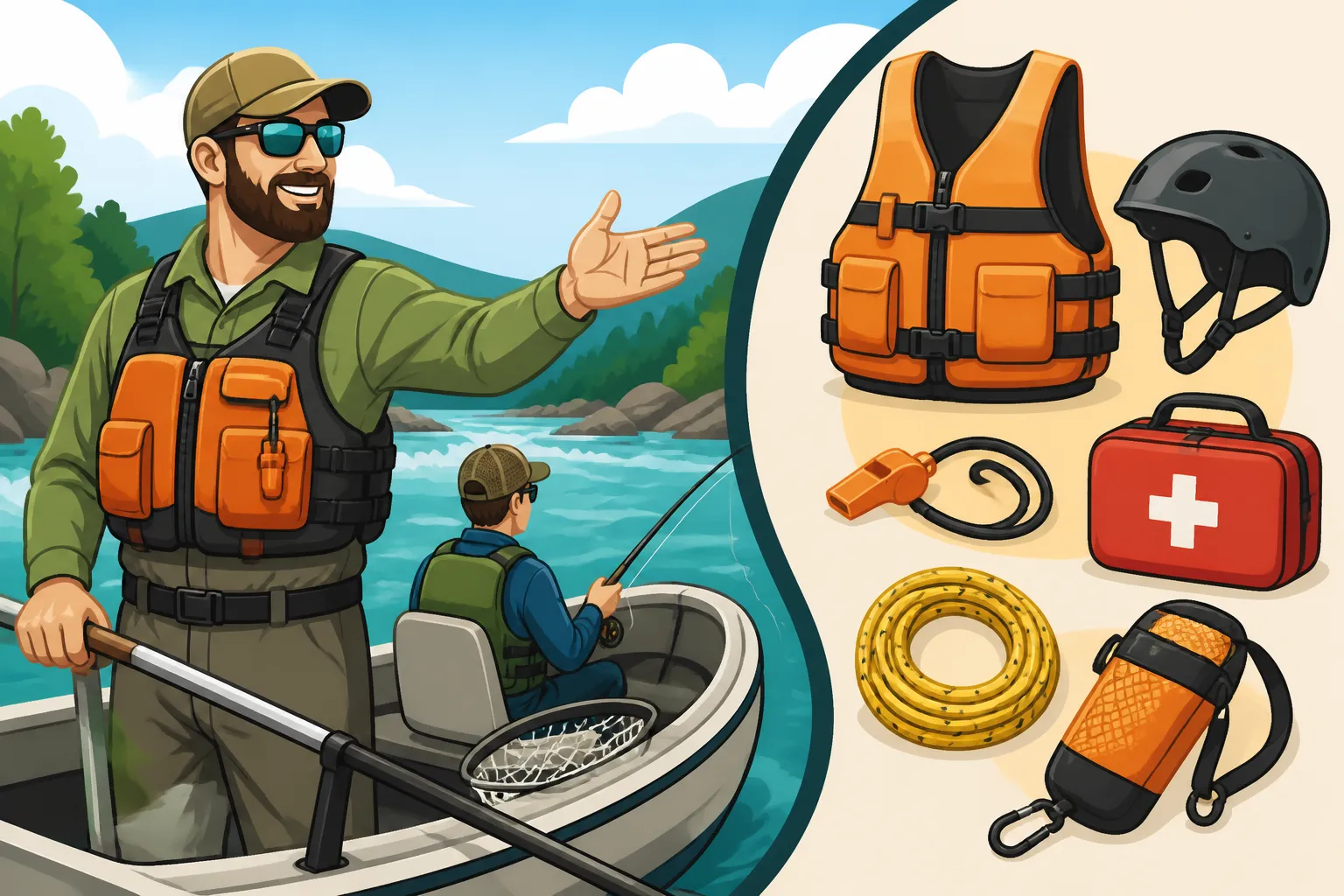
What Safety Equipment Comes With a White River Guide Trip
When you're planning a fishing trip on Arkansas's legendary White River, it's natural to have questions, especially if it's your first time out with a professional guide. Many folks wonder about the practicalities of safety, wanting to know what equipment is on board to keep everyone secure on the water. This guide aims to ease those concerns by detailing the typical safety equipment that comes standard with a White River guide trip, helping you feel prepared and confident for an enjoyable and safe adventure.
Mandatory Personal Flotation Devices PFDs
One of the first things any reputable White River guide will ensure is that everyone on board has access to and knows how to use a personal flotation device, or PFD. This isn't just a suggestion; it's a fundamental requirement, and for good reason. The White River, especially below the dams, can have swift currents and cold water, making a PFD your most critical piece of safety gear.
The Importance of a Well-Fitting PFD
Imagine being out on the river, perhaps a bit of current or an unexpected wake, and you find yourself in the water. A properly fitted PFD is absolutely essential here. It's designed to keep your head above water without you expending precious energy, allowing you to focus on getting back to the boat or to shore safely. Your guide will have a range of sizes, from those perfect for a child to adult sizes, ensuring everyone, regardless of age or build, has a PFD that fits snugly and won't ride up. They'll also instruct you on how to wear it correctly, cinching all the straps so it feels like a part of you, not just something you're wearing. A loose PFD is nearly as bad as no PFD at all in an emergency, as it can slip off or impede your movement. Don't be shy about asking your guide to help you get it adjusted just right.
For many, wearing a PFD throughout the trip might feel a little cumbersome, but your guide's primary concern is your safety. While the law often permits adults to have a PFD readily available rather than worn in certain situations, on a river like the White, particularly with its swift currents and often chilly water temperatures, many guides will strongly recommend, or even require, that you wear it at all times while the boat is in motion. This proactive approach drastically reduces risk. When considering what else to wear, remember that waterproof layers are always a good idea on the White River, even on warm days, due to the cold water release from the dams. You can find more tips on what to wear in our guide on What to Wear on a White River Guide Trip in Arkansas.
Different Types of PFDs You Might Encounter
Not all PFDs are created equal, though all are designed to save lives. On a guided trip on the White River, you'll most likely encounter Type III PFDs, also known as flotation aids. These are popular for fishing and general recreational boating because they are comfortable enough to wear for extended periods and offer a good range of motion. They're designed for calm, inland waters where rescue is likely to be swift. They'll keep you afloat and conscious, but you'll have to put in a little effort to keep your face out of the water.
Less common, but still important to know about, are other types. Type I (offshore vests) offer the most buoyancy and are designed to turn an unconscious person face up, ideal for rough or remote waters. Type II (near-shore vests) are a bit less bulky than Type I and also designed to turn some unconscious wearers face up. Type IV (throwable devices like cushions or rings) are meant to be thrown to someone in distress and aren't to be worn. Finally, Type V PFDs are special-use devices, often specific to certain activities like kayaking or work vests. For a standard fishing trip, your guide will have plenty of comfortable Type III vests that meet all regulatory requirements and ensure your safety. They will be maintained and inspected regularly, giving you peace of mind that the equipment is reliable.
Essential Boat Safety Gear and First Aid
Beyond personal flotation devices, a professional guide boat on the White River is outfitted with a suite of other safety equipment, ready for any unforeseen circumstances. This isn't just about adhering to regulations; it's about a guide's commitment to ensuring a smooth, secure experience for their clients. Think of it as a floating safety net, designed to handle everything from a minor scrape to a more serious emergency.
Navigation and Communication Equipment
Modern fishing guide boats on the White River are usually equipped with reliable navigation and communication tools. While the White River isn't an ocean, having a clear understanding of your position and the ability to call for help is crucial. This often includes a reliable cell phone, sometimes even a satellite messenger or a VHF radio for areas with spotty cell service. Your guide will know the river like the back of their hand, but technology provides an extra layer of security. They'll use these tools to check weather forecasts, communicate with other guides, or in the rare event of an emergency, contact rescue services.
Furthermore, the boat itself is a piece of safety equipment. Most White River guides operate stable, well-maintained craft, often custom-built or adapted for river conditions, providing a secure platform for fishing. You can expect things like navigation lights for low-light conditions, a sound-producing device (like a horn or whistle) to signal other vessels or for distress, and a fire extinguisher. These are standard features that any responsible boat owner, especially a professional guide, will keep in top working order. Understanding that your guide is prepared with these tools can really help you relax and enjoy the incredible trout fishing. For an even deeper look at the various types of trips, consider reading up on Float Trips vs Boat Trips with Arkansas Fishing Guides.
Comprehensive First Aid Kits and Emergency Preparedness
Accidents, big or small, can happen anywhere, even on a tranquil fishing trip. That's why every good White River guide carries a comprehensive first aid kit. These aren't just a few band-aids; they're stocked to handle cuts, scrapes, stings, sprains, and other common minor injuries. Depending on the guide and their personal training, their kit might also include items for more serious issues, like tourniquets or advanced wound care supplies. Many guides also hold certifications in CPR and basic first aid, sometimes even advanced wilderness first aid, demonstrating their commitment to client well-being.
Your guide's preparation goes beyond just the physical kit. They also have a plan for various emergency scenarios, whether it's a sudden change in weather, a medical incident, or a mechanical issue with the boat. They know the nearest access points, medical facilities, and how to swiftly communicate any situation that arises. This local knowledge and preparedness are invaluable. Before your trip, if you have any medical conditions or allergies, it's always a good idea to discreetly inform your guide so they can be even better prepared, without ever compromising your privacy.
Understanding Your Guide's Role in Safety
While the physical equipment is vital, a significant portion of your safety on a White River guide trip comes down to the expertise, experience, and attentiveness of your guide. They are not just fishing experts; they are trained professionals who understand the river's moods and the nuances of safe boating. Choosing the right guide is about choosing someone who prioritizes your safety just as much as they prioritize helping you catch fish.
Certifications and Experience that Matter
Most professional White River fishing guides hold various certifications that speak to their competency and commitment to safety. Beyond basic boating licenses and permits, many will have US Coast Guard licenses, especially if they carry multiple passengers for hire. This license requires extensive knowledge of navigation, safety regulations, and emergency procedures. Many guides also invest in additional training, such as CPR and First Aid certifications, and some even go as far as swiftwater rescue training, given the nature of river environments. These aren't just pieces of paper; they represent practical skills and knowledge that could be life-saving in an emergency.
Their experience on the river is equally, if not more, crucial. A seasoned guide has spent countless hours navigating the White River, learning its currents, shoals, and potential hazards in all water levels and weather conditions. They understand how dam generation schedules impact river flow and safety, and they can anticipate challenges before they become problems. This deep understanding of the environment is something no amount of gear can replace. When you book a guide, perhaps through a platform like FishingBooker, you're not just booking a boat; you're investing in this invaluable expertise. This local knowledge helps them find the best spots, like those below Bull Shoals Dam, but also ensures they navigate them safely. Read more about how to select your guide in How to Choose a Fishing Guide in Arkansas.
Navigating River Conditions Safely
The White River is a dynamic environment, constantly changing with water releases from the dams, weather patterns, and seasonal variations. Your guide's primary role in safety involves continuously assessing these conditions and making informed decisions to keep everyone out of harm's way. This means they might adjust the trip itinerary based on water levels, strong winds, or approaching storms. If the river is running high and fast, they might opt for calmer sections or adjust their approach to wading areas, ensuring safe entry and exit.
They're also keenly aware of the often-cold water temperatures, which can pose a significant risk of hypothermia, even on a warm day, should someone fall into the river. They'll advise you on appropriate clothing to mitigate this risk. Part of their navigation expertise includes knowing where to drift, where to power through, and where to avoid altogether. This proactive management of river conditions, combined with their safety equipment and training, ensures that your focus can remain on the joy of fishing and the beauty of the Arkansas outdoors. For first-timers, this level of preparedness is incredibly reassuring, as highlighted in What First-Timers Should Know Before a Guided Trip in Arkansas.
What You Should Consider Bringing for Your Own Safety
While your guide will provide all the essential safety equipment and expertise, there are still a few personal items you can bring to enhance your comfort and overall safety on a White River fishing trip. Think of these as personal touches that prepare you even further for a fantastic day on the water.
Personal Items for Sun and Weather Protection
The Arkansas sun can be intense, even on cloudy days, and the weather on the White River can change unexpectedly. Bringing your own sun protection is a simple but vital step. This includes a good quality, waterproof sunscreen with a high SPF, a wide-brimmed hat to protect your face and neck, and polarized sunglasses to reduce glare off the water and protect your eyes. Not only do sunglasses help with vision, but they also offer a layer of protection against errant hooks or flies.
Layered clothing is also highly recommended. Even if the forecast calls for warm weather, the water released from the dams is consistently cold, which can create a noticeable chill, especially when traveling in the boat or if a breeze picks up. A waterproof jacket, even a light one, is always a smart addition to your gear. It can protect against unexpected rain showers or simply block the wind chill. Checking the forecast before you leave is a good start, but being prepared for variations is even better. Our Packing List for a Full-Day White River Trout Trip offers more detailed suggestions.
Staying Hydrated and Energized
A day of fishing, especially out in the elements, can be surprisingly dehydrating and physically demanding. While many guides will provide some beverages or snacks, it's always a good idea to bring your own water bottle, filled with plenty of fresh water. Staying hydrated is crucial for maintaining energy levels and preventing fatigue or heat-related issues. You might also consider packing some personal snacks, like energy bars, fruit, or trail mix, especially if you have specific dietary needs or preferences.
It's easy to get lost in the excitement of fishing and forget to eat or drink, but a well-fed and hydrated angler is a safer and more effective angler. If you have any personal medications, ensure they are in a waterproof bag and easily accessible. A small, waterproof dry bag can be a great asset for keeping your phone, keys, wallet, and any medications safe and dry. Remember, while your guide is focused on getting you on the fish, your personal comfort and well-being are also your responsibility, and bringing these simple items can make a big difference. For shorter trips, you might find more specific advice in What to Pack for a Half-Day Trout Trip in Arkansas. Don't forget to secure your Arkansas Fishing License Requirements for Guided Trips before you even get on the water!
Here's a quick overview of key safety equipment:
| Category | Item | Purpose |
|---|---|---|
| Personal Safety | Personal Flotation Device (PFD) | Keeps angler afloat, especially in swift or cold water. |
| Appropriate Clothing | Protects against sun, wind, rain, and cold water. | |
| Sunscreen & Sunglasses | Prevents sunburn, reduces glare, protects eyes. | |
| Boat Safety & Navigation | USCG-Approved Boat | Stable and well-maintained vessel for river conditions. |
| Navigation Lights | Ensures visibility during low-light conditions. | |
| Sound-Producing Device (Horn/Whistle) | Signals other vessels or for distress. | |
| Fire Extinguisher | Addresses potential onboard fires. | |
| Oars/Paddles (Emergency) | Manual propulsion in case of engine failure. | |
| Communication & Emergency | Cell Phone/Satellite Messenger/VHF Radio | Primary communication for emergencies or coordination. |
| First Aid Kit | Treats minor injuries, cuts, and medical incidents. | |
| Throw Cushion/Ring | Auxiliary flotation device to assist someone in the water. | |
| Guide's Expertise | Local River Knowledge | Safe navigation of currents, shoals, and changing conditions. |
| CPR/First Aid Certifications | Trained response to medical emergencies. | |
| Weather Monitoring | Proactive adjustments for adverse weather. |
Disclaimer
This article is for general informational purposes only and does not constitute professional advice. Laws, prices and regulations vary by location and change over time. Consult a qualified professional for guidance on your specific situation.