Do You Need Your Own Gear for a Guided Trip?
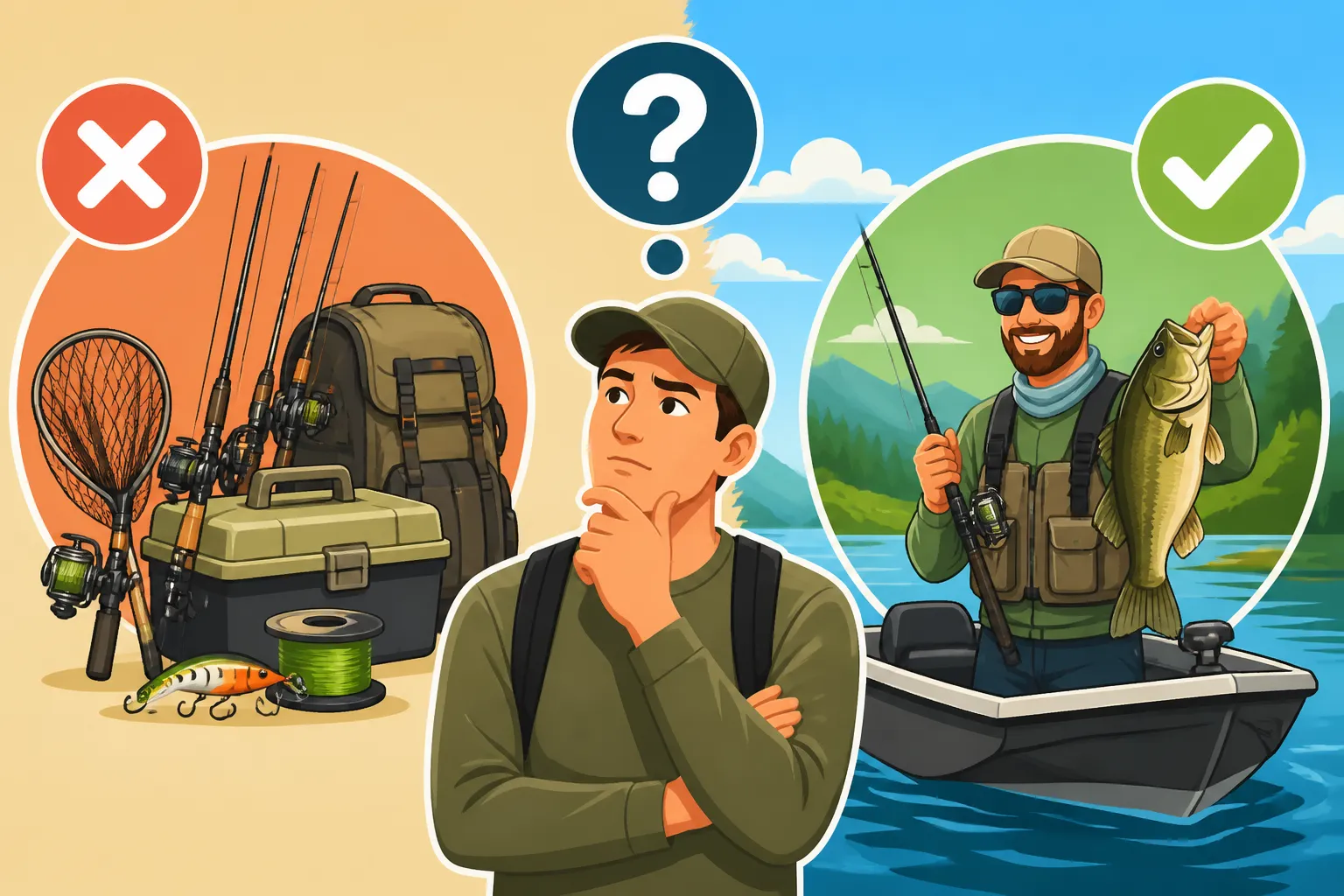
One of the most common questions I hear from folks considering a guided fishing trip in Arkansas, especially if it's their first time, is "Do I need to bring all my own gear?" It's a completely valid concern! You want to be prepared, but you also don't want to lug a bunch of unnecessary equipment halfway across the state, only to find the guide already has it covered. This guide is here to clear up that confusion, explaining exactly what you can expect your Arkansas fishing guide to provide and what personal items you'll definitely want to have with you for a comfortable and successful day on the water.
What Fishing Guides Typically Provide
The beauty of booking a guided fishing trip in Arkansas is that, for the most part, all the heavy lifting regarding fishing equipment is taken care of. Guides are professionals, and they come prepared with everything you need for the type of fishing you'll be doing. Their livelihood depends on putting you on fish, so they invest in the right tools for the job.
Rods, Reels, and Terminal Tackle
When you step onto a guide's boat or float rig, you'll almost always find the rods and reels ready and waiting. These aren't just any old rods; they're usually high-quality setups perfectly matched to the specific species and conditions you'll be encountering. For instance, if you're chasing trophy trout on the White River, your guide will have sensitive spinning rods or expertly rigged fly rods, spooled with the correct line weight and leaders. If it's a bass trip on Lake Ouachita, expect stout baitcasting or spinning gear capable of handling powerful strikes and heavy cover.
They'll also supply all the terminal tackle: hooks, weights, swivels, and specific rigs. This means you don't need to worry about having the right size split shot or tying on the perfect leader. Your guide lives and breathes this stuff, and they've got it dialed in. They know exactly what's working on a given day, often changing setups several times throughout a trip based on conditions and fish behavior. Think about it – keeping all that specialized gear clean, maintained, and ready to go for dozens of clients would be a nightmare if everyone brought their own unique setup. This way, the guide ensures consistency and quality.
Bait, Lures, and Flies
This is where a guide's local expertise truly shines, and it's another area where you can almost always leave your tackle box at home. Whether you're drift fishing for trout with live bait, casting crankbaits for bass, or stripping streamers for stripers, your guide will provide all the necessary offerings. They spend countless hours on the water, observing what the fish are biting on. That means they'll have the freshest live bait, the most effective colors of jigs, or the perfectly tied fly patterns that are currently producing.
Imagine you're targeting brown trout on the Little Red River. Your guide will have a selection of scuds, sowbugs, midges, and other patterns specific to the river's insect hatches. If you were bringing your own, you'd have to guess what might work, and an off-color jig or slightly wrong fly could mean the difference between a memorable catch and a frustrating day. Guides are constantly updating their arsenal based on recent success, water levels, and temperature. You're paying for their knowledge, and that knowledge extends directly to the lures and bait they choose for you. Many guides even tie their own flies or jigs, giving you an edge that money can't buy at a big box store.
Safety Equipment and Comfort Items
Beyond the actual fishing tools, a responsible Arkansas fishing guide will also ensure your safety and comfort throughout the trip. This typically includes:
- Life Jackets (PFDs): Absolutely essential and legally required on many waters, especially for younger anglers. Guides will have properly sized life jackets for everyone on board.
- First-Aid Kit: A well-stocked first-aid kit is standard for any professional guide, ready for minor cuts, scrapes, or other emergencies.
- Cooler with Drinks/Snacks: Most guides will have a cooler stocked with bottled water and often a few sodas. Some might even offer light snacks. It's always a good idea to confirm this beforehand or bring your own if you have specific preferences or dietary needs.
- Boat and Fuel: Obviously, if you're on a boat trip, the guide provides the vessel and all the necessary fuel. This also covers the maintenance, insurance, and licensing of the boat.
- Rain Gear (sometimes): While not every guide provides full rain gear, many will have some extra ponchos or jackets on hand for unexpected showers. It's still wise to bring your own reliable rain gear, as you'll be more comfortable in your own fit.
When you book through platforms like FishingBooker, you can often see a detailed list of what the captain provides in the trip description, which helps set expectations upfront. Don't hesitate to contact the guide directly through the platform or after booking to ask specific questions about what's included. This prevents any surprises and ensures you're ready for your adventure. For an idea of what goes into these trips, check out What an Arkansas Guided White River Trip Includes.
What Anglers Should Consider Bringing Optional Gear
While guides provide the essentials, there are definitely some items you'll want to bring along to enhance your personal comfort, protection, and overall enjoyment of your Arkansas fishing adventure. These are the things that make the day yours.
Personal Comfort and Protection
The Arkansas weather can be unpredictable, even on the most beautiful days. Being comfortable means you can focus on the fishing, not on being too hot, too cold, or getting sunburned.
- Sunscreen: Absolutely non-negotiable, especially on open water or during long days on rivers like the White. Even on cloudy days, UV rays can still be potent. Apply liberally and reapply often.
- Hat: A wide-brimmed hat is ideal for sun protection, keeping the sun off your face, neck, and ears. A baseball cap is fine, but less comprehensive.
- Polarized Sunglasses: These are not just for comfort; they're a fishing tool. Polarized lenses cut glare off the water, allowing you to see deeper into the water, spot fish, and even detect subtle bites. Plus, they protect your eyes from stray hooks!
- Appropriate Clothing Layers: This is crucial. Even if the forecast is sunny, mornings can be chilly, and afternoons can get warm. Dressing in layers allows you to adjust throughout the day. Think moisture-wicking base layers, a fleece or light jacket, and a waterproof/windproof outer shell. For those venturing out in cooler months, Winter Fishing Guide Trips on Arkansas's White River can give you more specific ideas on what to wear. Don't forget long pants, even in summer, to protect from sun and insects.
- Rain Gear: While some guides might have extras, your own reliable rain jacket and pants will fit best and ensure you stay dry if a pop-up shower hits. Nobody wants to be wet and miserable, especially when the fish are biting!
- Insect Repellent: Depending on the season and location (especially in wooded or marshy areas), mosquitoes and gnats can be a nuisance. A small bottle of repellent can be a lifesaver.
Specialized Personal Gear
This category is more about personal preference and experience. For most beginner or casual anglers, the guide's gear is perfectly sufficient. However, if you're an experienced angler with specific preferences, there might be a few things you consider.
- Your "Lucky" Rod or Reel: If you have a specific rod and reel combo that you're incredibly comfortable with, or perhaps a "lucky" one that's landed you big fish before, you can ask your guide if it's okay to bring it. However, be prepared for them to suggest using their gear instead, especially if your setup isn't suited to the day's conditions or target species. It's often better to trust their judgment.
- Favorite Lures or Flies: Again, the guide will have what's working. But if you have a specific lure or fly that you've had incredible success with in similar conditions, you can certainly show it to your guide. They might be open to you trying it, or they might even have a similar pattern themselves. Just be respectful if they advise against it – they know these waters intimately.
- Camera or Phone for Photos: While many guides are happy to snap photos with your phone, if you're serious about photography, bring your own dedicated camera, perhaps in a waterproof bag or case. You'll want to capture those memories!
Personal Items and Documentation
These are the non-fishing essentials that you need to manage yourself.
- Arkansas Fishing License and Trout Permit (if applicable): This is mandatory for almost all anglers, even on guided trips. Your guide cannot provide this for you, nor can they let you fish without it. Make sure you purchase the correct license for your residency status and add a trout permit if you'll be fishing designated trout waters. You can easily purchase these online from the Arkansas Game and Fish Commission website. Don't forget about Arkansas Fishing License Requirements for Guided Trips and Do Kids Need a Fishing License in Arkansas?.
- Any Personal Medications: If you need prescription medication, motion sickness remedies, or allergy medicine, bring it with you in a waterproof bag. Inform your guide of any serious medical conditions or allergies beforehand.
- Snacks and Beverages: As mentioned, guides usually provide water, but if you have specific snacks, sodas, or other drinks you prefer, bring them along. A good fishing trip can work up an appetite!
- Small Backpack or Dry Bag: To keep all your personal items organized and protected from spray or rain.
| Category | Typically Provided by Guide | Recommended for Angler to Bring |
|---|---|---|
| Fishing Gear | Rods, Reels, Line, Hooks, Weights, Swivels, Leaders | Your "lucky" rod/reel (ask guide first), favorite lures/flies (ask guide first) |
| Bait, Lures, Flies (species & condition specific) | ||
| Safety & Comfort | Life Jackets (PFDs), First-Aid Kit, Cooler with Water | Sunscreen, Hat, Polarized Sunglasses, Rain Gear |
| Boat & Fuel, Anchors, Navigation Equipment | Appropriate Layers of Clothing, Insect Repellent | |
| Personal Essentials | Arkansas Fishing License & Trout Permit, Personal Medications | |
| Snacks & Preferred Beverages, Camera/Phone, Small Dry Bag |
When Bringing Your Own Gear Makes Sense (and When It Doesn't)
Deciding whether to pack your own fishing gear is really about balancing convenience, expertise, and personal preference. For most people, especially those new to guided trips or specific types of fishing, relying on the guide's equipment is the smart choice.
Benefits of Using Guide-Provided Gear
There are compelling reasons why letting your guide handle the gear is usually the best approach:
- Convenience: This is a huge one. You don't have to worry about packing fragile rods, checking them at the airport, or forgetting something crucial. You just show up ready to fish.
- Expertise-Matched Equipment: Your guide knows exactly what gear is needed for the day's conditions, the specific species you're targeting, and the techniques that will be most effective. Their rods and reels are often higher quality and specifically set up for the job than what most casual anglers own. For example, if you're on a White River Fly Fishing Season Guide for Arkansas Anglers trip, your guide will have the right weight fly rod and specific fly lines for nymphing, dry fly fishing, or streamer fishing.
- Perfectly Maintained Gear: Professional guides meticulously maintain their equipment. Their reels are smooth, lines are fresh, and hooks are sharp. This attention to detail reduces equipment failures and ensures peak performance.
- Less Hassle, More Fishing: Instead of spending time rigging up your own equipment or troubleshooting issues, you can spend more time learning from your guide, enjoying the scenery, and, most importantly, fishing!
Scenarios for Bringing Your Own
While generally advisable to use the guide's gear, there are a few situations where bringing your own might make sense:
- Highly Experienced Anglers with Specific Preferences: If you're an avid angler with years of experience in a particular technique (e.g., a seasoned fly fisher with a favorite custom rod) and you feel a distinct advantage with your own setup, discuss it with your guide before the trip. They might accommodate you, especially if your gear matches their recommendations.
- Comfort with Personal Equipment: Sometimes, simply being familiar and comfortable with your own rod and reel can improve your casting accuracy or feel for subtle bites. If this is a strong factor for you, it's worth a conversation with the guide.
- Unique or Specialty Gear: If you're bringing a very specific piece of equipment (like a specialized camera for underwater shots, or a particular type of personal sonar if allowed), that's fine, but it's not part of the standard fishing gear.
- Sentimental Value: Maybe you're on a bucket-list trip, and you want to catch that trophy fish on a rod passed down from a family member. Again, ask the guide first. They might have suggestions for how to best integrate it without compromising the trip's success.
Communicating with Your Guide
This is the most crucial takeaway: Always communicate with your guide beforehand. When you book your trip, or shortly after, reach out and ask about their gear policy.
A simple message like: "I'm really looking forward to our trip! I was wondering, do you typically provide all the rods, reels, and tackle, or should I plan to bring any of my own? I just want to make sure I'm fully prepared."
This shows courtesy, confirms expectations, and allows the guide to give you the most accurate advice based on their specific operation and the target species. Reputable services like FishingBooker often facilitate this direct communication, ensuring you can clarify all details before your trip. For more tips on interacting with your guide, check out First-Time Guided Fishing Trip Tips for Arkansas.
The Financial Aspect: Is Bringing Your Own Gear Cheaper?
At first glance, it might seem like bringing your own gear would save you money. After all, you already own it, right? But when you consider the full picture, the "cost" of guide-provided equipment is often baked into the trip price and offers significant hidden value.
The "Hidden" Value of Guide-Provided Equipment
When you pay for a guided trip, you're not just paying for a guide's time; you're paying for their expertise, their boat, their fuel, and crucially, their equipment. Think about what goes into maintaining a fleet of quality fishing rods and reels:
- Initial Investment: Good quality rods, reels, line, and a comprehensive tackle selection cost hundreds, if not thousands, of dollars to acquire.
- Maintenance and Repair: Lines need to be replaced regularly, reels need cleaning and oiling, and rods can break. This requires time, parts, and expertise.
- Specialization: Guides often have multiple setups for different techniques or species. You might need a heavier rod for bass and a lighter one for crappie on the same lake, or a spinning rod for beginners and a fly rod for experienced anglers on a trout stream. This variety is expensive to own yourself.
- Suitability: A guide's gear is optimized for the local conditions and target fish. Your general-purpose rod might not be as effective as their specialized setup.
When you factor in these "hidden" costs of ownership and maintenance, the value of having a guide provide top-notch, perfectly maintained, and specialized equipment becomes clear. It's part of the comprehensive service you're paying for, allowing you to have the best possible chance of success without any personal investment in gear you might only use once or twice a year.
The Cost of Renting vs. Owning
In Arkansas, it's pretty rare to find places that rent out full fishing setups specifically for guided trips, because the guides generally provide it. If you didn't book a guide, and just wanted to fish a local pond or lake, you might find some general fishing gear rentals at state parks or local bait shops. However, this rented gear is usually basic and not suited for serious angling or the specific conditions a guide would tackle.
So, while you might save a few dollars by not having to buy new gear if you were planning a solo trip, for a guided trip, the cost is already integrated. Trying to "save money" by bringing subpar personal equipment could actually hinder your experience, making it harder to cast, detect bites, or properly fight a fish. In essence, the best "deal" is to leverage the excellent equipment your guide has already invested in and meticulously prepared for your trip. Your focus should be on soaking up their knowledge, enjoying the incredible Arkansas scenery, and reeling in some fantastic fish.
Disclaimer
This article is for general informational purposes only and does not constitute professional advice. Laws, prices and regulations vary by location and change over time. Consult a qualified professional for guidance on your specific situation.