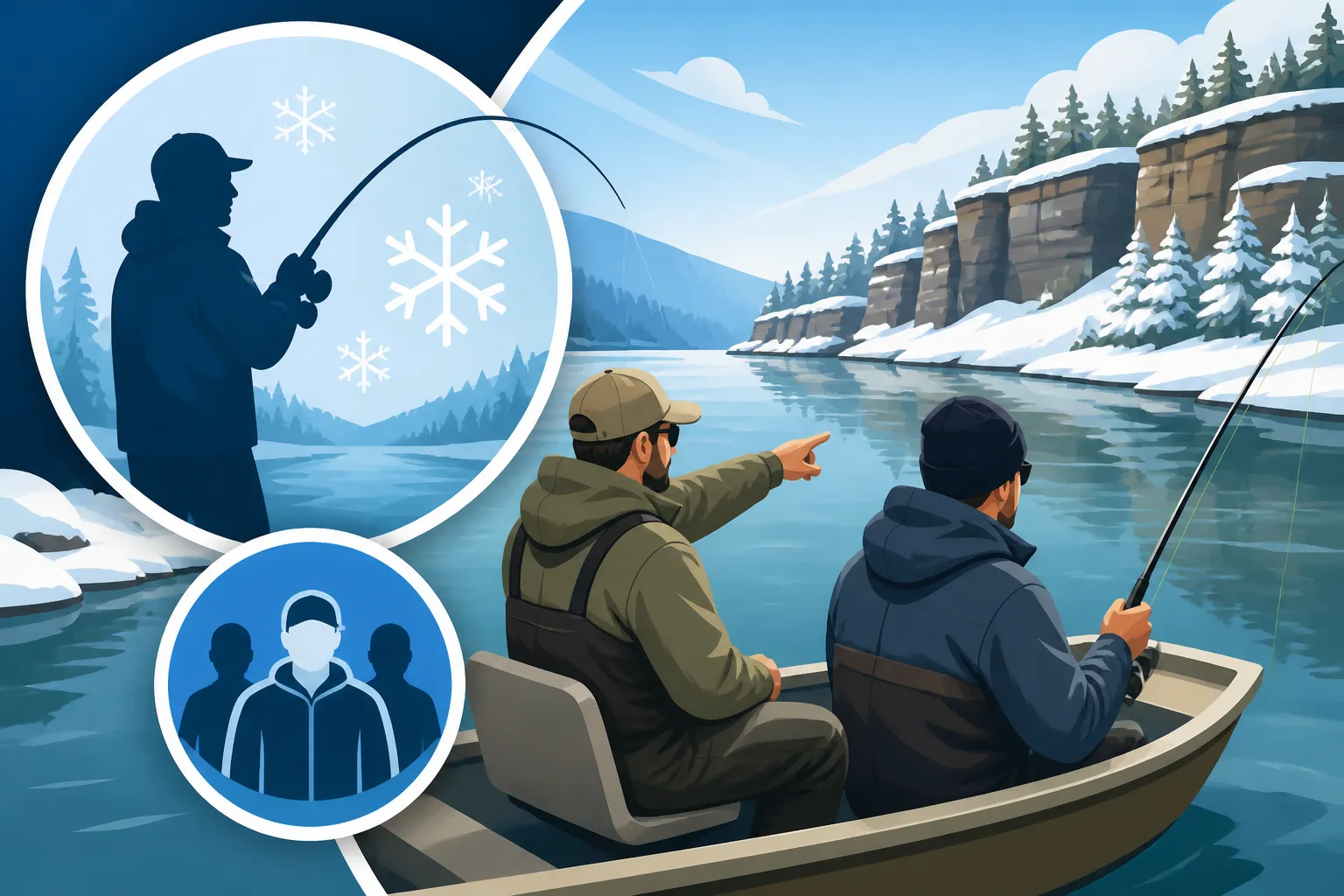
Are Fishing Guides Available in Winter on the White River?
For many anglers, the thought of fishing in Arkansas immediately conjures images of warm spring days or the vibrant colors of fall. But what about winter? A common question I hear is whether fishing guides are even available on the White River when the temperatures drop, and the simple answer is a resounding "yes!" Winter on the White River offers some truly spectacular, albeit chilly, fishing opportunities, and many dedicated guides are ready to take you out.
The Unique Appeal of Winter Fishing on the White River
When the rest of the world seems to be hunkering down, the White River in Arkansas truly comes alive for trout anglers. It's a different experience than the bustling summer months, offering a unique blend of challenge and tranquility that many seasoned fishers adore.
The Trout Factor: Cold Water and Active Fish
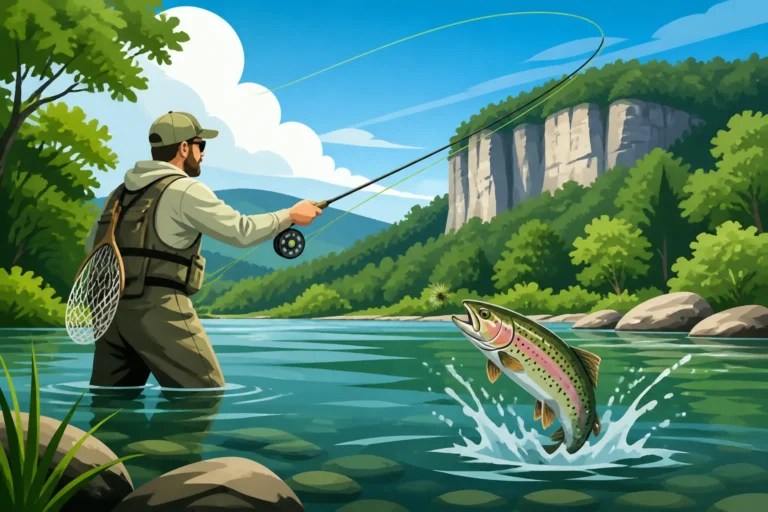
Unlike many other species that become sluggish in cold water, trout, particularly brown trout and rainbow trout, thrive in it. The White River, being a tailwater fishery below Bull Shoals Dam, maintains consistently cold water temperatures year-round, which is perfect for these cold-water species. In winter, this means the fish are often more active and less pressured by warmer water conditions that can make them lethargic elsewhere. Many experienced anglers find that winter is prime time for catching larger, more aggressive trout, especially the elusive brown trout. Their metabolism is still high enough to feed regularly, and with fewer natural insect hatches, they can be more inclined to hit artificial lures or bait presented by a skilled guide. If you're chasing a trophy, winter can really stack the odds in your favor.
Fewer Crowds, More Solitude
Let's be honest, nobody enjoys elbow-to-elbow fishing. One of the biggest advantages of hitting the White River in winter is the dramatic decrease in angling pressure. During peak seasons like spring and fall, the river can feel quite busy, with multiple boats and wade fishermen vying for prime spots. In winter, however, you'll often find yourself with entire stretches of river virtually to yourself. This solitude isn't just about peace and quiet; it also means the fish are less wary. They haven't seen a parade of boats and countless lines in recent weeks, making them potentially easier to tempt. This tranquil atmosphere allows for a deeper connection with nature and a much more relaxed fishing experience, a truly underrated benefit for those looking to escape the hustle and bustle.
The Challenges of Winter Conditions
While winter fishing offers incredible rewards, it's not without its challenges. The cold weather itself is the most obvious hurdle. Temperatures can dip well below freezing, and while the fishing might be hot, your fingers might not feel the same way! I've seen more than one unprepared angler cut a trip short because they simply couldn't stand the cold anymore. Beyond the chill, you might encounter ice along the banks or even floating ice chunks on the river, depending on how severe the cold snap has been. Wind can also be a major factor, making casting difficult and exacerbating the cold. Guides are invaluable here, as they know how to navigate these conditions safely and effectively, often finding sheltered spots or adjusting techniques to match the challenging environment. They’ve got the experience to make the most of a tough day.
Finding a Fishing Guide in the Colder Months
So, you're convinced winter fishing on the White River is for you. Great! Now, how do you go about finding a guide who is not only available but also experienced in handling the colder conditions? It requires a bit of research and knowing what questions to ask.
Seasonal Availability: Not All Guides Work Year-Round
It's true that not every guide operates year-round. Some guides might opt to take a break during the coldest months, while others might shift their focus to different fisheries or other types of outdoor activities. However, many dedicated White River trout guides consider winter to be a prime season and are available and eager to share their expertise. These are often the guides who truly understand the nuances of the river and the trout behavior during colder periods. They know where the fish congregate when water temperatures drop, what baits or flies they prefer, and how to keep their clients comfortable in challenging weather. When browsing for guides, particularly on platforms like FishingBooker, you'll often see their seasonal availability listed, allowing you to filter for those who specifically offer winter trips.
How to Research and Book Winter Guides
The best way to find a winter guide is to start early. Even though winter is considered "off-peak" for some, the best guides can still book up quickly, especially for prime weekend dates. I always recommend checking out online platforms that specialize in connecting anglers with guides. Websites like FishingBooker are fantastic resources because they allow you to search specifically for White River Fishing Guides: Arkansas's Trout Fishing Capital and filter by dates, ensuring you can see who is operating during the winter months. You'll often find detailed profiles, reviews from past clients, and information about what each guide specializes in. Don't shy away from calling guides directly as well; sometimes, a personal conversation can provide invaluable insight into their experience and passion for winter fishing. They often have specific information about Winter Fishing Guide Trips on Arkansas's White River.
Asking the Right Questions
When you're reaching out to potential guides for a winter trip, it's crucial to ask specific questions beyond just availability and price. Inquire about their experience with winter conditions: "How many years have you guided in the winter?" "What kind of boat do you use, and how is it set up for cold weather?" "What are your preferred methods or techniques for winter trout?" It's also wise to discuss their foul-weather policy and what happens if conditions become unsafe or too unpleasant. A good guide will have clear policies regarding rescheduling or refunds. You might also ask about what specific gear they provide or recommend you bring. Many guides will have heaters on their boats or offer warm beverages, which can make a huge difference in comfort. It's all about ensuring your expectations align with what the guide can provide for a successful and enjoyable trip, even if it's chilly.
What to Expect on a Winter Guided Trip
A winter fishing trip on the White River is a unique adventure. It’s not just about enduring the cold; it’s about embracing a different kind of fishing, often with surprising results. The pace, the techniques, and even the camaraderie can feel different than during warmer months.
Target Species and Techniques
While the White River holds a variety of fish, winter guided trips are almost exclusively focused on trout. Both rainbow trout and brown trout are active, and many anglers specifically target brown trout during this time, as they can be particularly aggressive. Guides will employ a range of techniques, often shifting throughout the day based on fish behavior and water conditions. You might be drift fishing with egg patterns or small jigs, targeting the deep holes where trout congregate. Best Time to Fish the White River in Arkansas for Trout will show you that winter can be quite productive for these methods. Fly fishing for trout is also very popular, with guides often utilizing nymph rigs or streamers to imitate larger prey items. Because the fish are less likely to rise for dry flies in cold weather, subsurface presentations are key. Your guide will have a vast array of specialized winter flies and lures that they know produce results, saving you the headache of trying to figure it out yourself.
Gear and Boat Considerations
Expect your guide to be well-prepared for the cold. Many White River guides run specialized drift boats or jet boats that are designed for comfort and safety in varying conditions. For winter trips, they often come equipped with heaters, windshields, and even heated seats. They'll likely have hot coffee, tea, or cocoa on hand to help you stay warm. As for gear, your guide will typically provide all the necessary rods, reels, and tackle, often specifically chosen for winter trout fishing. This includes appropriate line weights, leaders, and an array of jigs, spoons, or flies. While you're welcome to bring your own favorite rod, relying on the guide's gear ensures you have the right tools for the job, adapted to the specific conditions of the day. Discussing What to Bring on a Guided Arkansas Fishing Trip with your guide beforehand is always a good idea.
The Pace of a Winter Trip
Winter fishing on the White River tends to have a slightly different pace than summer trips. While there can certainly be periods of fast action, it often involves more patient, methodical fishing. Trout might be concentrated in specific areas, and the guide will spend time working those spots thoroughly. You might experience stretches of quiet as you drift, punctuated by intense bursts of activity when you hit a productive run. It's less about covering vast amounts of water quickly and more about carefully presenting baits or flies in known holding areas. This slower pace can be incredibly rewarding, allowing you to truly focus on your technique and appreciate the serene winter landscape. It's a fantastic opportunity to hone your skills and learn the subtle art of winter trout fishing from an expert.
Preparing for Your Winter White River Adventure
A successful winter fishing trip isn't just about what happens on the water; it starts long before you even leave home. Proper preparation is key to staying comfortable, safe, and ultimately, having a memorable experience.
Essential Cold Weather Gear
This is perhaps the most critical aspect of winter fishing preparation. You absolutely cannot skimp on warm clothing. Think layers, layers, layers! Start with a good base layer of merino wool or synthetic material to wick away moisture. Add a mid-layer for insulation, like a fleece jacket or down vest. Your outer layer should be waterproof and windproof – a good quality fishing jacket and bibs or pants are essential. Don't forget your extremities: a warm hat that covers your ears, insulated gloves or mittens (perhaps with fingerless options for dexterity), and thick wool socks are non-negotiable. Waterproof boots are also a must. I always recommend bringing an extra set of clothes, just in case you get wet. Trust me, being cold and wet is a quick way to ruin any fishing trip, no matter how good the bite is. You can find excellent advice on What to Wear on a White River Guide Trip in Arkansas to help you put together your ideal outfit.
| Item Type | Essential Winter Layering | Why It's Important |
|---|---|---|
| Base Layer | Moisture-wicking (Merino wool or synthetic) shirt and pants | Keeps you dry by pulling sweat away from your skin, preventing chill |
| Mid Layer | Fleece jacket, insulated vest, or lightweight down jacket | Provides crucial insulation to trap body heat |
| Outer Layer | Waterproof and windproof jacket and bibs/pants | Protects against rain, snow, and biting wind, sheds external moisture |
| Headwear | Warm beanie or insulated hat (covers ears) | Significant heat loss occurs through the head; essential for overall warmth |
| Handwear | Insulated, waterproof gloves or mittens (plus thin liners) | Keeps hands warm and functional; fingerless options for knot tying |
| Footwear | Waterproof, insulated boots and thick wool socks | Prevents cold, wet feet; good traction for slippery surfaces |
| Accessories | Neck gaiter, sunglasses, hand warmers | Adds extra warmth, protects eyes from glare, provides instant heat for hands |
Understanding Water Levels and Weather
While your guide will be the expert on local conditions, having a general understanding of the White River's dynamics can enhance your trip. Water levels on the White River are dictated by the power generation schedule at Bull Shoals Dam, which can fluctuate daily. High water levels can mean faster currents and different fish holding patterns, while lower levels can make certain areas more accessible. Your guide will be monitoring these conditions closely. Similarly, keep an eye on the weather forecast in the days leading up to your trip. Be prepared for anything from frosty mornings to possible snow flurries. A truly good guide, especially those you find on reputable sites like FishingBooker, will communicate any significant changes or concerns to you well in advance. Remember, even on colder days, the sun can create a strong glare off the water, so don't forget your sunglasses!
Booking Logistics and Flexibility
When booking your White River 8-Hour Guided Trout Trip Cost in Arkansas or any length of trip, confirm all the details well in advance. This includes meeting times, locations, and any specific requests you might have. It's wise to review the guide's cancellation policy, especially for winter trips where weather can be more unpredictable. Many guides have flexible policies for extreme weather, offering to reschedule if conditions are unsafe. Also, make sure you understand Arkansas Fishing License Requirements for Guided Trips. Even with a guide, you'll still need a valid Arkansas fishing license and, if you plan to keep trout, an Arkansas trout permit. These can often be purchased online or at local sporting goods stores before your trip. Being prepared with your license and understanding the booking logistics ensures a smooth start to your winter fishing adventure.
Disclaimer
This article is for general informational purposes only and does not constitute professional advice. Laws, prices and regulations vary by location and change over time. Consult a qualified professional for guidance on your specific situation.