Choosing Between a Float Trip and a Boat Trip on the White River
For many folks dreaming of a fishing trip on Arkansas's iconic White River, the sheer excitement can quickly turn into a slight headache when trying to figure out the best way to experience it. You've heard whispers of "float trips" and "boat trips," and it's easy to get them mixed up or wonder which one is truly right for your style of fishing. This guide is here to untangle that confusion, breaking down the distinct characteristics of each, so you can confidently choose the perfect White River adventure for your next cast.
Understanding the White River Fishing Experience
The White River in Arkansas is a truly special place, renowned globally for its incredible trout fishing opportunities. But what makes it so unique, and how does its ever-changing nature impact how we fish it? Before diving into the specifics of float versus boat, let's set the stage for this magnificent fishery.
The Unique Appeal of the White River for Anglers
If you've never fished the White River, prepare to be amazed. It's not just a river; it's an ecosystem sculpted by the releases from massive dams like Bull Shoals and Norfork. The water here is cold, clear, and teeming with various trout species, most notably rainbow trout and truly massive brown trout. It's a place where fly anglers dream of casting to rising fish, and spin fishermen find consistent action. The scenery alone, often featuring towering bluffs, dense forests, and pristine gravel bars, is worth the trip.
However, its appeal also lies in its challenge and diversity. One moment you might be drifting through a slow, deep pool, and the next you're navigating swift currents around submerged structure. Anglers come from all over for a chance at a trophy brown, and the river rarely disappoints, though it always keeps you on your toes. Understanding the subtle nuances of this river is key to unlocking its secrets, and much of that comes down to how you choose to cover the water. If you're keen to explore its incredible trout population, our guide on White River Fishing Guides: Arkansas's Trout Fishing Capital can offer some excellent starting points.
How Water Levels Influence Fishing Methods
One of the biggest factors that dictates the White River fishing experience is the water level, which is primarily controlled by the Army Corps of Engineers through dam generation schedules. When the dam is generating power, water levels rise, and the river flows significantly faster and deeper. This can open up certain stretches that are impassable during low water but can also make wading impossible and necessitate different fishing techniques.
Conversely, during periods of low generation or no generation, the river can drop to very shallow levels, exposing vast gravel bars and creating more wade-fishing opportunities. These changes aren't just about access; they dramatically affect fish behavior, current speeds, and what techniques are most effective. A guide who intimately knows the generation schedule and how fish react to these fluctuations is invaluable. They'll know when to hug the banks, when to fish the middle, and whether to recommend a float or a powered trip based on the day's conditions.
The Classic Float Trip: Serenity and Stealth
For many, the quintessential White River trout fishing experience involves a float trip. It conjures images of serene drifts, silent casts, and an intimate connection with the river. But what exactly defines this kind of trip, and when is it truly the best option?
What Defines a White River Float Trip
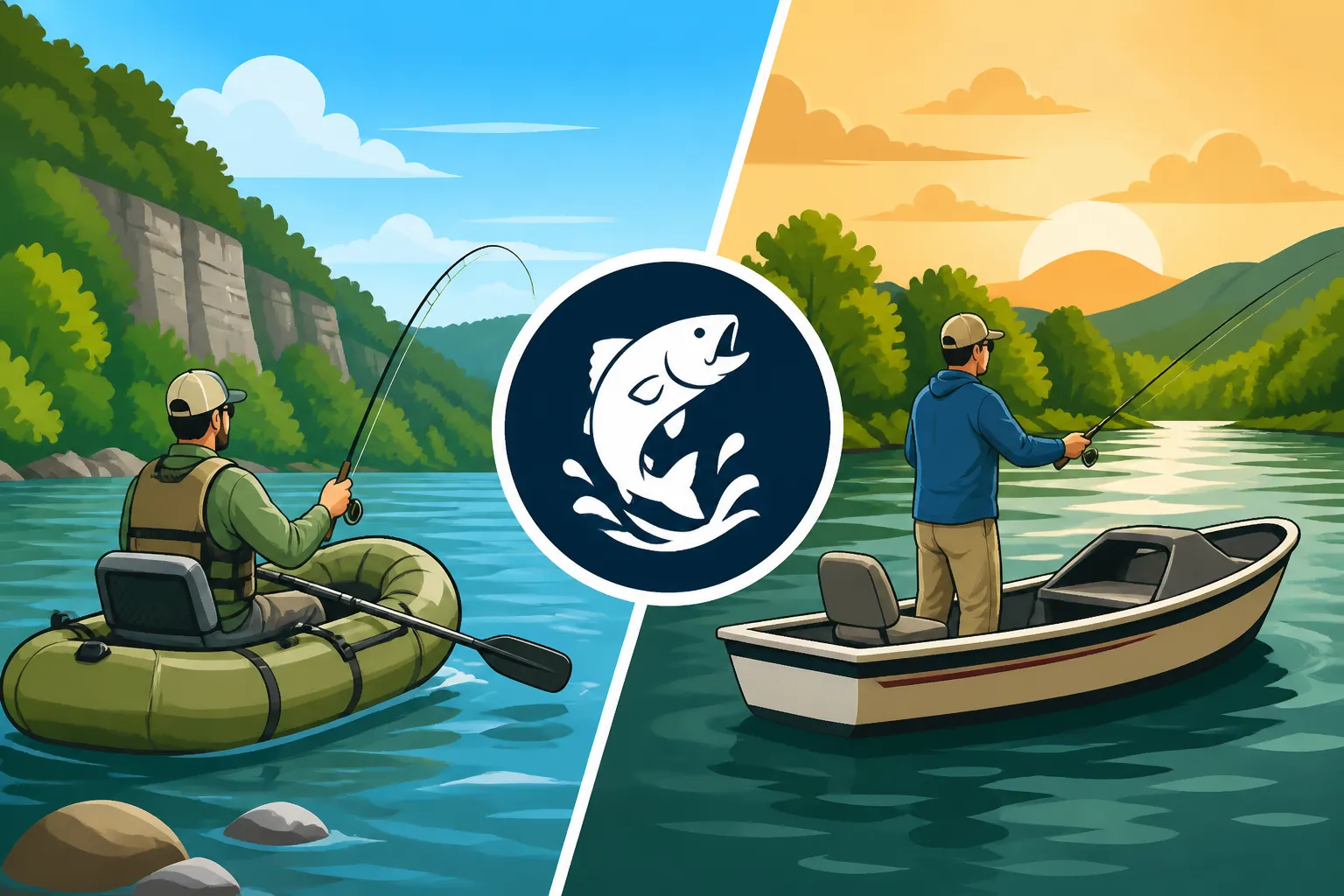
A float trip on the White River typically involves a drift boat or a similar specialized craft that is designed to be rowed or guided downstream with the current. The key here is that the main motor, if there even is one, is not used for propulsion while you are actively fishing. Instead, the guide uses oars or paddles to steer the boat, control its speed, and position you perfectly for casts. This creates an incredibly quiet and unobtrusive approach to fishing, allowing anglers to get closer to wary trout without the disturbance of a sputtering outboard.
These boats are often long, narrow, and stable, designed to glide over shallow riffles and maneuver through tight runs. The emphasis is on stealth, presentation, and letting the river's flow carry you through prime fishing grounds. It's less about covering vast distances quickly and more about methodically working specific stretches of water, often with repeated drifts over promising lies.
Ideal Conditions and Target Species for Floating
Float trips truly shine in certain conditions, particularly when the water levels are moderate to low. This allows the guide to precisely position the boat in relation to subtle current breaks, rock structures, and submerged timber where trout often hold. These conditions are absolutely prime for fly fishing, whether you're nymphing indicator rigs through seams, stripping streamers along cut banks, or, perhaps most excitingly, casting dry flies to actively rising fish during a hatch. The quiet approach of a drift boat is unparalleled for delicate presentations to pressured fish.
While you can certainly spin fish from a drift boat, the deliberate pace and silent approach lend themselves beautifully to fly fishing. Anglers targeting larger, more elusive brown trout often prefer float trips because the stealth allows for a more focused and less disruptive pursuit. Rainbow trout are also abundant and eager to bite, making float trips an excellent way to experience the diversity of the White River's trout population. If you're interested in the specifics of fly fishing in this area, check out our guide on Fly Fishing the White River in Northwest Arkansas.
Pros and Cons of Opting for a Float Trip
Deciding on a float trip comes with its own set of unique advantages and a few considerations that might sway your decision.
Pros of a Float Trip:
- Serenity and Intimacy: There's an undeniable peace that comes with drifting silently down the river. You hear the water, the birds, and the occasional splash of a fish, rather than the drone of an engine. It feels more connected to nature.
- Fly-Fishing Friendly: This is the preferred method for many dedicated fly anglers. The boat's design and the guide's oar control allow for ideal casting angles and drift management, making perfect presentations much easier.
- Stealthy Approach: Without a motor running, you're much less likely to spook wary trout, allowing for closer approaches and often more takes. This is especially crucial for larger, more experienced fish.
- Focused Fishing: You'll spend more time actively fishing and less time traveling between spots, maximizing your casting opportunities within a specific stretch of river.
- Optimal for Delicate Techniques: Whether it's dry fly fishing, delicate nymphing, or accurate streamer casts, the stable, controlled drift provides the perfect platform.
Cons of a Float Trip:
- Limited Range: You're largely at the mercy of the current. Once you've drifted past a spot, it's difficult to go back upstream to re-fish it, unless your guide is willing to row against the current for a short distance, which is exhausting.
- Physically Demanding for Guide: Rowing a drift boat for a full day is hard work! Your guide earns their keep controlling the boat, especially in windy conditions or strong currents.
- Weather Dependent: Strong winds can make boat control very challenging and less enjoyable. Heavy rain can also make for a less comfortable experience if you're exposed in an open drift boat.
- Not Ideal for Covering Vast Water: If you want to sample many different stretches of the river or rapidly move to where the fish are most active, a float trip might feel a bit slow.
- Can Be Less Stable for Beginners: While generally stable, standing and casting for long periods in a drift boat might be a bit of a balancing act for those new to boat fishing.
The Powered Boat Trip: Range and Versatility
On the other side of the coin, we have the powered boat trip, which offers a completely different, yet equally effective, approach to fishing the White River. This method is all about covering water, adapting to conditions, and maximizing your options.
Exploring the Capabilities of a Motorized Boat Trip
A motorized boat trip on the White River typically involves a jon boat or a V-hull boat equipped with an outboard motor. Unlike a float trip, the motor is actively used to travel up and down the river, allowing anglers to quickly reach distant fishing spots, move between different types of water, and even re-fish productive areas by motoring back upstream. While a boat may drift at times, the motor is the primary tool for mobility.
These boats are often wider and more stable, providing a comfortable platform for multiple anglers and different fishing styles. The emphasis here is on versatility and efficiency in covering diverse sections of the river. Guides using motorized boats are adept at navigating both deep channels and shallower runs, using their engines to adjust to the river's dynamic flow.
When a Powered Boat Shines on the White River
Motorized boat trips truly come into their own when the water levels are higher, and the current is stronger. In these conditions, rowing a drift boat can become incredibly challenging, and a motor allows for much safer and more efficient navigation. A powered boat can easily cover long stretches of water, allowing the guide to check multiple spots or quickly move to where recent reports indicate better fishing. This is particularly beneficial if you're on a limited schedule and want to maximize your time with a line in the water.
This method is excellent for spin fishing, bait fishing, or trolling, as the boat provides a stable platform for a variety of techniques. If you're planning a trip to a specific area like below Bull Shoals Dam, a powered boat can get you there efficiently. For details on regulations in that area, see Trout Fishing Below Bull Shoals Dam on the White River or Bull Shoals Tailwater Trout Rules in Arkansas. These boats also shine for anglers who prefer to sit while they fish or those who have mobility concerns, as they generally offer more space and stability. They can also be fantastic for targeting aggressive trout that might be holding in swifter currents or larger pools, allowing you to quickly reposition after a hook-up or a missed strike.
Advantages and Disadvantages of a Motorized Boat Trip
Just like float trips, choosing a motorized boat trip comes with its own set of distinct pros and cons.
Advantages of a Motorized Boat Trip:
- Expanded Range and Flexibility: The biggest advantage is the ability to cover significantly more water. You can quickly move between hot spots, escape crowded areas, or chase migrating fish throughout the day.
- Adaptable to Water Conditions: Motorized boats handle higher water levels and strong currents with greater ease than drift boats, making them a more reliable option when the dams are generating heavily.
- Versatile Fishing Techniques: These boats are excellent for spin fishing, bait fishing, trolling, and even some fly-fishing situations where rapid repositioning is beneficial. If you're exploring Spin Fishing Techniques for Trout, a motorized boat offers a fantastic platform.
- Comfort and Stability: Generally larger and wider, motorized boats offer more deck space, better stability, and often more comfortable seating, which is a big plus for longer trips or multiple anglers.
- Less Physically Demanding (for the angler): You won't be rowing, so you can conserve your energy for casting and fighting fish. This can be ideal for older anglers or those with physical limitations.
Disadvantages of a Motorized Boat Trip:
- Noise and Disturbance: The motor, even a quiet four-stroke, generates noise that can potentially spook wary fish, especially in shallower or clearer water. This might require longer drifts after running the engine.
- Less Intimate Experience: The constant ability to move quickly can sometimes detract from the feeling of being "in" the river, rather than just on it. The rush of wind and engine noise can reduce the serene atmosphere.
- Fuel Costs: While usually covered by the guide, the operational costs of a motorized boat, particularly fuel, can sometimes be reflected in the trip price compared to purely oar-powered trips.
- Can Be Less "Traditional": For purist fly anglers, a powered boat might feel less traditional or "authentic" to the classic trout fishing experience.
- Environmental Impact: Though minimal with modern engines, there's a slightly larger environmental footprint compared to a drift-only boat.
Making Your Choice: Factors to Consider
Now that we've laid out the distinctions, how do you decide which type of trip is best for you? It really boils down to a few key personal preferences and practical considerations.
Your Fishing Style and Preferred Techniques
This is perhaps the most crucial factor. Are you a dedicated fly angler who loves the art of the cast and the delicate presentation? If so, a float trip with a skilled guide rowing you downriver offers an unmatched experience for dry flies, nymphs, and streamers. The quiet approach and controlled drifts are tailor-made for precise fly placement. You might also want to brush up on Trout Fly Fishing Basics for Tailwaters before you go!
However, if you're primarily a spin fisherman, enjoy casting lures or baits, or prefer a more active approach that covers a lot of water, a motorized boat trip offers the versatility to employ a wider range of techniques effectively. You can quickly move to target different structures or current breaks with various lures, making it a great option if you prefer to experiment. If you like the idea of trying various techniques, a powered boat might be more suited.
Group Size, Physicality, and Comfort Levels
Consider who is coming with you and their comfort needs. Are you a solo angler seeking solitude? A float trip might be perfect. Are you a pair of friends, or a small family group? Both options can work, but motorized boats generally offer more space and comfort for larger parties, especially if some members prefer to sit for longer periods or have mobility limitations. Some drift boats are quite small, truly designed for a guide and one or two anglers. A larger, wider motorized boat provides more room to spread out gear, move around, and simply relax.
Think about your physical stamina too. While you'll be casting on both, a float trip sometimes involves more standing and potentially shifting balance as the boat drifts. A motorized boat can allow for more sitting and less movement if needed. Also, if you are bringing kids, a larger, more stable boat might be a better choice for keeping everyone safe and comfortable. Our post on Group Size and Pricing for Arkansas Charter Trips has more information on this.
Budget and Trip Length Considerations
While specific prices will vary wildly depending on the guide, season, and length of the trip, it's worth noting that the type of trip can sometimes factor into the cost. Generally speaking, a float trip can sometimes feel more "boutique" due to the specialized equipment and the physical intensity for the guide. However, motorized boat trips have their own expenses related to fuel and maintenance. It's always best to get a clear quote and understand what's included before booking.
Consider how long you want to be on the water. A full-day float trip offers a truly immersive experience, but if you're looking for a shorter, punchier trip, a motorized boat can quickly get you to prime spots and back, making a half-day trip very efficient. Be sure to discuss trip length with your chosen guide. For general information about pricing, refer to Arkansas Fishing Charter Costs: What to Expect.
Booking Your White River Adventure
Once you've pondered these factors, it's time to connect with a guide. Finding the right guide who specializes in your preferred trip type is crucial. Websites like FishingBooker are fantastic resources because they allow you to browse numerous guides, see their available dates, read reviews, and understand what kind of trips they offer (float, motorized, fly-fishing specific, spin-fishing specific, etc.). You can filter by location, target species, and even boat type.
When you're looking at profiles on FishingBooker or elsewhere, don't hesitate to ask questions. A good guide will be happy to explain their methods and help you decide. Ask them: "Given the current water levels, what kind of trip do you recommend for targeting brown trout with a fly rod?" or "My group wants to spin fish, cover a lot of water, and we have one person with mobility issues – what's your suggested approach?" This dialogue ensures you're on the same page and helps tailor the experience to your expectations. Remember to also check What to Bring on a Guided Arkansas Fishing Trip to ensure you're fully prepared, regardless of your chosen trip style.
Ultimately, both float trips and motorized boat trips offer incredible ways to experience the legendary White River. Your choice simply reflects your personal fishing philosophy and what kind of adventure calls to you most. Happy fishing!
| Feature | Float Trip (Drift Boat) | Powered Boat Trip (Jon Boat/V-hull) |
|---|---|---|
| Propulsion | Oars/paddles, current-driven (motor only for shuttling) | Outboard motor for primary propulsion and mobility |
| Noise Level | Very quiet, minimal disturbance | Engine noise when running, quieter when drifting |
| Stealth | High; ideal for wary trout and delicate presentations | Moderate; engine noise can spook fish, but allows quick moves |
| Range | Limited to current flow, re-fishing upstream difficult | Extensive; can cover many miles and re-fish spots quickly |
| Ideal Water | Moderate to low water, consistent currents | Moderate to high water, strong currents |
| Best For | Fly fishing, delicate nymphing, dry fly opportunities | Spin fishing, bait fishing, trolling, covering diverse water |
| Physicality | More active casting/standing, guide rows extensively | More stable, comfortable seating, guide drives |
| Group Size | Typically 1-2 anglers + guide | Can accommodate 2-4 anglers + guide, more spacious |
| Comfort | Can be more exposed, depends on boat design | Generally more stable and spacious |
| Experience | Serene, intimate, traditional, focused on specific drifts | Versatile, efficient, covers varied water quickly |
Disclaimer
This article is for general informational purposes only and does not constitute professional advice. Laws, prices and regulations vary by location and change over time. Consult a qualified professional for guidance on your specific situation.