Local Knowledge That Sets Arkansas Fishing Guides Apart
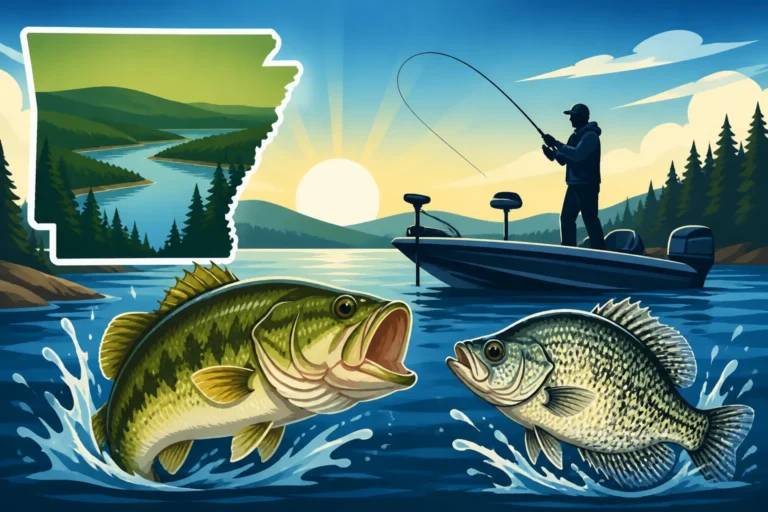
Anyone who has spent a frustrating day on a new lake or river, casting fruitlessly while others reel them in, knows the bitter taste of unfamiliarity. Arkansas's waters are incredibly diverse, from the roaring trout tailwaters below our massive dams to the sprawling, timber-filled crappie lakes, and without a deep understanding of how these specific waters behave, even the most skilled angler can feel lost. This guide is all about why a local Arkansas fishing guide isn't just a boat driver, but a walking, talking treasure trove of hyper-specific knowledge that can transform your trip from a gamble into a genuine angling adventure.
Why Local Knowledge is Gold in Arkansas Waters
Arkansas is often called "The Natural State," and for good reason. Its geography shifts dramatically from the Ozark Mountains to the Delta lowlands, creating a tapestry of rivers, lakes, and streams, each with its own unique personality. What works on one body of water might be completely useless on another just a few miles away. This sheer variety, while a blessing for anglers, is also its biggest challenge.
Understanding the Unique Challenges of Arkansas Fisheries
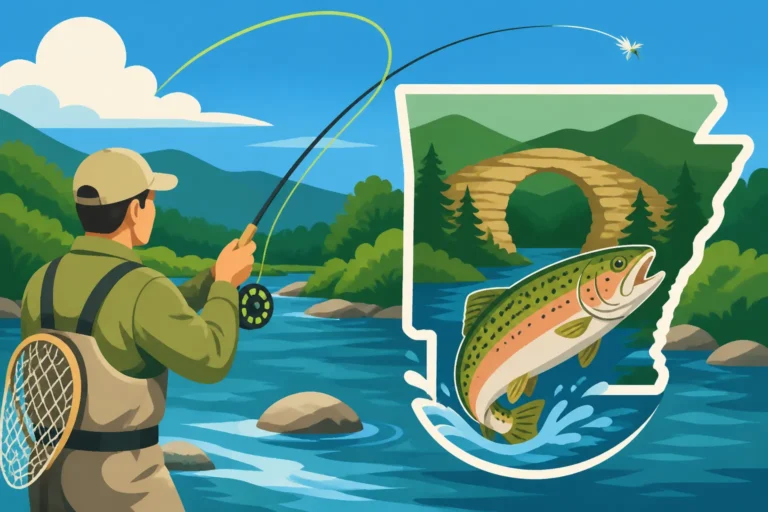
Imagine trying to fish the White River for trout. It's world-renowned, but it's also a tailwater, meaning its flow and depth are entirely dependent on dam releases from Bull Shoals Lake. A surge of water can turn a tranquil wade into a dangerous torrent in minutes, completely changing the fish's behavior and feeding patterns. If you're not intimately familiar with the dam generation schedules, or how different water flows position the trout, you're essentially guessing. Similarly, fishing the vast expanse of Lake Ouachita or Norfork Lake requires understanding massive depth changes, hidden underwater timber, and specific thermoclines that dictate where bass or stripers will hold. Without someone who's spent thousands of hours on that specific water, these nuances are invisible.
Consider the species themselves. While statewide Arkansas Fish Size and Daily Limits apply, many lakes have special regulations. Lake Monticello, for instance, has unique bass regulations. Lake Cargile has particular crappie rules. A guide knows these subtle differences by heart, ensuring you're fishing legally and responsibly, and not inadvertently violating a specific local rule. They know where certain species thrive in certain conditions, like where the biggest brown trout might be lurking on a specific stretch of the Spring River, or where the crappie are staging in pre-spawn on Greers Ferry Lake. It's not just about knowing what fish are there, but where they are in this specific body of water at this precise time of year.
The Hidden Gems and Secret Spots Only Locals Know
Every angler dreams of finding that secret cove, that submerged brush pile, or that specific rock seam where the fish are always biting. For an Arkansas fishing guide, these aren't secrets; they're daily knowledge, earned through countless hours on the water. These are the places that don't show up on a generic fishing map or a quick online search. These are the spots they've marked on their GPS over years, the subtle changes in bottom contour they've identified, or the submerged timber they know holds a monster bass.
Think about a hot summer day on a reservoir like Lake Hamilton. The fish go deep, seeking cooler water and oxygen. A guide knows the exact depths, the ledges, and even the individual brush piles where those fish will be stacked. They've discovered these through trial and error, through conversations with other local anglers, and by simply being on the water more than anyone else. They know which specific bends in the Little Missouri River hold a population of shoal bass, or where the smallmouth bass are hiding in the eddies of an Ozark stream after a rain. This isn't just about general areas; it's about pinpoint locations that provide consistent action. A non-local angler might stumble upon one of these spots by sheer luck, but a local guide takes you right to them, maximizing your precious time on the water.
What "Local Knowledge" Really Means for an Arkansas Fishing Guide
It's one thing to read about fishing in a region; it's entirely another to live and breathe it every single day, season after season. Local knowledge isn't static; it's a dynamic, ever-evolving database in a guide's mind, constantly updated by their experiences and observations.
Years of Hands-On Experience and Seasonal Patterns
A truly great Arkansas fishing guide has seen it all. They've fished through droughts and floods, blazing summer heat and bitter winter freezes. They've observed how a delayed spring affects the Arkansas Bass Spawn Timing by Water Temperature on Beaver Lake, or how an early cold front pushes crappie into deeper timber on Lake Conway. This isn't theoretical knowledge; it's deeply ingrained, intuitive understanding. They know that on the Norfork Tailwater, certain insect hatches occur at specific times of the year, dictating the best fly patterns to use. They've learned that the striped bass on Norfork Lake move to different parts of the lake and respond to different techniques depending on the water temperature and time of year.
This seasonal understanding is crucial. An angler visiting in May might expect the same action as an angler visiting in October, but a local guide knows that the fish's diet, location, and aggression levels can be drastically different. They'll know that post-spawn bass on Lake Ouachita might be guarding fry in shallow coves, while in late fall, they'll be schooling on main lake points, chasing baitfish. They’ll understand the subtle shifts in the river current and how that affects where the trout hold. This isn't something you can Google; it's something you earn through years of dedication and countless hours on the water, building a comprehensive mental map of the fishery's annual rhythms.
Reading the Water and Interpreting Environmental Cues
Beyond general seasonal patterns, local guides are masters at reading the immediate conditions of the water and surrounding environment. They'll notice a slight change in current speed on the White River and know exactly what that means for trout positioning. They'll observe the direction of the wind on Bull Shoals Lake and understand which banks will be churned up and which will offer clearer water and better fishing opportunities. Water clarity, temperature, and even the presence of specific baitfish or insect activity are all critical cues.
Imagine fishing for crappie on a lake where visibility changes from clear to stained after a heavy rain. A local guide instinctively knows that this will push the crappie to specific depths or types of cover, and they'll adjust their lure colors and presentation accordingly. They might tell you about a small eddy on the Little Red River where the trout consistently hold during high water, a spot you'd never find on your own. They might point out subtle surface activity on a calm morning on Lake DeGray, indicating schooling stripers that a less experienced eye would miss entirely. This ability to interpret the dynamic ecosystem in real-time is what separates a good guide from a truly exceptional one, turning fleeting opportunities into successful catches.
Beyond the Fish: Comprehensive Local Expertise
A fishing guide's local knowledge isn't just about finding fish; it encompasses a broader understanding of the entire fishing experience, ensuring safety, compliance, and an enjoyable trip from start to finish.
Navigating Regulations and Protecting Fisheries
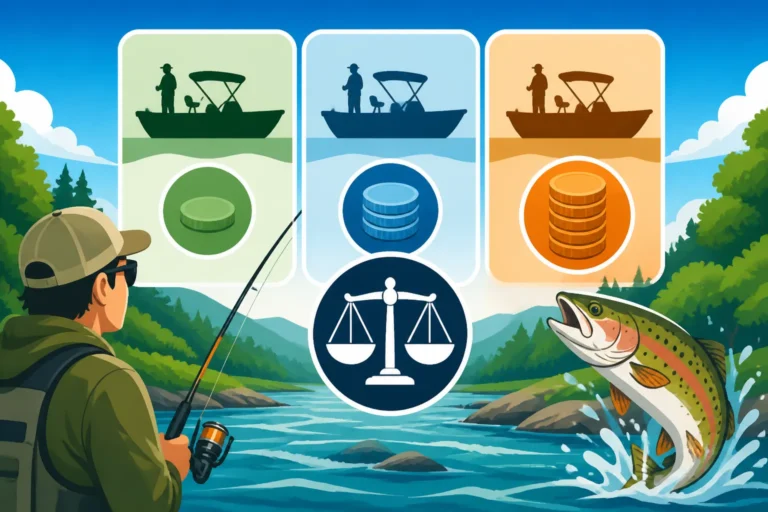
Arkansas has a comprehensive set of fishing regulations, and while many are statewide, others are specific to certain waters. A good example is the Arkansas Trout Permit Rules, which is required in addition to a general fishing license if you intend to keep trout in designated trout waters. There are also specific length and creel limits that vary by species and location, such as the Largemouth Bass Daily Limit in Arkansas or the Crappie Size and Daily Limit in Arkansas, with further exceptions for places like Lake Monticello or Lake Cargile.
A local guide stays meticulously updated on all these rules. They understand that these regulations are in place to protect Arkansas's precious natural resources, and they are committed to upholding them. This means you won't accidentally keep an undersized fish or exceed a daily limit, which could lead to fines or penalties. They're also often aware of local conservation efforts or subtle changes in enforcement that visitors might overlook. Their commitment to sustainable fishing practices means they're not just helping you catch fish, but also ensuring that the fisheries remain healthy for future generations.
Safety, Logistics, and Maximizing Your Time on the Water
Beyond fishing techniques, local guides possess invaluable logistical and safety knowledge. They know the most reliable boat ramps, how to navigate tricky shallow spots, and where potential hazards like submerged stumps or rocks lie. On rivers, they understand the currents, eddies, and potential strainers that could be dangerous to an inexperienced boater. They also monitor local weather patterns much more closely than a visiting angler might, knowing when a storm is brewing or when changing wind directions might make certain areas unfishable.
Consider a multi-day trip. A local guide can advise on the best accommodations, local eateries, and even other attractions in the area. They can suggest the most efficient meeting points and launch times to beat the crowds or optimize for the bite. This kind of comprehensive logistical support removes a huge amount of stress from your trip, allowing you to focus entirely on the fishing. They ensure you have the right safety gear, know the emergency protocols, and are prepared for anything the Arkansas wilderness might throw your way. This peace of mind is truly priceless, especially when you're exploring new and potentially challenging waters.
How to Tap into a Guide's Local Knowledge for Your Trip
Booking a guide is more than just hiring a boat and an angler; it's an investment in an experience enriched by deep-seated local expertise. To truly benefit, it helps to know how to interact and what to look for.
Asking the Right Questions Before and During Your Trip
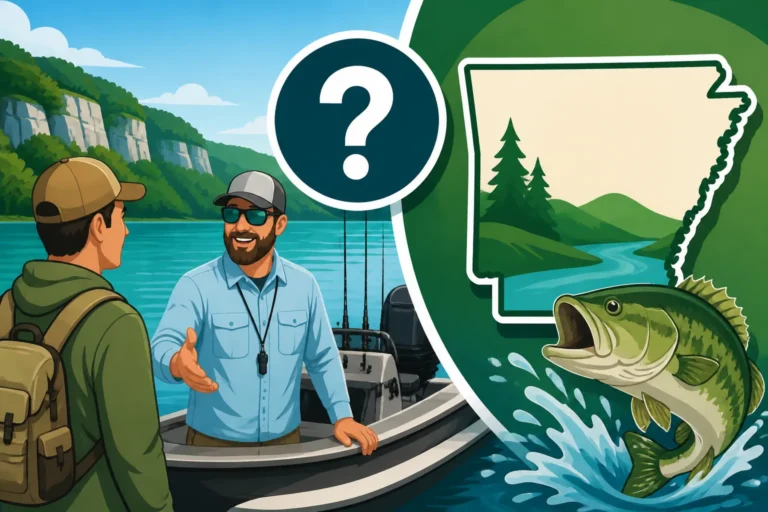
Before you even step foot in the boat, don't be shy about asking your prospective guide questions. Think about your goals for the trip: are you hoping for a trophy brown trout, a cooler full of crappie, or just a relaxing day catching whatever bites? Communicate this clearly. Ask about their recent success on your target species, what methods they plan to use, and what current conditions are like. Inquire about specific regulations for the water you'll be fishing, or if they require any special permits like a Resident Trout Permit Cost in Arkansas.
Once you're on the water, continue to engage. Ask why they're making a particular cast, why they chose this specific lure color, or why they're fishing a certain depth. Not only will you learn invaluable techniques, but you'll also gain insight into their decision-making process, which is often rooted in years of local observation. Don't just observe; absorb. A good guide loves to share their knowledge and teach. They can help you understand What's the Best Time of Day to Fish DeGray Lake? for certain species, or how the water levels might be affecting the bite. This interaction is key to unlocking the full value of their local expertise.
Finding and Booking Guides Who Excel in Local Expertise
When searching for a guide, look for those who specialize in specific waters or species. While some guides are generalists, those who focus on, say, trout fishing on the White River, or striped bass on Norfork Lake, often have an unparalleled depth of knowledge for those particular niches. Reading reviews is crucial – look for feedback that praises the guide's ability to put clients on fish consistently, their understanding of the water, and their teaching style.
Platforms like FishingBooker can be excellent resources for finding guides. These platforms often feature detailed profiles, client reviews, and information about the guide's experience and specialties. They allow you to compare multiple guides based on their stated expertise, rates, and availability. You can filter by location, target species, and even specific types of trips, such as fly-fishing or spin-fishing. When you're ready to book, confirm what's included in the trip, such as tackle, bait, and whether they clean your catch. Always clarify if you need your own Arkansas Fishing License Requirements for Out-of-State Anglers or any additional stamps, as these are typically the angler's responsibility, even on a guided trip.
| Feature | Angler Without Local Guide Knowledge | Angler With Local Guide Knowledge |
|---|---|---|
| Finding Fish | Relies on general maps, guesswork, past success elsewhere | Benefits from guide's exact GPS marks, knowledge of current patterns |
| Understanding Conditions | Limited awareness of dam releases, subtle water changes, hatches | Guide interprets real-time water flow, clarity, weather, insect activity |
| Navigating Regulations | Must research statewide and local exceptions | Guide ensures full compliance with all specific local rules |
| Technique & Bait Selection | General approaches, trial and error | Guide knows specific baits/lures and presentations for today's conditions |
| Safety & Logistics | Responsible for own route planning, hazard avoidance | Guide handles navigation, avoids hazards, optimizes launch/return |
| Efficiency | Spends time searching, experimenting | Maximizes fishing time, goes directly to productive spots |
| Learning Opportunities | Self-taught, limited to personal experience | Direct instruction, real-time insights, accelerated learning |
| Enjoyment & Success | Can be frustrating, inconsistent | Generally more productive, educational, and enjoyable |
Ultimately, investing in a guide who possesses deep local knowledge of Arkansas's unique waters is like having a cheat code for a truly memorable and successful fishing adventure. They turn the complex into the comprehensible, transforming a beautiful but challenging landscape into your personal fishing playground.
Disclaimer
This article is for general informational purposes only and does not constitute professional advice. Laws, prices and regulations vary by location and change over time. Consult a qualified professional for guidance on your specific situation.