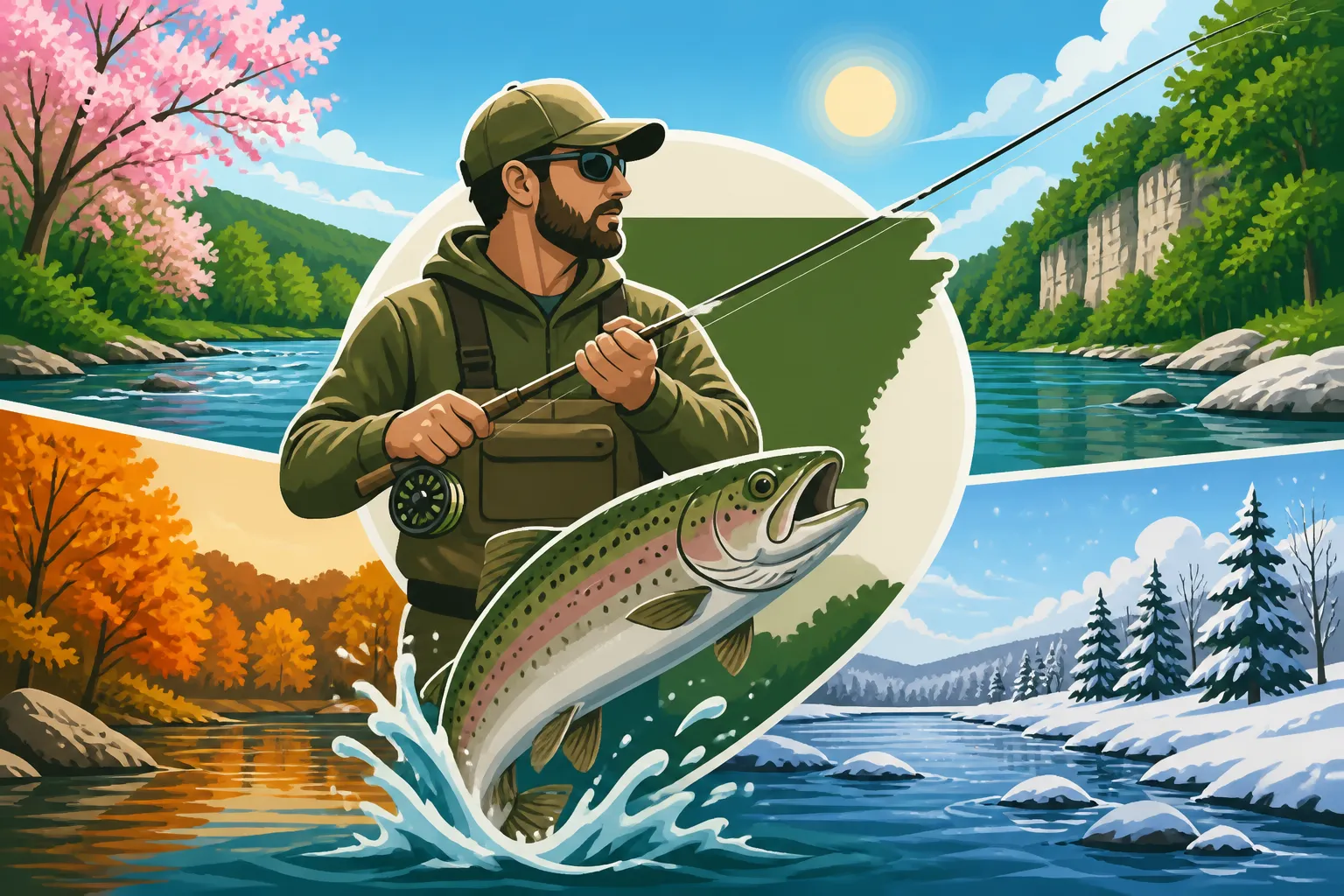
Year-Round Fishing Guides on the White River in Arkansas
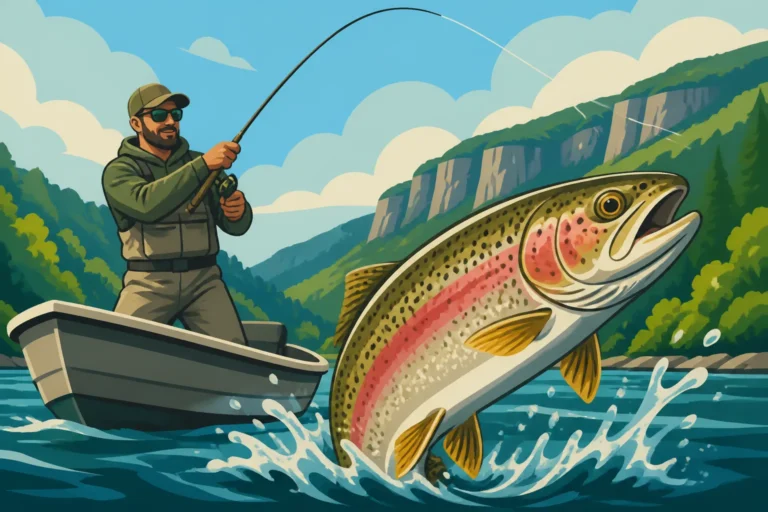
Many anglers believe that serious trout fishing is a fair-weather endeavor, something you pack away with your shorts and sunscreen once the leaves start to turn. But on Arkansas's famous White River, that couldn't be further from the truth. This magnificent tailwater fishery offers incredible opportunities for chasing trout all year long, and a good local guide is your absolute best friend for navigating its ever-changing conditions. This guide will walk you through why year-round guiding is not only possible but highly recommended on the White River, and what you can expect from a guided trip no matter the season.
Why Year-Round Guiding is Possible on the White River
The White River isn't just any river; it's a tailwater, which means its flows and temperatures are heavily influenced by the upstream dams, specifically Bull Shoals Dam. This unique characteristic is precisely what makes it a premier year-round trout fishery, a true gem in the heart of Arkansas.
The Influence of Dam Releases
Unlike free-flowing rivers that are at the mercy of rainfall and ambient temperatures, the White River's flows are regulated by hydropower generation. Water released from the bottom of Bull Shoals Lake is consistently cold, typically staying in the 40s and 50s degrees Fahrenheit year-round. This chilly, oxygen-rich environment is absolutely ideal for trout, particularly rainbows and browns, which thrive in colder water. So, even when Arkansas swelters under a hot summer sun, the White River below the dam remains a cold, comfortable haven for trout. This consistent cold water supply means the fish are active and feeding throughout every month of the year. Your guide will be intimately familiar with the daily generation schedules and how they impact fish behavior, knowing when to drift through high water or where to wade during low flows. For more on the specifics, check out Trout Fishing Below Bull Shoals Dam on the White River.
Stable Water Temperatures
That stable, cold water temperature is truly the secret sauce for year-round fishing here. In a natural river, extreme summer heat can stress trout, making them sluggish and less likely to bite, or even endangering their survival with warmer water. Winter can freeze rivers solid, making fishing impossible. Not so on the White River. Because the water comes from deep within the lake, it acts like a giant temperature regulator. Fish don't experience the wild swings that other species might in natural lakes or rivers, allowing them to maintain a consistent metabolic rate and feeding behavior. This means that while your comfort level might change with the seasons, the trout's ideal living conditions rarely do. This consistency is a huge advantage for anglers, especially when paired with a guide who understands the subtle seasonal shifts in trout behavior.
Understanding Seasonal Opportunities and Challenges
While the White River offers year-round fishing, each season presents its own unique charm, challenges, and opportunities. A great guide helps you maximize your chances, no matter what time of year you visit.
Spring into Summer: High Water and Active Fish
As spring blossoms into summer, you'll often find higher water flows on the White River due to increased demand for hydroelectric power generation. This can mean fast-moving currents and challenging wading conditions, but it also means a fantastic drift fishing experience from a boat. Trout are often highly active during these months, feeding on insects washed into the water or chasing baitfish. Spring sees the beginning of a prolific insect hatch, making for exciting dry fly fishing opportunities, especially for those beautiful Rainbow Trout Fishing Below Bull Shoals Dam. Summer often brings consistent flows, creating predictable drift patterns for guides. They know exactly which eddies, current seams, and submerged structures hold fish, even in swift water. While you might need to wear layers in spring and protect yourself from the sun in summer, the fish are almost always biting. Guides are expert at adapting their tactics, from throwing larger streamers in higher water to targeting specific hatches with delicate dry flies during calmer periods.
Fall Foliage and Feeding Frenzies
For many, autumn on the White River is a truly magical time. The Ozark Mountains burst into vibrant colors, creating a breathtaking backdrop for your fishing adventure. More importantly, fall brings cooler ambient temperatures, which, while not directly affecting the tailwater's temperature, can mean more comfortable fishing days for anglers. This is also a critical feeding period for trout, especially the larger Brown Trout on the White River, as they prepare for their spawning season. They become more aggressive, making them more susceptible to larger flies and lures. Guides often target these trophy fish with bigger streamers, spoons, or even live bait presentations. The slightly lower pressure from recreational boaters after Labor Day can also make for a more peaceful experience. If you're looking for a combination of stunning scenery and the chance at a truly memorable catch, fall is an excellent choice, and a seasoned guide will know the prime spots where these larger trout are staging.
Winter Wonderland: Targeting Trophy Trout
Winter on the White River offers a serene, almost spiritual fishing experience. The crowds thin out, and a quiet hush often falls over the river. Don't let the chilly air fool you; the trout are still incredibly active, and winter is often considered prime time for targeting some of the biggest trophy brown trout. While the weather can be colder for anglers, the stable water temperature ensures the fish are still feeding. Guides will typically slow down their presentations, focusing on nymphing techniques or working specific deep holes where large fish tend to hold. Layering up is crucial for your comfort, but the rewards can be immense. Imagine drifting silently down the river, surrounded by frosty trees, and hooking into a massive brown trout – it's an experience many avid anglers cherish. Many guides operate heated boats during these colder months to ensure your comfort. If you're serious about a shot at a true lunker, a winter guided trip is a fantastic option, and guides are expert at cold-weather fishing strategies.
How Guides Adapt to Year-Round Conditions
The real value of a year-round White River fishing guide lies in their ability to adapt to the nuances of each season. Their expertise goes far beyond simply knowing where the fish are; it's about understanding why they're there, and how to tempt them to bite in any given condition.
Gear and Technique Adjustments
A professional guide's boat is usually a veritable tackle shop on water. They carry a vast array of rods, reels, lines, flies, lures, and bait, all meticulously organized to address any situation the river throws at them. In spring and summer, when water flows can be high and fast, they might rely on heavier lines, larger split shot for nymphing, or bigger, flashier streamers to attract attention in murky water. During lower, clearer flows, they'll switch to lighter leaders, smaller flies, and more delicate presentations.
Consider a hot summer day: while you might be tempted to stay home, a guide knows that certain patterns of dry flies or specific nymph rigs will still entice a bite in the clear, cold tailwater. Or perhaps it's a brisk winter morning, and the fish are holding tight to the bottom in deep pools. Your guide will deploy specialized techniques like bottom bouncing or vertical jigging with appropriate weights and baits to get down to them. They've spent countless hours on the water, observing patterns and fine-tuning their approach. This kind of adaptable knowledge is invaluable, ensuring you're always fishing with the right tools and techniques for the conditions, dramatically increasing your chances of success.
Locating Fish Throughout the Year
Trout don't stay in the same exact spot all year long, although their general habitat preferences remain consistent. Water levels, current speed, insect hatches, and even barometric pressure can influence where fish decide to hold. A year-round guide has an intimate knowledge of these movements.
In high water periods, fish might move to shallower, calmer eddies to escape the strong current, or tuck behind larger boulders. In low water, they might concentrate in deeper runs or under overhanging brush for cover. During certain insect hatches, they'll rise to the surface in specific areas. Guides constantly monitor these conditions, often communicating with each other about recent catches and water levels, to put you on the most productive stretches of river. They understand that a spot that was hot last week might be barren this week due to a change in dam release schedule. Platforms like FishingBooker often list guides who specialize in specific stretches of the White River, ensuring you find someone with hyper-local expertise. This constant adaptation and deep understanding of the river's pulse is a core part of their service.
The Importance of Local Knowledge
You can read all the fishing reports in the world, but nothing compares to the on-the-water, day-in, day-out experience of a local White River guide. Their "local knowledge" isn't just a buzzword; it's a compilation of years, sometimes decades, of firsthand experience. They know where the hidden shoals are, the precise depth of that productive hole, and the subtle currents that hold trophy fish.
This local insight extends beyond fish behavior to practical matters like navigating the river safely, especially during varying flows, and understanding access points. They know which flies are really working this week, not just what's popular in a magazine. They've seen how a certain amount of generation from the dam impacts a specific bend in the river. For example, they might know that during a specific generation pattern, Bull Shoals Tailwater Trout Rules in Arkansas dictate certain areas will be unfishable or conversely, incredibly productive. This deep familiarity means less time searching and more time fishing. They can also share stories and insights about the river's history and ecology, enriching your entire experience.
Booking Your Year-Round White River Fishing Guide
Booking a guide can seem daunting, especially if you're not familiar with the area or the specific type of fishing. However, with a few key steps and questions, you can secure an unforgettable year-round White River adventure.
Finding Reputable Guides
The first step is to seek out guides with a solid reputation. Word-of-mouth is often the best advertising, so ask friends, check online reviews, and look for guides who have been operating on the White River for many years. Websites like FishingBooker are excellent resources for finding guides. These platforms allow you to search by location, species (trout!), and even specific guide specializations. You can read detailed profiles, see reviews from past clients, and get a feel for a guide's personality and approach. Many guides will also have their own websites or social media presence where they post recent catches and updates. Look for guides who emphasize conservation and ethical fishing practices.
Questions to Ask Before Booking
Once you've identified a few potential guides, don't hesitate to reach out and ask questions. This is crucial for ensuring your expectations align with what the guide offers. Here's a quick checklist of things to clarify:
| Question Category | Specific Questions to Ask |
|---|---|
| Availability & Schedule | Do you guide year-round? What are your typical trip lengths (half-day, full-day)? What's your availability for my desired dates? |
| Inclusions | What's included in the trip price (rods, reels, tackle, flies, bait, drinks, snacks, lunch)? Do I need to bring anything specific? |
| Costs | What is the total cost for my group size? Are there any hidden fees or extra charges? What's your deposit and cancellation policy? |
| Licenses & Permits | Do I need an Arkansas Fishing License Rules and Costs and an Arkansas Trout Permit Rules? Can I purchase them beforehand, or can you help? |
| Target Species | What species do you typically target this time of year? Are we primarily fly fishing or spin fishing? |
| Experience Level | Is this trip suitable for beginners, experienced anglers, or families? |
| Comfort & Safety | What kind of boat do you use? Is it heated in winter? What safety equipment is on board? |
| Catch & Release | Do you practice catch and release, or can we keep fish? (Be aware of specific regulations like the Norfork Tailwater Trout Limit Rules in Arkansas) |
Asking these questions upfront will help you avoid surprises and ensure you're booking the right experience for your group. Remember, a good guide wants you to have a great time and will be happy to answer your questions thoroughly.
What to Expect from Your Trip
No matter the season, a guided White River trip generally offers a highly personalized experience. You'll typically meet your guide early in the morning, often at a designated boat ramp or an outfitter shop in towns like Cotter or Flippin. After a brief rundown of the day and current conditions, you'll head out onto the water. Your guide will handle the boat, navigate the currents, and help you with casting, rigging, and identifying fish. They'll also provide valuable insights into trout behavior and the river ecosystem.
Lunch is often provided on full-day trips, usually a delightful riverside picnic. You can expect plenty of opportunities to catch fish, learn new techniques, and enjoy the stunning natural beauty of the White River valley. Don't forget that you'll need a valid Arkansas fishing license and a trout permit, which you'll need to purchase before your trip, even if you're on a guided adventure. For more information, read Do You Need an Arkansas Fishing License for a Guided Trip?. The beauty of a guided trip is that all the logistics are handled, allowing you to simply focus on the joy of fishing. Whether you're a seasoned angler chasing a trophy or a beginner looking to experience trout fishing for the first time, a White River guide can make your year-round angling dreams a reality. To find out more about trip durations, check out Full-Day vs Half-Day White River Trout Trips: Which to Book in Arkansas.
Disclaimer
This article is for general informational purposes only and does not constitute professional advice. Laws, prices and regulations vary by location and change over time. Consult a qualified professional for guidance on your specific situation.