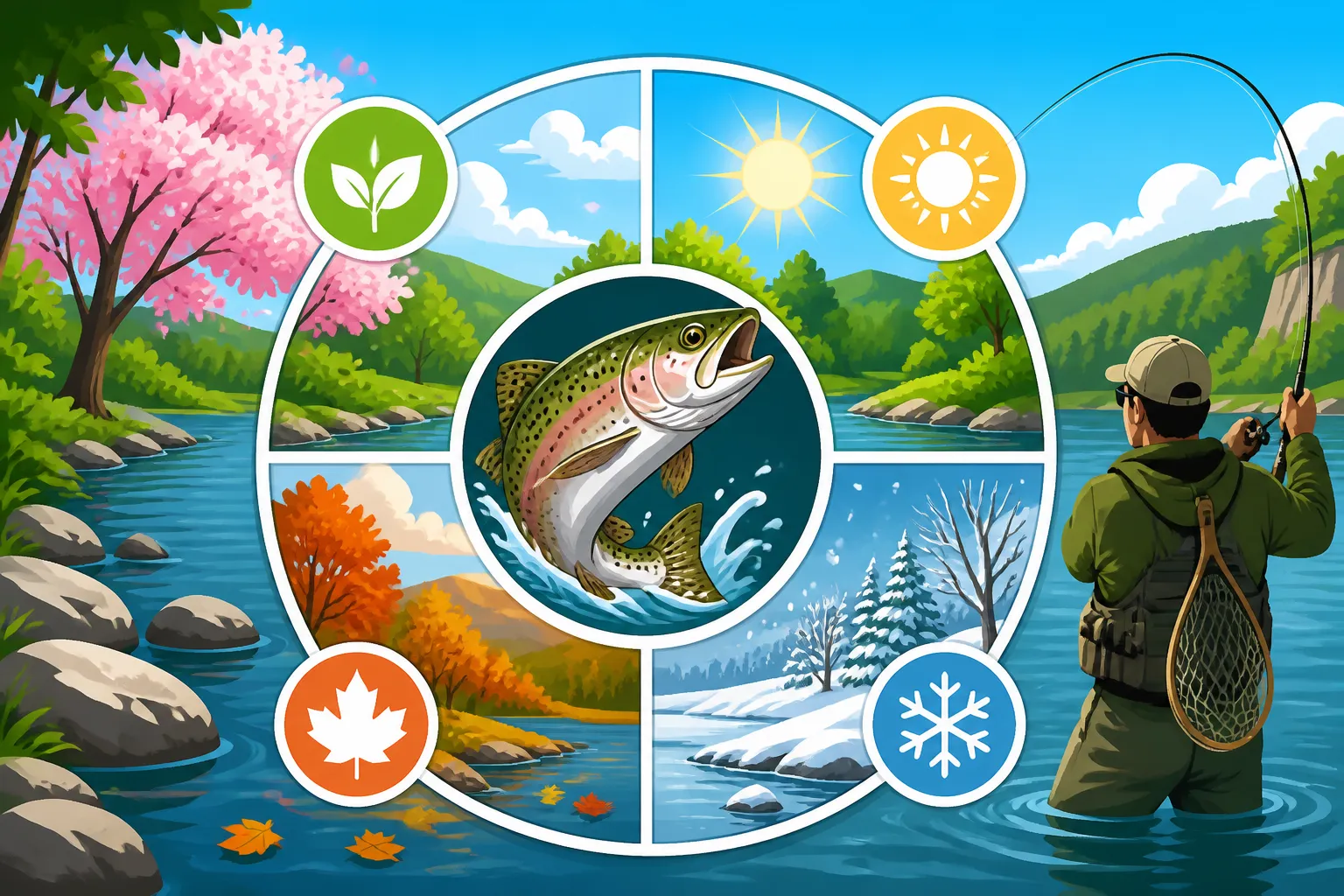
Best Time of Year to Book a White River Trip
Deciding when to plan your angling adventure on Arkansas's famous White River can feel like a guessing game. Many folks dream of casting into those pristine waters, but the river's flow, fish behavior, and even the crowds change dramatically throughout the year, leaving many wondering how to hit that perfect window. This guide aims to clear up the confusion, walking you through what each season on the White River offers so you can book your trip with confidence and maximize your chances for an unforgettable experience.
Understanding the White River's Unique Character
The White River isn't just any trout stream; it's a truly special fishery, and much of its character is shaped by forces beyond nature's simple ebb and flow. Before we dive into the seasonal specifics, it's crucial to understand what makes this river tick, because these unique aspects directly influence when and how you'll find success. This isn't just about the weather; it's about the very pulse of the river itself.
The Dam-Controlled Flow and Its Impact
The White River, particularly the stretches renowned for trout fishing below Bull Shoals Dam and Norfork Dam, is what we call a tailwater fishery. This means its water levels and temperatures are largely controlled by the release schedules from these massive hydroelectric dams. Unlike a natural freestone river that swells with rain and shrinks in drought, the White River's flow can change hourly or daily based on power generation needs.
This dam control has a profound impact on fishing. When the generators are running, the water rises, becoming swift and powerful, often requiring boat access and heavier tackle to get your flies or lures down to where the fish are holding. Wade fishing becomes impossible in many areas, and anglers need to be acutely aware of changing conditions for safety. Conversely, when the generators are off, the water drops significantly, revealing gravel bars and allowing for excellent wade fishing opportunities. This fluctuation means that the "best" time to fish often depends on whether you prefer to wade or fish from a boat, and whether you're prepared for swift currents or calmer, lower flows. It's a dance with the dam operators, and understanding their general patterns for power generation can be as important as knowing what flies to tie on.
Seasonal Water Temperatures and Trout Behavior
While the dams largely control the flow, they also exert a significant influence on the temperature of the water. The water released from the bottom of a deep reservoir like Bull Shoals Lake is consistently cold, typically in the 45-55 degree Fahrenheit range, year-round. This stable, cold environment is precisely why the White River can sustain a world-class trout fishery in Arkansas, a state otherwise known for its warm-water species.
However, even with dam control, subtle seasonal temperature shifts occur, especially further downstream from the dam or on exceptionally hot or cold days. These slight changes trigger different behaviors in the trout. For instance, in the warmer months, the cold dam releases create a comfortable, oxygen-rich refuge for trout, often concentrating them in predictable areas. In colder months, while the water remains relatively warm compared to the freezing air, the fish's metabolism slows, making them less aggressive but often more prone to holding in deep, slow pools. Understanding these subtle temperature nuances helps you predict where the fish will be and what they'll be willing to eat. It's not just about cold water; it's about how the fish react to the consistency and slight variations within that cold water, influencing everything from their feeding habits to their spawning patterns.
Spring: A Time of Rebirth and Opportunity (March – May)
Ah, spring on the White River! It’s a season that stirs the soul of many an angler, promising new beginnings and often, some fantastic fishing. After the chill of winter, the longer days and milder air temperatures bring a renewed sense of life to the riverbanks, even as the water itself remains consistently cold. This period from March through May is a dynamic one, offering a range of conditions and experiences depending on when you go. It's a time of transition, and those who understand its nuances are often richly rewarded.
Early Spring Action: High Waters and Hungry Trout
As winter gives way to early spring (think March and early April), you'll often find higher water levels on the White River. This is due to increased rainfall runoff feeding into the lake systems upstream and often higher power generation demands as people start to use more electricity. Don't let the high water intimidate you; it can actually create some incredible fishing opportunities. The elevated flows disperse the trout more widely throughout the river, pushing them closer to the banks where cover and food sources are more abundant. They're also often more actively feeding as their metabolism begins to ramp up with the slightly longer daylight hours.
During these higher flows, drifting sculpin patterns, larger streamers, or even weighted nymphs can be incredibly effective. The trick is getting your presentation down through the swift current to the fish. This is where a knowledgeable guide and a boat become invaluable, allowing you to cover water efficiently and position your offerings in prime holding lies. For fly anglers, swinging flies or indicator nymphing with plenty of weight can pay off. Spin fishermen will find success with heavier spoons, small crankbaits, or jigs tipped with Berkley PowerBait. This period also often sees the tail end of the rainbow trout spawn, meaning some very active fish are in the system, though it's always best to be mindful and avoid disturbing spawning beds. If you're looking for a White River 8-Hour Guided Trout Trip Cost in Arkansas, you might find better availability and slightly more aggressive fish in early spring before the peak crowds arrive.
Late Spring Bliss: Stable Flows and Insect Hatches
Move into late spring (late April through May), and you'll often encounter a different White River altogether. As the weather warms consistently, power generation might stabilize somewhat, leading to more predictable water levels. This is often the sweet spot for many anglers. The air temperatures are generally pleasant, the trees are leafing out in vibrant greens, and the insect activity truly begins to pick up. This means hatches! Caddisflies, midges, and various mayflies will start to emerge, bringing trout to the surface for exciting dry fly action.
This period is particularly fantastic for wade fishing if the water levels are cooperative. The more stable flows allow you to explore gravel bars and riffles that might have been inaccessible earlier in the season. For the fly angler, matching the hatch can lead to phenomenal fishing. Even if the fish aren't rising, nymphing under an indicator with patterns mimicking emerging insects is a go-to strategy. Spin fishermen can still do very well with jigs and small crankbaits, but often smaller, more subtle presentations become key as the fish become more tuned into natural food sources. This is when the river truly comes alive, offering a diverse array of fishing experiences and generally comfortable conditions. If you're considering White River Fly Fishing Season Guide for Arkansas Anglers, late spring is undoubtedly one of the prime windows to consider for surface action.
Summer: Consistent Flows and Challenging Conditions (June – August)
Summer on the White River, from June through August, brings a different set of opportunities and challenges. The weather is hot, the sun is high, and while the fishing can still be fantastic, it often requires a shift in tactics and a bit more preparation. This is a popular time for family vacations, which means you'll likely encounter more fellow anglers, but don't let that deter you. The sheer volume of cold, oxygenated water flowing from the dams ensures the trout remain active, even when the air feels scorching.
Managing Summer Crowds and Heat
One of the most noticeable aspects of a White River trip in summer is the increase in fishing pressure. With schools out and vacation plans in full swing, more boats, kayaks, and wade fishermen will be on the water. This isn't necessarily a bad thing, but it means you might need to adjust your expectations regarding solitude. Booking a guide well in advance, perhaps through a platform like FishingBooker, can help navigate crowded launch points and find less-pressured stretches of water. Experienced guides know how to work around other anglers and find the fish.
The heat is another significant factor. Air temperatures can easily climb into the 90s, making sun protection absolutely essential. Think wide-brimmed hats, long-sleeved UPF clothing, sunscreen, and plenty of water. While the water itself remains cold, the ambient heat can quickly lead to fatigue. Consider fishing during the cooler parts of the day or focusing on techniques that don't require constant sun exposure. Anglers might find that the fish are less active during the brightest, hottest parts of the day, making early mornings and late evenings particularly productive. This season definitely calls for smart planning and a bit of perseverance.
Best Times of Day for Summer Success
Given the summer heat and increased fishing pressure, timing your angling efforts strategically becomes paramount. The "best" times to fish often shift to the edges of the day: early mornings and late evenings. As the sun begins to climb, or as it starts its descent, the light is softer, and the air temperatures are significantly cooler, providing relief for both anglers and fish.
During these twilight hours, trout tend to be more active and less wary. They'll often move out from deeper holding lies to feed in shallower riffles or along shaded banks. Dry fly fishing can come alive during morning and evening hatches, offering exciting surface takes. Spin fishermen can do well with topwater lures in low light, or by working jigs and small crankbaits through shadows and current seams. If you're planning a trip, discussing with your guide the potential for an early start or a late finish can really pay off. Sometimes, even taking a mid-day break during the hottest hours to relax and refuel can make your afternoon or evening session much more enjoyable and productive. Understanding What's the Best Time of Day to Fish the Bull Shoals Arkansas Tailwater can make all the difference for a successful summer trip.
Fall: The Golden Season for Trophy Trout (September – November)
For many dedicated White River anglers, fall is often considered the undisputed prime season. From September through November, the river truly comes into its own, offering a combination of comfortable weather, stunning scenery, and, crucially, some of the best trophy trout fishing of the entire year. If you're chasing that fish of a lifetime, this might just be your golden ticket.
Cooler Waters and Active Spawners
As autumn progresses, the air temperatures begin to cool significantly, though the dam-released water maintains its stable cold temperature. This consistency in water temperature, combined with cooler air, energizes the trout. Their metabolism ramps up in anticipation of winter, and they become more aggressive feeders. This is especially true for the brown trout, which undertake their annual spawning migration during the fall months.
From late September through November, large brown trout move upriver, looking for suitable gravel beds to spawn. This makes them incredibly active and territorial, offering incredible opportunities for anglers. Targeting these pre-spawn and spawning browns with streamers, large nymphs, or even egg patterns can be highly effective. While it's exhilarating to hook a trophy brown, ethical angling practices are crucial during this time. Be mindful of disturbing spawning beds, and consider catch-and-release, especially for large, reproductively important fish. The pursuit of Trophy Brown Trout Records on the White River is often centered around this exciting time of year.
Fewer Crowds and Beautiful Scenery
Beyond the exceptional fishing, fall offers an unparalleled overall experience on the White River. As the summer vacationers head home and schools restart, the river sees a noticeable decrease in angler traffic. This means more solitude, less competition for prime spots, and a generally more peaceful atmosphere on the water. It's the perfect time to truly immerse yourself in the natural beauty of the Arkansas Ozarks.
The scenery itself becomes a major draw. The hardwood forests that line the riverbanks ignite with a spectacular display of reds, oranges, and golds. Floating down the river under a canopy of vibrant autumn foliage is an experience in itself, even if the fish aren't biting every minute. Combine the crisp, pleasant air temperatures with the stunning visuals and the aggressive feeding patterns of the trout, and it's easy to see why fall is such a cherished season. If you're looking for a relaxing yet potentially highly productive trip, fall on the White River truly delivers on all fronts.
Winter: The Quiet Pursuit of Solitude (December – February)
Winter on the White River, from December through February, is often overlooked by anglers, but for those willing to brave the cold, it can be a season of serene beauty and surprisingly good fishing. It's a time of quiet solitude, where the focus shifts from chasing big numbers to the meditative rhythm of cold-weather angling. If you're not afraid of bundling up, winter offers a unique and rewarding experience.
Low Water Levels and Exposed Structure
One of the defining characteristics of the White River in winter is often lower water levels. During these colder months, the demand for hydroelectric power generation typically decreases, leading to fewer and shorter dam releases. This results in prolonged periods of lower, more stable flows, which can be a boon for wade fishermen. Gravel bars, submerged rocks, and other river structures that are usually hidden under higher water become exposed or more easily accessible.
These lower, clearer waters require a more stealthy approach. The trout are still there, but their metabolism has slowed down in the colder environment, making them less aggressive and more lethargic. They tend to congregate in deeper, slower pools where they can conserve energy. Your presentation needs to be precise, subtle, and often slower. Tiny midge patterns, small egg imitations, or delicately presented worms can be incredibly effective. While the fish might not strike with the same ferocity as in fall, landing a strong White River trout in the tranquil winter environment is a special achievement. This is a great time to truly hone your nymphing techniques or drift small, natural-looking flies.
Gear Up for the Cold: Essential Winter Preparation
Fishing in winter means contending with cold air temperatures, which can range from crisp and cool to downright frigid, often hovering around freezing or below, especially in the early mornings. Proper preparation is not just about comfort; it's about safety. Dressing in layers is absolutely essential. Start with a moisture-wicking base layer, add insulating layers like fleece or down, and top it off with a waterproof and windproof outer shell. Don't forget insulated waders, warm wool socks, waterproof gloves, and a warm hat. Hand warmers can be a lifesaver.
While the fishing might be slower, the rewards can be significant. The lack of crowds means you'll often have vast stretches of the river to yourself, providing a peaceful escape. The stark, leafless trees and the occasional frost-covered landscape create a beautiful, almost ethereal backdrop for your fishing. And when you do hook into a strong trout in the quiet of winter, the fight feels even more earned. Many experienced anglers prefer winter precisely for this combination of solitude and the challenge of subtle, technical fishing. If you're looking to book a White River Fishing Guides: Arkansas's Trout Fishing Capital trip during the winter, you might find more flexibility in scheduling and a guide ready to share the quiet beauty of the season.
Factors Beyond the Calendar: What Else Influences Your Trip
While knowing the general characteristics of each season is vital, there are other critical factors that can significantly influence the success and enjoyment of your White River fishing trip. Thinking about these details in advance can help you fine-tune your plans, avoid frustration, and make the most of your time on the water. It’s not just about the month; it’s about the day, the timing, and how well you plan.
Weekdays vs. Weekends: Avoiding the Rush
This might seem like common sense, but the difference in fishing pressure between a weekday and a weekend on the White River can be astonishing. Weekends, especially during peak seasons like late spring and fall, see a significant increase in local anglers and visitors from nearby states. Boat ramps can be crowded, popular fishing spots can have multiple boats vying for position, and wadeable areas might be occupied. This increased pressure can make fish warier and lead to a less relaxing experience.
If your schedule allows, planning your trip for weekdays will almost always offer a more tranquil and often more productive outing. You'll likely encounter fewer boats, more open access points, and generally less competition for the best drifts and holes. This reduced pressure can make the fish more cooperative and give you a better chance to enjoy the scenery and the rhythm of the river without interruption. If you're considering a longer trip, trying to arrange your stay so that your prime fishing days fall on Tuesday, Wednesday, and Thursday can be a game-changer for your overall experience.
Guide Availability and Booking in Advance
Whether you're a seasoned angler or a beginner, hiring a local guide for a White River trip is often one of the best investments you can make. These professionals possess an intimate knowledge of the river's ever-changing conditions, fish behavior, and productive techniques. They know the current dam generation schedules, where the fish are holding, and what they're biting on. However, the best guides are in high demand, especially during prime seasons like fall and late spring.
Waiting until the last minute to book a guide can lead to disappointment, as their calendars fill up quickly. It's not uncommon for top guides to be booked months, sometimes even a year, in advance for prime dates. To secure your preferred dates and ensure you get to fish with a reputable guide, start your research and booking process as early as possible. Platforms like FishingBooker can be incredibly helpful for finding available guides, comparing their specialties, and securing your reservation. Don't underestimate the value of a local expert, and make sure to plan far enough ahead to get one. Booking in advance can also give you more flexibility if you need to reschedule due to unforeseen circumstances.
Weather Forecasts and Water Generation Schedules
Even with the most careful seasonal planning, the White River always has a few surprises up its sleeve. The weather, while generally predictable by season, can throw curveballs with unexpected cold fronts, heavy rains, or strong winds that can affect both fish behavior and your comfort. Always check the local weather forecast in the days leading up to your trip, and pack accordingly.
Crucially, always, always check the U.S. Army Corps of Engineers water generation schedule for the Bull Shoals and Norfork dams before and during your trip. These schedules dictate water levels and current, which are paramount to safety and fishing strategy. The schedule can change rapidly, so staying informed is vital. Many local tackle shops and guide services will post daily updates, and there are online resources directly from the Corps. Knowing when the water is going to rise or fall dramatically can inform your decision on whether to wade or use a boat, what fishing techniques to employ, and even where to safely access the river. Being informed about both the weather and water generation is the ultimate key to adapting and having a safe, successful White River experience.
Seasonal Overview for White River Fishing Trips
To help you visualize the best time for your specific needs, here’s a quick overview of what each season generally offers on the White River. Remember, these are general guidelines, and local conditions can always vary.
| Season | Typical Weather | Water Conditions (General) | Fishing Pressure | Primary Target & Behavior | Best for | Considerations |
|---|---|---|---|---|---|---|
| Spring (Mar-May) | Mild, increasing warmth | Variable (high in early, stable in late) | Moderate to High | Rainbows active, Browns post-spawn. Hatches begin. | Diverse techniques, hatches, scenery | Can be unpredictable, plan for varying flows. |
| Summer (Jun-Aug) | Hot, sunny | Consistent, cold releases (often higher flows) | High | Trout deep and active in cold water. | Anglers with boats, early/late fishing. | Crowds, heat, sun protection is key. |
| Fall (Sep-Nov) | Crisp, cool, pleasant | Often stable, dam-dependent | Moderate | Trophy Brown Trout spawning, aggressive feeding. | Trophy hunting, fly fishing, solitude, scenery | Book guides well in advance; prime time. |
| Winter (Dec-Feb) | Cold, can be freezing | Low, clear, stable (often wadeable) | Low | Trout slow metabolism, congregate in deep pools. | Solitude, technical nymphing, peace. | Requires warm gear, slower fishing. |
Finding Your Ideal White River Trip
Choosing the "best" time to book a White River trip really comes down to your personal preferences and what you hope to experience. If you're chasing trophy brown trout amidst stunning fall colors and don't mind booking a year in advance, then autumn is your season. If you love the excitement of spring hatches and the promise of new life, late spring will call your name. For those seeking solitude and the challenge of technical fishing in a tranquil setting, winter offers an unparalleled escape. And if you're a warm-weather angler who enjoys boat fishing and the chance for consistent action, summer provides plenty of opportunities, especially during the cooler parts of the day.
No matter when you decide to go, the White River is a truly special place that holds magic in every season. Doing your homework, checking those generation schedules, and perhaps enlisting the help of a seasoned guide (especially if you're exploring How to Book a Fishing Guide in Arkansas for the first time) will ensure your trip is everything you dreamed of and more. Good luck out there, and tight lines!
Disclaimer
This article is for general informational purposes only and does not constitute professional advice. Laws, prices and regulations vary by location and change over time. Consult a qualified professional for guidance on your specific situation.