Is Rainbow Trout Good to Eat?
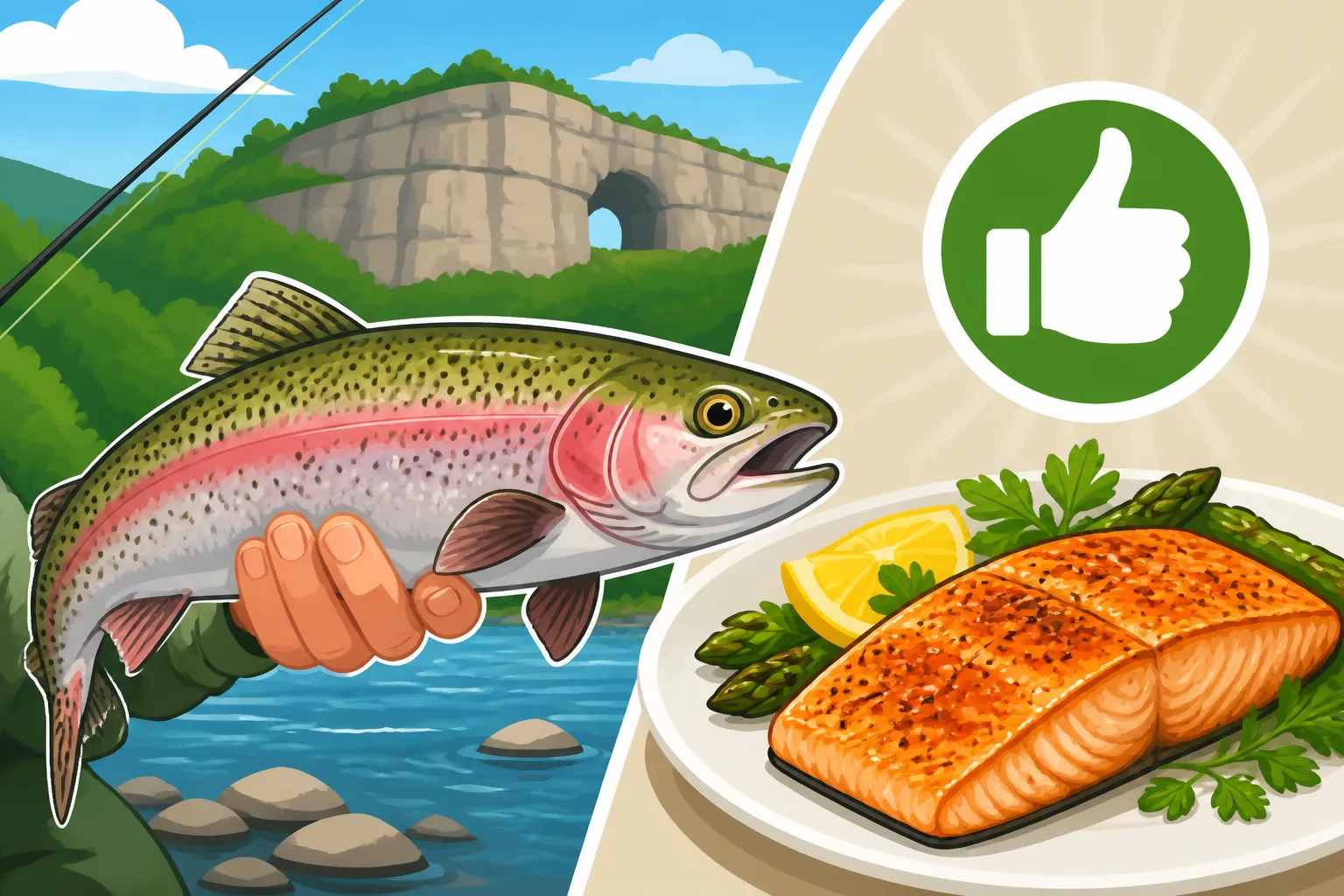
For many anglers, the question isn't just if they can catch a rainbow trout in Arkansas, but what do you do with it once you've reeled it in? There's a certain satisfaction that comes from enjoying your catch, but often, folks are unsure if rainbow trout truly make a good meal. This guide is here to tell you definitively: yes, rainbow trout is absolutely delicious, and we’re going to walk you through everything from its flavor profile to the best ways to prepare it so you can enjoy a fantastic wild-caught meal.
The Culinary Appeal of Rainbow Trout
Rainbow trout have long been a favorite among anglers, not just for their spirited fight and beautiful coloration, but for their culinary value as well. It’s a versatile fish that lends itself to a myriad of cooking styles, making it a staple on dinner tables across the country. But what exactly makes it so appealing, and what can you expect when you take that first bite?
Flavor Profile: What to Expect
When you cook a fresh rainbow trout, you're in for a treat. The flesh is typically delicate, flaky, and has a mild, somewhat nutty flavor. It's not as intensely "fishy" as some other species, which makes it a fantastic choice for those who might be a bit wary of stronger-tasting fish. Think of it as a subtle canvas, ready to absorb and complement the flavors you introduce with your seasonings.
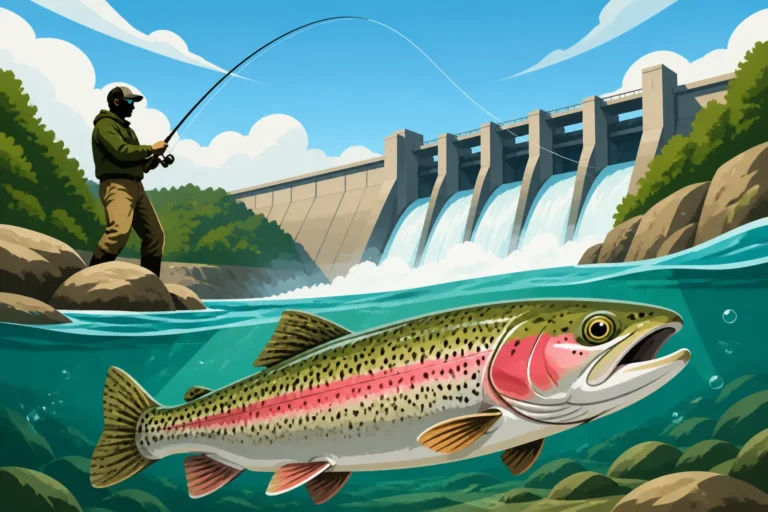
Unlike, say, a wild salmon that might have a very rich, almost buttery taste, rainbow trout offers a lighter, cleaner profile. This is particularly true for trout caught in the cold, clear waters of Arkansas's famous tailwaters, like the White River below Bull Shoals Dam. These environments contribute to a lean, firm flesh that truly shines with minimal fuss. It's an experience that’s often described as refreshingly clean on the palate, a world away from the heavier, earthy notes you might find in some catfish species. If you've ever had a firm white fish and enjoyed it, you'll likely find rainbow trout to be right up your alley.
Texture and Preparation Versatility
Beyond its delightful flavor, rainbow trout boasts a texture that is wonderfully accommodating in the kitchen. The flesh is tender and flakes easily with a fork once cooked, but it holds together well enough to be grilled, pan-fried, baked, or even smoked. This versatility is a huge part of its appeal. Whether you're an experienced chef or a beginner trying to cook your first catch, you'll find that rainbow trout is quite forgiving.
Imagine filleting a freshly caught trout and searing it skin-side down in a hot pan until the skin is crispy and the flesh is cooked through – it's a simple preparation that highlights the natural beauty of the fish. Or, picture baking a whole trout, stuffed with lemon and herbs, slowly roasting in your oven. The natural oils in the fish keep it moist and tender, preventing it from drying out, which is a common fear with leaner fish. Its ability to adapt to so many techniques means you're never bored with how to enjoy your catch, from a quick weeknight dinner to a more elaborate weekend feast. You can even find great cooking accessories, from cast iron pans to smoking chips, on platforms like Amazon to help you explore these different methods.
Factors Influencing Trout Flavor and Quality
While rainbow trout generally offers a great eating experience, not all trout are created equal when it comes to flavor and texture. Several environmental and biological factors play a significant role in how your catch will taste once it hits your plate. Understanding these elements can help you appreciate why certain trout taste exceptionally good and might even guide you to seek out specific fishing spots.
Water Quality and Habitat
This is perhaps the single most important factor. Trout thrive in cold, clean, oxygen-rich water. Think of the pristine tailwaters of Arkansas, such as the Little Red River or the Norfork Tailwater, where the water flows steadily from the depths of hydroelectric dams. Fish caught in these environments, especially those actively feeding in fast currents, tend to have a cleaner, crisper flavor and firmer flesh. The constant flow helps flush out any undesirable tastes and provides a rich ecosystem for them to feed on.
Conversely, trout caught from warmer, more stagnant waters or ponds might sometimes have a slightly "muddy" or earthy taste. This isn't because the fish itself is bad, but rather a reflection of its environment and diet. Algae and other organic matter in slower, warmer water can sometimes impart these flavors. So, if you're targeting trout primarily for the table, focusing on the colder, clearer waters where Rainbow Trout Fishing on Arkansas's White River is popular is often your best bet for the most delicious results.
Diet of the Trout
What a trout eats directly impacts its flavor. In natural environments like Arkansas's trout streams, rainbow trout feed on a varied diet of insects, crustaceans, and smaller fish. This natural forage contributes to their robust health and clean, sweet flavor profile. When they're eating what they're naturally evolved to eat, their flesh develops a taste that is often superior.
Hatchery-raised trout, while still delicious, might have a slightly different flavor profile due to their pellet-based diet. This isn't necessarily a negative, just a difference. The more natural and diverse the diet of a wild trout, the more nuanced and pleasant its taste will likely be. This is part of the magic of fishing in places like the Ozarks, where the ecosystem supports a rich and varied diet for the fish. It’s also why anglers often cherish the taste of a wild brown trout, which shares many of these dietary habits in places like the Spring River.
Size of the Fish Matters
When it comes to eating quality, there's often a sweet spot for rainbow trout size. Smaller trout, often referred to as "pan-sized" (roughly 10-14 inches), are exceptionally tender and mild. Their delicate flesh cooks quickly and perfectly, making them ideal for pan-frying whole. Many anglers consider these smaller fish to be the absolute pinnacle of eating quality due to their fine texture and subtle flavor.
Larger trout can still be very good, but their flesh might become a bit coarser, and their flavor can intensify. While a trophy-sized rainbow trout from a place like the White River is an incredible catch, sometimes those giants are better released to continue breeding and growing. If you do keep a larger one, consider filleting it and perhaps using stronger marinades or smoking techniques to enhance its flavor and manage the texture. Ultimately, personal preference plays a role, but for sheer delicate eating, the smaller to medium-sized fish often win the day.
Best Practices for Keeping and Preparing Your Catch
Catching a beautiful rainbow trout is just the first step. To ensure it tastes as good as possible, proper handling from the moment it leaves the water until it's on your plate is absolutely critical. A poorly handled fish, no matter how pristine its environment, can quickly lose its culinary appeal.
Field Dressing and Storage Immediately After Catching
This step cannot be overstated. As soon as you decide to keep a rainbow trout, you should field dress it immediately. This means bleeding the fish (a quick cut to the gills) and removing its entrails. Bleeding helps improve the flavor and appearance of the flesh by removing blood, which can contribute to a "fishy" taste. Removing the guts prevents digestive enzymes from breaking down the flesh and keeps undesirable flavors from leaching into the meat.
After field dressing, get your trout on ice, and keep it cold! A cooler packed with ice is essential. Never let your catch sit in warm water or air. The colder you keep the fish, the slower bacterial growth will be, preserving that fresh, delicate flavor. If you're on a multi-day trip, having plenty of ice or even access to a freezer is vital. Many experienced anglers carry a separate small cooler just for their keepers, filled with ice, making it easy to clean and store fish efficiently. This proactive step ensures that the effort you put into catching fish from excellent locations like those mentioned in Where to Catch Rainbow Trout in Arkansas doesn't go to waste.
Simple and Delicious Cooking Methods
Rainbow trout truly shines with simple cooking methods that allow its natural flavor to be the star. You don't need fancy sauces or complex recipes to enjoy it.
- Pan-Frying: This is a classic for a reason. Lightly dredge whole, cleaned trout or fillets in seasoned flour or cornmeal, then pan-fry in butter or oil until golden brown and flaky. The skin gets wonderfully crispy.
- Baking/Roasting: Stuff whole trout with lemon slices, fresh dill, parsley, and a pat of butter, then wrap in foil or parchment paper and bake. This steams the fish gently, keeping it incredibly moist.
- Grilling: Place whole trout or thicker fillets on a well-oiled grill over medium-high heat. The smoky flavor from the grill complements the trout beautifully. Using a fish basket can make flipping easier and prevent sticking.
- Smoking: For a richer, more intense flavor, hot smoking rainbow trout is fantastic. The smoky notes marry perfectly with the trout's natural oils.
For those just starting, pan-frying or baking offers the most straightforward path to a delicious meal. Make sure you have basic kitchen tools; sometimes a simple Best Lures for Spin Fishing Trout purchase from Amazon can lead to a great catch and an even better meal if you have the right cooking setup at home.
Seasonings and Pairings for a Flavorful Meal
Given the mild flavor of rainbow trout, it's incredibly versatile with seasonings. You don't need to overpower it.
- Classic Enhancements: Lemon, fresh dill, parsley, chives, salt, and black pepper are all you often need. A squeeze of fresh lemon juice brightens the flavor, while dill and parsley add herbaceous notes.
- Spicier Kicks: If you like a little heat, a sprinkle of cayenne pepper, paprika, or a dash of your favorite hot sauce can add a nice zing without masking the fish's natural taste.
- Regional Flavors: In Arkansas, you might find people using a touch of garlic powder and onion powder, or even a dry rub with a hint of Cajun seasoning for a little regional flair.
- Side Dishes: Rainbow trout pairs beautifully with simple sides. Steamed green beans, roasted asparagus, wild rice, or a crisp green salad all complement the fish without competing for attention. The lightness of the fish means it won't weigh down your meal, making it perfect for a satisfying yet healthy dinner. Consider a simple purchase from Amazon like a good fish spatula to make handling your delicate fillets even easier.
Addressing Common Misconceptions
Despite its reputation as a fine table fish, there are a few lingering questions and misconceptions about eating rainbow trout that can give new anglers pause. Let's clear those up so you can approach your next catch with confidence, knowing you're preparing a quality meal.
Hatchery-Raised vs. Wild-Caught Trout
One common area of confusion revolves around hatchery-raised versus wild-caught trout. Many of Arkansas's rivers are stocked with hatchery-raised rainbow trout to supplement the wild populations and provide abundant fishing opportunities. Some anglers worry that these fish won't taste as good as wild trout.
It's true that there can be a subtle difference. Wild trout, living in a natural environment and feeding on a diverse diet, often have a slightly firmer texture and a more pronounced, nuanced flavor. However, hatchery-raised trout are bred for their rapid growth and good eating qualities. They are still excellent table fare, often very mild and flaky. The key differentiator for both wild and hatchery fish often comes back to the water quality they inhabit and how quickly and effectively they are processed after being caught. A fresh hatchery trout caught in the cold, clear water of an Arkansas tailwater and immediately iced down will almost always taste far superior to a wild trout caught in warmer, less oxygenated water and left to languish in a livewell. So don't hesitate to keep a stocked rainbow if you're fishing areas like the Beaver Lake tailwater.
| Feature | Wild Rainbow Trout | Hatchery-Raised Rainbow Trout |
|---|---|---|
| Habitat | Natural streams, rivers, clear, cold water | Managed ponds, tanks, then stocked into rivers/lakes |
| Diet | Natural insects, crustaceans, small fish | Commercial pellet feed (often supplemented) |
| Flavor Profile | Often described as cleaner, firmer, more nuanced | Mild, tender, consistent flavor |
| Texture | Typically firmer due | Softer, more delicate |
| Growth Rate | Slower, depends on natural food availability | Faster, optimized for size |
| Appearance | More vibrant colors, distinct markings | Can have fin wear, less vibrant coloration |
Debunking "Muddy" Taste Concerns
The "muddy" taste concern is a legitimate one for some freshwater species, but it's largely overblown for rainbow trout, especially those from Arkansas's premier trout fisheries. As discussed earlier, a muddy or earthy taste is primarily linked to the fish's diet and environment, specifically if they've been living in warm, silty, or algae-rich water.
The majority of rainbow trout in Arkansas, whether wild or stocked, come from cold, clean, flowing rivers and lakes that minimize these conditions. These environments are naturally less prone to the factors that cause a muddy taste. Furthermore, proper handling—bleeding, gutting, and icing immediately—will go a long way in ensuring a clean-tasting fish. If you do encounter a trout with a slightly off-flavor, it's usually an isolated incident tied to specific localized conditions rather than a widespread issue with the species itself. Focus on where you're fishing; the cleaner the water, the less likely you are to encounter any unpleasant flavors. For instance, trout caught during Best Time of Year for Rainbow Trout Fishing in Arkansas from actively flowing sections are almost always pristine.
Ultimately, rainbow trout is an outstanding choice for your dinner table. With a mild flavor, flaky texture, and adaptability to various cooking methods, it's a fish that even those new to cooking their catch can master. Just remember to handle your fish with care, and you’ll be enjoying delicious, fresh Arkansas trout meals for years to come. Remember to check out Arkansas Fishing License Rules and Costs before you head out, and if you're looking for gear, platforms like Amazon have everything from tackle boxes to cooking scales.
Disclaimer
This article is for general informational purposes only and does not constitute professional advice. Laws, prices and regulations vary by location and change over time. Consult a qualified professional for guidance on your specific situation.