Best Lures for Spin Fishing Trout
There's nothing quite like the thrill of a hard-fighting trout on the end of your line, but let's be honest, getting them to bite with spin fishing gear can sometimes feel like a mystery. You've cast your favorite lure countless times, tried different spots, and still, those elusive rainbows and browns seem to ignore everything you throw at them. This guide is here to unravel that mystery, providing a comprehensive look at the best lures for spin fishing trout in Arkansas's diverse and challenging waters, helping you turn those frustrating days into memorable catches.
Understanding Trout Behavior for Lure Selection
Before we even talk about specific lures, it’s absolutely crucial to understand what makes a trout tick. These fish aren't just swimming aimlessly; they have preferences, instincts, and reactions largely dictated by their environment. Ignoring these factors is like trying to convince a picky eater to try something new without knowing what they actually like – it's a recipe for disappointment.
Why Water Conditions Matter
Water conditions play an enormous role in how trout behave and what lures they’ll respond to. Think about it: a crystal-clear, icy tailwater after a generation change is a completely different world from a slightly murky, warmer stream after a spring rain. Trout in clear, cold water tend to be much more skittish and visually oriented, meaning they’ll inspect your lure much more closely. You'll need smaller, more natural-looking presentations, and often a very subtle approach. Bright, flashy lures can spook them right out of the hole.
Conversely, in waters with a bit more color or during periods of higher flow, trout might rely more on vibration and scent. The visibility is lower, so they're less likely to see fine details. This is where a louder, more aggressive lure with plenty of flash and movement can really shine, cutting through the water and getting noticed. Water temperature is another huge factor; colder water typically means slower metabolisms and less aggressive strikes, favoring slower retrieves and smaller baits, while warmer (but still within their comfort range) water can mean more active, chase-oriented feeding. You need to consider these dynamics when you're deciding what to tie on.
Matching the Hatch and Forage Base
Trout are opportunistic feeders, but they often key in on specific food sources available in their environment. This is often referred to as "matching the hatch" in fly fishing circles, but the principle applies just as much to spin fishing. If a river, like sections of the White River, is experiencing a major insect emergence, trout might be focused on tiny invertebrates. In these situations, a micro-jig or a very small, subtle soft plastic that mimics an aquatic nymph or larva might be far more effective than a large, flashy spoon.
On the other hand, in many of Arkansas's larger trout rivers, like the Bull Shoals Tailwater, small baitfish, sculpins, and even crayfish are a significant part of a trout's diet. When fish are actively feeding on these larger prey items, a lure that accurately imitates their size, profile, and swimming action will be your best bet. This means looking at small hard jerkbaits, spoons, or even weighted soft plastic swimbaits. Observing the water, even if you don't see fish, can tell you a lot about what they're likely eating. Are there minnows darting around? Crawfish under rocks? Paying attention to these subtle clues makes all the difference.
Top Lure Categories for Arkansas Spin Fishing Trout
Now that we've covered the "why," let's dive into the "what." Arkansas offers an incredible variety of trout fishing experiences, from the powerful flows of the Norfork Tailwater to the intimate stretches of the Spring River. Having a diverse tackle box is key, and understanding which lure types excel in different scenarios will elevate your game.
Spinners: Flash and Vibration Favorites
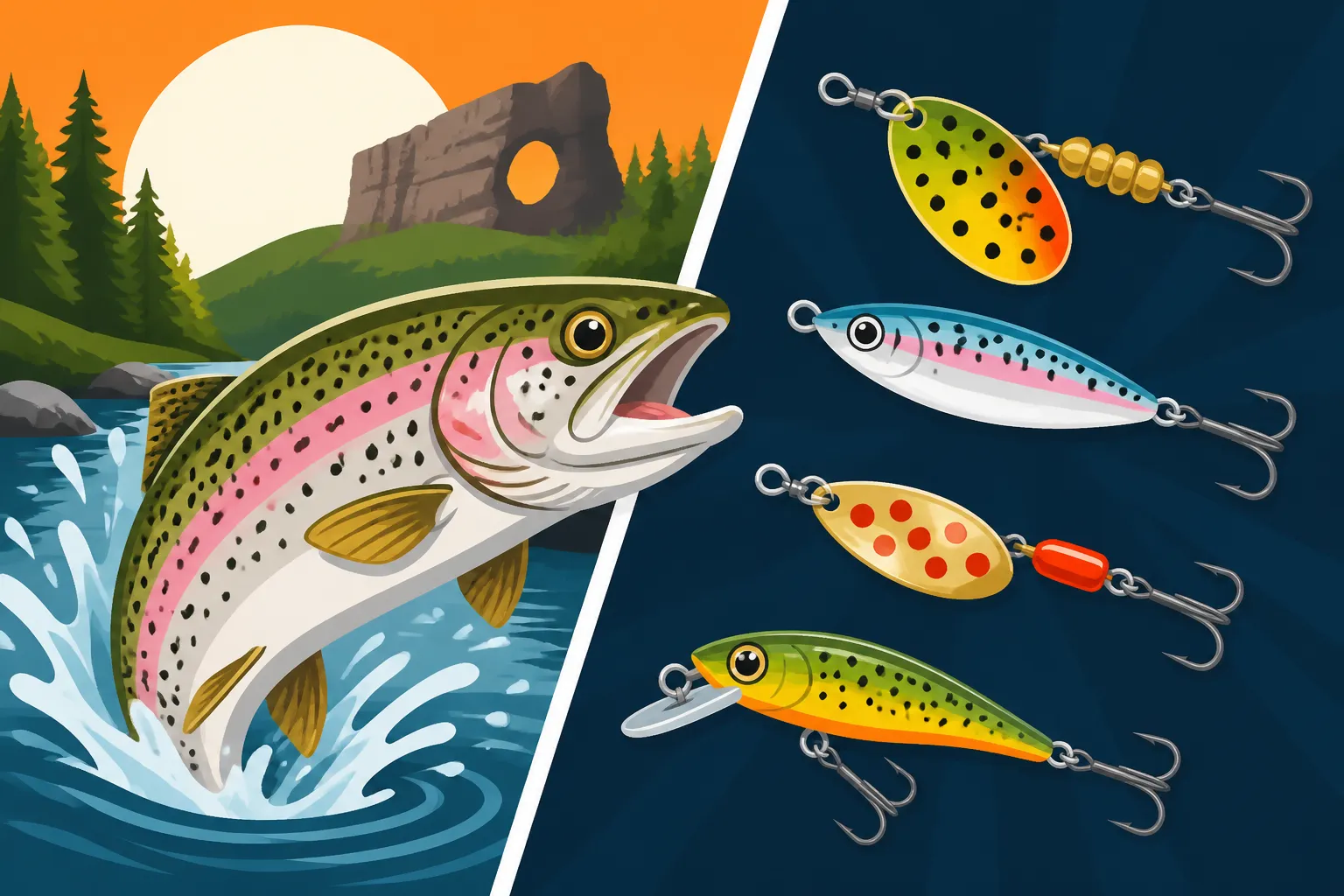
Spinners are, without a doubt, a go-to lure for many trout anglers, and for good reason. Their spinning blade creates both flash and vibration, two key triggers that attract trout from a distance. Brands like Mepps, Panther Martin, and Rooster Tail have built legendary reputations for their effectiveness. When you're fishing a spinner, the key is matching the size to the water conditions and the size of the trout you're targeting. For instance, smaller #0 or #1 spinners are excellent for finicky trout in clear, low-flow conditions, mimicking small insects or fry.
Larger #2 or #3 spinners can be more effective in faster currents or when targeting bigger, more aggressive trout. The color of the blade and the dressing (usually squirrel tail or bucktail) also matter. Silver and gold blades are universal, but sometimes a brass or copper blade can be deadly in slightly stained water or on overcast days. Fluorescent colors like chartreuse or orange can really stand out in off-color water or when trying to provoke a reaction strike. A steady retrieve is often all you need, but don't be afraid to add a twitch or a slight pause to trigger a hesitant bite. For some excellent strategies on how to fish these, you might want to read our guide on Spin Fishing Techniques for Trout.
Spoons: The Wobbling Workhorses
Spoons are another classic trout lure, valued for their erratic wobbling action and impressive flash. They imitate a wounded baitfish perfectly, making them irresistible to hungry trout. Popular brands include Kastmaster, Little Cleo, and Dardevle. The beauty of spoons is their versatility. You can cast them a country mile, letting them sink to different depths before starting your retrieve. A slow, steady retrieve with occasional twitches often works wonders, creating a wounded baitfish impression.
Spoons truly shine in deeper pools, wide sections of rivers, or even larger reservoirs like the deep sections of the Bull Shoals Tailwater. The way they flutter on the fall can also be incredibly effective, often eliciting strikes as the lure sinks. Color choice is similar to spinners: silver, gold, and brass are primary choices, but holographic patterns or those with a touch of color (like blue or red accents) can also be highly productive. Experiment with different weights too; a lighter spoon will have a slower, more pronounced wobble, while a heavier one will get down faster in strong currents.
Small Hard Baits: Minnow and Crankbait Mimics
When trout are keyed in on baitfish, nothing beats a well-presented small hard bait. These lures, often called minnow baits or crankbaits, are designed to perfectly replicate the profile and swimming action of small forage fish or even crustaceans. Brands like Rapala (especially their original floating or countdown models) and Rebel Wee-Crawfish are staples in many trout anglers' boxes. The key with these is often subtle realism. A natural minnow pattern or a crawfish imitation can be incredibly effective, particularly in clear water.
You'll find these in floating, suspending, and sinking varieties. Floating models are great for fishing shallow runs or twitching over submerged structure, while suspending models are excellent for pausing in current, letting the lure hang tantalizingly in the strike zone. Sinking models allow you to target deeper holding fish. Retrieval techniques often involve a "twitch, twitch, pause" action, mimicking an injured baitfish. Don't overlook small, shallow-diving crankbaits either; their aggressive wobble can trigger reaction strikes when fish are less active. These are particularly effective in areas where trout are accustomed to seeing minnows, like many of Arkansas's larger trout streams.
Soft Plastics: Versatile and Subtle Options
Soft plastics have revolutionized trout fishing, offering a level of subtlety and natural presentation that hard lures often can't match. From Berkley PowerBait and Gulp! to tiny micro-grubs and worm imitations, these lures are incredibly versatile. The biggest advantage of many soft plastics is their ability to mimic natural food sources with lifelike action and, often, added scent. This makes them particularly effective for finicky trout or in slow-moving, clear water where fish have ample time to inspect your offering.
Rigging soft plastics is crucial. Small jigheads (1/32 oz to 1/8 oz) are perfect for presenting tiny grubs or tubes. For PowerBait, a small treble hook under a slip sinker, fished on the bottom, is a classic and highly effective method for stocked trout. You can also fish worm or minnow imitations weightless or with a split shot, allowing for a very natural drift in current. The key is to experiment with different sizes, colors, and presentations. Sometimes, a simple, subtle drift is all it takes to entice a bite, especially in highly pressured waters where trout have seen every spinner and spoon imaginable. You can find a vast selection of these lures on online retailers like Amazon, ensuring you have the right options for your next trip.
Strategies for Successful Lure Presentation in Arkansas Waters
Having the right lure is only half the battle; knowing how to present it effectively is where skill truly comes into play. Trout are smart, and they’ve seen a lot of lures over their lifetimes. A thoughtful approach to presentation can make all the difference.
Reading the Water and Targeting Holding Spots
The first step to effective lure presentation is understanding where the trout are likely to be. Trout are masters of efficiency, always seeking out spots that offer a combination of food, cover, and comfortable water conditions. Look for eddies behind large rocks or logs, where the current is broken, allowing them to rest while waiting for food to drift by. Riffles and rapids, despite their fast appearance, are often feeding grounds where oxygenated water churns up insects and disorients baitfish. Deeper pools and runs provide safety and a stable environment, especially during bright days or when water levels fluctuate.
When you cast, aim for the upstream side of these holding spots and allow your lure to drift naturally into the strike zone. Think about how a real minnow or insect would move in the current. Your retrieve should complement this natural drift, not fight against it. For instance, if you're fishing the seam between fast and slow water, cast into the faster current and let your lure swing into the slower water, covering the transition zone where trout often ambush prey. In smaller streams, understanding the lay of fallen timber or undercut banks is vital, as these provide excellent cover.
Retrieval Techniques for Different Lures
The way you retrieve your lure is critical. It’s not just about cranking the handle; it’s about imparting lifelike action that triggers a strike. For spinners, a steady retrieve that keeps the blade spinning is usually effective, but adding small twitches or pauses can make it look more erratic and vulnerable. If you're fishing upstream, retrieve just fast enough to keep tension on your line and keep the blade spinning, allowing the current to assist the lure's action.
With spoons, a stop-and-go retrieve can be deadly. Cast it out, let it sink for a few seconds, then reel it in a few cranks, stop, and let it flutter. This wounded baitfish action is often irresistible. Hard baits, especially minnow imitations, thrive on a "twitch, twitch, pause" retrieve. Use your rod tip to create short, sharp jerks, then let the lure suspend or slowly rise for a moment. For soft plastics, especially those rigged on jigheads, a slow drag along the bottom with occasional lifts, mimicking a scurrying crayfish or feeding nymph, can be incredibly effective, especially when you're targeting those finicky trout you might find below Bull Shoals Dam.
Gear Considerations for Optimal Lure Performance
Your rod, reel, and line choice are just as important as the lure itself. For spin fishing trout, an ultralight or light action rod (typically 5' to 7' long) is ideal. This type of rod provides the sensitivity needed to detect subtle bites and has enough flex to protect light lines when a big trout makes a run. Pairing it with a small spinning reel (1000 or 2000 series) spooled with light monofilament (4-6 lb test) or braided line (6-8 lb test) is key. If you use braid, a fluorocarbon leader (2-4 lb test) is almost mandatory in Arkansas's clear trout waters. Fluorocarbon is nearly invisible underwater, and its abrasion resistance is a huge plus when fishing around rocks and submerged timber.
Beyond the rod and reel, always check your hooks. Trout have relatively soft mouths, but a dull hook will lead to missed strikes and lost fish. Carry a small hook sharpener and use it frequently. Additionally, ensuring your line is fresh and free of nicks or abrasions is paramount. A small nick can mean a lost trophy trout. Investing in quality gear, easily found on platforms like Amazon, enhances your fishing experience and boosts your success rate significantly.
Localized Lure Advice for Arkansas's Premier Trout Fisheries
Arkansas is blessed with world-class trout fishing, but each river has its own personality, currents, and fish populations. What works on one river might not be the absolute best choice for another. Let's get specific.
White River and Norfork Tailwater Tactics
The White River and Norfork Tailwater are legendary for their trophy trout potential, but they can also be incredibly challenging. The water here is often crystal clear and cold, and the trout are heavily pressured, making them wary. When fishing these waters, subtlety is often key. Small spinners in sizes #0 or #1, particularly those with natural blade colors like silver or brass, can be very effective, especially during periods of low generation. You might find success with brands like Panther Martin with a black body or a small gold blade.
Tiny hard baits like Rapala F3 or F5 in natural patterns (rainbow trout, silver, brown trout) are also fantastic, especially when twitched gently. Don't overlook micro-jigs (1/32 oz to 1/16 oz) tipped with a small soft plastic grub or a Berkley Gulp! Alive! Minnow. These can be drifted naturally with the current or slowly bounced along the bottom. For more on strategies here, you should check out our guide on Bull Shoals Tailwater Trout Rules in Arkansas and Trout Limits on the Norfork Tailwater in Arkansas. It's not uncommon for anglers to debate the effectiveness of various offerings for trout, but sometimes, a simple, subtle approach is exactly what’s needed to tempt a big brown trout in these clear waters.
Little Red River and Spring River Insights
The Little Red River, famous for its world-record brown trout, and the unique Spring River, fed by a massive cold spring, offer slightly different dynamics. The Little Red, like the White and Norfork, can be incredibly clear, but it also has periods of higher flow, especially during generation. Here, a diverse approach pays off. When fish are actively feeding on minnows, larger spoons or hard baits (up to 3 inches) can be effective. However, when the bite is tough, reverting to smaller presentations like tiny jigheads with soft plastics or even small PowerBait worms can make a huge difference.
The Spring River, with its consistent cold flow and unique aquatic life, also responds well to small, natural presentations. Spinners, especially those with darker bodies or subtle colors, can be good in the runs. Small crankbaits or minnow imitations that dive to about 3-5 feet are also excellent choices, especially when retrieved near undercut banks or around fallen logs. For brown trout, which are abundant in sections of the Spring River, don't be afraid to try larger, darker patterns on your hard baits or even small jigs to imitate sculpins. You can find more specific details about regulations on this river by reading about the Spring River Brown Trout Minimum Length in Arkansas. The diversity of these rivers truly demands a versatile tackle box and an open mind to experimentation.
Popular Trout Spin Fishing Lures in Arkansas
| Lure Type | Best Conditions | Common Sizes | Notable Brands | Key Action |
|---|---|---|---|---|
| Spinners | Clear to slightly stained water, moving current | #0 to #3 | Mepps, Panther Martin, Rooster Tail | Flash and vibration from rotating blade |
| Spoons | Deeper pools, wider river sections, casting distance | 1/8 oz to 1/4 oz | Kastmaster, Little Cleo, Dardevle | Erratic wobble, flash on retrieve and fall |
| Hard Baits | When trout key on baitfish, clear to moderate clarity | 1.5" to 3" | Rapala, Rebel, Yo-Zuri | Mimics minnows or crawfish with diving/twitching |
| Soft Plastics | Finicky trout, slow water, scent attraction | 1" to 3" (grubs, worms, minnows) | Berkley PowerBait, Gulp!, Trout Worms | Natural drift, scent dispersion, subtle movement |
| Jigs | Deep holes, precise targeting, active presentation | 1/32 oz to 1/8 oz | Marabou Jigs, Micro Grubs | Vertical presentation, bouncing on bottom, swimming |
Disclaimer
The information provided in this guide is for general informational purposes only and is subject to change. Always consult the most current regulations and licensing requirements from the Arkansas Game and Fish Commission before engaging in any fishing activities. Fishing conditions can vary, and success is never guaranteed.