Crappie Jigging Basics for Beginners
Feeling overwhelmed by the sheer number of crappie jigs lining the aisles of your local tackle shop, or just tired of endless YouTube videos that make jigging look way harder than it should be? You're not alone! Many aspiring anglers get intimidated by the intricacies of crappie jigging, but it's actually one of the most effective and rewarding ways to catch these delicious panfish. This guide will cut through the noise, offering clear, actionable crappie jigging basics specifically for beginners fishing in the diverse waters of Arkansas.
Understanding Crappie and Their Habits
Before you even think about tying on a jig, it helps to understand the fish you're targeting. Crappie aren't just "crappie"—we primarily have two distinct species in Arkansas, and knowing their subtle differences and general behavior patterns can drastically improve your success rate. These fish are masters of camouflage and often hang around specific types of cover, making a targeted approach key.
Black vs. White Crappie Preferences
In Arkansas, you'll primarily encounter both Black Crappie and White Crappie. While they share many similarities, they do have some distinct preferences that can influence where and how you jig.
Black Crappie, often distinguishable by their scattered dark spots and seven or eight dorsal spines, tend to prefer clearer water with more vegetation. Think about those beautiful, clean lakes with plenty of submerged brush piles, lily pads, or standing timber—places like Lake Ouachita or portions of Beaver Lake. They're more often found in deeper, cooler sections during warmer months, and closer to structure regardless of depth. When jigging for black crappie, you might find more success around denser cover or in slightly stained water rather than purely muddy conditions. They are often a bit more finicky, sometimes requiring a more subtle presentation.
White Crappie, on the other hand, usually have more distinct vertical bars on their sides and possess six dorsal spines. They are generally more tolerant of turbid or stained water and are often found in larger, slower-moving rivers and reservoirs with less vegetation, like parts of the Arkansas River or Lake Conway. They're a bit more nomadic, often suspending in open water around baitfish schools, though they'll still relate heavily to cover. If you're fishing a lake with murky water, or after a rain event that has stirred things up, white crappie might be your primary target. They're often a bit more aggressive than their black crappie cousins, making them a fantastic target for beginners learning the ropes. Understanding these differences can help you determine Black Crappie vs White Crappie in Arkansas and adjust your strategy accordingly.
Seasonal Movements and Where to Find Them
Crappie movements are largely dictated by water temperature, influencing where they feed and spawn. Mastering these seasonal shifts is fundamental to consistent jigging success in Arkansas.
In the pre-spawn phase, typically in late winter to early spring when water temperatures climb into the 40s and 50s, crappie begin to move from deep wintering holes to shallower staging areas. They'll often school up on creek channel bends, submerged points, or the edges of flats near deeper water. This is a prime time for jigging, as they are actively feeding to build energy for the upcoming spawn. They're still somewhat lethargic, so a slow, deliberate jigging presentation is usually best.
During the spawn itself, generally when water temperatures hit the mid-60s (often late April to early June in many parts of Arkansas), crappie move into very shallow water to lay their eggs. They'll be found around brush, stumps, lily pads, and even docks in just a few feet of water. This is when they are most aggressive and easiest to target, though still sensitive to disturbance. You can literally see them in clear water! Short casts with small jigs, often suspended under a bobber, are deadly effective. For more details on this, you might want to read our guide on When Do Crappie Spawn in Arkansas.
As summer heats up, crappie retreat to deeper, cooler waters. They'll often suspend over creek channels, congregate around deep timber, brush piles, or bridge pilings. Finding them often requires good electronics and patience, but once you locate a school, you can often catch several. Vertical jigging directly over these schools is the go-to technique. They might be a bit less aggressive, so slower movements and smaller jigs can be key.
In fall, as water temperatures cool, crappie become more active and start feeding heavily again, mirroring some of their spring behaviors. They'll often move back to shallower depths, especially during overcast days, but can also be found in mid-depths around structure. This is often described as one of the best times to catch crappie, offering a fantastic opportunity for sustained action. This seasonal understanding is crucial for timing your trips, so checking out Best Time to Catch Crappie in Arkansas can give you an edge.
Essential Crappie Jigging Gear
When you're just starting out, the sheer volume of fishing gear can be overwhelming. Don't worry, you don't need to break the bank to get into crappie jigging. A few key pieces of equipment, chosen wisely, will set you up for success. The goal is to have sensitive enough gear to feel those subtle crappie bites, which can sometimes feel like nothing more than a slight "tick" or added weight on your line.
Rod, Reel, and Line Selection
For crappie jigging, sensitivity is king. You want to feel every little nudge and bump.
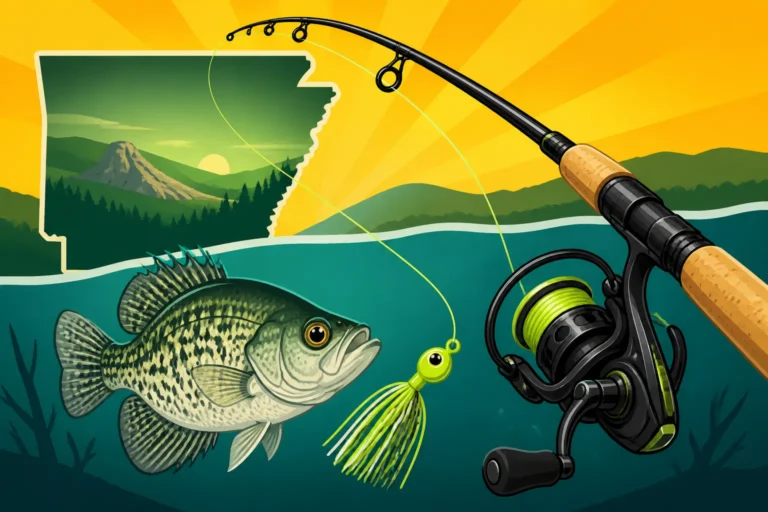
Rods: A good crappie rod will typically be light to ultralight power with a fast or extra-fast action. The power refers to how much force it takes to bend the rod, while action describes where the rod bends. A light power means the rod bends easily, which is perfect for crappie's soft mouths and for casting light jigs. A fast or extra-fast action means the tip bends significantly more than the rest of the rod, giving you excellent sensitivity and quick hooksets. Rod lengths usually range from 5 to 7 feet, with longer rods (7-9 feet) sometimes preferred for spider-rigging or dock shooting, but for basic jigging, a 6 to 6.5-foot rod is a fantastic all-around choice. Brands like BnM Poles or Lew's make excellent crappie-specific rods that are popular among Arkansas anglers, but even a basic ultralight combo from a sporting goods store will get you started. You can find many suitable options on Amazon.
Reels: A small, lightweight spinning reel (sizes 500 to 1000) is ideal. The key is balance with your rod. You want a reel that feels comfortable in your hand and doesn't make the rod feel tip-heavy. Smooth drag is important, as crappie have thin mouths that can tear if the drag is too tight. A good quality reel ensures smooth casting and retrieval, which can make a big difference over a long day of fishing.
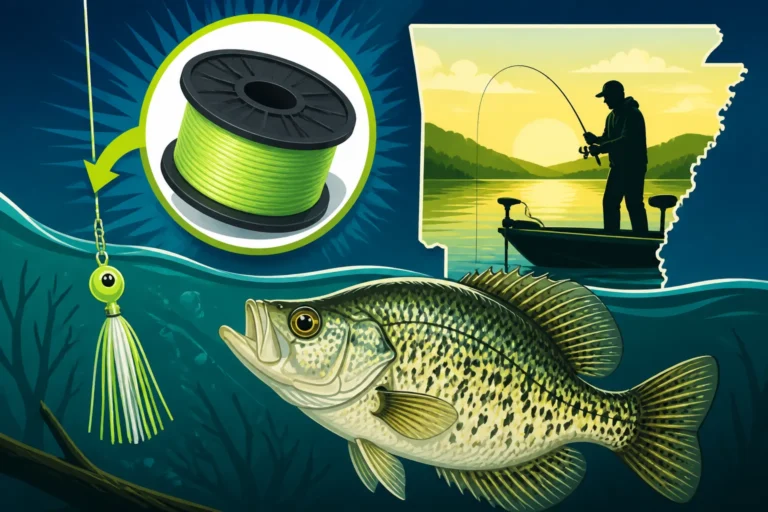
Line: Monofilament, fluorocarbon, and braided line all have their place, but for beginners, 4 to 6-pound test monofilament is a great starting point. It's affordable, has good knot strength, and enough stretch to be forgiving when a crappie surges. Fluorocarbon has less stretch and is nearly invisible underwater, offering more sensitivity and a stealthier presentation, but it can be more expensive. Braided line offers extreme sensitivity and no stretch, but it's very visible and can sometimes require a fluorocarbon leader. For general purpose crappie jigging, especially if you're fishing around cover, 6-pound high-visibility monofilament can actually help you detect bites visually when the line twitches.
When setting up your gear, consider our advice on Best Rod Setup for Crappie Jigging to ensure you're starting with a winning combination.
The Jigs Themselves: Types, Sizes, and Colors
This is where the variety can really make your head spin! Crappie jigs come in countless forms, but focusing on a few key types will serve you well.
Jig Heads: The weight of your jig head determines how fast it sinks and how well you can feel it. Common sizes for crappie range from 1/32 oz up to 1/8 oz.
- 1/32 oz: Ideal for shallow water, calm conditions, or when crappie are very finicky. Sinks slowly, giving fish more time to react.
- 1/16 oz: The most versatile and popular size. Works well in most depths and conditions. If you only buy one size, make it this one.
- 1/8 oz: Best for deeper water, windy conditions, or when you need to get your jig down quickly. Still small enough for crappie but offers more feel.
Soft Plastic Bodies: These are the "meat" of your jig, mimicking baitfish or insects.
- Grubs/Curltails: Simple, effective, and always a good choice. The curly tail provides action even on a slow retrieve.
- Tubes: Small, hollow bodies with tentacles that flutter enticingly. Excellent for vertical jigging and often used around timber.
- Paddle Tails/Swimbaits: Mimic small baitfish with a realistic swimming action. Great for casting and retrieving.
- Minnow Shapes: Realistic profiles that imitate common crappie forage.
Colors: The age-old question! There's no single "best" color, as it often depends on water clarity and light conditions.
- Clear Water: Natural colors like pearl, white, smoke, or light greens are often best.
- Stained/Murky Water: Brighter colors like chartreuse, orange, pink, or neon green stand out. Black and blue can also be surprisingly effective in dark water, as they create a strong silhouette.
- Cloudy Days/Low Light: Brighter colors or those with UV enhancers can improve visibility.
- Sunny Days: More subtle, natural colors often fare better.
A good starting tackle box should have a selection of 1/16 oz jig heads, some curly tail grubs in chartreuse, white, and black/blue, and a few small tube jigs. You can find convenient assortments on Amazon that offer a variety of colors and sizes. For a deeper dive into this, check out What Colors Work Best for Crappie Jigs in Arkansas.
Here's a quick comparison of common crappie jig types:
| Jig Type | Ideal Weight (oz) | Best Conditions | Action/Appeal | Beginner Friendly? |
|---|---|---|---|---|
| Curly Tail Grub | 1/32 – 1/8 | All-around, versatile for various depths | Tail flutters on retrieve, mimics baitfish | Yes |
| Tube Jig | 1/32 – 1/8 | Vertical jigging, heavy cover, calm water | Tentacles quiver, subtle, good for finicky fish | Yes |
| Paddle Tail Swimbait | 1/16 – 1/8 | Casting and retrieving, mimicking fleeing baitfish | Realistic swimming motion, thumping tail | Moderate |
| Minnow Profile | 1/16 – 1/8 | Clearer water, realistic presentation | Subtle, realistic baitfish imitation | Moderate |
| Feather Jig | 1/32 – 1/8 | Clearer water, subtle presentation | Soft, natural breathing motion of feathers | Advanced |
Electronics and Accessories for Success
While not strictly "basics," a few accessories can significantly enhance your crappie jigging experience, especially as you progress.
Electronics (Fish Finder): A basic fish finder is invaluable for locating crappie, especially in deeper water. It helps you see submerged structure (brush piles, timber), identify schools of baitfish, and often, even mark individual crappie. Many entry-level units, like those from Humminbird or Garmin, offer excellent value and provide side imaging or down imaging which can be crucial for understanding what's beneath your boat. You don't need the most expensive model to get a massive advantage. Knowing where the fish are saves you countless unproductive casts.
Livewell/Cooler: If you plan on keeping your catch (always check Crappie Size and Daily Limit in Arkansas first!), a livewell keeps them fresh. If you don't have a built-in one, a good cooler with ice will suffice. This is essential for maintaining the quality of your crappie for the dinner table.
Pliers/Forceps: Crappie have small, fragile mouths. Pliers or forceps are essential for safely removing hooks without damaging the fish or hurting yourself, especially if you plan on releasing fish.
Net: A small, crappie-specific landing net with fine mesh is incredibly helpful. It prevents dropped fish, especially larger ones, and minimizes stress on the fish.
Tackle Box/Bag: A good quality tackle box or bag keeps your jigs organized and protected. Look for one with clear compartments so you can easily see your different jig heads and soft plastics. Many popular brands like Plano or Bass Pro Shops offer excellent options.
Fundamental Jigging Techniques for Beginners
Now that you're armed with the right gear, let's talk about how to actually get those crappie to bite! Jigging isn't just about dropping a lure in the water; it's about giving that lure life, mimicking the natural movements of prey. It takes a little practice to get the feel for it, but with these basic techniques, you'll be on your way to catching crappie in no time.
Vertical Jigging in Structure
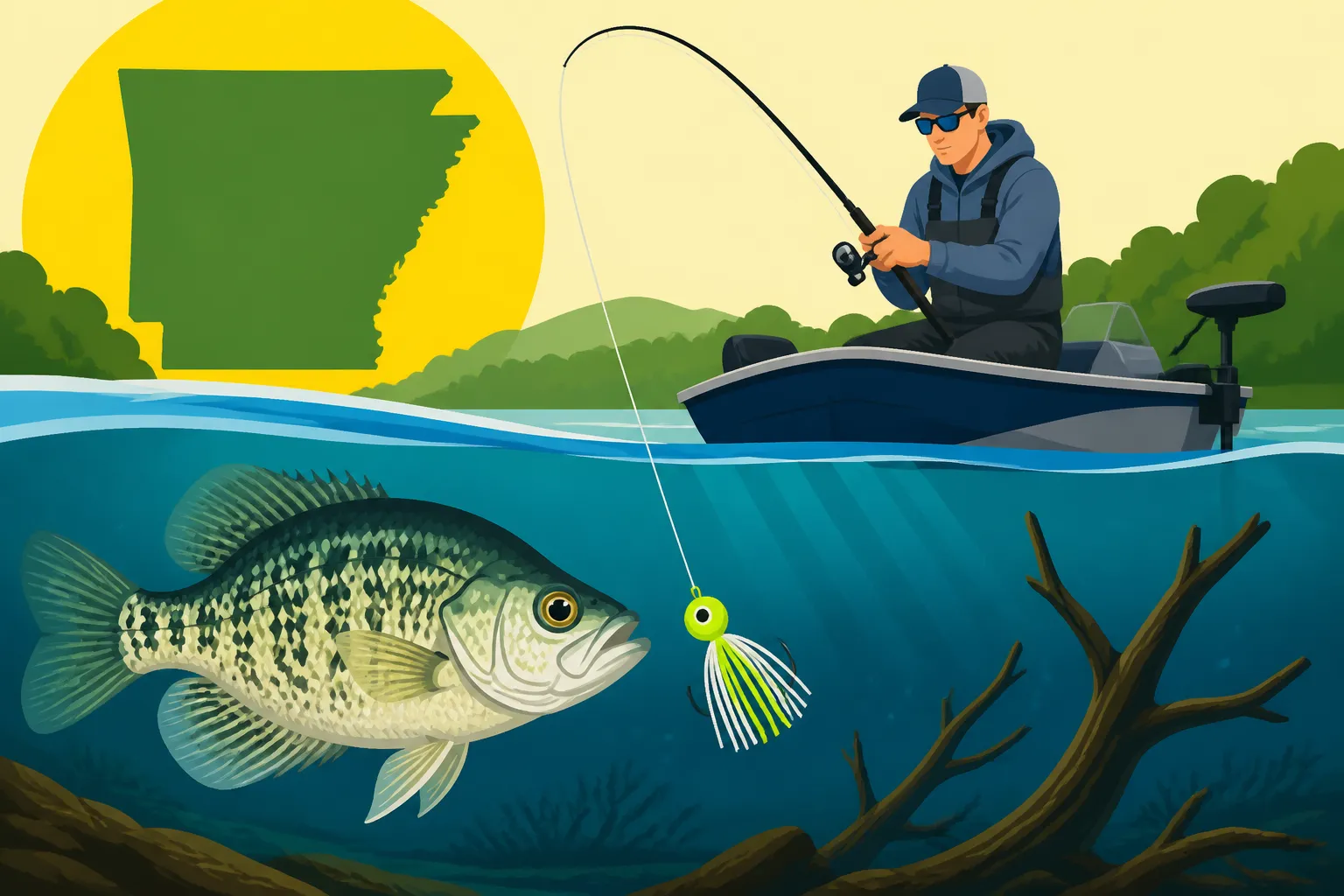
Vertical jigging is perhaps the most fundamental and effective method for crappie, especially when they're holding tight to cover like submerged timber, brush piles, or bridge pilings. This technique excels when you've located a specific hotspot, often with the aid of your fish finder.
The basic idea is to position your boat directly over the structure or school of fish you've identified. Drop your jig straight down to the depth where the crappie are holding. Once it reaches that depth (or just above the top of the cover), begin your retrieve. The action of a vertical jig isn't a continuous reel. Instead, it's a series of gentle lifts and drops, or "jigs." Think of it as gently lifting your rod tip a few inches, then slowly lowering it back down, letting the jig fall naturally on a semi-slack line. Most bites will occur on the fall, so pay close attention to your line for any twitches or unusual slack. A slight 'thump' or sudden increase in line tension often indicates a bite.
When fishing heavy cover, be prepared to lose some jigs to snags. It's part of the game! Using a weedless jig head (designed to reduce snagging) can help, but sometimes you just have to accept the losses for the reward of catching crappie from their hiding spots. Consider trying this technique around the many sunken timber features you'll find in lakes like Lake Monticello or the White River National Wildlife Refuge. This method is incredibly effective for How to Find Crappie in Deep Water during the summer and winter months.
Casting and Retrieving Jigs
While vertical jigging is great for precise targeting, casting and retrieving allows you to cover more water, especially when crappie are scattered or holding around the edges of cover. This is a fantastic technique for fishing flats, drop-offs, or shorelines.
Once you cast your jig, allow it to sink to the desired depth. The count-down method (counting seconds as your jig falls) can help you consistently reach the right depth. Once it's at the approximate depth, begin your retrieve. Unlike bass fishing, where you might aggressively twitch and reel, crappie jigging often requires a more subtle approach. A slow, steady retrieve with occasional pauses and gentle twitches of the rod tip is often most effective. You're trying to imitate a swimming baitfish that's either casually cruising or slightly injured.
Experiment with your retrieve speed and action. Some days, a continuous slow roll is all it takes. Other days, a stop-and-go retrieve with longer pauses will trigger bites. Pay attention to when and where you get bites, and try to replicate that successful retrieve. If you're fishing along a drop-off, try casting parallel to the break and slowly reeling your jig along the contour. This can be especially productive during the pre-spawn and fall periods when crappie are actively foraging.
Tipping Jigs with Live Bait or Attractants
Sometimes, crappie need a little extra incentive to commit to a bite. That's where tipping your jigs comes in. While a bare jig can be effective, adding a small piece of live bait or a scent attractant can often make the difference, especially when fish are finicky or the bite is tough.
Live Bait: The most common live bait for tipping crappie jigs are small minnows or pieces of nightcrawler. A tiny minnow hooked lightly through the lips or dorsal fin adds natural scent, movement, and an irresistible meal for crappie. The key is to use a small enough piece of bait that it doesn't overpower the action of your jig. Just a small piece of nightcrawler or a single grub is usually plenty. This combination, known as "jigging with live bait," often leads to more confident bites and can be a game-changer when crappie are being particularly stubborn. You can find more detail on this in our guide to Best Live Bait for Crappie Fishing.
Scent Attractants: If live bait isn't an option or you prefer to fish with just artificials, scent attractants can provide that crucial extra appeal. These often come in gel, spray, or paste forms and are applied directly to your soft plastic jig body. They release a fish-attracting odor that can mask human scent and encourage crappie to hold onto the jig longer, giving you more time to set the hook. Brands like Berkley PowerBait or Pro-Cure offer a variety of crappie-specific scents. You can find these attractants readily available on Amazon or at your local tackle shop. Experiment with different flavors, such as shad, garlic, or "crawfish," to see what the crappie in your area prefer.
Reading the Water and Finding Crappie Hotspots
Even with the best gear and techniques, you won't catch fish if you're not fishing where they live. Learning to "read the water" and identify potential crappie hotspots is an acquired skill, but one that drastically improves your catch rate. It's about understanding what crappie look for in their environment and knowing how to find those features.
Identifying Crappie Cover and Structure
Crappie are ambush predators and feel safest when they're around some form of cover or structure. This provides them with protection from larger predators and a place to hide while waiting for baitfish to swim by.
Cover refers to objects within the water column, such as:
- Brush Piles: Often man-made by anglers or naturally formed from fallen trees. These are crappie magnets, especially when submerged.
- Standing Timber: Old, dead trees left standing in impounded lakes are excellent vertical cover. Crappie will suspend at various depths within the branches.
- Docks and Piers: The shade and pilings of docks offer both cover and a food source (algae, insects) for crappie and their prey.
- Vegetation: Lily pads, hydrilla, and cattails provide excellent cover, particularly in shallower waters during the spawn.
Structure refers to changes in the bottom contour of the lake or river:
- Creek Channels: Old riverbeds or stream channels that now run through a reservoir. Crappie often use these as highways for migration and will hold on the channel edges.
- Humps and Points: Underwater hills or fingers of land extending into the lake. Crappie will stage on these, especially if they have nearby cover.
- Drop-offs/Ledges: Areas where the bottom suddenly gets deeper. Crappie often relate to these breaks.
- Bridge Pilings and Riprap: Man-made structures that provide both cover and current breaks.
When you're out on the water, actively look for these features. Use your fish finder to locate submerged brush or timber, and keep an eye out for visible signs of cover. Remember, crappie are often found in "clumps"—where you find one, there are likely more. Many of Arkansas's top crappie lakes like Lake Ouachita or DeGray Lake are loaded with this kind of excellent crappie structure. For more specific local insights, check out Crappie Fishing Tips for Arkansas Timber Lakes.
Understanding Water Depth and Temperature
Water depth and temperature are two of the most critical factors influencing crappie location. As mentioned in the seasonal movements section, crappie are constantly seeking their preferred temperature zone and will move vertically and horizontally to find it.
Temperature: Crappie are cold-blooded, so their metabolism and activity levels are directly tied to water temperature. Their optimal feeding range is generally between 60-75 degrees Fahrenheit.
- In colder months (winter), they'll often be found in deeper, more stable water, sometimes suspending near the bottom or in the deepest parts of creek channels where the water is slightly warmer. How to Catch Crappie in Cold Water requires a slower presentation.
- In warmer months (summer), they'll seek out deeper, cooler water, often suspending higher in the water column over deep structure or in shaded areas.
- During spring and fall, they'll be more spread out, often shallower, as they follow comfortable temperatures.
Depth: Crappie can be found anywhere from a few inches of water during the spawn to 30+ feet in the dead of winter or summer.
- Always start your search around likely cover at the depth appropriate for the current season and water temperature.
- If you're marking fish on your electronics, that's your starting depth. If not, try different depths systematically until you find them. A good rule of thumb is to start shallow and work your way deeper, or vice-versa, focusing on transition zones.
Utilizing Maps and Local Knowledge
You don't have to guess where the hotspots are. Modern technology and old-fashioned wisdom can give you a huge advantage.
Lake Maps/Navionics: High-definition lake maps, often available through apps like Navionics or built into your fish finder, are incredibly powerful tools. They show you bottom contours, old creek channels, humps, and even submerged roads or foundations. Before you even launch your boat, you can study these maps to identify promising areas. Look for sharp drop-offs, areas where old creek channels intersect with a major flat, or sections with a lot of contour changes. Many anglers pre-mark potential brush piles and fishing spots on these maps, saving valuable time on the water.
Local Knowledge: There's no substitute for talking to local anglers. Visit bait shops, launch ramps, or online forums dedicated to Arkansas fishing. These resources can provide invaluable, up-to-the-minute information on what's biting, what depths they're at, and even specific areas that have been productive. While not everyone will give up their secret honey hole, most anglers are happy to share general tips and patterns. Consider hiring a local guide if you're new to an area; they can jumpstart your learning curve significantly. Also, information on specific lakes, like Lake Monticello Crappie Limit Rules or Lake Cargile Crappie Limit Rules, often comes from local experts and regulations.
Common Beginner Mistakes and How to Avoid Them
We've all been there—making mistakes is part of the learning process! But by being aware of common crappie jigging pitfalls, you can accelerate your learning curve and spend more time catching fish and less time frustrated. Even seasoned anglers sometimes fall back into these habits, so a little self-correction goes a long way.
Jig Size, Color, and Presentation Errors
One of the most frequent mistakes beginners make is not matching their jig to the conditions or crappie mood.
Incorrect Jig Size: Using a jig that's too large can intimidate crappie, especially if they're feeding on tiny baitfish or feeling sluggish. Conversely, a jig that's too small might not be noticed or might not sink fast enough to reach deeper fish. Remember, 1/16 oz is a great starting point, but don't be afraid to go down to 1/32 oz for finicky fish or up to 1/8 oz for deeper water or wind. If you're not getting bites, try changing your jig head size first.
Wrong Color Choice: While there's no magic color, sticking to only one or two colors can limit your success. As discussed, water clarity and light conditions play a huge role. If your favorite chartreuse jig isn't working, switch to white, then black/blue, then a natural smoke color. Sometimes, a subtle change is all it takes. Always carry a variety of colors to adapt to the day's conditions.
Improper Presentation: This is a big one. Crappie often prefer a slow, subtle presentation. Many beginners fish their jigs too fast or too aggressively.
- Too Fast: If you're reeling too quickly, crappie might not have time to react or strike. Slow down your retrieve.
- Too Aggressive: Jerking your rod tip too hard or making erratic movements can spook crappie. Opt for gentle lifts, subtle twitches, and controlled falls. Remember that most bites happen on the fall, so let your jig do its work as it sinks.
If you're struggling to get bites, consider simplifying your presentation, slowing everything down, and experimenting with a more natural, subtle action.
Line Management and Hookset Issues
These are often overlooked but crucial aspects of successful crappie jigging. Poor line management can lead to tangles and missed bites, while an improper hookset means lost fish.
Slack Line Trouble: While crappie bites often occur on the fall (when there's some slack in the line), too much slack is problematic. It makes it incredibly difficult to detect those subtle bites, as the line won't telegraph the "thump" or "tick" as effectively. It also hinders a quick, firm hookset. Try to maintain just enough tension in your line to feel the jig without impeding its natural fall. If you're vertical jigging, keep a slight arc in your line, watching it closely for any sudden movement.
Weak or Delayed Hooksets: Crappie have relatively soft mouths, so you don't need a bone-jarring hookset like you would for a bass. However, you do need to be quick and firm. Many beginners hesitate or set the hook too softly.
- The "Tick" and the "Thump": As soon as you feel that light "tick" or a subtle "thump" on your line, or if your line suddenly goes slack (meaning a fish picked it up on the fall), set the hook!
- Sweep Set: Instead of a violent jerk, often a quick, upward sweep of the rod tip is enough. This ensures the hook penetrates without tearing the crappie's mouth.
- No Hookset: Sometimes, just starting to reel is enough to put pressure on the hook, especially if the crappie has already swallowed the jig.
Practicing your hooksets, even in your backyard with a practice plug, can build muscle memory. Don't be discouraged by missed fish; it happens to everyone. Learn from each one.
Patience and Persistence
Perhaps the biggest "mistake" a beginner can make is losing patience too quickly. Crappie fishing, especially jigging, is often a game of persistence.
Moving Too Much: It's tempting to move to a new spot if you're not getting bites within a few minutes. While it's good to avoid unproductive water, crappie schools can take time to locate or become active. If you've identified a promising piece of structure, give it a good 15-30 minutes, trying different depths, jig colors, and presentations, before moving on. Sometimes, a slight change in retrieve or a different colored jig can activate an entire school.
Lack of Confidence: Believe in your lure and your technique! If you're constantly second-guessing your setup, it can lead to inconsistent retrieves and a lack of focus. Start with a tried-and-true setup (like a 1/16 oz chartreuse grub) and gain confidence as you get bites. As you learn more about Arkansas Crappie Fishing Season Guide and other patterns, your confidence will grow.
Ignoring Subtle Cues: Crappie bites are often incredibly subtle. A slight twitch of the line, a feeling of "mushiness" on the retrieve, or even just your line stopping before it should reach the bottom are all potential bites. Don't ignore these subtle cues. If something feels different, set the hook! It's much better to set the hook on a snag than to miss a trophy crappie. The more you fish, the more attuned you'll become to these faint signals.
Stick with it, observe, adapt, and most importantly, enjoy the process!
Disclaimer
Please note that fishing regulations, including license requirements, size limits, and daily creel limits, can change. Always consult the latest official regulations published by the Arkansas Game and Fish Commission before heading out on the water. This guide is for informational purposes only and does not supersede state fishing laws.