Guided Fishing Spots on the White River Near Cotter
Trying to figure out where to go fishing on the vast and legendary White River can feel overwhelming, especially when you're looking to maximize your chances with a local guide. It's easy to get lost in the sheer number of access points and guide services. This comprehensive guide will cut through that confusion, focusing on the prime guided fishing spots near Cotter, Arkansas, and helping you plan an unforgettable angling adventure.
Why Cotter is a Prime Hub for White River Guided Trips
Cotter, Arkansas, nestled right on the banks of the White River, isn't just a pretty town; it's a genuine epicenter for world-class trout fishing. Anglers from all over the globe flock here, and for good reason. The town's strategic location, combined with a rich history of guiding, makes it an ideal launching point for anyone looking to experience the White River with an expert at the helm. It’s not just about getting on the water; it’s about accessing the best parts of the water with someone who knows its secrets.
The Historical Significance of Cotter's White River Access
The White River's reputation as a trophy trout fishery truly blossomed after the construction of the Bull Shoals Dam in the 1950s. This dam created the cold, oxygen-rich waters that trout thrive in, transforming the river into a premier destination. Cotter, with its iconic high bridge spanning the river, naturally became a central point for guides and anglers. Generations of guides have learned these waters, passing down invaluable knowledge that you can tap into. When you're standing on the banks near the famous Cotter Bridge, you're not just casting a line; you're participating in a legacy of passionate anglers. This deep history means the infrastructure for guided trips is well-established, making it incredibly convenient for visitors. You'll find everything from bait shops to lodging, all catering to the fishing crowd.
Unique Advantages of Launching from Cotter
Choosing Cotter as your base of operations for a guided trip offers several distinct advantages. Firstly, its central location on the lower section of the White River means guides can easily access both upstream stretches toward Bull Shoals Dam and downstream areas with diverse fishing opportunities. This flexibility is key, especially when water levels and generation schedules from the dam dictate where the fish might be biting best on any given day. A skilled guide from Cotter understands these dynamics intimately and can quickly adapt your trip to put you in the prime spots. Secondly, the variety of lodging and dining options available in Cotter and nearby communities like Flippin or Mountain Home means you can tailor your stay to your preferences and budget. Lastly, the community itself is steeped in fishing culture. You're surrounded by people who live and breathe trout, from the friendly faces at the local gas station to fellow anglers swapping stories after a day on the water. This authentic atmosphere adds a special touch to any guided trip. Many guides will pick you up right from your lodging or a convenient public ramp in town.
Key Guided Fishing Spots on the White River Near Cotter
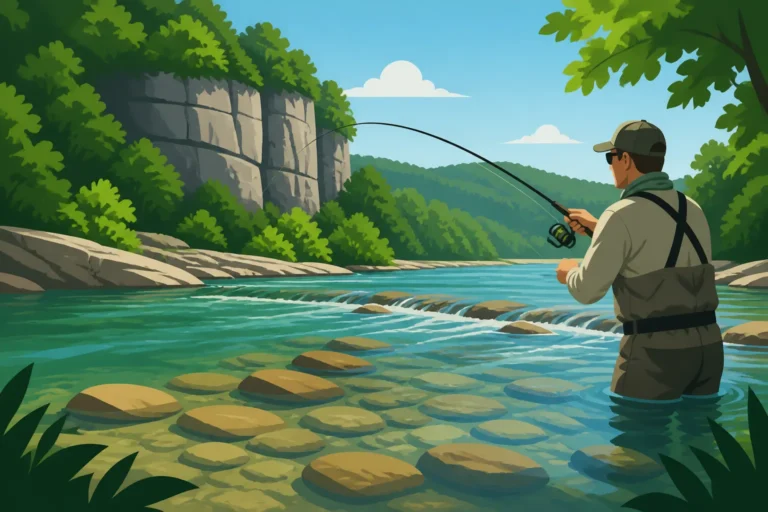
The White River around Cotter offers a spectacular variety of fishing environments, from deep, slow pools to faster-moving shoals. Each section holds its own appeal and challenges, and a good guide will know exactly how to approach them, whether you're after rainbow trout, brown trout, or even the occasional cutthroat or brook trout. The beauty of a guided trip is having someone interpret the water for you, revealing nuances that might take years to learn on your own.
The Famous Cotter Trout Dock Area
Right in the heart of Cotter, the area around the Cotter Trout Dock is one of the most popular and productive stretches of the White River. This section is known for its consistent trout populations, especially rainbow trout, which are regularly stocked here. You'll find a mix of slower, deeper water perfect for drifting bait or small jigs, as well as some faster runs where spin-fishing with inline spinners or spoons can be incredibly effective. Local guides often start trips here, especially for those new to White River trout fishing, as it offers a great introduction to the river's character.
When the generators at Bull Shoals Dam are running, the current in this area can become quite strong, requiring heavier tackle or precise boat control from your guide to keep you in the strike zone. Conversely, during low water, guides might focus on the deeper holes and eddies where trout congregate. For fly anglers, this section can be productive with nymphing techniques, especially when targeting fish holding close to the bottom. Many guides who list their services on platforms like FishingBooker will mention the Cotter area specifically as a primary fishing ground. This proximity to amenities also means quick access back to shore if weather turns or you need a break.
Upstream Toward Bull Shoals Dam
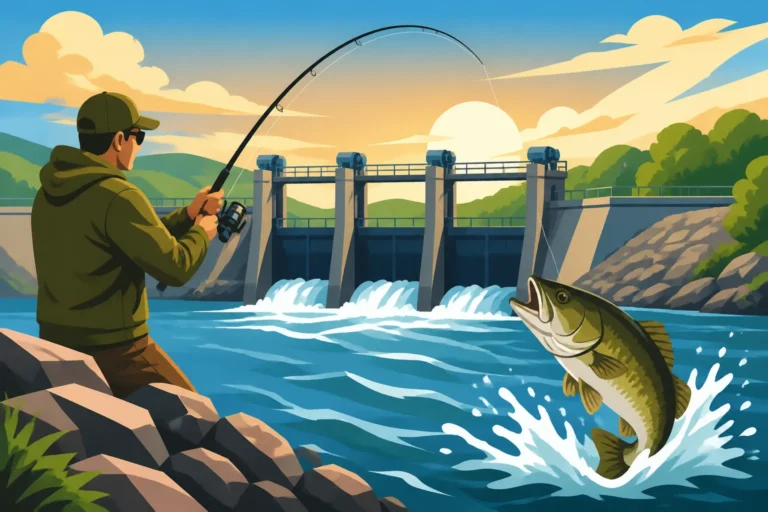
Venturing upstream from Cotter, towards the Bull Shoals Dam, opens up some of the White River's most fabled waters. This stretch is renowned for its potential to produce trophy brown trout, which grow to impressive sizes here by feeding on smaller baitfish. The water tends to be colder and more oxygenated closer to the dam, creating ideal conditions for these larger, elusive fish. Guided trips in this area often focus on targeting these behemoths, using specialized techniques like throwing large streamers on fly rods or big jerkbaits and swimbaits on spinning gear.
The White River Below Bull Shoals Dam is a world unto itself, characterized by long, deep pools and significant current fluctuations based on generation schedules. Your guide will navigate these waters with precision, knowing where to drift, where to anchor, and where the submerged structures are that hold big fish. They understand the intricacies of Trout Fishing Below Bull Shoals Dam on the White River, adapting to everything from wadeable conditions to strong flows that require expert boat handling. For anglers seeking a true challenge and the chance at a fish of a lifetime, this upstream journey from Cotter is often the goal.
Downstream Towards Buffalo City
While Cotter often marks the "middle" of the prime trout waters, many guides will also explore sections downstream, heading towards Buffalo City. This area tends to have a slightly different character, with broader stretches of river, perhaps a bit warmer water during certain times of the year, and a mix of trout and other species further down. However, the trout fishing remains excellent, particularly for numbers of rainbow trout and solid brown trout. These downstream sections might offer different holding patterns for fish, often favoring areas with slower currents or larger structural elements like downed trees or rocky banks.
Guides familiar with the downstream sections can leverage this variety, especially when primary spots near Cotter are pressured or when specific dam generation schedules make those areas less productive. For instance, if you're interested in a diverse fishing experience, your guide might combine a morning run upstream for larger trout with an afternoon drift downstream, targeting more active fish in different water types. This adaptability is a hallmark of a seasoned White River guide. The further you go downstream, you might even encounter smallmouth bass in the river's feeder creeks, though trout remain the primary target in the main stem.
Choosing the Right Guide and Trip Type in the Cotter Area
Deciding on a guided trip is a fantastic investment, but choosing the right guide and the right trip type for your specific goals can be a critical step. With so many excellent guides working out of the Cotter area, it’s about finding the perfect fit for your skill level, desired species, and overall experience. Don't be afraid to ask questions!
Understanding Trip Durations and Offerings
Most guides in the Cotter area offer both half-day and full-day trips. A half-day trip typically runs 4-5 hours, while a full-day trip is usually 7-8 hours. The choice between them often comes down to your budget, stamina, and how deeply you want to immerse yourself in the fishing experience.
| Trip Type | Duration | Typical Focus | Ideal For | Pros | Cons |
|---|---|---|---|---|---|
| Half-Day | 4-5 hours | Targeting specific species, introductory experience | Beginners, families with young children, tight schedules | More affordable, less physically demanding, good introduction | Less time on water, might miss peak bite, limited exploration |
| Full-Day | 7-8 hours | Comprehensive fishing, multiple spots/techniques | Experienced anglers, those seeking trophy fish, diverse experience | Maximizes fishing time, greater flexibility, more learning | Higher cost, can be physically demanding |
For beginners or families, a half-day trip might be perfect to get a feel for the river without getting too tired. However, if you're serious about landing a trophy brown trout or want to explore multiple sections of the river, a full-day trip offers much more flexibility and opportunity. Many guides will include all the necessary gear – rods, reels, tackle, and sometimes even flies or bait. You should always clarify What an Arkansas Guided White River Trip Includes before booking.
Fly Fishing Versus Spin Fishing Guides
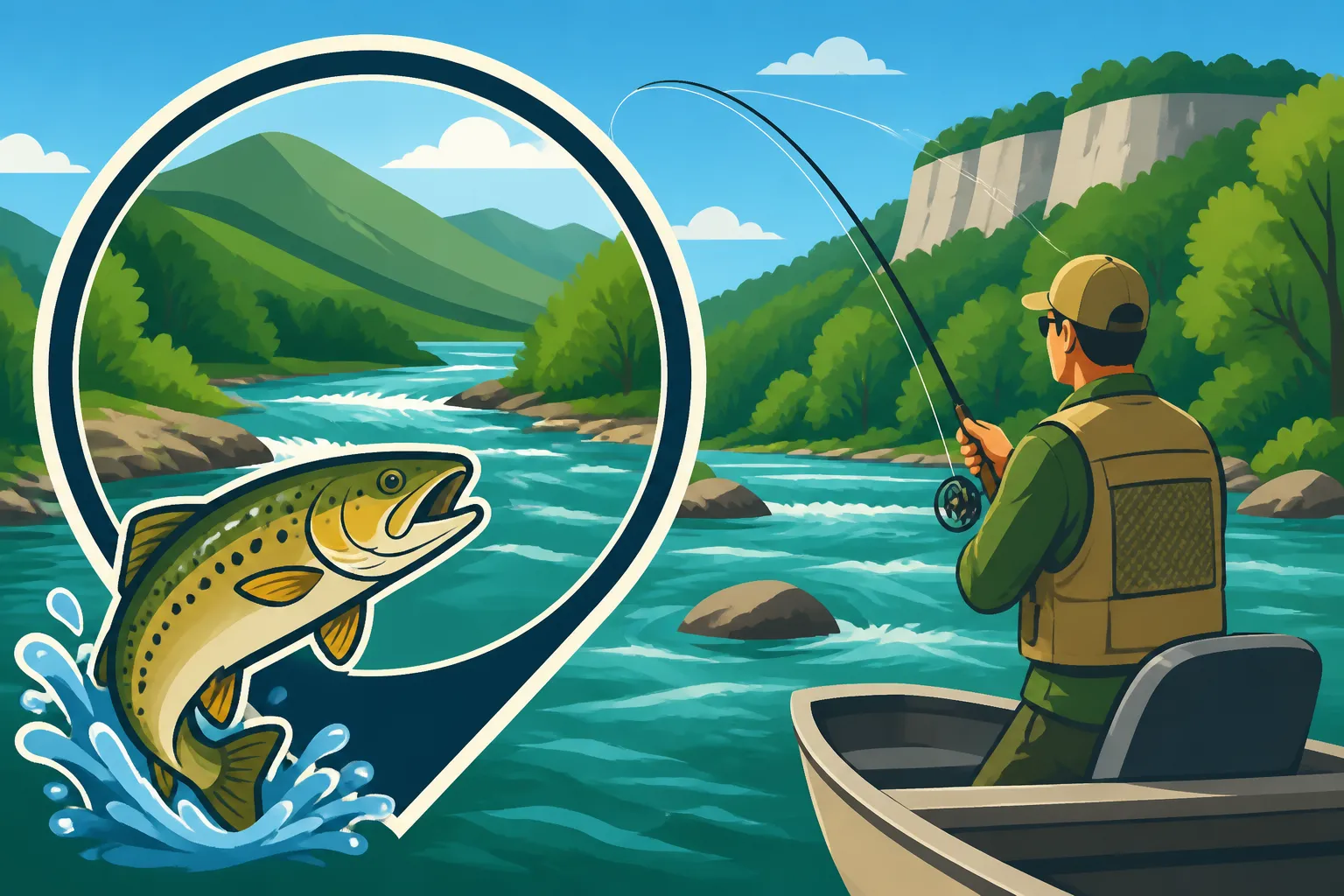
The White River is famous for both fly fishing and spin fishing for trout. Many guides specialize in one or the other, or are highly proficient in both. If you have a preference, make sure to communicate it upfront. A fly-fishing guide will be expertly familiar with various nymphing rigs, dry fly presentations, and streamer tactics, knowing exactly which patterns are working at different times of the year. They can help you refine your casting technique and "read the water" through a fly angler's lens. This is especially true for those guides specializing in Fly Fishing the White River in Northwest Arkansas, although the Cotter area is also prime.
On the other hand, a spin-fishing guide will be a master of presenting artificial lures like Rapalas, small crankbaits, spoons, or soft plastics, as well as natural baits such as corn, worms, or power bait. They’ll know how to drift these effectively in the current to tempt even the most finicky trout. If you're new to trout fishing, spin fishing can often be an easier entry point. Be clear about your interest, whether you want to try Fly-Fishing Guide Trips on the White River in Arkansas or prefer traditional spin fishing, to ensure you're matched with the best expert for your goals.
What to Look for in a Cotter Area Fishing Guide
When seeking out a guide, local knowledge is paramount. You want someone who fishes these waters day in and day out, understands the unique currents, dam generation patterns, and fish behavior. A guide with a strong reputation in the Cotter community, often someone who has been guiding for many years, is usually a solid choice. Look for guides who are patient, safety-conscious, and good communicators, especially if you're a beginner. Platforms like FishingBooker are a great starting point for researching and comparing guides, as they often include reviews, detailed profiles, and contact information.
Don't hesitate to ask prospective guides about their experience, their typical approach to fishing the White River, and what species they primarily target. It’s also wise to inquire about their boat, safety equipment, and what you should bring. A good guide will openly answer all your questions and help you feel confident and prepared for your trip.
Preparing for Your Guided White River Trip from Cotter
A successful guided trip isn't just about what happens on the water; it's also about how well you prepare beforehand. Taking a few proactive steps can make a huge difference in your comfort, enjoyment, and overall success. From understanding license requirements to knowing what to pack, being ready means you can focus entirely on the fishing.
Essential Gear and Personal Items
While your guide will typically provide rods, reels, and tackle, there are several personal items you'll want to bring to ensure a comfortable day on the White River. Layered clothing is crucial, as temperatures can change rapidly, especially on the water. Even on a warm day, the cold river water can create a chill. Think moisture-wicking base layers, a fleece or wool mid-layer, and a waterproof outer shell.
- Sun Protection: Sunglasses (polarized are highly recommended for spotting fish and protecting your eyes), a wide-brimmed hat, and sunscreen are non-negotiable. The sun reflecting off the water can be intense.
- Footwear: Wear comfortable, waterproof shoes or boots that can get wet. Wading boots or sturdy water shoes are ideal if you plan to do any wade fishing.
- Food and Drink: Most guides do not provide meals, so pack plenty of water, snacks, and perhaps a packed lunch for full-day trips. Check with your guide beforehand to confirm.
- Camera: To capture those unforgettable moments, whether it's a trophy fish or the stunning scenery of the Ozarks.
- Small backpack: To keep your personal items organized and easily accessible.
- Rain Gear: Even if the forecast looks clear, a light rain jacket and pants can save the day if an unexpected shower rolls in. Think about What to Wear on a White River Guide Trip in Arkansas and layer up!
Fishing License and Trout Permit Requirements
This is absolutely critical: you must have a valid Arkansas fishing license and a trout permit before you step foot in the boat or cast a line. Your guide cannot provide these for you, and getting caught without them can result in hefty fines. It's a common frustration for anglers who forget this detail, so double-check well in advance. You can purchase these online through the Arkansas Game and Fish Commission website, at most sporting goods stores, or at many local bait and tackle shops in the Cotter area.
For a comprehensive breakdown, refer to our guide on Arkansas Fishing License Rules and Costs. Specifically, if you plan to fish for trout, you'll need the additional Arkansas Trout Permit Rules. Make sure you have both in hand, whether it's a physical copy or easily accessible on your phone, before your trip begins. This applies to everyone in your group, regardless of age, unless they fall under specific exemptions like very young children or during the annual Arkansas Free Fishing Weekend Guide.
Understanding River Conditions and Etiquette
The White River's conditions are heavily influenced by the generation schedules of the Bull Shoals Dam. Water levels can rise or fall several feet in a matter of hours. Your guide will monitor these conditions closely and plan your trip accordingly, but it's good to be aware that the river is dynamic. Flexibility is key!
When fishing with a guide, a few points of etiquette will ensure a smooth and enjoyable trip:
- Listen to your guide: They are the experts on these waters and their advice is invaluable. Pay attention to their instructions on casting, bait presentation, and handling fish.
- Communicate: If you need a break, feel unwell, or have a question, speak up.
- Be Patient: Fishing can sometimes be slow, even in prime spots. Enjoy the scenery and the experience.
- Respect the resource: Practice catch-and-release, especially for larger brown trout, to help preserve the fishery. Your guide will instruct you on proper fish handling.
- Consider Tipping: It's customary to tip your fishing guide, especially if they've provided an excellent experience. A general guideline is 15-20% of the trip cost, depending on your satisfaction.
By understanding these dynamics and preparing adequately, you’re setting yourself up for an incredible day of guided fishing on the magnificent White River near Cotter.
Disclaimer
Please remember that fishing regulations, license costs, and dam generation schedules can change. Always check the official Arkansas Game and Fish Commission website for the most current rules and information before planning your trip. The information provided here is for general guidance only.