Wade Fishing Spots on the White River Below the Dam
There's a special kind of satisfaction that comes from wading into a crystal-clear river, feeling the cool current against your legs, and casting your line into prime trout habitat. For many anglers, it’s the purest form of fishing, offering an intimate connection with the water and the incredible fish that call it home. But if you’re looking to experience the magic of wade fishing on Arkansas's famous White River, especially below Bull Shoals Dam, knowing where to safely and effectively put in can be a real challenge. This guide will meticulously walk you through the best spots and crucial considerations for wade fishing this legendary trout stream.
Understanding the White River's Unique Tailwater Environment for Wade Fishing
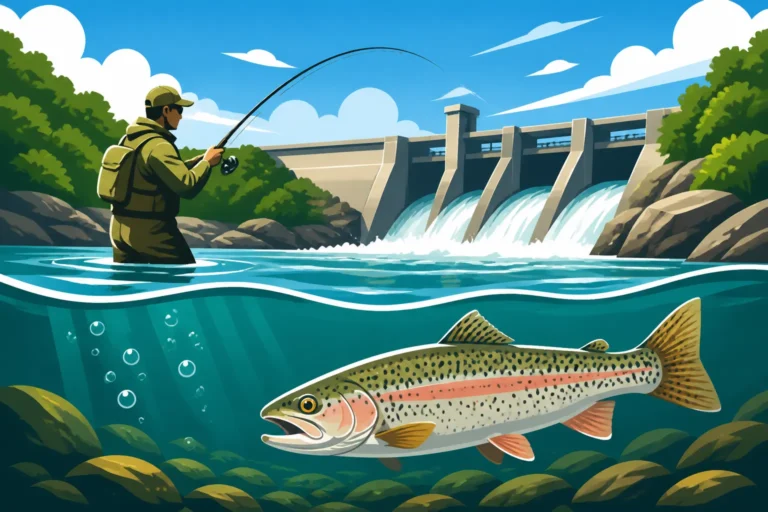
The White River below Bull Shoals Dam is not just any river; it’s a tailwater fishery, a unique ecosystem created by the dam's controlled releases. This specific characteristic is both its greatest asset for trout fishing and its biggest challenge for wade anglers. The constant flow of cold, oxygen-rich water from the dam's depths creates an ideal, year-round trout habitat, but those very same water releases can quickly turn a calm, wadeable stretch into a raging torrent.
Why the Tailwater is Perfect for Wading
Imagine stepping into water that stays a consistent, trout-friendly temperature all year, even when the air above is scorching hot or bitterly cold. That's the beauty of the White River tailwater. The water released from the bottom of Bull Shoals Lake maintains a steady cool temperature, usually in the 50s, which is perfect for supporting a thriving population of rainbow and brown trout. This consistent cold water also means a reliable source of oxygen, making the trout active and hungry. For wade anglers, this translates into opportunities to target healthy, hard-fighting fish in relatively stable conditions – when the generation schedule permits.
Furthermore, the tailwater environment is rich with aquatic insects and baitfish, providing an abundant food source that allows trout to grow large and robust. From tiny midges and caddisflies to sculpins and shad, there’s always something on the menu, and understanding these food sources is key to successful fishing. This is why many anglers feel a deep connection to the river when they wade, as they're literally stepping into the trout's world and trying to match the hatch or present a lure in the most natural way possible.
Challenges and Safety Considerations for Wade Anglers
While the White River offers incredible wade fishing, it demands respect. The most critical factor is the water release schedule from the Bull Shoals Dam. The Army Corps of Engineers controls these releases, and what might be a shallow, easy-to-wade riffle one moment can become chest-deep, swiftly moving water in a matter of minutes. Ignoring the generation schedule is not just risky; it can be incredibly dangerous. Always check the schedule before you go, and even then, remain vigilant for rising water levels or changes in current. Many seasoned anglers use resources like the Southwestern Power Administration (SWPA) or the Army Corps of Engineers' websites, or even local guide services, to get the most up-to-date information.
Beyond water levels, the river bottom itself presents challenges. It's often rocky, covered in slick algae, and can be uneven. Sturdy wading boots with good grip are non-negotiable, and a reliable wading staff can be a literal lifesaver for maintaining balance. Hypothermia is another concern, even on warm days, if you’re immersed in cold water for extended periods without proper insulation. Wearing a personal flotation device (PFD) is also a smart move, especially in areas with faster currents or deeper pools, even if you’re a strong swimmer. The White River flows through some truly wild country, and safety should always be your top priority.
Key Wade Fishing Zones Below Bull Shoals Dam
The White River stretches for miles below Bull Shoals Dam, offering a variety of access points and water types for wade anglers. While guides often navigate boats to specific honey holes, many fantastic spots are accessible from the bank, allowing you to walk into the prime trout territory.
The Immediate Downstream Areas Bull Shoals State Park Access
The very first few miles below the dam are arguably the most popular and productive for wade fishing, thanks to abundant public access and a consistent flow of trout. The Bull Shoals State Park area is a prime example. You’ll find several designated access points here, often with ample parking, making it a convenient choice for many anglers.
Once you’re geared up, you can typically wade into expansive shallow riffles that drop off into deeper runs and pools. These areas are fantastic for targeting actively feeding trout. One popular spot is the area around the "Wildcat Shoals," which offers a mix of faster currents and quieter pockets. You’ll often find anglers spread out here, drifting nymphs, stripping streamers, or casting small spinners. It's a place where you can spend hours exploring different depths and current seams. Remember, even with good access, these spots can get busy, especially on weekends or during peak season, so always be mindful of other anglers. For those seeking a deeper dive into the specific rules for keeping trout in this area, you'll want to review the information on Bull Shoals Tailwater Trout Rules in Arkansas.
Mid-River Access Points Cotter and Gaston's Area
As you move further downstream from Bull Shoals, toward towns like Cotter, the river changes character slightly. The currents might mellow out a bit in some areas, and the river often widens. This offers different kinds of wade fishing opportunities, sometimes with a bit more solitude than the immediate dam area.
Cotter, often called the "Trout Capital of Arkansas," provides excellent public access points. The area around the historic Cotter Bridge is renowned. You can find parking and relatively easy access to stretches of river that feature long, sweeping runs and gravel bars. These mid-river sections are often less impacted by sudden water fluctuations than those right below the dam, though you still need to check the generation schedule. This area is particularly productive for fly fishing, with many anglers successfully drifting nymphs or swinging streamers. Many local fishing guides also operate out of Cotter, and checking out a resource like FishingBooker could give you an idea of the various guide services available in this trout-rich region, or even help you find a White River Fishing Guides: Arkansas's Trout Fishing Capital to show you some less-known wade-in spots. Gaston's White River Resort, a prominent establishment, also offers private river access for its guests, often providing excellent, relatively uncrowded wading opportunities.
Lower Wading Opportunities Further Downstream
Venturing even further downstream, away from the main towns, can lead to more remote and less crowded wade fishing experiences. These spots often require a bit more effort to reach, perhaps involving a longer walk along the bank or finding less obvious public easements. Areas around Big Creek or closer to the optimistically named "Angler’s Paradise" can offer these opportunities.
Here, the river might spread out more, with wider shoals and slower pools, interspersed with faster runs. These areas can be fantastic for targeting larger, more elusive brown trout, as they often prefer the solitude and cover found in these less pressured stretches. However, access might be less defined, and you'll need to be more aware of private property boundaries. Always look for public access points marked by the Arkansas Game and Fish Commission (AGFC) or Corps of Engineers. This deeper exploration is often rewarded with an incredible sense of wilderness and the chance at a truly memorable catch.
Essential Gear and Techniques for Successful White River Wade Fishing
Wade fishing the White River requires more than just a rod and reel; it demands specific gear and an understanding of techniques tailored to this unique environment. Being properly equipped isn't just about comfort; it's about safety and success.
Must-Have Wading Gear
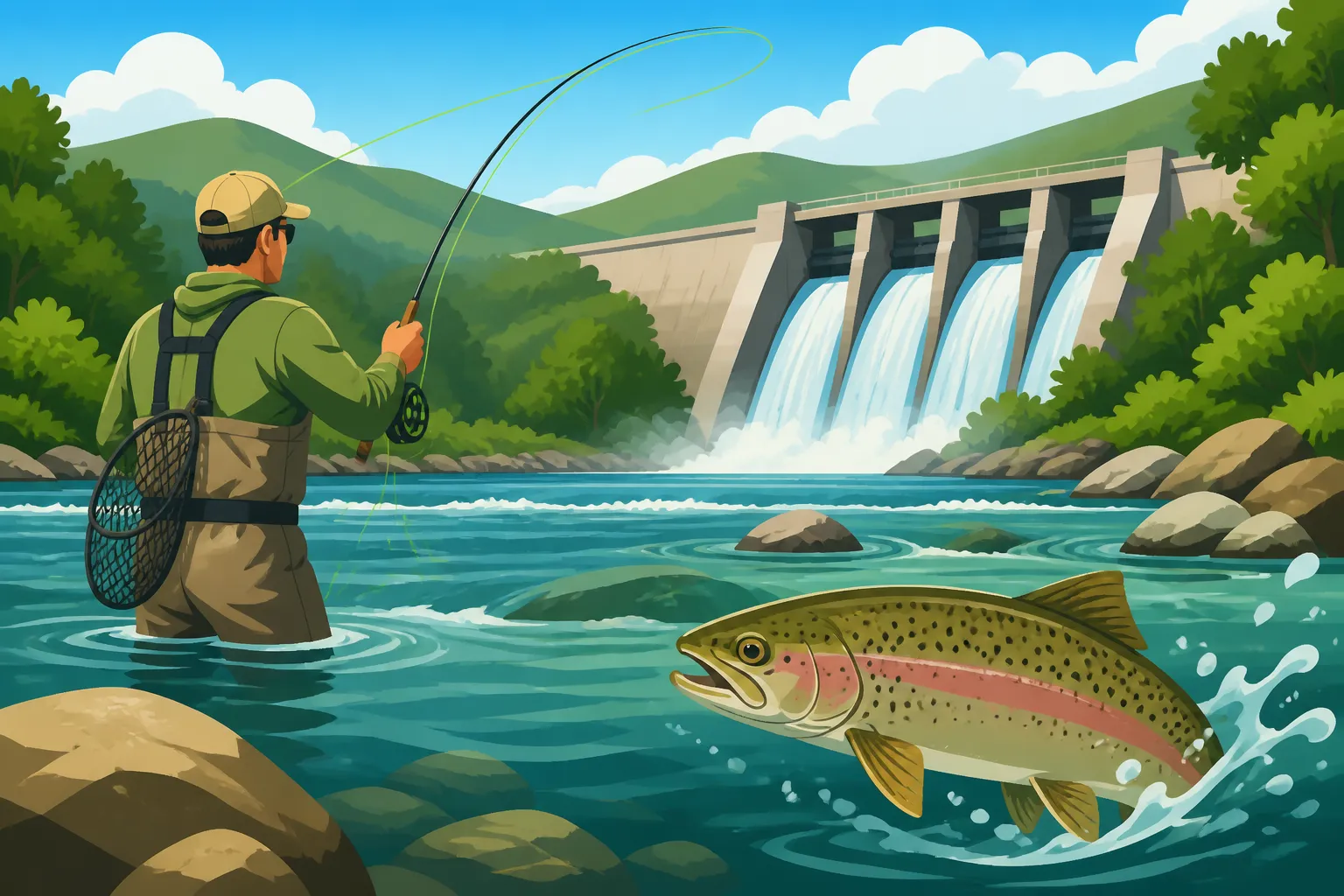
First and foremost, a good pair of chest waders is absolutely essential. The White River's cold temperatures mean you can't just jump in with shorts and sandals, even in summer. Neoprene waders offer excellent insulation in colder months, while breathable waders are more comfortable for warmer weather or longer walks to your spot, layered with appropriate thermals underneath. Next, your wading boots are critical. They need to provide excellent ankle support and outstanding grip on slippery, moss-covered rocks. Felt soles are traditionally popular, but many modern rubber-soled boots with aggressive tread or added studs offer superior traction and are often preferred as they prevent the spread of invasive species.
A wading staff is a non-negotiable safety item. This collapsible pole provides a crucial third point of contact, helping you maintain balance and test depth before stepping. It can prevent a nasty fall or help you recover if you stumble. Finally, a personal flotation device (PFD), or fishing vest with integrated flotation, is a smart choice, especially when navigating unfamiliar waters or higher flows. It's a small inconvenience that could save your life if you unexpectedly take a tumble in a strong current.
Tackle and Fly Selection for Wade Fishing
When it comes to tackle, your setup will depend on your preferred method. For spin fishing, a light to medium-light action rod, around 6 to 7 feet, paired with a small spinning reel spooled with 4-6 lb test fluorocarbon or monofilament line, is ideal. Popular lures include small inline spinners (like Panther Martins or Mepps), tiny spoons (such as Kastmasters or Little Cleos), and micro jigs or small crankbaits. Natural baits like PowerBait, corn, or small worms fished under a bobber or on the bottom can also be highly effective, especially for rainbow trout.
For fly fishing, a 5- or 6-weight rod, 9 to 10 feet long, is a versatile choice for the White River. You’ll want a weight-forward floating line for most nymphing and dry fly situations, and perhaps a sink-tip line for stripping streamers in deeper water. The White River is famous for its prolific insect hatches, so a variety of nymphs (Pheasant Tails, Hare’s Ears, prince nymphs, zebra midges in various sizes) are essential. When fishing under an indicator, try to match the size and color of the local insects. Streamers (Woolly Buggers, Sculpzillas, Sex Dungeons) are incredibly effective for targeting larger brown trout, especially when fished aggressively. And don't forget dry flies for those rare, magical moments when trout are rising to the surface, such as caddis or sulphurs. Considering the specific regulations, it's worth knowing Do you need a trout permit to keep trout in Arkansas?, as this impacts your overall setup and intent for the day.
Navigating Water Releases and River Conditions
Successfully and safely wade fishing the White River truly hinges on understanding and respecting its dynamic nature, primarily driven by the dam's operations. This isn't a passive river; it's an actively managed waterway.
Checking Generation Schedules
This cannot be stressed enough: always check the generation schedule before you even leave your lodging. The Army Corps of Engineers manages Bull Shoals Dam, and they publish daily (and sometimes hourly) generation schedules. You can usually find this information on the Southwestern Power Administration (SWPA) website or through the Army Corps of Engineers' regional sites. Many local guide services and fly shops also post this information or offer insights into current conditions.
Understanding the schedule is paramount. "Generation" means the dam is releasing water through its turbines to generate electricity, which drastically increases water levels and current speed. When the river is generating, wade fishing in many areas becomes impossible and extremely dangerous. Look for periods of "no generation" or "minimal generation" (often called "minimum flow") as your prime window for safe wading. Even then, be aware that conditions can change, and water levels can rise unexpectedly, so constantly monitor the river as you fish.
Reading the Water for Safe Wading
Once you’re on the river, the art of "reading the water" becomes critical for both safety and finding fish. When the water is low and clear, you can often see the bottom, which helps you identify safe crossing points and potential hazards like drop-offs. Look for seams where faster current meets slower water – these are prime holding spots for trout as they wait for food to drift by. Observe the current speed; if it's pushing too hard against your legs, it might be safer to find a different spot or stick closer to the bank.
Identifying obstacles like submerged rocks, fallen logs, or deep holes is also crucial. This is where your wading staff comes in handy, allowing you to probe the bottom ahead of you before taking a step. Always try to wade across currents at an angle, letting the water pressure stabilize you, rather than attempting to cross directly upstream or downstream. Pay attention to "boils" or strange currents that might indicate deeper, more powerful flows below the surface. These are signals to proceed with extreme caution or avoid the area altogether. By consistently checking the generation schedule and honing your ability to read the water, you'll not only stay safe but also significantly increase your chances of finding fish. For general information on Arkansas Fishing License Rules and Costs, especially if you're coming from out-of-state and need to understand Arkansas Fishing License Requirements for Out-of-State Anglers, it's always wise to be prepared.
Etiquette and Conservation for Wade Anglers
The White River is a shared resource, and preserving its incredible fishery for future generations is a responsibility we all carry. Practicing proper etiquette and conservation methods ensures that everyone can enjoy this beautiful river.
Respecting Fellow Anglers and Property Owners
The White River is a popular destination, and you’re bound to encounter other anglers, especially in accessible wade fishing spots. A simple nod or polite greeting goes a long way. When choosing your spot, try to give other anglers ample space. "High-holing" (wading in upstream of someone who is already fishing a stretch) or "cutting off" (wading in directly in front of someone) is generally considered poor etiquette and can disrupt their fishing. If someone is working a run, give them room and wait your turn, or find another open spot.
Many stretches of the White River flow through private land, even if you’re accessing from a public point. Always be mindful of private property boundaries and avoid trespassing. Look for signs, fences, or other indicators. If you’re unsure, it’s always best to err on the side of caution and find clearly designated public access. Leave no trace behind – pack out all trash, including discarded fishing line and bait containers. We all want to experience the White River's natural beauty, and keeping it pristine is a community effort.
Practicing Catch and Release
While there are specific Arkansas Fish Size and Daily Limits that allow for keeping a certain number of trout, many wade anglers on the White River practice catch and release, especially for the larger, trophy-sized brown trout. These older, bigger fish are vital to the health and genetics of the fishery. If you do plan to release fish, proper handling is crucial for their survival.
Here are some tips for responsible catch and release:
- Minimize Fight Time: Land the fish as quickly as possible to reduce stress.
- Keep Fish in Water: If possible, unhook the fish while it's still in the water. Avoid dragging it onto rocks or dry land.
- Wet Your Hands: Always wet your hands before touching a fish. Dry hands can remove the fish's protective slime layer, making it vulnerable to disease.
- Use Barbless Hooks: Crushing the barb on your hooks makes removal much easier and less damaging to the fish's mouth.
- Careful Hook Removal: Use forceps or pliers to quickly remove the hook. If the fish is deeply hooked, it’s sometimes better to cut the line as close to the hook as possible rather than tearing internal organs.
- Revive Gently: If a fish seems sluggish, hold it gently in the current, facing upstream, until it swims away under its own power. Don't pump it back and forth; this can force water the wrong way over its gills.
By respecting the river, fellow anglers, and the fish, we ensure that the White River remains a world-class wade fishing destination for years to come.
Here's a quick summary of some popular wade fishing spots:
| Location | Access Type | Water Characteristics | Best For | Notes |
|---|---|---|---|---|
| Bull Shoals State Park (Below Dam) | Public Access, Park | Fast riffles, deep runs, gravel bars, significant current | Rainbow & Brown Trout (active) | Most popular, check generation hourly. Can get crowded. |
| Cotter Bridge Area | Public Access, Town | Longer runs, wider shoals, varied depth, can be slower flows | Brown & Rainbow Trout (diverse) | Easier wading during non-generation. Good for fly fishing. |
| Gaston's White River Resort (Guest Access) | Private, Resort | Tailored access, varied runs, potential for less pressure | All Trout Species | Requires stay at resort. Offers amenities and private put-ins. |
| Public Access Near Big Creek (Downstream) | Public Access, Remote | Wider river, larger gravel bars, more secluded | Larger Brown Trout, solitude | Requires more walking, less defined access. Check maps for public easements. |
Remember to always consult real-time generation schedules.
Disclaimer
The information provided in this guide is for general informational purposes only. Fishing conditions, regulations, and access points can change frequently. Always consult the official Arkansas Game and Fish Commission (AGFC) regulations and the U.S. Army Corps of Engineers' generation schedules before planning your trip. Safety should always be your top priority when on the water.