How many crappie can you keep per day on most Arkansas lakes
It's incredibly frustrating, isn't it, trying to keep track of all the different fishing regulations? One minute you're having a blast reeling in crappie, the next you're wondering if you've already hit your daily limit or if that last fish was even legal size. It can definitely take some of the joy out of a peaceful day on the water. This guide is here to clear up the confusion specifically about how many crappie you can keep per day on most Arkansas lakes, so you can fish with confidence and peace of mind.
Understanding the Statewide Crappie Daily Limit
When you head out to fish in Arkansas, the Arkansas Game and Fish Commission (AGFC) has a set of rules designed to help manage our fisheries and ensure there's plenty of fish for everyone, year after year. For crappie, specifically, there's a general guideline that applies to a vast majority of our beautiful lakes and rivers. But, like many things in life, there are always a few exceptions that can trip you up if you're not careful.
What "Most Arkansas Lakes" Actually Means
When we talk about "most Arkansas lakes," we're referring to the broad brushstroke of regulations that covers the majority of waters across the state. This includes popular spots like Lake Ouachita, Beaver Lake, Greers Ferry Lake, and countless smaller impoundments and river systems. For these waters, the AGFC has established a clear and consistent daily creel limit for crappie. This is the number of fish you're allowed to keep in a single day, from midnight to midnight.
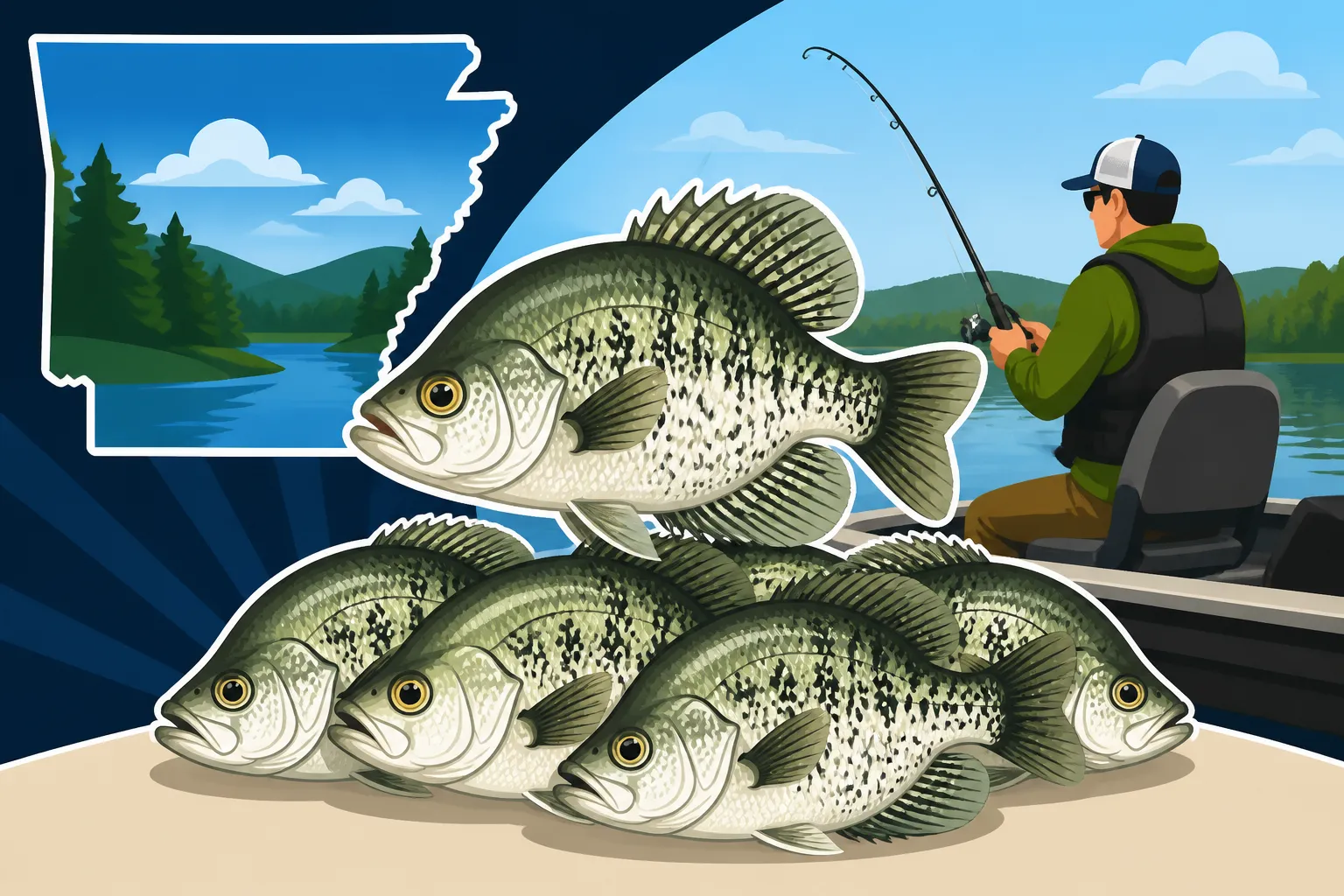
The statewide crappie daily limit is 20 fish in most Arkansas waters. This means that whether you're catching black crappie or white crappie, once you hit that twenty-fish mark, it's time to either switch to catch-and-release or pack up your gear for the day. It's a generous limit that allows anglers to bring home a good mess of fish for dinner, while still ensuring the crappie populations remain healthy and robust. Always remember that this is your daily limit, not a cumulative limit over several days on the water.
The Importance of Daily Creel Limits
You might wonder why we even have these limits in the first place. Well, it's all about conservation and sustainability, folks. Imagine if there were no limits – everyone would just keep as many fish as they could, and pretty soon, our lakes and rivers would be severely depleted. Daily creel limits, along with size restrictions, are critical tools the AGFC uses to prevent overharvesting, especially for popular species like crappie. They help maintain a healthy balance in the ecosystem, ensuring that younger fish have a chance to grow and spawn, contributing to future generations of crappie.
I once knew a gentleman who, back in the day before stricter rules, would keep tubs of crappie from a local pond. Within a couple of years, that pond, once teeming with fish, became a ghost town for anglers. It was a tough lesson for everyone in the community about the impact of unchecked harvesting. Today's limits are a direct response to such experiences, aimed at protecting our valuable resources so that families can continue to enjoy fishing for years to come. They allow us to enjoy our sport without damaging the very resource we cherish.
Measuring Your Catch: Size Matters for Crappie
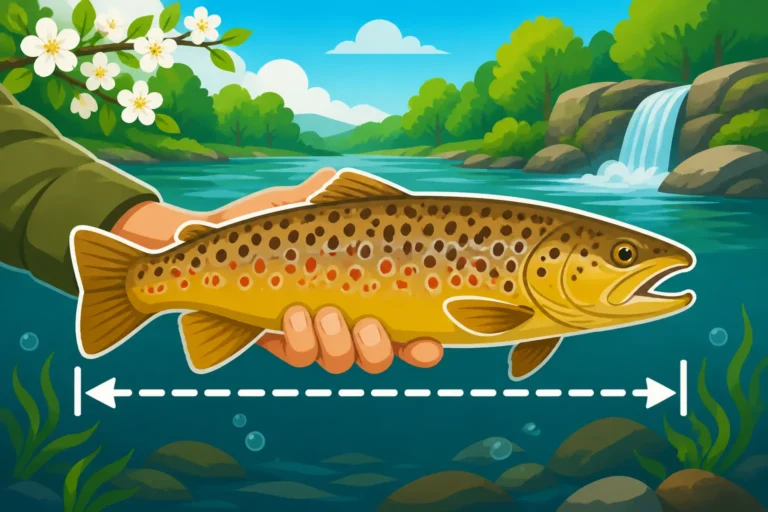
Beyond just the number of fish you can keep, there's another crucial rule for crappie in Arkansas: they have to be big enough. The statewide minimum length for keeping crappie in Arkansas is 9 inches. This rule is just as important as the daily limit because it allows younger fish to reach sexual maturity and reproduce at least once, contributing to the crappie population before they're harvested. It's a cornerstone of sustainable fisheries management.
To measure a crappie correctly, you need to place the fish on a flat surface with its mouth closed and its tail squeezed together, measuring from the tip of the snout to the end of the tail fin. It's not uncommon for anglers to keep a small measuring device, like a fish ruler or a measuring board you can easily find on Amazon, right in their tackle box or boat. If you catch a crappie that's under 9 inches, it must be immediately released back into the water, unharmed. Keeping undersized fish, even accidentally, can lead to penalties, so it's always best to be sure before you put it in your livewell.
Navigating Specific Lake Exceptions to the Statewide Rule
While the 20-fish, 9-inch minimum rule applies to the vast majority of Arkansas's waters, it wouldn't be fishing regulations without a few specific exceptions, right? These special regulations are usually implemented for very good reasons, often to address unique conditions in particular lakes or to achieve specific management goals, such as fostering trophy fisheries or protecting stressed populations. Ignoring these exceptions can quickly turn a fun day into a costly mistake.
When the 20-Fish Rule Changes
It's natural to assume that what applies to one lake will apply to all, but the AGFC continuously monitors our fisheries and adapts regulations to suit local conditions. For instance, a lake that receives heavy fishing pressure might have a reduced daily limit to prevent overharvesting, or one with a unique forage base might have different size restrictions to encourage growth. These changes are always designed with the health of the fishery and the long-term enjoyment of anglers in mind.
These localized regulations are generally published in the annual Arkansas Fishing Regulations Guide and are also often posted at boat ramps and access points for the specific bodies of water. It's always a good idea to quickly consult these resources before you cast your first line on any unfamiliar body of water. Just a few minutes of checking can save you a lot of headache and potential fines down the road, and ensures you're participating in responsible angling practices.
Notable Exceptions: Lake Monticello and Lake Cargile
Let's talk about a couple of the more well-known exceptions that often catch anglers off guard. These lakes are managed differently than the statewide rule for specific reasons, and knowing these details is key. For example, if you're heading to Lake Monticello, you'll find that the crappie limit drops significantly. At Lake Monticello crappie limit drops to 15 fish per day. This is a noticeable difference from the statewide 20 and is in place to manage the crappie population more intensively, often to improve size or density.
Similarly, Lake Cargile has its own specific set of rules. While the daily limit is also 15 crappie, there's an additional layer of complexity: only 7 of your 15 Lake Cargile crappie can be 12 inches or longer. This kind of slot limit is fantastic for fostering a trophy fishery, encouraging anglers to release the larger, breeding fish while allowing for a harvest of mid-sized crappie. These particular rules, such as how the Lake Monticello crappie rule differs from statewide limits, are prime examples of how localized management helps tailor regulations to specific lake conditions for optimal fishing experiences.
Staying Informed About Local Regulations
Because fishing regulations can and do change, staying informed is absolutely vital. The AGFC updates its regulations periodically, typically on an annual cycle, and sometimes mid-season if a critical issue arises. Relying on outdated information from a friend or an old regulation book is a recipe for trouble. Always make it a habit to consult the most current official sources before you go fishing.
The AGFC website is a treasure trove of up-to-date information, and they also publish a comprehensive fishing guide each year that you can pick up at license vendors, AGFC offices, or download online. Many anglers also use dedicated fishing apps on their smartphones that provide real-time access to regulations, which can be super handy when you're out on the water. It’s also worth noting that what changed with Arkansas's fishing possession limits in 2026-27? is an important development that means daily creel limits still apply even without a possession limit in Arkansas, making it even more important to know your daily take.
Practical Tips for Responsible Crappie Fishing
Fishing responsibly goes beyond just knowing the limits; it's about adopting practices that contribute to the long-term health of our fisheries and ensure that everyone can enjoy the sport for years to come. For crappie anglers, this means a combination of smart gear choices, careful counting, and ethical handling of your catch.
Gear and Techniques for Crappie Anglers
Crappie fishing is incredibly popular in Arkansas, and there are countless ways to target these delicious panfish. Many anglers swear by vertical jigging with small jigs tipped with minnows or soft plastics. Others prefer "spider rigging," using multiple rods spread out from the boat, often with live minnows, to cover more water. Whatever your preferred method, having the right gear makes a huge difference.
Modern fish finders, lightweight rods, and sensitive lines can help you locate crappie and detect those subtle bites. You can find a fantastic array of crappie fishing gear on Amazon, from specialized rods to a variety of jigs and minnow buckets. Ensuring your tackle is appropriate not only helps you catch more fish but also makes it easier to handle them carefully when you need to release them. Investing in a good set of basic crappie jigs and perhaps some live bait rigs can significantly improve your success rate.
Estimating Your Catch to Avoid Over-Limits
It’s easy to lose track when the crappie are biting fast and furious! One minute you're having the time of your life, and the next you realize you might have more than the legal limit in your cooler. To avoid this common mistake, especially when the fishing is good, try to keep a running tally. Some anglers use a simple clicker counter, while others simply keep their crappie in a separate section of their livewell until they've confirmed they're within the legal limit.
Remember, the daily creel limit is for one day. Even with the changes that eliminated statewide possession limits for the 2026-27 season, the daily creel limits still apply even without a possession limit in Arkansas. This means you need to be mindful of how many fish you're taking each day, not just what you bring home. If you're planning a multi-day trip and processing your fish daily, knowing your daily limit becomes even more critical. Getting into the habit of counting helps ensure you're always fishing within the rules and can prevent an awkward conversation with a game warden.
Ensuring Your Catch is Legal and Ethical
Part of being a responsible angler is not just adhering to the letter of the law but also embracing the spirit of ethical fishing. This means making every effort to ensure that any fish you release, especially those that are undersized, have the best possible chance of survival. Handling fish gently, minimizing their time out of water, and using proper de-hooking tools are all critical practices.
When you catch an undersized crappie, release it as quickly and carefully as possible. If a fish is deeply hooked, sometimes it's better to cut the line close to the hook than to try and tear it out, which can cause more damage. Beyond the legalities, practicing ethical catch-and-release helps bolster the populations for everyone. It's about respecting the resource and contributing to the vibrant Crappie Fishing Season Guide we all enjoy. For those looking for the absolute best places to find crappie, checking out a guide on the Best Crappie Lakes in Arkansas can give you a leg up.
| Regulation Type | Statewide Crappie Limit (Most Lakes) | Lake Monticello Exception | Lake Cargile Exception | Minimum Length (All Waters) |
|---|---|---|---|---|
| Daily Creel Limit | 20 fish | 15 fish | 15 fish | N/A |
| Length Restriction | 9 inches or longer | 9 inches or longer | 9 inches or longer (only 7 of 15 can be 12 inches+) | 9 inches or longer |
Disclaimer
Please be aware that fishing regulations, including daily limits and size restrictions, are subject to change. While this guide provides the most current information available at the time of writing, it is always your responsibility to consult the official Arkansas Game and Fish Commission (AGFC) regulations guide before you begin fishing. The AGFC website and their annual printed guide are the definitive sources for all Arkansas fishing rules.