Daily creel limits still apply even without a possession limit in Arkansas
One of the biggest headaches for passionate anglers has always been keeping up with all the rules and regulations, especially when it comes to how many fish you can actually take home. It's frustrating to think you've had a great day on the water, only to realize you might have accidentally overstepped a complex rule about "possession limits" once you got back to the cabin. This guide is here to clarify a crucial change in Arkansas fishing regulations, specifically how daily creel limits still apply even though the statewide possession limit has been eliminated, helping you navigate these waters with confidence.
Understanding Daily Creel Limits Versus Possession Limits
For years, many anglers, myself included, have scratched their heads trying to differentiate between a "daily creel limit" and a "possession limit." It sounds like legal jargon, but these two terms used to have very distinct implications for how you enjoyed your time fishing in Arkansas. Now, with recent changes, things have been simplified in one key area, but the daily creel limits are as important as ever.
Unpacking the Concept of Daily Creel Limits
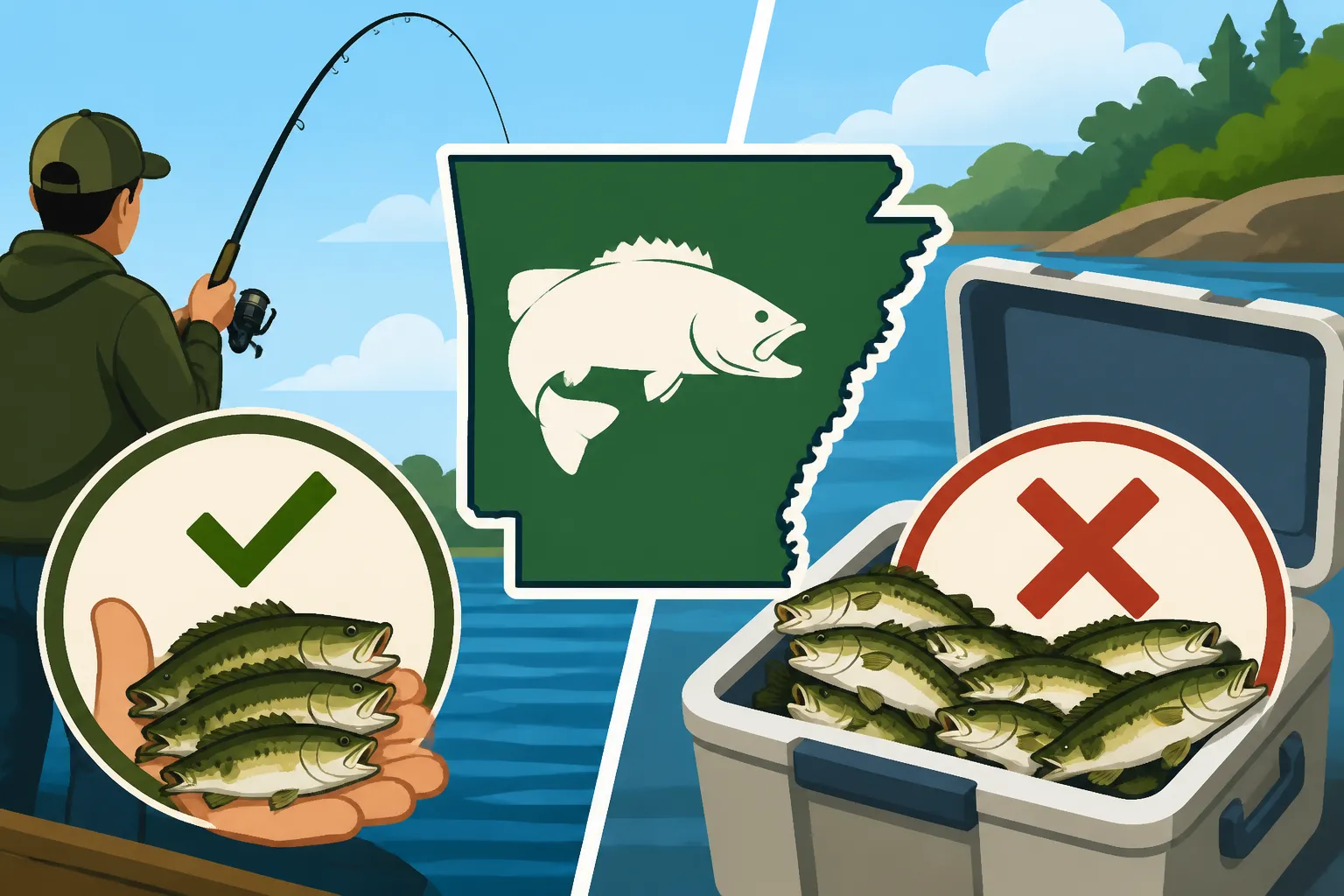
A daily creel limit is pretty straightforward: it's the maximum number of fish of a specific species that you're allowed to keep in a single day, from midnight to midnight. Think of it as your daily allowance. For example, if the daily creel limit for largemouth bass is five fish, you can only catch and keep five largemouth bass within that 24-hour period. Once you've got those five in your livewell or on your stringer, you're done fishing for that species for the rest of the day, even if you could easily catch more. This rule is designed to ensure sustainable fishing practices, preventing overharvesting on any given day and protecting fish populations for future generations of anglers. It means that while you might be having an incredible bite, there's a point where you need to call it quits on keeping fish. It's a hard stop, regardless of how much time you have left in the day or how many more fish are out there begging to be caught. These limits often vary by species, and sometimes even by specific bodies of water, which can add another layer of complexity.
The Elimination of Statewide Possession Limits
This is where the big change comes in for the 2026-27 season and beyond. Previously, Arkansas had a statewide possession limit, which was usually double the daily creel limit. This meant that, traditionally, you couldn't have more than a certain number of fish in your possession at any given time, including those back in your freezer at home, in your cooler in the truck, or stored at your camp. This rule was a real head-scratcher for many, especially those on multi-day trips. You'd catch your daily limit, take them back to the cabin, clean them, and put them in the freezer. Then, the next day, you'd go out and catch another limit. The problem was, those fish in the freezer still counted towards your possession limit. So, if the daily limit was five bass, and the possession limit was ten, you could only have ten bass total, even if you fished for two full days. It led to a lot of anglers trying to calculate exactly how many fillets they had stored away, or rushing to get fish to a "final point of storage" that might exempt them, which was often murky territory.
The good news is, Arkansas eliminated statewide possession limits for the 2026-27 season. This change is huge! It means you no longer need to worry about counting the fish you've already brought home and processed. The focus is now entirely on the daily creel limit. So, you can catch your limit of bass today, take them home, clean them, and freeze them, and those fish do not count against your ability to catch another daily limit tomorrow. This simplifies things dramatically, especially for folks who love to come to Arkansas for extended fishing vacations. You can truly enjoy your daily fishing without the added stress of a running tally of stored fish. It really helps out when you're trying to figure out how the new possession rule affects multi-day fishing trips.
Navigating Specific Species Creel Limits
While the statewide possession limit is gone, knowing the specific daily creel limits for the fish you're targeting is more critical than ever. Arkansas waters are teeming with diverse species, and each has its own set of rules designed to maintain healthy populations.
Bass Species: Largemouth, Smallmouth, and Spotted Bass
Bass are arguably the most popular game fish in Arkansas, drawing anglers from all over. Understanding their limits is essential.
For largemouth bass, the statewide daily limit is typically five fish. This means you can keep up to five of these hard-fighting beauties in a 24-hour period. However, it’s rarely that simple. Many lakes have specific length restrictions to promote trophy fisheries. Take Lake Monticello, for example; while the daily limit is five, only one bass 16 inches or longer is allowed. This kind of regulation helps protect the larger, breeding-size fish, ensuring they can contribute to future populations. Always check the specific regulations for the body of water you're fishing. You can often find these details in the AGFC fishing guide, which you can even look up on an Amazon Kindle for quick access on the go. Knowing the nuances of the largemouth bass daily limit statewide is 5 fish can make or break your trip.
Smallmouth bass are another favorite, especially in the clear, rocky streams of the Ozarks. On Arkansas's moving waters statewide, the smallmouth bass limit is generally two fish per day, and they usually must be over 12 inches to keep. This lower limit reflects their slower growth rates and specific habitat requirements, making them more vulnerable to overfishing. You'll find these rules strictly enforced in places like the Buffalo River or parts of the White River system. It's a privilege to catch a bronzeback, and adhering to these limits helps keep those populations thriving.
Spotted bass, often called Kentucky bass, are also popular, particularly in clearer, rocky reservoirs. Their limits typically align with largemouth bass, at five fish per day, but again, always consult the current Arkansas Fishing Regulations Guide for the specific water you're fishing, as localized exceptions can always pop up.
Crappie: Black and White Varieties
Crappie, both black and white, are a delicious and fun fish to catch, especially during their spring spawn. The statewide crappie daily limit is 20 fish in most Arkansas waters. This generous limit allows anglers to fill coolers for a fish fry, which is always a treat after a productive day. However, similar to bass, there are size minimums and specific lake exceptions. Crappie must be 9 inches or longer to keep in Arkansas, a rule put in place to ensure fish have a chance to mature and reproduce.
But once again, don't just assume the statewide rule applies everywhere. Lakes like Lake Monticello and Lake Cargile have their own unique crappie regulations. For instance, Lake Monticello might drop the daily limit to 15 fish, while Lake Cargile could specify that only 7 of your 15 crappie can be 12 inches or longer. These differences are usually due to intensive management strategies to improve the quality of the crappie fishery in those particular lakes. So, if you're planning a trip to one of these hotspots, a quick check of the regulations is non-negotiable.
Trout: Rainbow, Brown, and Brook
Arkansas is a renowned destination for trout fishing, particularly its cold-water tailwaters below dams like those on the White, Norfork, and Little Red Rivers. Trout fishing often comes with very specific and sometimes complex regulations to protect these fragile ecosystems and promote trophy fish.
For example, on the Norfork tailwater, the trout limit is 2 rainbow trout per day. But here's the kicker: any rainbow trout between 10 and 16 inches must be immediately released. This is a classic "slot limit" designed to protect medium-sized fish, allowing them to grow larger and become trophy specimens. Many trout waters also enforce the use of artificial lures with single, barbless hooks to minimize harm to released fish. Similarly, the Bull Shoals tailwater trout rules from the dam to Norfork Access also typically feature strict daily limits and size restrictions, often just two trout per day, with specific slots that must be released.
Brown trout, prized for their challenging fight and elusive nature, also have unique rules. The Spring River brown trout minimum length is 16 inches, meaning you can't keep a brown trout shorter than that from this beautiful river. These regulations are in place to preserve the quality of the fishery and ensure that these magnificent fish continue to thrive. Fly anglers often consult guides found on sites like Amazon to pick out the right patterns for these specific waters and conditions.
Here's a quick summary of some key daily creel and size limits for popular species in Arkansas, but remember, always verify with the latest AGFC regulations before you head out!
| Species | Statewide Daily Creel Limit | Statewide Minimum Size Limit | Notable Exceptions (Example) |
|---|---|---|---|
| Largemouth Bass | 5 | None (statewide) | Lake Monticello: 1 over 16 inches |
| Smallmouth Bass | 2 | 12 inches | Moving waters only |
| Crappie | 20 | 9 inches | Lake Monticello: 15; Lake Cargile: 7 over 12 inches |
| Rainbow Trout | 5 (some waters) | None (statewide) | Norfork Tailwater: 2 (10-16" slot release) |
| Brown Trout | 5 (some waters) | None (statewide) | Spring River: 16 inches minimum |
| Catfish (Channel) | 10 | None | |
| Catfish (Blue) | 10 | None | |
| Catfish (Flathead) | 5 | None |
Note: These are general guidelines and specific waterbody regulations, especially for trout, can vary significantly. Always check the official AGFC guide.
Practical Implications for Anglers
The change in possession limits really does make a difference in how you plan your fishing trips, especially if you're lucky enough to spend multiple days on the water. It removes a layer of stress that many of us didn't even realize we were carrying until it was gone.
Planning Multi-Day Trips and Storage
Before the 2026-27 change, a multi-day fishing trip meant meticulously tracking every fish you kept. If you were fishing on Bull Shoals Lake for a long weekend, and the daily limit for bass was five and the possession limit was ten, you could technically only bring home ten bass, no matter how many days you fished. This led to complicated scenarios: rushing to a processing plant, sharing fish with friends to get them to their "final point of storage," or just simply stopping fishing for the species you hit the limit on early. It was a logistical challenge, especially for families trying to stock up on fresh fillets. You'd be asking yourself, "What counts as a fish's final point of storage in Arkansas?" and probably getting different answers from everyone you talked to.
Now, with the elimination of statewide possession limits, that headache is largely gone. You can hit the lake, catch your daily limit of five bass, and take them back to your cabin. Clean those fish, vacuum seal them (you can find some great vacuum sealers and bags on Amazon, perfect for preserving your catch!), and put them in the freezer. The next morning, you wake up, and you're clear to catch another five bass. Those fish in your freezer no longer count against your ability to catch another daily limit. This simplifies how the new possession rule affects multi-day fishing trips immensely, letting you focus on the fishing itself rather than complex math and storage logistics. It truly means you can maximize your time on the water without worrying about over-possessing.
Checking Local Regulations and Signage
While the statewide possession limit is a thing of the past, the importance of knowing and following daily creel limits, as well as specific length and slot limits, has only grown. It's absolutely crucial to remember that regulations can, and often do, vary significantly from one body of water to another, even within the same river system. A quick check of the current Arkansas Fishing Regulations Guide is not just a suggestion; it's a necessity before every fishing trip.
Imagine you're fishing for crappie on Lake Conway, where the statewide limit of 20 fish over 9 inches applies. Then, the next day, you head to Lake Cargile, excited to repeat your success, only to find out their special regulation limits you to 15 crappie, with only 7 of those allowed to be 12 inches or longer. Missing that detail could lead to a fine, even if you had no intention of breaking the law. These localized rules are often clearly posted at boat ramps, state parks, and popular access points. They are also available on the Arkansas Game and Fish Commission (AGFC) website, and many anglers even use fishing apps on their phones that provide up-to-date regulations. Don't rely on old knowledge or what someone told you last year; regulations are updated periodically to adapt to fish populations and environmental changes. A small investment of time researching current rules can save you a lot of hassle and potential penalties.
Compliance and Enforcement
Ignorance of the law is never an excuse, especially when it comes to fishing regulations. Even with the simplification of possession limits, game wardens are still actively patrolling Arkansas's lakes and rivers, ensuring everyone adheres to the rules.
Game Wardens and License Checks
The sight of a game warden might make some anglers a little nervous, but these dedicated professionals are out there to protect our natural resources and ensure fair play for everyone. They are highly visible on popular fishing spots like Lake Ouachita or the White River, and they absolutely do check for proper licenses and adherence to creel limits. Do game wardens check for fishing licenses in Arkansas? You bet they do, often several times a day. They're looking for valid fishing licenses, trout permits (if you're in trout waters), and they'll definitely be checking your catch to make sure you haven't exceeded any daily limits or kept undersized fish.
They're not just there to catch people breaking the rules; they're also a great resource for questions about regulations or local conditions. Just be polite, cooperative, and have your license (or proof of exemption, like a senior lifetime license) readily available. A simple "hello" and a valid license go a long way. Make sure your fishing license is always easily accessible, whether it's a printed copy, on your phone, or you just remember your AGFC ID number.
Avoiding Penalties and Understanding the Rules
Exceeding daily creel limits or keeping undersized fish can result in significant penalties. These aren't just minor slaps on the wrist; they can include hefty fines, court appearances, and even the loss of your fishing privileges. Nobody wants to end a great fishing trip with a citation. The Arkansas Fishing License Penalties and Requirements are in place for a reason, and they can be quite stern.
The best way to avoid these penalties is simple: know the rules before you go. Utilize the AGFC's official resources – their website, printed fishing guides (often available at sporting goods stores and online via Amazon), and even mobile apps. If you're targeting trout, make sure you understand the specific nuances, such as whether you need a trout permit to keep trout in Arkansas, or if there are specific fly-fishing-only sections. When in doubt, always err on the side of caution. If a fish looks borderline on length, release it. If you're close to your daily limit, consider switching to catch-and-release, or simply call it a day for that species. By understanding and respecting these rules, you're not just avoiding penalties; you're contributing to the conservation efforts that make Arkansas one of the best fishing destinations in the country.
Disclaimer
Please note that fishing regulations can change. The information provided in this guide is based on the 2026-27 Arkansas fishing regulations and is intended for general informational purposes only. While every effort has been made to ensure accuracy, it is your responsibility to consult the official Arkansas Game and Fish Commission (AGFC) regulations for the most current and specific rules pertaining to the waters you intend to fish. Always check the latest AGFC fishing guide or website before heading out.