Spring River Brown Trout Minimum Length in Arkansas
It’s a truly unique feeling to be wading in the crystal-clear waters of the Spring River, casting for elusive brown trout, only to find yourself second-guessing whether that beautiful fish you just hooked is even legal to keep. The confusion around specific length limits, especially for a prized species in a special place, can really dampen the excitement of a fishing trip. This comprehensive guide aims to clear up all the mystery surrounding the Spring River brown trout minimum length in Arkansas, helping you understand the rules, why they matter, and how to fish these incredible waters responsibly and successfully.
Understanding Brown Trout Regulations on the Spring River
The Spring River is a gem in Arkansas, known for its cold, clear waters and fantastic trout fishing opportunities. However, like any special fishery, it comes with its own set of rules, particularly when it comes to coveted species like brown trout. Getting caught off guard by these regulations can turn a great day into a frustrating one, or worse, lead to fines.
The Specific Minimum Length Rule
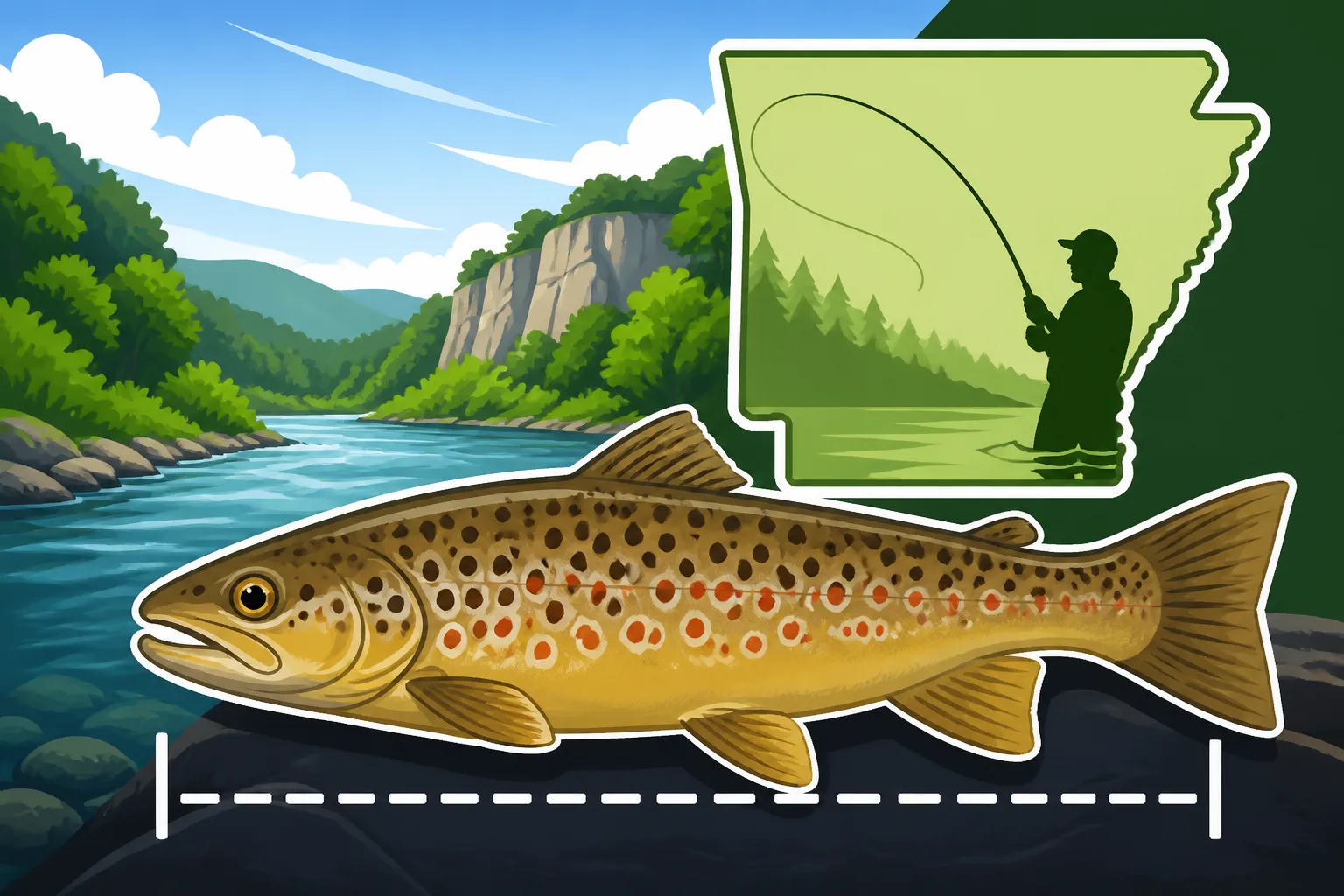
For brown trout on the Spring River, the Arkansas Game and Fish Commission (AGFC) has implemented a very specific rule: there is a 16-inch minimum length limit. This isn't just a random number dreamed up by bureaucrats; it's a carefully considered conservation measure designed to protect and enhance the brown trout population in this unique waterway. The intent here is to allow these fish to grow to a mature size, giving them ample opportunity to spawn multiple times before they can be legally harvested. This approach helps ensure a robust and self-sustaining population, safeguarding the fishery for future generations of anglers.
Beyond just population health, this 16-inch minimum also plays a crucial role in trophy management. Anglers often dream of landing a truly large brown trout, and by protecting the smaller, younger fish, the AGFC is actively cultivating an environment where larger, trophy-sized specimens have a better chance to develop. It's a long-term investment in the quality of the fishing experience on the Spring River, reflecting a commitment to sustainable angling and the pursuit of memorable catches. Understanding this "why" behind the rule can help anglers appreciate its importance and adhere to it more diligently, ensuring the river continues to be a premier brown trout destination.
Why Spring River is Special for Brown Trout
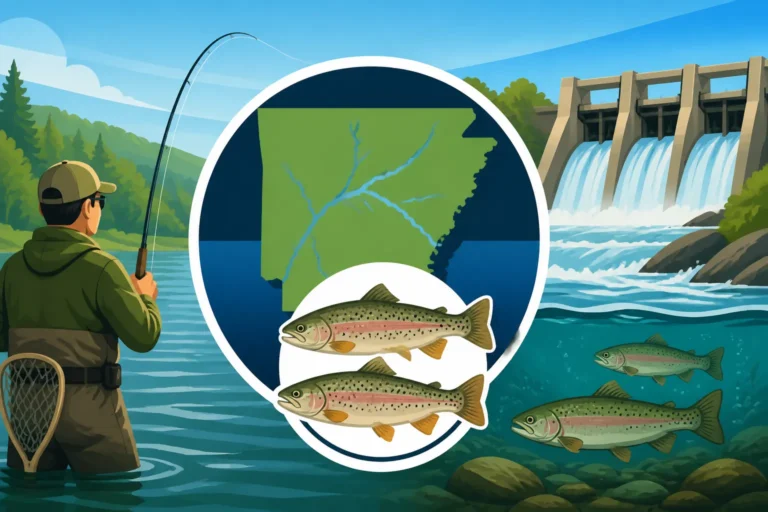
The Spring River’s distinctive character makes it an ideal home for brown trout, setting it apart from many other rivers in the state. Originating from Mammoth Spring, one of the largest springs in the Ozarks, the river boasts incredibly cold and consistent water temperatures year-round. This constant chill, combined with its abundant aquatic insect life and natural gravel beds, creates an ecosystem perfectly suited for brown trout to thrive, reproduce, and grow. Unlike some other Arkansas trout waters that rely heavily on hatchery stockings, the Spring River supports a significant amount of natural brown trout reproduction, which is a testament to its pristine conditions.
These unique environmental factors contribute to a fishery where the brown trout are often wild, spirited, and challenging to catch. The river's character — from its fast-flowing sections to its deep pools — offers diverse habitats for these fish, making every fishing trip an adventure. This natural productivity and the wild nature of its trout population are precisely why special regulations, such as the 16-inch minimum length for brown trout, are put in place. These rules are vital for protecting this delicate balance and preserving the high-quality fishing experience that the Spring River consistently offers, ensuring its status as one of the best trout fishing spots in Arkansas.
Implications of the 16-Inch Minimum Length Rule
Understanding the 16-inch minimum length limit for brown trout on the Spring River is just the first step. Knowing how to apply this rule in practice, especially when you hook into a magnificent fish that just doesn't quite measure up, is equally important. It shapes your approach to fishing and ensures you're a responsible steward of the resource.
Catch and Release Practices
Given the 16-inch minimum length, it’s a simple truth that the vast majority of brown trout you'll encounter on the Spring River will likely be under the legal keeping size. This means that for most anglers, catch-and-release is not just a preference but a mandatory practice. Mastering proper catch-and-release techniques is absolutely critical for the survival of these undersized fish, which are the future of the fishery. When you reel in a beautiful brown trout that doesn’t meet the mark, handle it with the utmost care. Minimize its time out of the water, keep your hands wet to protect its slime coat, and avoid squeezing it, especially around the gills.
Swift and careful release is paramount. If possible, use a net with a rubber mesh to cradle the fish gently in the water while you remove the hook. Speaking of hooks, many experienced anglers on the Spring River opt for single, barbless hooks, or pinch down the barbs on their treble hooks. This makes hook removal much easier and reduces stress and injury to the fish, significantly increasing its chances of survival once released. You can find a wide selection of barbless hooks or tools to crimp barbs on Amazon, ensuring you're ready for responsible angling. Remember, every healthy release contributes directly to the long-term vitality of the Spring River's brown trout population.
Penalties for Non-Compliance
It's easy to get caught up in the excitement of a catch, or perhaps you misjudged the length by a fraction of an inch, but making a mistake when it comes to fishing regulations, especially on special waters like the Spring River, can have serious consequences. Ignorance of the law is generally not accepted as an excuse, and game wardens in Arkansas actively patrol these popular fishing areas. If you are found to be in possession of a brown trout from the Spring River that is under the 16-inch minimum length, you could face significant penalties.
These penalties can range from substantial fines to the confiscation of your fishing gear. In more severe or repeat instances, you could even face the loss of your fishing privileges in Arkansas for a period of time. It's a stark reminder that all anglers must abide by the Arkansas Fishing Regulations Guide. The fines for violating these specific length limits are often quite steep, as the AGFC is committed to protecting these valuable fisheries. It's always best practice to carry a measuring tape or have clear markings on your rod or boat, and if there's any doubt about a fish's length, the safest and most responsible action is to release it immediately. For a broader understanding of legal repercussions, you can also look into "What's the penalty for fishing without a license in Arkansas?" as a reference for the seriousness with which fishing laws are enforced.
Gear and Techniques for Targeting Spring River Brown Trout
Successfully targeting brown trout on the Spring River, especially with the 16-inch minimum in mind, often means tailoring your gear and techniques to the river's unique conditions and the fish's behavior. The clear water and sometimes wary nature of the trout here demand a thoughtful approach.
Recommended Rods, Reels, and Line
When it comes to outfitting yourself for Spring River brown trout, lighter tackle is generally favored. This isn't just for sport, but also for the sensitivity needed to detect subtle bites in the cold, fast-moving water. For spin fishermen, a good choice would be a 6'6" to 7' medium-light spinning rod, paired with a small, smooth-dragging spinning reel. Spooling up with 4 to 6-pound test fluorocarbon or high-quality monofilament line is ideal. Fluorocarbon, in particular, is a great option due to its low visibility in clear water and its abrasion resistance against rocks and logs. You can find a wide selection of these specialized lines and spinning reels on Amazon that cater to different budgets and preferences.
For fly anglers, a 4- to 6-weight fly rod is a versatile choice, capable of handling most of the river's conditions and fish sizes. Pair this with a matching fly reel and either a weight-forward floating line for dry fly and nymph fishing, or a sink-tip line if you plan to present streamers in deeper pools. The lighter line weights offer a more delicate presentation, which is often key to fooling wary brown trout in the Spring River’s clear currents. Remember, while you might be hoping for a trophy-sized fish, the average catch will be smaller, making lighter gear not only more sporting but also more effective for finesse presentations.
Effective Baits and Lures
Brown trout in the Spring River are often opportunistic feeders, but their clear-water environment makes them discerning. Therefore, your bait and lure selection should prioritize natural presentations and subtle movements. For spin fishermen, small spinners like those from Panther Martin or Rooster Tail, in natural colors such as gold, silver, or black, are perennial favorites. Small, suspending or sinking crankbaits, like Rapala Countdown models, are also incredibly effective, especially when fished around submerged structure or in deeper runs. Soft plastics resembling aquatic worms, minnows, or even tiny crayfish can also entice strikes when fished on light jig heads.
Fly anglers will find success with a variety of patterns, depending on the season and prevailing hatches. Nymphs such as Hare's Ear, Pheasant Tail, and Prince Nymphs are staples for subsurface fishing, mimicking the abundant insect life. When trout are actively feeding on baitfish, streamers like Woolly Buggers or Clouser Minnows can be deadly. During specific insect hatches, matching the hatch with dry flies like Elk Hair Caddis or Adams patterns can lead to explosive topwater action. Regardless of your chosen method, always prioritize single, barbless hooks or pinch down the barbs on treble hooks. This small modification significantly reduces harm to fish that you'll undoubtedly be releasing, aligning with the conservation goals of the 16-inch minimum. Many local tackle shops and online retailers offer barbless options, making it easy to comply and ensure proper catch-and-release.
Enhancing Your Spring River Brown Trout Fishing Experience
Fishing the Spring River for brown trout is an experience rich in natural beauty and angling challenge. To truly maximize your chances of success and enjoyment, it helps to understand the subtle nuances of the river and consider tapping into local expertise.
Seasonal Considerations
While the Spring River, thanks to its consistent spring-fed temperatures, offers quality brown trout fishing year-round, certain seasons present unique advantages and challenges. Spring and fall are often considered prime times for brown trout. In spring, the fish become more active as insect hatches begin in earnest, and they are typically putting on weight after the lean winter months. Fall brings cooler water, increased feeding activity as trout prepare for winter and spawning, and often stunning foliage along the riverbanks, making for a picturesque experience.
Summer fishing can be excellent, particularly in the early mornings or late evenings when water temperatures are at their coolest, and fish might be found in deeper, oxygenated pools. During winter, brown trout can be more lethargic, but they still bite, especially on warmer, sunny days. Understanding these seasonal shifts in fish behavior and location can greatly increase your success rate. For instance, comparing the strategies you might use to those described in "Winter Trout Fishing on the Norfork Tailwater in Arkansas" can provide valuable insights, even if the specific regulations differ. Always keep in mind the 16-inch minimum length and adjust your techniques to ensure the healthy release of any undersized fish, regardless of the season.
Importance of Local Knowledge and Guides
The Spring River, while accessible in many spots, has its hidden gems and subtle currents that are best understood through experience. If you’re not a regular, navigating these waters effectively can be a challenge. Tapping into local knowledge – whether from seasoned anglers you meet at the put-in, the friendly staff at local tackle shops, or an experienced fishing guide – can dramatically shorten your learning curve. These locals often possess an intimate understanding of where the fish are holding, what they’re biting on, and the best ways to present your bait or lure under specific conditions.
For those truly looking to unlock the Spring River’s potential, particularly if you’re targeting that elusive trophy brown trout while adhering to the specific 16-inch minimum, consider hiring a local guide. A professional guide not only knows the river like the back of their hand but can also provide all the necessary gear, boat access to remote stretches, and invaluable instruction on casting techniques, fly selection, or lure presentation. They are experts in interpreting the "Arkansas Fishing Regulations Guide" in real-time on the water, ensuring you stay compliant while focusing on the fishing. A guided trip, while an investment, often transforms a good day into an unforgettable one, especially for first-timers or those seeking to refine their skills. Local guides are passionate about these waters and their expertise is unparalleled.
Comparing Spring River Brown Trout Rules to Other Arkansas Waters
Arkansas is blessed with a number of fantastic trout fisheries, each with its own character and, often, its own set of specific regulations. It’s a common mistake for anglers to assume that the rules on one river apply universally across the state. This couldn't be further from the truth, especially when comparing the Spring River to other popular trout destinations.
Contrasting with White River Brown Trout Regulations
The White River, especially the sections below the major dams like Bull Shoals and Norfork, is another world-renowned brown trout fishery in Arkansas. However, its regulations for brown trout are distinctly different from those on the Spring River. For example, on certain stretches of the White River, particularly those managed for trophy trout, you might encounter slot limits. A slot limit means you can keep fish below a certain size (e.g., under 24 inches) and sometimes a limited number of fish above a much larger size (e.g., one fish over 24 inches), but must release all fish within the "slot" (e.g., 24 to 16 inches). This differs significantly from the Spring River's straightforward 16-inch minimum length for all brown trout.
These varying regulations are designed to achieve different management goals specific to each river's ecosystem and angler pressure. The White River's large tailwater sections, which are fed by massive cold water discharges, can support different types of trophy management strategies. Understanding these distinctions is crucial; what's legal on the Spring River might not be on the White River, and vice-versa. Always consult the specific regulations for the precise stretch of water you intend to fish. For instance, the "Bull Shoals Tailwater Trout Rules in Arkansas" will have a different set of guidelines than what applies to the Spring River, and if you're looking for "Where to Catch Brown Trout on Arkansas's White River," be prepared for those nuanced differences.
General Statewide Trout Regulations
While special regulation waters like the Spring River and specific tailwater sections of the White River have their unique rules, there are also general statewide trout regulations that serve as a baseline for other, less-specific trout waters in Arkansas. These general rules typically cover the standard daily creel limits and often a minimum length that applies broadly where no special regulations are designated. However, the most critical piece of statewide regulation for trout fishing is the Arkansas Trout Permit.
Even if you hold a valid Arkansas Fishing License Rules and Costs, if you intend to fish for or retain trout anywhere in the state, you must also purchase and possess an Arkansas Trout Permit Rules. This permit is an additional requirement, and its cost is separate from your general fishing license (for example, you can learn "How much is the resident trout permit in Arkansas?"). This revenue from trout permits is vital, as it directly funds the AGFC's trout stocking and management programs across the state, ensuring that Arkansas continues to offer diverse and healthy trout fishing opportunities. It's important to remember that this permit is a statewide requirement, even on special regulation waters, but the specific length and daily limits for those waters will always supersede the general statewide rules. Always consult the latest AGFC fishing guide to ensure full compliance before heading out.
Comparing Brown Trout Regulations on Key Arkansas Rivers
| Feature | Spring River Brown Trout Regulations | White River (Bull Shoals/Norfork Tailwaters) Brown Trout Regulations | General Statewide Trout Regulations (Non-Special Areas) |
|---|---|---|---|
| Minimum Length | 16 inches | Varies by section, often includes slot limits (e.g., 24-inch slot, one over 24") | Typically 10-12 inches (check specific area) |
| Daily Creel Limit | 5 (with 16" minimum) | Varies by section (e.g., 2-5 fish, with specific size restrictions) | Typically 5 fish (check specific area) |
| Trout Permit Required? | Yes, in addition to fishing license | Yes, in addition to fishing license | Yes, in addition to fishing license |
| Primary Goal | Natural reproduction, trophy potential | Trophy management, catch-and-release focus, specific harvest slots | Sustainable harvest, general population management |
| Catch & Release Focus | High due to 16" minimum | Very high due to slot limits and trophy goals | Moderate, depends on meeting minimum lengths |
Disclaimer
Fishing regulations in Arkansas can change. While this guide provides the most up-to-date information at the time of writing, it is absolutely essential to consult the latest official Arkansas Game and Fish Commission (AGFC) fishing guide or website before embarking on any fishing trip. These resources are the definitive authority for all current rules, limits, and licensing requirements. Always fish responsibly and legally.