What to Wear on a White River Guide Trip in Arkansas
Heading out for a White River guide trip in Arkansas is an incredible experience, but figuring out what to wear can feel like a puzzle, especially with the region's unpredictable weather and the river's unique cold-water nature. No one wants to be shivering when they should be reeling in a beautiful trout, or sweating through their clothes when the sun breaks through. This guide will cut through the confusion and give you all the practical advice you need to dress comfortably and safely for your adventure, ensuring you can focus on the fishing, not your wardrobe woes.
Understanding the White River's Unique Environment
The White River is a gem in Arkansas, but its character is heavily influenced by the upstream dams, which release cold, oxygen-rich water from deep within the lakes. This creates a year-round trout fishery, but it also means the river temperature remains consistently chilly, regardless of how hot it might be on the bank. This cold water has a massive impact on your comfort, and ignoring it can quickly lead to a miserable day.
The Constant Chill of Tailwater Fishing
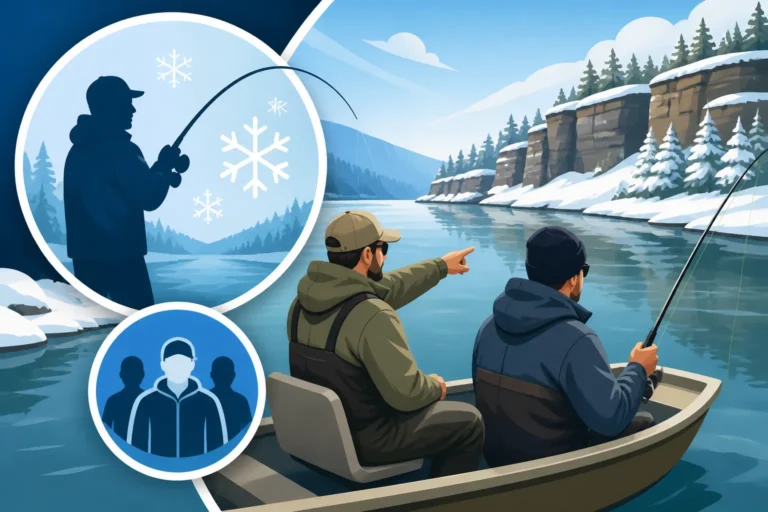
Even if you're planning your trip in the dog days of summer with temperatures soaring into the 90s, the water you'll be fishing in is likely to be in the 40s or low 50s. This isn't just a "chilly dip" kind of cold; it's a "hypothermia risk if you fall in unprepared" kind of cold. The air temperature might feel warm, but any splash, spray, or accidental immersion will send shivers down your spine. Your guide will be well-versed in these conditions, but your personal comfort is ultimately up to your preparation. Always remember that the river itself is a powerful thermal equalizer.
This consistent cold temperature also creates microclimates along the river. You might start your day with a brisk morning chill that quickly turns into a warm, sunny afternoon, only to be met by a sudden rain shower or a sharp wind that whips up the cold air off the water. Being able to adapt to these rapid changes is key, and that means dressing in layers that you can easily add or shed throughout the day. It’s a common mistake for first-timers to dress for the air temperature alone, only to find themselves uncomfortably cold once on the water.
Unpredictable Arkansas Weather Patterns
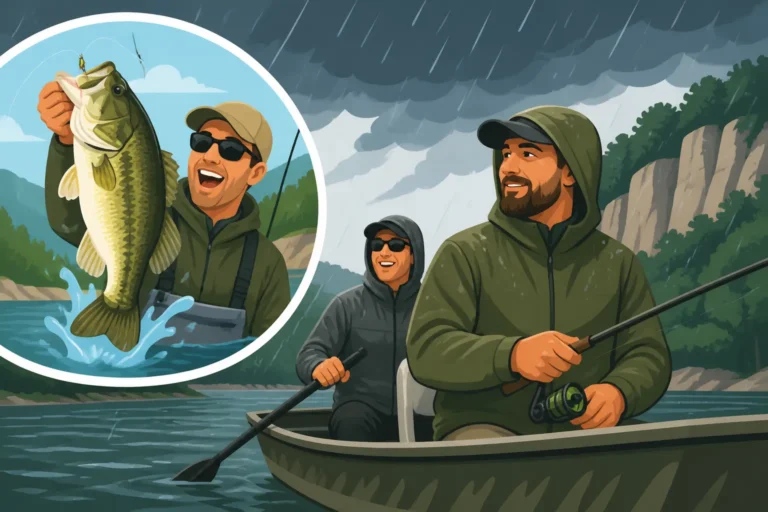
Beyond the constant cold water, Arkansas weather itself can be notoriously fickle. A forecast for "partly cloudy" can easily morph into an all-day drizzle, or a sunny prediction can be interrupted by a pop-up thunderstorm. Wind can also be a major factor, especially on open stretches of the river, making even a mild day feel much colder when combined with the low water temperature. Best Time to Fish the White River in Arkansas for Trout will give you a sense of seasonal patterns, but daily weather needs vigilance.
Because of this variability, it’s not enough to just check the forecast an hour before you leave. Always plan for contingencies. Assume there's a chance of rain, a chance of wind, and a chance of unexpected temperature drops. This isn't about being overly paranoid; it's about being practical and ensuring your comfort so you can truly enjoy your day on the water. A good guide, perhaps one you found through a platform like FishingBooker, will often have extra rain gear, but it's always best to come prepared with your own.
Essential Layering for Comfort and Safety
The golden rule for dressing for a White River guide trip is layering. Think of your clothing as a system, not just individual items. Each layer serves a specific purpose, allowing you to regulate your body temperature as conditions change. This strategy is critical for staying comfortable from dawn till dusk, whether you're fly-fishing or spin-fishing.
The All-Important Base Layer
Your base layer is the foundation of your entire system, and it's where many people make their first mistake: cotton. Cotton absorbs moisture (like sweat or river spray) and holds it against your skin, making you feel clammy and cold as soon as the temperature drops or the wind picks up. It's truly your enemy in a cold-water environment.
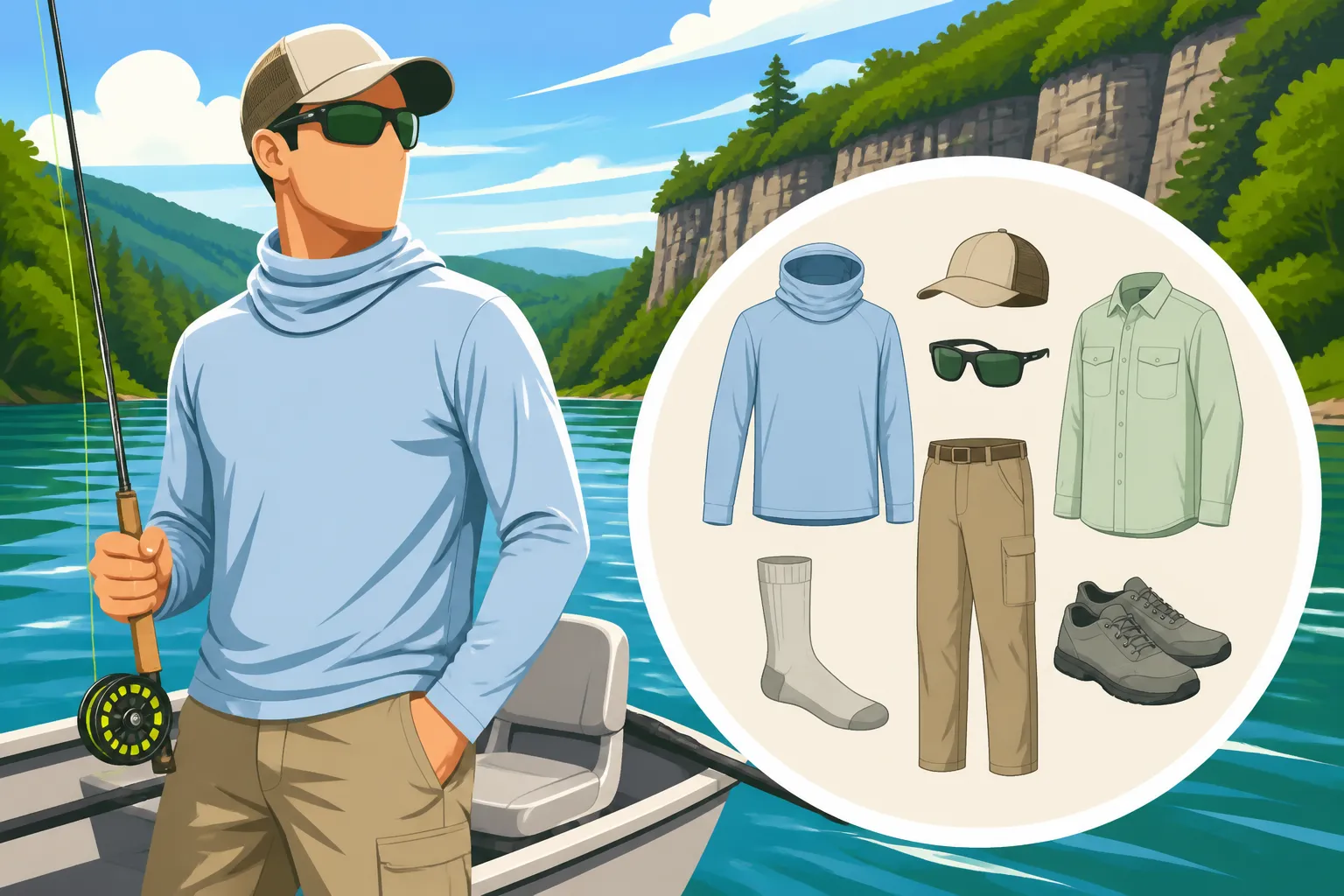
Instead, opt for moisture-wicking materials like synthetic fabrics (polyester, polypropylene) or merino wool. These materials draw moisture away from your skin, helping it evaporate quickly and keeping you dry and warm. For cooler days, a mid-weight base layer will offer more insulation, while a lighter weight might suffice for warmer days. Don't forget your lower half – a pair of base layer pants under your main trousers will make a world of difference, especially on those brisk morning runs in the boat.
Mid Layers for Insulation and Warmth
The mid layer is your primary source of insulation, providing warmth by trapping air close to your body. Fleece jackets, vests, or even heavier wool sweaters work wonderfully here. The beauty of a mid layer is its versatility; you can easily add or remove it depending on how active you are or how the ambient temperature changes. If you're going for a Full-Day White River Trout Trip Cost for Two Anglers in Arkansas, you'll experience a wide range of temperatures, making adaptable mid-layers indispensable.
On a truly cold day, you might even wear two mid-layers – perhaps a lighter fleece over your base layer, topped with a heavier jacket or a puffy vest. The key is to avoid bulky, restrictive clothing that hinders your movement. Remember, you'll be casting, reeling, and potentially moving around the boat, so freedom of motion is just as important as warmth.
The Crucial Outer Layer: Waterproof and Windproof Protection
Your outer layer, often called a shell, is your shield against the elements. It needs to be both waterproof and windproof to protect you from rain, mist, river spray, and chilling winds. Investing in a good quality waterproof jacket and pants is non-negotiable for a White River trip. Look for garments with sealed seams and durable water repellent (DWR) finishes. Materials like Gore-Tex or similar proprietary waterproof/breathable membranes are ideal, as they keep water out while allowing sweat vapor to escape, preventing you from getting clammy.
Even if the forecast is clear, bring your rain gear. A sudden shower can pop up quickly, and being soaked for hours will ruin your day, not to mention pose a hypothermia risk. Remember, staying dry is just as important as staying warm in this environment. Many White River Fishing Guides: Arkansas's Trout Fishing Capital will even recommend that you wear your waterproof outer layer over your other layers, even if it's not raining, simply for the wind protection and the added barrier against cold river spray.
Footwear and Headwear: Protecting Your Extremities
It's easy to focus on your torso and forget about your head and feet, but these extremities play a huge role in regulating your overall body temperature. Neglecting them can lead to being uncomfortably cold or exposed.
Footwear: Keeping Your Toes Warm and Dry
For most guided White River trips, you'll be fishing from a boat. This means you need footwear that is comfortable, provides good traction on wet surfaces, and is at least water-resistant, if not fully waterproof. Rubber-soled deck shoes, waterproof hiking boots, or even dedicated fishing boots are excellent choices. Avoid open-toed sandals or flimsy sneakers, as they offer no protection from cold water splashes, hooks, or accidental drops.
If your trip involves wade-fishing, then proper wading boots and waders are absolutely essential. Your guide, or the outfitter you booked with (perhaps through FishingBooker), might provide these, or you may need to bring your own. Always confirm this in advance. Even if you don't plan to wade, wearing waterproof boots is a smart move; stepping out of the boat onto a wet bank or simply dealing with a boat that has a bit of standing water can quickly soak your feet. Trout Fishing Below Bull Shoals Dam on the White River often involves some degree of wading or getting wet.
Headwear: Sun, Warmth, and Safety
Your head is a major source of heat loss, so covering it is paramount in cold weather. A warm beanie or stocking cap made of fleece or wool will help tremendously on chilly mornings or windy days. On the flip side, for sunny days, a wide-brimmed hat or a baseball cap is crucial for protecting your face, neck, and ears from the sun's harsh rays. The glare off the water can be intense, even on cloudy days.
Sunglasses are another non-negotiable item. Polarized sunglasses not only protect your eyes from UV rays and glare but also significantly improve your ability to see fish and submerged structure in the water – a huge advantage for any angler. Choose a pair that fits snugly and won't easily blow off in the wind.
Packing Smart: Beyond Just Clothes
While clothing is a big part of your preparation, there are other essential items that will enhance your comfort, safety, and overall enjoyment on a White River guide trip. Thinking about these small details can make a big difference.
Gloves, Sunscreen, and Insect Repellent
- Gloves: Depending on the season, gloves can be invaluable. In colder months, a pair of thin, waterproof gloves will keep your hands warm while allowing for dexterity. For sunny days, sun gloves (fingerless gloves with UPF protection) can prevent painful sunburns on the back of your hands.
- Sunscreen: Even on overcast days, the sun's UV rays can be intense, especially with the reflection off the water. Apply a broad-spectrum, water-resistant sunscreen with an SPF of 30 or higher to all exposed skin. Don't forget your ears, neck, and the tops of your hands.
- Insect Repellent: While the White River's cold water helps keep mosquito populations down right on the river, if you stop at the bank or if it's a particularly humid day, biting insects can still be a nuisance. A small bottle of insect repellent with DEET or picaridin is a smart addition to your pack.
Personal Gear and Snacks
While your guide will likely have essentials, carrying a small waterproof backpack or dry bag with your personal items is always a good idea. This allows you to keep your phone, camera, extra layers, and snacks dry and easily accessible.
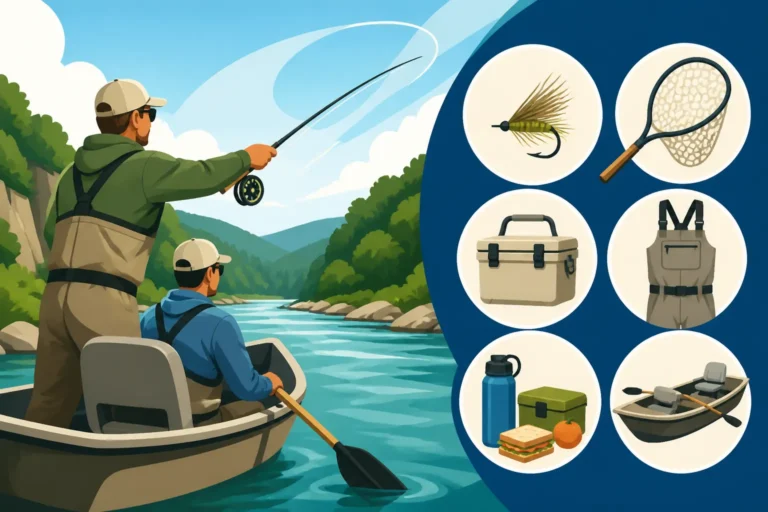
Here’s a quick checklist of additional items to consider:
- Water Bottle: Staying hydrated is important, regardless of the temperature.
- Snacks: Fishing builds an appetite! Pack some non-perishable snacks like granola bars, trail mix, or fruit.
- Camera/Phone: Make sure it's in a waterproof case or dry bag for those memorable catches.
- Small First-Aid Kit: For minor cuts, scrapes, or blisters. Your guide will likely have one, but it never hurts to have your own.
- Prescription Medications: Keep them easily accessible and protected from water.
Remember that What's Included in an $800 White River Guide Trip or similar guide services will detail what the guide provides. If you're unsure about anything, don't hesitate to ask your guide directly before your trip. They are the local experts and want you to have the best experience possible.
A Quick Gear Comparison Table for White River Trips
To help you visualize your layering strategy, here's a simplified table based on typical White River conditions:
| Condition | Base Layer | Mid Layer | Outer Layer | Footwear | Headwear |
|---|---|---|---|---|---|
| Warm/Sunny | Light synthetic/Merino | Light fleece vest (optional) | Lightweight windbreaker (optional) | Deck shoes/Waterproof sneakers | Wide-brimmed hat, polarized sunglasses |
| Cool/Overcast | Mid-weight synthetic/Merino | Fleece jacket/sweater | Waterproof/windproof jacket | Waterproof hiking boots/fishing boots | Beanie or cap, polarized sunglasses |
| Cold/Windy | Heavy synthetic/Merino | Heavy fleece/puffy jacket | Heavy-duty waterproof/windproof suit | Insulated waterproof boots | Warm beanie, neck gaiter, polarized sunglasses |
| Rainy | (Dress for temperature underneath) | (Dress for temperature underneath) | Full waterproof rain suit (jacket & pants) | Waterproof boots/Waders | Waterproof hat/hood, polarized sunglasses |
This table serves as a general guideline. Always consider the specific forecast for your trip date, but lean towards over-preparing for cold and wet rather than under-preparing. Knowing What to Pack for a Half-Day Trout Trip in Arkansas is just as important as a full day, as conditions can change rapidly.
Remember, a successful White River guide trip isn't just about catching fish; it's about enjoying the entire experience, and being comfortably dressed is a huge part of that. So layer up, protect your extremities, and get ready for an unforgettable day on the water!
Disclaimer
This article is for general informational purposes only and does not constitute professional advice. Laws, prices and regulations vary by location and change over time. Consult a qualified professional for guidance on your specific situation.