Catch-and-Release Rules on Guided White River Trips
It's an exciting prospect, heading out on a guided fishing trip on Arkansas's legendary White River! But amidst all the anticipation of hooking into a trophy trout, many folks find themselves wondering about the "rules" of engagement once that fish is in the net. Will you be able to take it home for dinner? Or is it strictly catch-and-release? This can be a real point of confusion and even frustration, especially if you're picturing a fresh trout meal and your guide has other ideas. Well, don't you worry. We're going to dive deep into the nuances of catch-and-release on guided White River trips, so you'll know exactly what to expect and how to make the most of your adventure while also doing your part for this incredible fishery.
Understanding Catch-and-Release on the White River: It's More Than Just a Suggestion
When you're out on the White River, whether it's the section below Bull Shoals Dam or further downstream, you're fishing in one of the most renowned trout fisheries in the world. This isn't just a casual stream; it's a carefully managed ecosystem that relies heavily on responsible angling practices, and catch-and-release is a huge part of that. It's not always about a strict legal mandate, but often about a conservation ethic that many guides and seasoned anglers champion.
Why Catch-and-Release is Crucial for White River Trout
Imagine a stretch of river that consistently produces huge brown trout and feisty rainbows. That's the White River. But this doesn't happen by accident. The cold, oxygen-rich waters released from the deep sections of Bull Shoals Dam create an ideal environment for trout, but it's a relatively contained system. The pressure from thousands of anglers eager to experience this world-class fishing can take its toll if not managed wisely.
Catch-and-release is vital because it allows these fish, especially the larger, more mature ones, to grow and reproduce, contributing to the genetic strength and overall abundance of the population. If everyone kept every legal fish they caught, especially the big ones, the trophy fishery we all dream of would quickly diminish. Think of it like this: releasing a 20-inch brown trout means it gets to spawn again, produce more fish, and maybe even get caught by another angler (or you!) when it's even bigger. It's an investment in the future of the river. This practice is particularly important for species like brown trout, which are slower growing and contribute significantly to the river's reputation for Trophy Brown Trout Records on the White River. Without a strong catch-and-release culture, those impressive size records simply wouldn't exist for long.
Regulatory Framework: State Rules vs. Guide Practices
Now, here's where it can get a little tricky, but it's important to understand the distinction. The Arkansas Game and Fish Commission (AGFC) sets the official statewide regulations for fishing, which include daily creel limits (how many fish you can keep in a day) and size limits (how big a fish must be to keep). These are the bare minimum legal requirements. For example, specific tailwaters might have different regulations, such as lower daily limits or slot limits designed to protect certain size classes of fish. It's always a good idea to check the latest Arkansas Fishing Regulations Guide before any trip. You'll also need to make sure you have your Arkansas Fishing License Rules and Costs and, if you plan to target trout, your Arkansas Trout Permit Rules in order.
However, many professional fishing guides on the White River often operate under their own, stricter, unwritten (or sometimes written in their booking policies) catch-and-release rules. Why? Because they are deeply invested in the health of the fishery and understand that exceeding the minimum conservation efforts helps ensure they'll have a thriving business for years to come. A guide's reputation often hinges on their ability to consistently put clients on quality fish, and that requires a healthy population. While the state might allow you to keep five rainbow trout, your guide might encourage releasing all but one or two, especially if they are particularly large or unique. For brown trout, many guides enforce a strict catch-and-release policy, especially for anything over a certain size, recognizing their value as breeders and trophy fish. These practices aren't legal requirements, but rather ethical standards that promote a sustainable, world-class fishery.
Navigating Your Guided Trip: What to Expect from Your Guide
Booking a guided trip on the White River is a fantastic way to experience this fishery, especially if you're new to the area or targeting specific species like trout. But to avoid any misunderstandings, especially regarding catch-and-release, a little preparation and clear communication go a long way.
Discussing Catch-and-Release Expectations Before You Book
This cannot be stressed enough: talk to your guide beforehand! Before you even commit to a booking, have an open conversation about their philosophy on keeping fish. Some guides specialize in "trophy trout" trips, where the expectation is almost always 100% catch-and-release for the big browns and rainbows, focusing on the thrill of the fight and a quick photo before a careful release. Other guides might be more amenable to keeping a few legal-sized rainbow trout for a shore lunch or to take home.
Here are some questions you might want to ask when you're speaking with potential guides or browsing platforms like FishingBooker:
- "What are your typical policies on keeping fish, especially for brown trout and rainbow trout?"
- "Do you encourage catch-and-release for certain sizes or species?"
- "If we want to keep a few fish for dinner, is that something you accommodate, and what are the limitations?"
- "Are there any specific regulations on the section of the river we'll be fishing that I should be aware of regarding limits?"
Many reputable guides, the kind you often find listed with services like FishingBooker, will be very upfront about their policies. They want you to have a great trip, and that includes managing expectations. It's better to know their stance before you get on the boat than to be disappointed or cause an awkward situation once you've landed a beautiful fish. Remember that every guide runs their business a little differently, so don't assume. Looking for a guide? Check out White River Fishing Guides: Arkansas's Trout Fishing Capital for more information on finding the right fit.
Best Practices for Handling Fish on a Catch-and-Release Trip
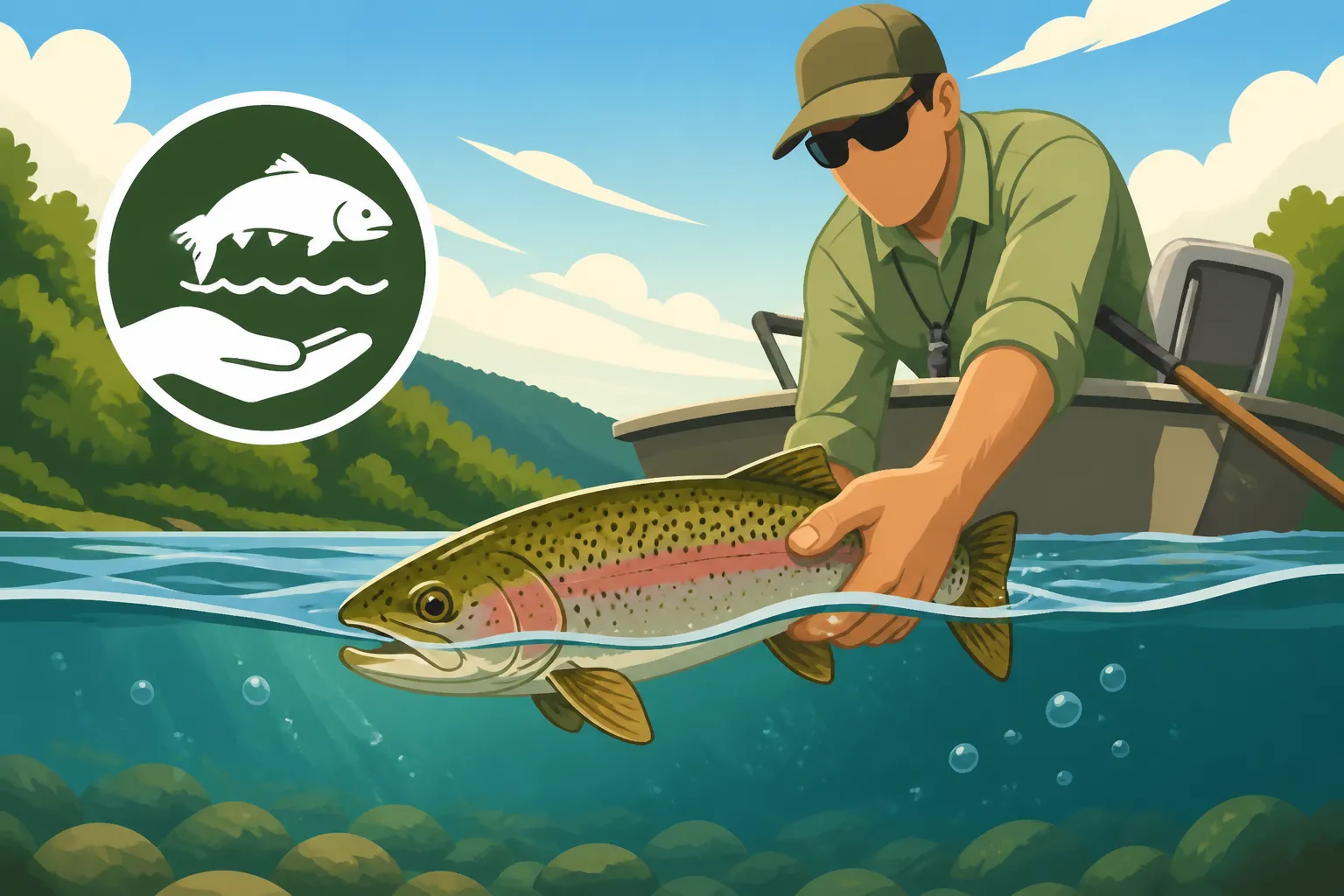
Even if you do plan to keep a few fish, responsible handling is paramount. For fish destined for release, it's an absolute game-changer in ensuring their survival. Your guide will likely be an expert at this, but knowing what to do yourself can help.
Here’s a table outlining key catch-and-release best practices:
| Practice | Why It's Important | How to Do It (or ask your guide) |
|---|---|---|
| Wet Hands | Protects the fish's protective slime coat, which prevents infection and disease. | Always wet your hands thoroughly before touching the fish. |
| Minimize Air Exposure | Fish cannot breathe air. Prolonged exposure causes stress and can damage gills. | Keep the fish in the water as much as possible, especially during de-hooking and photos. |
| Use Proper De-hooking Tools | Reduces injury to the fish when removing hooks, especially deeply swallowed ones. | Use needle-nose pliers or hemostats. Your guide will have these. |
| Use Barbless Hooks | Makes hook removal easier and causes less damage to the fish's mouth. | Pinch down barbs on your hooks or use hooks manufactured without barbs. Many guides require this. |
| Support the Fish | Prevents internal organ damage and spinal injury. | Support the fish horizontally with two hands (one under the head, one under the tail). Never hang a fish vertically by its jaw. |
| Revive the Fish | Helps the fish recover from the fight and swim away strongly. | Hold the fish gently facing into the current until it can swim strongly on its own. |
| Quick Photos | Reduces the time the fish is out of water. | Have your camera ready, snap a few quick shots, and get the fish back in the water promptly. |
Many guides will have you use rubber-coated nets, which are much gentler on a fish's delicate skin and fins than traditional nylon nets. They'll also be quick to remove the hook and get that fish back in the water. Remember, the goal is for that trout to swim away strong and healthy, ready to fight another day. If you're interested in learning more about different fishing techniques that aid in catch and release, consider looking into Fly-Fishing Guide Trips on the White River in Arkansas as they often emphasize these conservation-minded methods.
The Keeper Option: When and How You Can Take Fish Home
While conservation and catch-and-release are a significant part of the White River culture, it's not entirely forbidden to keep fish. There are definite circumstances when you can and should feel comfortable taking some home, provided you follow the rules and communicate effectively with your guide.
Adhering to Arkansas Game and Fish Commission Limits
The AGFC sets specific daily limits and size restrictions for trout on the White River, and these can vary depending on the exact stretch of water you're fishing. Generally, rainbow trout are the species most commonly kept for consumption, while brown trout are often released, especially larger ones, due to their trophy potential and slower growth rates.
For instance, on certain tailwaters, you might find a daily limit of 5 trout, but with specific rules like only one brown trout over 24 inches, or only two rainbow trout over 14 inches. These rules are designed to balance angler harvest with the long-term health of the population. It's crucial that you and your guide are aware of the specific regulations for the particular section of the White River you'll be fishing that day. Your guide will be well-versed in these nuances. For instance, the rules for keeping trout on Trout Limits on the Norfork Tailwater in Arkansas might differ from those on the Bull Shoals Tailwater Trout Rules in Arkansas, and your guide will know exactly what applies where you are.
It's important to understand that if you plan to keep fish, even within these limits, you'll still need the appropriate licenses and permits. This includes your general fishing license and an Arkansas Trout Permit. These are required regardless of whether you're guided or fishing on your own. For more details on what permits you need, especially if you're a non-resident, check out Arkansas Fishing License Requirements for Guided Trips.
The Guide's Role in Keeping Your Catch
If your goal for the trip includes bringing home some fresh fish, this absolutely needs to be communicated to your guide before you book. Many guides are happy to accommodate, within legal and ethical boundaries. They might even offer to clean and package your catch for you at the end of the day, which is a fantastic service. However, some guides might have strict catch-and-release policies for all fish, or only allow keeping smaller, "stocker" rainbow trout, while insisting on releasing all brown trout.
When you discuss this with your guide, clarify a few things:
- Quantity and Species: Be specific about what you hope to keep. "A couple of rainbows for dinner" is clearer than "some fish."
- Cleaning Service: Ask if they provide cleaning services and if there's an extra charge. Most quality guides on the White River will offer this as part of What an Arkansas Guided White River Trip Includes.
- Storage: You'll want to bring a cooler with ice, or confirm if the guide provides one, to keep your fish fresh during and after the trip.
Remember, the guide is there to facilitate a great experience and ensure you're fishing legally and responsibly. They're not just a boat driver; they're an expert on the river, its fish, and its regulations. Respecting their expertise and policies is key to a smooth and enjoyable trip. If you're looking for different types of trips, you can use platforms like FishingBooker to filter guides based on their stated catch-and-release policies or simply message them directly through the platform to get clarification.
Making the Choice: Balancing Your Desires with Conservation
Fishing is a deeply personal experience, and what you hope to get out of a day on the water can vary wildly from angler to angler. Some want the thrill of the catch, some want solitude, and some definitely want to fill their freezer. On the White River, especially with a guide, you'll often find yourself at the intersection of personal preference and the broader call for conservation.
Personal Preferences vs. Conservation Ethics
It's completely understandable to want to take home a beautiful, fresh trout after a successful day on the water. There's a primal satisfaction in providing food, and a fresh-caught trout dinner is a culinary delight. However, the unique and precious nature of the White River fishery means that many anglers, and especially the guides who depend on it, often adopt a strong conservation ethic.
This isn't to say that keeping a legal limit of rainbow trout makes you a bad angler. Not at all! It's about being mindful. The White River's reputation for producing large, wild-spawned brown trout is a direct result of decades of careful management and voluntary catch-and-release by dedicated anglers. Deciding to release a larger fish, even a legal one, contributes to that legacy. It’s a decision to prioritize the long-term health and trophy potential of the river over a short-term meal. Most guides will celebrate the release of a particularly impressive fish with just as much, if not more, enthusiasm than they would if you decided to keep it. It's about respecting the resource. If you're pondering when might be the best time to fish this special river, take a look at Best Time of Year to Book a White River Trip for more insights.
How Your Decisions Impact the White River's Future
Every fish released, especially a large, healthy one, is a positive contribution to the White River's future. It's not just an abstract idea; it's a direct impact. A 25-inch brown trout released today could be a 28-inch monster next year, or more importantly, it could spawn hundreds or thousands of offspring that will populate the river for years to come.
By choosing a guide who champions conservation, by diligently practicing proper catch-and-release techniques, and by being mindful of your harvest, you become an active participant in preserving this amazing natural resource. The White River is truly a national treasure, drawing anglers from all over, and its continued health depends on all of us. When you're considering your next guided trip, keep these points in mind, and don't hesitate to use resources like FishingBooker to explore guides' profiles and ensure their approach aligns with your own fishing goals and ethical considerations. Finding the right guide who shares your values, whether that's strictly catch-and-release or allowing a limited harvest, is key to a truly fulfilling experience. You might also want to read How to Choose a Fishing Guide in Arkansas for more tips on making the best selection.
Disclaimer
This article is for general informational purposes only and does not constitute professional advice. Laws, prices and regulations vary by location and change over time. Consult a qualified professional for guidance on your specific situation.