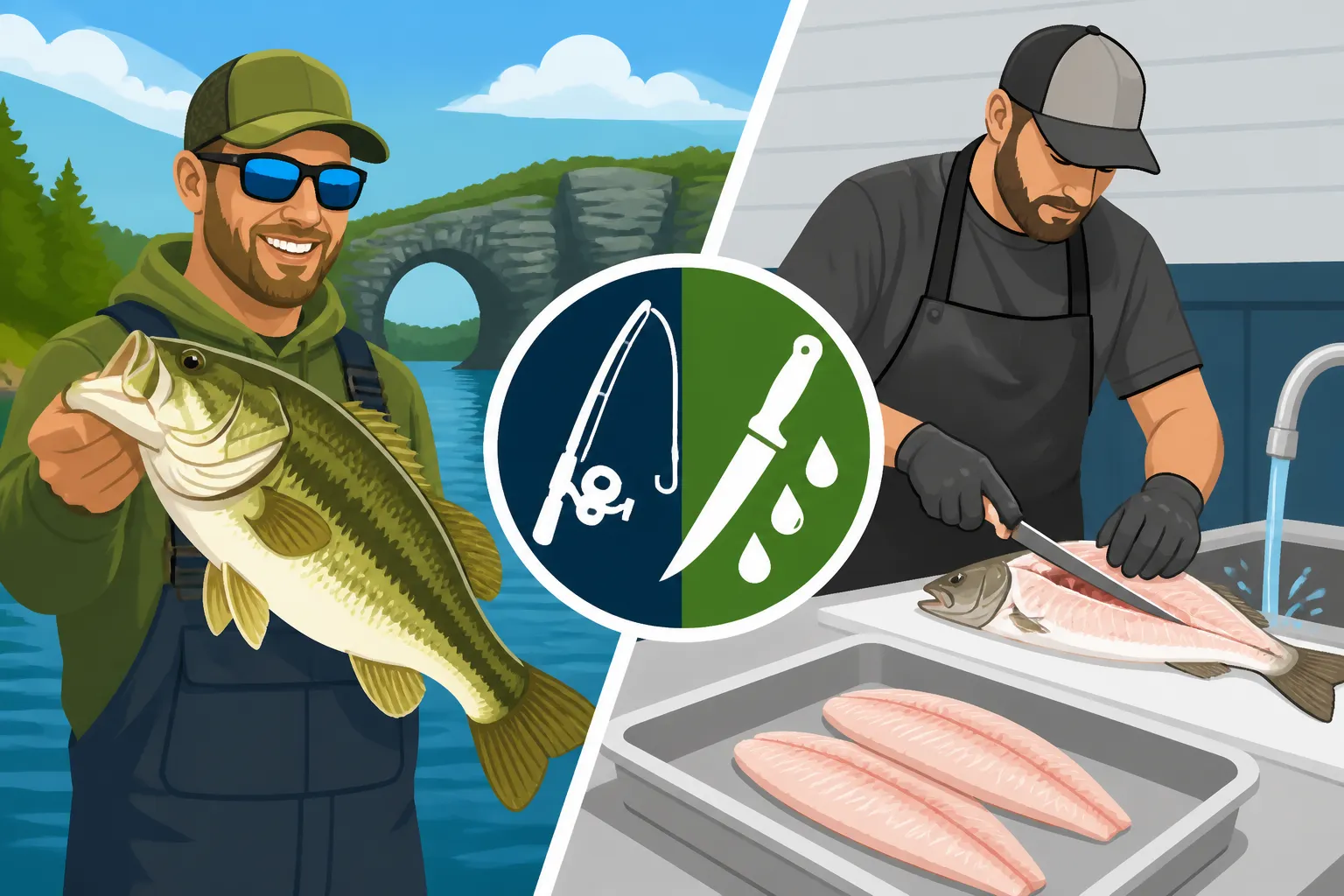
Do Arkansas Fishing Guides Clean Your Catch?
One of the most common questions that pops into an angler's mind after booking a guided fishing trip in Arkansas, especially if they're hoping to bring home a fresh meal, is "Will the guide clean my fish?" It's a valid concern, and honestly, the answer isn't always a simple yes or no. The reality is, it really depends on a few key factors: the guide, the type of trip, the target species, and even where you're fishing. This guide will walk you through what to generally expect, how to set your expectations, and most importantly, how to communicate with your guide to avoid any surprises once you’re out on the water.
The General Practice: What to Expect from Arkansas Fishing Guides
When you sign up for a guided trip, you're investing in an experience. Your guide is there to put you on fish, share their local knowledge, ensure your safety, and provide a memorable day. The act of cleaning fish, while often a pleasant bonus, isn't always at the top of their core service list. It's not like going to a restaurant where the meal is guaranteed; it's more about the hunt and the catch.
The "Catch and Release" vs. "Catch and Keep" Philosophy
Many of Arkansas's premier fishing destinations, particularly the famous trout waters like the White River below Bull Shoals Dam or the Norfork Tailwater, are renowned for their trophy-sized fish. On these rivers, a strong catch-and-release ethic often prevails, especially for larger brown trout or rainbow trout. Guides specializing in these waters are often passionate conservationists who prioritize the health and sustainability of the fishery. Their goal might be to help you land that personal best, snap a quick photo, and then gently release the fish to fight another day. It's a noble pursuit, and one that many anglers embrace wholeheartedly.
However, not all trips are about catch and release. If you're targeting crappie on Lake Ouachita, catfish on the Arkansas River, or even a mess of eating-sized rainbow trout from certain sections of the White River, the intent is often to bring home dinner. In these scenarios, the guide's approach to cleaning changes dramatically. They understand that part of the enjoyment for many anglers is savoring their catch at the dinner table. It’s crucial to understand this philosophical difference before you even cast a line.
Why Cleaning Services Aren't Always Standard
Fishing guides operate on tight schedules. A "full day" trip often means they've been up before dawn prepping gear, running the boat, and scouting locations, and they might have another trip lined up for the next day, or evening. Adding an hour or two of fish cleaning at the end of a long day can significantly cut into their prep time, family time, or even their ability to make it to another appointment. It's a demanding profession, and their primary focus is ensuring your fishing experience itself is top-notch.
Furthermore, there are practical considerations. Not all guides have dedicated, sanitary cleaning stations. While they might be experts at filleting, they might not have the facilities to process a boatload of fish efficiently and hygienically. Some guides might even operate under specific permits or regulations that don't cover extensive fish processing. It's not about being unwilling; it's often about logistics and the sheer demands of their business. They’re providing a service to get you on the fish, not necessarily to prepare them for your skillet.
When Guides Might Clean Your Catch (or Facilitate It)
While it's not a universal guarantee, there are definitely situations where Arkansas fishing guides will clean your catch, or at least help you find a way to get it done. It's all about clarity and knowing what kind of trip you're booking.
Specialty "Catch and Keep" Trips
If your guided trip is explicitly marketed as a "meat trip" or a "fish fry trip," then you can usually expect fish cleaning to be part of the deal. These trips are typically focused on species that are commonly kept for eating, such as crappie, catfish, or sometimes even striped bass. For instance, if you're out on DeGray Lake with a crappie guide or targeting big blue catfish on the Arkansas River, the expectation is that you'll be taking fish home.
Many guides who run these types of trips are well-equipped and practiced in filleting fish quickly and efficiently. They might even have a dedicated cleaning station at their dock or a process down pat for handling the catch. When you're browsing for a guide, perhaps through a platform like FishingBooker, pay close attention to the trip descriptions. Look for phrases like "filleting included" or "we clean your catch." If it's not explicitly stated, it's always best to ask before you commit. These guides understand that a satisfied client often means a delicious meal at the end of the day.
The "Filet-and-Bag" Service: What It Entails
When a guide does offer to clean your catch, what does that typically look like? Usually, it means they will gut, scale (if necessary), and fillet your fish. The fillets are then often rinsed, placed in sturdy plastic bags, and put on ice in your cooler. This ensures they stay fresh for your journey home or until you're ready to cook them. The goal is to provide you with ready-to-cook portions.
It's a skilled job that takes time and effort, and often, guides will charge a small additional fee for this service. This fee compensates them for their time, the cleaning supplies, and the disposal of fish carcasses. For example, a guide might charge a flat rate per trip, or a per-fish fee, especially for trout. It's a small price to pay for the convenience and expertise, ensuring you get perfectly cleaned fillets without having to do the messy work yourself. This service is incredibly valuable, as it saves you the hassle and ensures your fish are processed correctly for optimal freshness.
Cleaning Stations or Nearby Processors
Even if your guide doesn't personally clean fish, they are almost always a wealth of local information. Many marinas, particularly on larger lakes like Lake Ouachita or Norfork Lake, have public cleaning stations where you can process your catch yourself. These stations typically have running water, cleaning tables, and disposal bins. Some guides will happily direct you to the nearest one.
In some areas, especially near popular fishing towns, you might even find commercial fish processors. These businesses specialize in cleaning and sometimes even vacuum-sealing fish for a fee. Your guide might have a relationship with a local processor and can drop off your catch for you, or at least provide contact information. While it might cost a bit extra, it's a fantastic option if you've had a banner day and want professional handling of your catch. Always factor in these possibilities when planning your trip, and don't hesitate to leverage your guide's local knowledge.
Communicating Your Expectations with Your Guide
The golden rule for any guided trip, especially regarding services like fish cleaning, is communication. Don't assume anything. A little proactive questioning can save a lot of potential disappointment.
Ask Before You Book (or Soon After)
Seriously, this is the most critical piece of advice I can give you. The worst time to ask about fish cleaning is when you're already dockside, rods in hand, ready to go. By that point, the guide has likely planned their day, and adding an unexpected task like cleaning a cooler full of fish might throw a wrench in their schedule. Instead, make it a point to ask about their policy on fish cleaning when you're booking the trip or shortly thereafter, perhaps during a confirmation call or email.
A simple question like, "Do you offer fish cleaning services, and if so, is there an additional charge?" is all it takes. This gives the guide a chance to clearly explain their policy, whether it's included, an extra fee, or something they simply don't do. Many guides are happy to accommodate if they know your expectations upfront. If you're using a booking platform like FishingBooker, you can often find details in the guide's profile or send them a direct message before confirming your trip. This helps ensure everyone is on the same page and that your expectations align with the services being offered. Understanding this upfront can make a huge difference in your overall experience. How to Book a Fishing Guide in Arkansas provides more great tips on preparation.
Be Prepared for Self-Cleaning (Just In Case)
Even if your guide says they can clean fish, it's not a bad idea to be prepared to do it yourself. Things happen: the bite might be so hot that cleaning takes too long, or the guide might have an unforeseen emergency. Having the right tools on hand means you're not left scrambling. At a minimum, bring a dedicated cooler full of ice for your catch. This keeps your fish fresh whether they're whole or filleted.
For self-cleaning, a sharp fillet knife, a small cutting board, and a stack of sturdy freezer bags are essential. Many boat ramps and campgrounds around Arkansas's lakes and rivers have dedicated fish cleaning stations with water access, which makes the job much easier. If you're staying at a cabin or lodge, check if they have cleaning facilities. Remember to always dispose of fish carcasses properly, typically in designated bins at cleaning stations or by taking them to a proper waste facility. Never simply dump them into the water near docks or public areas. What to Bring on a Guided Arkansas Fishing Trip will have other useful tips for your trip.
Tipping Considerations for Extra Services
Let's be realistic: cleaning fish after a long day on the water is an extra effort. If your guide provides this service, especially if it wasn't explicitly advertised as included or you sprung the request on them last minute, it’s customary and highly appreciated to acknowledge that effort with your tip. A typical tip for a fishing guide ranges, but adding a bit extra for the cleaning service is a kind gesture that shows you value their hard work and dedication beyond just getting you to the fish.
Think of it this way: they’re not just saving you time, they’re providing a professional service that ensures your catch is prepared correctly. This can significantly enhance your experience and the enjoyment of your fresh fish. So, when you're calculating your tip at the end of the day, consider the added value of having your guide handle the messy work. It's a small way to say "thank you" for going the extra mile. For more details on this, check out our guide on Tipping Your Fishing Guide in Arkansas.
Regulations and Practicalities of Keeping Fish
While getting your fish cleaned is great, it's paramount that you, as the angler, understand and adhere to all fishing regulations set forth by the Arkansas Game and Fish Commission. Your guide will certainly help you stay legal on the water, but ultimately, the responsibility for compliance rests with you.
Understanding Daily Limits and Length Restrictions
Arkansas has specific daily limits and length restrictions for various fish species, and these rules are in place to ensure sustainable fisheries for future generations. For instance, the largemouth bass daily limit statewide is 5 fish, but there might be specific exceptions on certain lakes, like Lake Monticello. Crappie often have a statewide daily limit of 20 fish, with a minimum length of 9 inches, but again, certain lakes like Lake Cargile might have different rules. Trout on the White River tailwaters have their own specific regulations, including special limits on certain sections and size restrictions for keeping larger fish.
Even if your guide is cleaning your fish, they will only clean what is legally allowed to be kept. Keeping undersized fish or exceeding your daily limit can result in hefty fines and penalties for both you and your guide. It's crucial to be aware of these rules for the specific body of water and species you are targeting. You can find comprehensive details in our articles like Arkansas Fish Size and Daily Limits and New Possession Limit Rule for Arkansas Anglers. Staying informed is part of being a responsible angler.
Transporting Your Catch Home
Once your fish are cleaned and bagged, the next step is getting them home safely and freshly. The absolute key here is ice. Lots of it. Properly iced fish will maintain their quality much longer. Layer your fillets in plastic bags, surrounded by plenty of ice in a quality cooler. Avoid letting fillets sit in melted ice water, as this can degrade their quality quickly.
It's also wise to be aware of any regulations regarding the transport of fish, especially if you're crossing state lines. While Arkansas has eliminated statewide possession limits for the 2026-27 season, meaning you no longer have to worry about counting fish at home, the daily creel limits still apply. This means you can't harvest more than the daily limit on any given day. When transporting, some states might require fish to have a patch of skin attached for identification, or have specific rules about what constitutes a "final point of storage." While I can't give specific interstate advice, always check the regulations for any states you'll be traveling through to avoid issues. For more on Arkansas's rules, look at What Counts as a Final Point of Storage for Fish in Arkansas.
Here's a quick overview of what to typically expect regarding fish cleaning services on different types of guided trips in Arkansas:
| Trip Type / Target Species | Guide Cleaning Typically Offered? | Why/Why Not | What to Do |
|---|---|---|---|
| White River Trout (Trophy) | Rarely | Focus is on catch & release; Large fish often protected; Time-consuming; Delicate handling. | Ask specifically if keeping any fish is an option, and confirm if cleaning is offered or extra. Be prepared for C&R. |
| White River Trout (Eating-Size) | Sometimes (often for a fee) | Anglers often want to keep a few smaller, stocked trout for dinner; Easier to clean than larger fish. | Inquire beforehand; Expect a small charge per fish or per cooler. |
| Lake Crappie/Bream | Often | These are popular eating fish; Guides understand the desire for a meal; Trips often target higher numbers of fish. | Usually included or a small fee; Confirm when booking. Many crappie guides specialize in this. |
| Lake Bass (Catch & Keep) | Sometimes | Depends on the guide and lake; Some guides encourage C&R for trophy bass, others cater to keeping smaller ones. | Confirm expectations clearly with your guide, especially if you plan to keep bass. |
| River Catfish | Often | Catfish are prime table fare; Guides are often equipped to handle larger quantities; High demand for keeping. | Usually included or small fee; Confirm when booking. |
| Striped Bass (Norfork/Hamilton) | Sometimes (often for a fee) | Stripers are good eating, but can be large; Cleaning can be physically demanding and time-consuming. | Definitely ask about cleaning and any associated costs when booking, as it can vary widely. |
Disclaimer
This article is for general informational purposes only and does not constitute professional advice. Laws, prices and regulations vary by location and change over time. Consult a qualified professional for guidance on your specific situation.