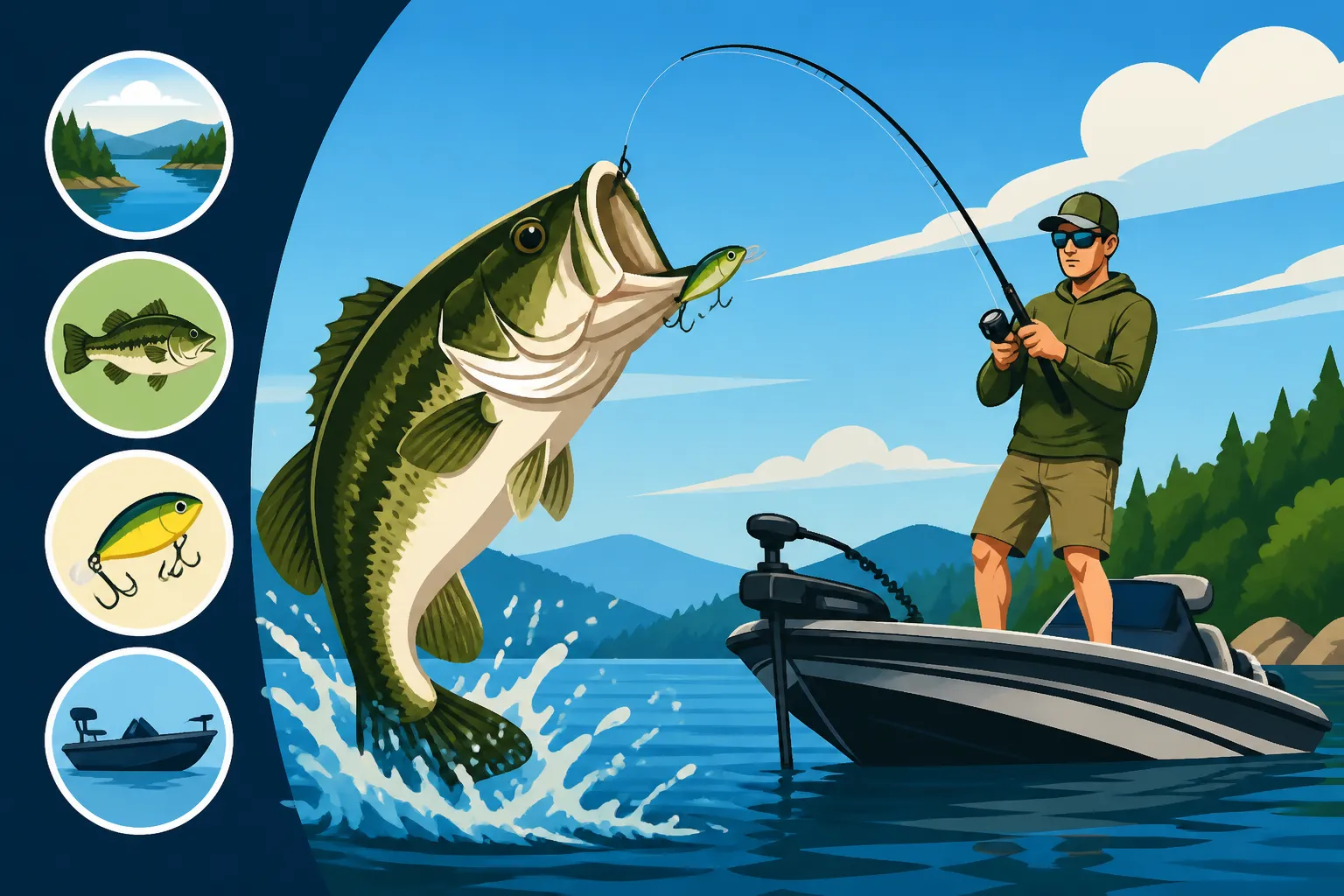
What to Expect on a Lake Ouachita Bass Fishing Trip
Oh, the allure of Lake Ouachita! It's one of those places that calls to an angler's soul, promising crystal-clear waters and trophy-sized bass. But if you've never fished it before, or even if you have and found it a bit overwhelming, you might be wondering what exactly to expect from a bass fishing trip on this massive, beautiful reservoir. It’s easy to feel a little intimidated by its sheer size and reputation, but this guide is here to walk you through everything, helping you prepare for a memorable and successful bass fishing adventure.
Understanding Lake Ouachita's Bass Fishery
Lake Ouachita isn't just a pretty face; it's a phenomenal bass fishery, renowned for its clear waters and abundant game fish. Understanding what lives beneath the surface and how the lake's unique characteristics influence these fish is crucial for any angler, whether you're a seasoned pro or just starting out. You can't just throw a line in anywhere and expect results; there's a method to the madness, and it starts with knowing your quarry and their home.
Species You'll Encounter
When you talk about bass fishing on Lake Ouachita, you're primarily talking about three main species, each with its own quirks and preferred habitats. It's not just "bass"; knowing the difference can really dial in your approach.
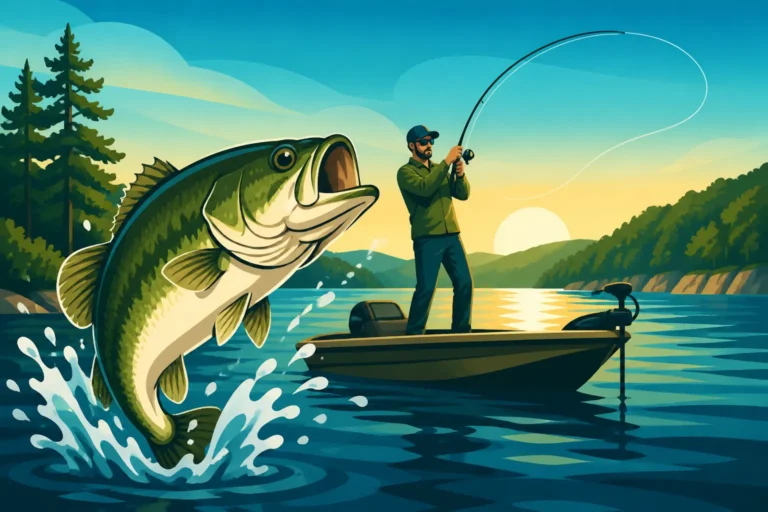
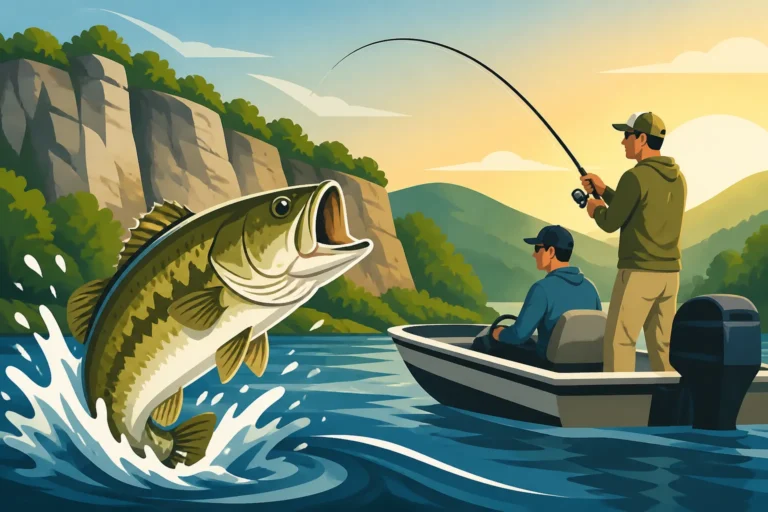
First up, the Largemouth Bass. These are the heavy hitters, the ones that make the cover of magazines. On Lake Ouachita, largemouth tend to favor the abundant timber, brush piles, and shallow coves that offer cover and ambush points. They love to hide, so casting into dense cover is often key to coaxing them out. While the lake's clear water can make them a bit skittish in bright conditions, a cloudy day or early morning bite can be absolutely explosive. You'll find yourself pitching jigs, flipping soft plastics, or throwing topwater lures around visible cover, always anticipating that sudden, powerful strike. If you're chasing that true monster, the largemouth is likely your target. For more on what these fish like, check out Best Bait and Lures for Arkansas Bass.
Then there's the Spotted Bass, often called "Kentucky Bass" in these parts. These guys are a blast to catch and are incredibly common throughout the lake, often outnumbering largemouth in certain areas. They don't typically grow as large as largemouth, but what they lack in size, they make up for in aggressiveness and fight. Spotted bass often school up, especially around rocky points, ledges, and deeper submerged structure. They're less shy of open water and deeper haunts than largemouth, and you can often catch them on crankbaits, swimbaits, or even vertical jigging spoons. They are tenacious fighters, providing a consistent bend in your rod and often making for a fast-paced fishing experience. It's a real joy when you get into a school of actively feeding spots.
Finally, while less common for targeted trips, Smallmouth Bass can also be found, particularly in the clearer, rockier sections of the lake and areas influenced by riverine characteristics. These bronze beauties are prized for their incredible fighting ability, often leaping clear out of the water. They prefer cool, clear water and rocky bottom compositions, so if you're exploring the more natural, less timbered parts of the lake, keep an eye out. Catching a true Ouachita smallmouth is a special treat and often requires a more subtle approach with smallmouth-specific baits like tubes, grubs, or small crankbaits. Knowing How to Tell Largemouth, Smallmouth, and Kentucky Bass Apart can be really useful out on the water.
Lake Characteristics Affecting Bass Fishing
Lake Ouachita is a truly unique fishery, and its physical characteristics play a huge role in how bass behave and where you'll find them. It's not just a big puddle; it's a complex ecosystem.
First and foremost is the water clarity. Lake Ouachita is famous for its exceptionally clear water, often boasting visibility of 10 to 20 feet or more, especially in the main lake and upper reaches. This clear water creates some fantastic sight-fishing opportunities during certain times of the year, particularly during the spawn. However, it also means bass can be more wary of boats, shadows, and obvious lines. You'll often need longer leaders, lighter line, and more natural bait presentations. Stealth becomes your best friend, and long casts are usually preferred to avoid spooking fish. This clarity also dictates where fish will hold during bright conditions – often deeper, or tucked tight into dense cover to escape the sun.
Next up, the abundance of standing timber and varied structure. Much of Lake Ouachita was once forest, and when it was impounded, a lot of that timber was left standing. This means countless submerged trees, stumps, and brush piles create an incredible amount of cover for bass. These submerged forests are magnets for baitfish and, consequently, for bass. You'll spend a lot of time fishing around these areas, both visible and invisible, using your electronics to pinpoint hidden structure. Beyond the timber, the lake features a diverse topography with steep rock bluffs, gradual points, creek channels, and deep ledges. Each of these structures holds fish at different times of the year and under different conditions. Mastering how to effectively fish timber without getting hung up is a rite of passage for Ouachita anglers.
Finally, its sheer size and numerous feeder creeks. Lake Ouachita covers over 40,000 acres and has 700 miles of shoreline, making it Arkansas's largest lake. This vastness means diverse fishing opportunities, but it also means you can't fish it all in a day or even a week. You'll often find distinct patterns developing in different arms or sections of the lake. The feeder creeks, especially after rain, can bring in stained water and nutrients, creating temporary hot spots where bass congregate to feed. Knowing the lake's major arms, such as the North Fork, South Fork, and main lake, and how they fish differently, is key to developing a solid game plan.
Seasonal Expectations for Bass Behavior
Just like people, bass change their habits with the seasons. What works in spring won't necessarily work in summer, and understanding these patterns is vital to a productive trip. Arkansas Fishing Seasons Guide can give you a broad overview, but let's dive into Ouachita specifics.
Spring is arguably the most anticipated time for bass anglers on Lake Ouachita. As water temperatures rise, bass begin to move shallow for the pre-spawn. They stage on points and creek channel bends, feeding heavily to prepare for the spawn. This is a fantastic time for crankbaits, jerkbaits, and spinnerbaits. Once the water hits that magic temperature range (usually mid-60s to low-70s), the spawn kicks into high gear. Bass move into shallow coves, gravel beds, and protected areas to build nests and reproduce. Sight fishing for bedding bass with soft plastics and jigs can be incredibly effective, but remember to practice responsible catch-and-release to protect the fishery. After the spawn, the post-spawn bite can be a bit tougher as bass recover, but they'll eventually move to secondary points and offshore structure, aggressively feeding.
Summer fishing on Lake Ouachita usually means deep water. As surface temperatures climb and the clear water allows light to penetrate deep, bass often retreat to cooler, deeper haunts. You'll find them on main lake points, ledges, submerged humps, and deep timber, often at depths of 20 to 40 feet or more. Techniques like drop-shotting, deep-diving crankbaits, Carolina rigs, and vertical jigging spoons become indispensable. Early mornings and late evenings can also offer a brief window for topwater action in low-light conditions, especially around boat docks and shady shorelines. Summer Bass Fishing Patterns on Ouachita can be challenging but incredibly rewarding for those who learn to decipher the deep-water bite.
Fall brings a renewed sense of aggression to Lake Ouachita bass. As water temperatures begin to cool and baitfish schools migrate into shallower creeks and coves, the bass follow, embarking on a major feeding frenzy. This is an excellent time for a variety of techniques, including topwater lures, spinnerbaits, crankbaits, and soft plastics. The fish become more active and willing to chase a bait. It's a fantastic season for covering water and looking for active schools of feeding bass, often indicated by diving birds or baitfish flicking on the surface.
Winter fishing on Lake Ouachita can be productive, especially for larger fish, but it requires patience and a slower approach. Bass will typically hold in deeper water, often suspending in dense timber or along steep channel breaks. Jigging spoons, Alabama rigs, and slow-rolled finesse baits are often the ticket. The bite can be subtle, but when you connect, it's often with a quality fish that's conserving energy. Don't let the cold deter you; some of the biggest bass come out during the chillier months for anglers who brave the elements and fish slowly and methodically.
| Bass Species | Common Locations | Preferred Baits/Techniques | Average Size |
|---|---|---|---|
| Largemouth Bass | Shallow coves, dense timber, brush piles | Jigs, soft plastics, topwater, spinnerbaits | 2-5 lbs (trophies larger) |
| Spotted Bass | Rocky points, ledges, creek channels, deeper structure | Crankbaits, swimbaits, vertical jigs, shaky heads | 1-3 lbs (aggressive fighters) |
| Smallmouth Bass | Clear, rocky main lake areas, deep ledges | Tubes, grubs, small crankbaits, finesse worms | 1-2 lbs (strong fighters) |
Planning Your Trip: Guides, Gear, and Logistics
Embarking on a Lake Ouachita bass fishing trip, whether it's your first time or your tenth, requires a bit of planning. You've got to consider if you're going it alone or seeking expert help, what gear you'll need, and all the mundane but necessary details that make a trip smooth sailing. It's the difference between a frustrating day and a fantastic one.
Deciding on a Guided Trip vs. DIY
This is often the first big decision. Are you going to hire a professional guide, or will you tackle the lake on your own? Each option has its distinct advantages and disadvantages.
A guided trip is often the best choice, especially if it's your first time on Lake Ouachita or if you're targeting a specific species or technique. Guides live and breathe this lake; they know the current patterns, the best spots, and what baits are working. They provide the boat, rods, reels, and often all the tackle, taking the guesswork out of the equation. This means you can focus entirely on fishing and learning, absorbing their knowledge. It's a fantastic way to accelerate your learning curve, and many anglers report catching more and bigger fish on a guided trip than they would on their own. Moreover, guides can share local insights about the lake, its history, and conservation efforts. Platforms like FishingBooker are excellent resources for finding reputable, experienced Lake Ouachita bass fishing guides. You can often read reviews, compare services, and find the perfect match for your trip. For more on this, check out How to Book a Fishing Guide in Arkansas.
On the other hand, a do-it-yourself (DIY) trip offers the freedom to explore at your own pace and fish exactly how you want. If you have your own boat, electronics, and a good understanding of bass fishing in general, Ouachita can be incredibly rewarding for the independent angler. However, be prepared for a significant learning curve. The lake is vast, and finding fish can be like finding a needle in a haystack if you don't know where to start. You'll rely heavily on your electronics to find submerged structure and baitfish, and you'll need to be adaptable, constantly trying different areas and techniques until you crack the code. It can be incredibly satisfying when you figure out a pattern on your own, but it also carries the risk of a slower day, especially if the conditions are tough. Just remember that even if you're going DIY, places like FishingBooker can offer ideas by showing what kinds of trips guides offer.
Essential Gear for Bass Fishing on Ouachita
Whether you go with a guide or venture out on your own, having the right gear, or at least understanding what a guide will provide, is key.
If you're bringing your own setup, a versatile collection of rods and reels is a good idea. Medium-heavy baitcasting setups are ideal for pitching jigs, flipping soft plastics into timber, and throwing heavier crankbaits. A medium-action spinning rod or two will be invaluable for finesse techniques like drop-shotting, shaky heads, or throwing lighter baits in clear water. Line choice is also critical; fluorocarbon is often preferred for its low visibility and sensitivity, especially in Ouachita's clear water, typically ranging from 10-pound test for spinning gear up to 15-20 pound for baitcasters. Braided line with a fluorocarbon leader is also a popular choice for fishing heavy cover.
As for lures and baits, a diverse tackle box is your best friend. Include an assortment of soft plastics in natural colors (green pumpkin, watermelon seed) for jigging, Texas rigging, and Carolina rigging. Jigs in various weights and colors are essential for fishing timber and brush. Crankbaits, both shallow and deep-diving, are great for covering water and targeting schooling fish. Topwater lures, spinnerbaits, and bladed jigs also have their place, especially during prime feeding times. Don't forget specialty baits like drop-shot worms or shaky head jigs for those finicky clear-water bass. When fishing with a guide, they will supply all this, often a much more refined selection perfectly suited to the day's conditions, but knowing what they're using can help you learn and replicate success later.
Beyond rods and reels, other essentials include a good pair of polarized sunglasses to cut glare and spot structure, a hat, sunscreen, rain gear (the weather can change quickly!), a cooler with drinks and snacks, and a camera to capture those memorable catches. If you're running your own boat, quality electronics with GPS mapping and side/down imaging are practically mandatory for navigating the timber and finding offshore structure. A good landing net is also a smart investment for handling larger fish safely.
Practical Logistics: Licenses, Launching, and Lodging
Don't let the excitement of fishing make you forget the practicalities! These details can make or break a trip.
First, you absolutely need an Arkansas fishing license. If you're a resident, it's straightforward. If you're visiting from out of state, you'll need a nonresident license. You can typically purchase these online through the Arkansas Game and Fish Commission website, at most sporting goods stores, or even at some marinas around the lake. Make sure to check the current regulations, as a trout permit might be required if you venture into certain tailwaters, though not usually for general bass fishing on Ouachita. It's always best to have your license secured before you even hit the water. You can learn more about this in Arkansas Fishing License Rules and Costs.
For launching your boat, Lake Ouachita has numerous public boat ramps, many of which are well-maintained by the U.S. Army Corps of Engineers or the local marinas. Some popular spots include Crystal Springs, Brady Mountain, and Mountain Pine. Depending on your lodging, there might even be a private ramp available. Always check ramp conditions, especially during low water periods, and allow plenty of time for launching, especially on busy weekend mornings.
Speaking of lodging, Lake Ouachita offers a wide range of options to suit every preference and budget. You can find everything from cozy cabins and rustic campgrounds within Lake Ouachita State Park to full-service resorts and vacation rentals around Hot Springs. Many marinas offer cabins or motel rooms directly on the lake, giving you immediate access to the water. Hot Springs, being a larger city nearby, provides more hotel and dining choices, though it's a bit of a drive to the main lake areas. Booking in advance, particularly during peak seasons, is always a good idea to ensure you get your preferred accommodations.
What a Day on the Water Looks Like
So, you've planned, you've packed, and you've got your license. Now, what actually happens when you hit the water for a bass fishing trip on Lake Ouachita? It’s more than just casting and reeling; it’s an experience, a dance between angler and nature, often with a seasoned professional leading the way.
Typical Daily Itinerary with a Guide
If you've opted for a guided trip, your day will usually follow a fairly structured, yet flexible, itinerary designed to maximize your chances of success.
Your day will start early, usually well before sunrise. This is because the early bird often catches the worm, or in this case, the bass. Guides know that the low light conditions of dawn are prime time for an active bite, especially for topwater or shallow-water presentations. You'll meet your guide at an agreed-upon boat ramp or marina. This early start also ensures you beat the heat in summer and have the best chance to target actively feeding fish before they retreat to deeper, cooler water. The guide will have the boat prepped, tackle ready, and a game plan in mind based on recent conditions and reports.
Once on the water, you'll likely start by covering water in areas the guide knows hold fish. This might involve cruising through coves, idling over submerged humps, or slowly moving along main lake points, all while the guide keeps a close eye on their sonar and lake map. They're looking for baitfish, structure, and most importantly, bass. Don't be surprised if you don't stay in one spot for too long; guides are constantly adjusting their strategy to find the most active fish. They'll instruct you on casting techniques, bait presentation, and what to look for, offering tips and adjustments to your retrieve.
Throughout the day, the guide will adapt to conditions. If the morning bite is hot on topwater, you'll stick with that. If it slows down, they'll likely switch to deeper presentations like crankbaits or jigs, moving to different types of structure. Weather changes, water temperature fluctuations, and fish activity all play a role in their decision-making. They'll typically provide snacks and drinks, and often even a packed lunch on full-day trips, ensuring you stay fueled and hydrated. Most trips will run for a half-day (4-5 hours) or a full-day (8 hours). Expect plenty of opportunities to cast, learn, and hopefully, reel in some impressive bass! You can often find detailed itineraries when booking with services like FishingBooker, which helps set expectations before you even arrive.
Common Techniques and Baits Used
On Lake Ouachita, success often comes down to knowing the right techniques and having confidence in your bait selection for the prevailing conditions.
For shallow-water fishing, especially during the spawn or early morning/late evening, topwater lures are a blast. Poppers, walking baits, and buzzbaits can elicit explosive strikes from aggressive bass. Spinnerbaits and bladed jigs are also excellent for covering water and fishing around sparse cover. For dense timber and brush, flipping and pitching jigs or Texas-rigged soft plastics (creatures, worms, craws) are go-to methods. These allow you to penetrate thick cover and present a bait right in the fish's face. The clear water here means opting for more natural colors.
When the bass move deeper, which is often the case during summer and winter, you'll be employing a different set of tactics. Deep-diving crankbaits are great for targeting ledges and channel swings, while a Carolina rig is superb for dragging soft plastics across main lake points and humps. For suspended fish in deep timber, a drop-shot rig or a vertical jigging spoon can be incredibly effective. For those stubborn bass hugging the bottom, a shaky head jig with a finesse worm can often coax a bite when nothing else will. Understanding Deep Water Striper Fishing Techniques can also provide some transferable skills for deep bass, as both often relate to targeting schools on structure.
No matter the technique, line management and sensitivity are crucial. The clear water means fish can see your line, so fluorocarbon leaders are often a must. Feeling those subtle bites, especially on deep-water presentations, requires a sensitive rod and keen attention. Your guide will be a master at these nuances, teaching you how to feel for that slight tap or the gentle weight of a fish picking up your bait.
Embracing the Ouachita Experience
A bass fishing trip on Lake Ouachita is about much more than just catching fish; it’s an immersive experience in nature, a test of skill, and a chance to make lasting memories.
The scenery alone is worth the trip. Lake Ouachita is nestled in the Ouachita Mountains, surrounded by pristine national forest. The clear, deep blue water reflects the lush green hills, creating breathtaking vistas. You’ll see bald eagles soaring overhead, deer at the water's edge, and perhaps even an otter or two. It's a truly wild and beautiful place that offers a serene escape from the hustle and bustle of daily life. Take a moment to soak it all in between casts.
It's also a lake that presents its challenges. The clear water means bass can be finicky. The abundant timber means snags are a constant threat, and you’ll inevitably lose some lures. The vastness means you can spend a lot of time searching. These challenges are part of the learning process and what makes a successful day on Ouachita so rewarding. Don't get discouraged if the bite is slow; persistence, adapting your strategy, and listening to your guide will eventually pay off.
Ultimately, the rewards are incredible. Hooking into a powerful largemouth, feeling the relentless fight of a spotted bass, or just enjoying the tranquility of being on one of Arkansas's most stunning lakes – these are the moments that make a Lake Ouachita bass fishing trip truly special. Whether you fill the livewell or simply enjoy the peace and quiet, the experience of fishing this gem will stay with you long after you've left its shores. It's a place that tends to call you back, time and time again.
Maximizing Your Bass Fishing Success
To truly get the most out of your Lake Ouachita bass fishing trip, it's not just about showing up; it's about being strategic, understanding the subtle cues of the lake, and fishing responsibly. These details can elevate a good trip into an unforgettable one.
Best Times and Conditions
Timing is everything when it comes to bass fishing, and Lake Ouachita is no exception. While fish can be caught year-round, certain periods offer better chances for both numbers and size.
Generally, spring and fall are considered the prime seasons for bass fishing on Ouachita. In spring, the pre-spawn and spawn bring bass into shallower, more accessible water, making them easier to target. In fall, the cooling water triggers a strong feeding bite as bass fatten up for winter. During these shoulder seasons, mild temperatures and moderate boat traffic can make for incredibly enjoyable days on the water. However, each of these seasons also has its specific challenges, such as dealing with spawning fish in spring or rapid temperature drops in fall.
Beyond the season, the time of day plays a significant role. Early morning (dawn) and late evening (dusk) are almost always productive due to lower light conditions, cooler temperatures, and increased baitfish activity. This is when topwater action can be at its best. During the brighter, hotter parts of the day, especially in summer, bass will usually retreat to deeper water or dense shade. Overcast days can extend these prime shallow-water windows, making for excellent fishing throughout the day. Pay attention to the weather forecast and plan your most intensive fishing efforts around these optimal times. For more specific insights, you might want to read Best Time of Day to Catch Bass.
Finally, weather conditions have a huge impact. Stable weather patterns, with consistent temperatures and light winds, often lead to predictable fish behavior. Cold fronts, sudden temperature drops, or strong winds can shut down the bite, making fish lethargic and less willing to chase. However, even challenging conditions can be overcome with the right tactics and a slower, more deliberate approach. Your guide, if you have one, will be an expert at adjusting to these conditions.
Reading the Water and Adjusting Tactics
Lake Ouachita is a dynamic environment, and successful anglers are those who can "read" the water and adjust their tactics accordingly. It's a constant puzzle, and the best anglers are always learning and adapting.
Observing your surroundings is your first step. Look for signs of baitfish, such as schools flickering on the surface or birds diving. These are often indicators that predator fish, like bass, are nearby. Pay attention to water color – while Ouachita is generally clear, localized stained water from rain runoff can concentrate fish. Notice the type of structure: are you seeing rocky bluffs, standing timber, or gradual points? Each will dictate a different approach. Even subtle changes in water temperature, which your guide's electronics will show, can tell you where the bass might be holding.
Being flexible with your tactics is paramount. If you're throwing a crankbait and not getting bites, switch to a soft plastic. If shallow water isn't producing, move deeper. Don't be afraid to experiment with different lure colors, retrieve speeds, or even locations. Sometimes, a slight change in the size of your bait or the way you present it can make all the difference. This adaptive mindset is a hallmark of successful anglers, especially on a diverse lake like Ouachita. Trust your instincts and the information your electronics are providing.
Remember that fish move. Bass are rarely static; they follow bait, seek comfortable temperatures, and find optimal cover. What was a hot spot yesterday might be barren today. Be prepared to move around the lake, covering different types of water until you find an active school. This is where a knowledgeable guide truly shines, as they've spent countless hours learning these movements and patterns.
Conservation and Responsible Angling
As a steward of the environment and a passionate angler, I believe it's our responsibility to protect the incredible resources that Lake Ouachita provides. Practicing conservation and responsible angling ensures that future generations can enjoy the same fantastic fishing experiences we do.
Catch-and-release is a vital part of bass fishing, especially for larger breeding fish. While you are generally allowed to keep a certain number of bass, consider releasing trophy-sized fish to help maintain a healthy population. When you do catch a fish you plan to release, handle it gently, minimize its time out of the water, and ensure it's revived properly before letting it go. Proper handling increases its chances of survival, allowing it to grow larger and reproduce.
Adhering to regulations is non-negotiable. Always be aware of the current size and daily limits for bass on Lake Ouachita. These rules are in place for a reason – to manage fish populations and ensure sustainability. Ignorance of the law is never an excuse, and violating regulations can result in significant penalties. You can find detailed information in the Arkansas Fish Size and Daily Limits guide.
Finally, leave no trace. Pack out everything you pack in, including fishing line, plastic bait packaging, and any trash. Do your part to keep Lake Ouachita's waters and shorelines pristine. Support local conservation efforts and educate other anglers about responsible practices. Our collective actions ensure that Lake Ouachita remains a jewel among Arkansas fisheries for years to come.
Disclaimer
This article is for general informational purposes only and does not constitute professional advice. Laws, prices and regulations vary by location and change over time. Consult a qualified professional for guidance on your specific situation.