Guided Fishing Trips for Beginners in Arkansas
Thinking about dipping your toe into the wonderful world of fishing in Arkansas, but feeling a little overwhelmed by where to start? It’s a common feeling! The thought of navigating new waters, understanding local regulations, and figuring out what gear to use can be daunting for anyone, let alone a beginner. This comprehensive guide is here to unravel all those mysteries and show you how a guided fishing trip can transform your initial hesitancy into an unforgettable adventure, making your first foray into Arkansas fishing smooth, enjoyable, and successful.
Why a Guided Trip is Perfect for Beginner Anglers
Stepping onto the water for the first time, especially in a place as diverse and rich in fishing opportunities as Arkansas, can feel like you're standing at the foot of a mountain without a map. You might not know a trout from a bass, or a spinner from a jig, and that's perfectly okay. A guided fishing trip isn't just about catching fish; it's an immersive learning experience designed to equip you with the knowledge and confidence to truly enjoy the sport.
Overcoming the Intimidation Factor
Let's be honest, the fishing world has its own lingo, its own unspoken rules, and a sometimes-intimidating array of gear. For a beginner, this can be enough to make you reconsider before you even cast a line. The beauty of a guided trip is that it strips away all that pressure. You don't need to know anything beforehand. Your guide is there to bridge the gap, translating the complexities into simple, understandable actions. They handle the boat, the knots, the bait, and even the local chit-chat. This allows you to simply absorb the experience, focus on the joy of being outdoors, and learn without feeling like you're under a microscope. It’s like having a seasoned mentor right by your side, ready to answer every question, no matter how basic it might seem.
Learning the Ropes from a Pro
One of the biggest advantages of hiring a guide is the accelerated learning curve. Instead of spending hours fumbling with tackle or guessing where the fish might be, you're getting real-time, hands-on instruction from someone who lives and breathes Arkansas fishing. Imagine learning to cast correctly in minutes instead of hours, or understanding why a certain lure works in a specific spot because your guide explains the underwater structure and fish behavior. They'll teach you about different fish species, their habitats, and their feeding patterns. This isn't just about catching fish on the day of your trip; it's about building a foundational understanding that you can carry with you on future solo adventures. You’ll pick up tricks of the trade, like reading the water or tying essential knots, that would take countless hours of trial and error to learn on your own. Many guides are passionate educators, eager to share their deep knowledge of the local ecosystem and fishing techniques.
Accessing Prime Spots and Equipment
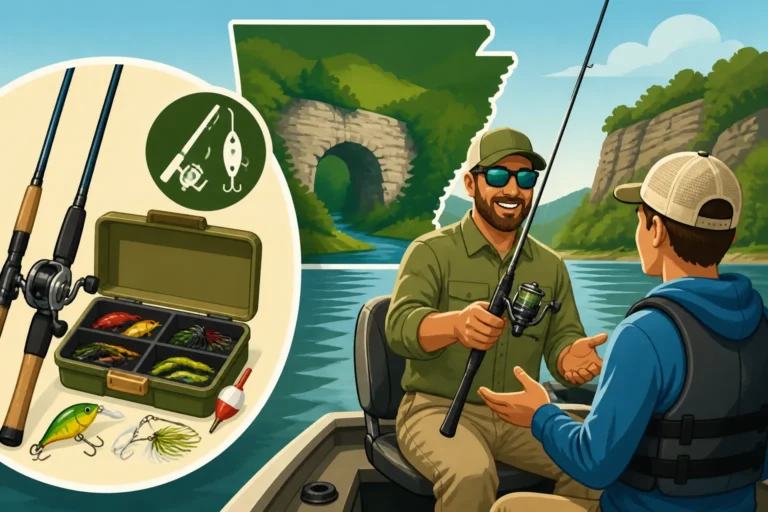
Arkansas boasts incredible fishing, from the trout-filled waters of the White River to the bass havens of Lake Ouachita. But knowing where to go, especially when you're a beginner, is half the battle. Guides have spent years, sometimes decades, exploring these waters and understanding their nuances. They know the secret coves, the productive deep-water ledges, and the precise currents where fish congregate. A guided trip means instant access to these prime locations, maximizing your chances of a successful outing. Beyond location, think about the equipment. Quality fishing gear can be a significant investment, especially if you're unsure what you'll enjoy. Guides typically provide everything you need: top-notch rods, reels, lines, and a wide array of lures and baits specifically chosen for the local conditions and target species. This eliminates the need for you to buy or transport expensive equipment, making your trip hassle-free and cost-effective in the long run.
What to Expect on Your First Guided Fishing Trip
The idea of a guided trip might conjure images of grizzled captains or intense tournaments, but for beginners in Arkansas, it's usually a much more relaxed and educational affair. Knowing what to expect every step of the way can help ease any pre-trip jitters and ensure you get the most out of your experience.
Before the Trip: Booking, Communication, and Prep
The journey starts long before you ever step foot on the boat. Most guides and charter services, often found through platforms like FishingBooker, will have clear booking procedures. This is your chance to communicate your expectations. Are you hoping to catch a specific species, like a trophy brown trout on the White River, or are you just looking for a fun, relaxed day with some panfish? Let your guide know you’re a beginner! This information helps them tailor the trip to your skill level and interests.
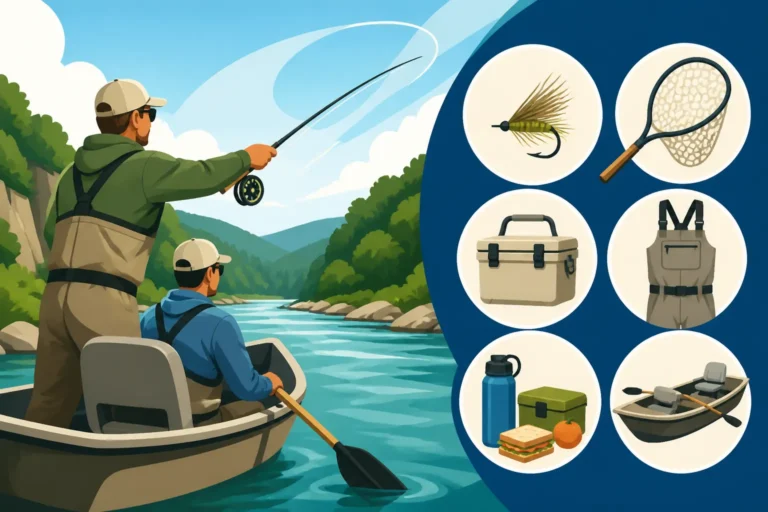
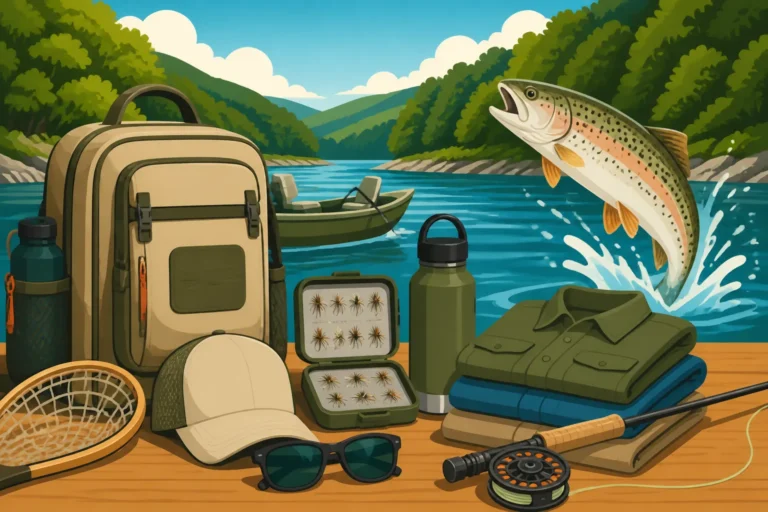
They'll typically provide a packing list, which is usually quite simple: appropriate clothing for the weather, sunscreen, snacks, drinks, and any personal medications. Don't forget your camera! This pre-trip communication is also where you'll confirm details like meeting times, locations, and any specific requirements, such as purchasing your Arkansas Fishing License Requirements for Guided Trips beforehand. It’s important to clarify if the guide handles the licenses or if it's your responsibility, as it usually is.
On the Day of the Trip: Meeting Your Guide and the Adventure Begins
The morning of your trip usually starts early, especially if you're chasing sunrise bites. You'll meet your guide at a pre-arranged location, often a boat ramp, marina, or a local outfitter. A good guide will greet you warmly, make you feel comfortable, and give you a brief overview of the day's plan, including safety protocols. They'll show you around the boat, point out essential safety gear, and answer any last-minute questions you might have.
Once you’re underway, the real fun begins! Your guide will take you to their chosen fishing spots, explaining why they've selected those areas. They'll demonstrate casting techniques, show you how to work lures or bait, and help you recognize a bite. Patience is key, but with a guide, you'll feel supported through every step, even when the fish aren't cooperating. Remember, it's not just about catching; it's about enjoying the process, the scenery, and the company.
What Your Guide Typically Provides
One of the biggest benefits for beginners is that guides come fully equipped. You won't need to worry about buying expensive rods, reels, or tackle boxes. Here's a breakdown of what you can usually expect:
| Item | Description | Beginner Benefit |
|---|---|---|
| Fishing Gear | High-quality rods, reels, line, and tackle specifically suited for the target species and local conditions. | No upfront investment in equipment; use professional gear. |
| Bait/Lures | Live bait, artificial lures, and flies – chosen for optimal success. | No need to research or purchase bait; what works best is provided. |
| Safety Equipment | Life jackets (required for all, especially children), first-aid kit, emergency communication. | Ensures a safe and compliant outing. |
| Vessel & Fuel | A well-maintained boat, often customized for fishing, with all necessary fuel. | Comfortable, efficient transport to prime fishing spots. |
| Expertise & Local Knowledge | Years of experience, understanding of fish behavior, water conditions, and local regulations. | Maximizes chances of catching fish and learning. |
| Fish Cleaning | Many guides offer to clean and bag your catch at the end of the day. | Saves you time and mess, ready for cooking. |
| Photo Ops | Guides are usually happy to take photos of your memorable catches. | Document your first big catch professionally. |
It's always a good idea to confirm specific inclusions when booking, as some guides might offer additional amenities, while others might have you bring your own water or snacks. Some even include lunch on a full-day trip! This helps you decide between a Full-Day vs Half-Day White River Trout Trips: Which to Book in Arkansas based on what you want out of the experience.
Choosing the Right Guide for Your Arkansas Adventure
Arkansas is a fishing paradise, offering everything from serene fly-fishing for trout to thrilling pursuit of striped bass. With so many options, choosing the right guide can seem like another big decision, but with a clear idea of what you're looking for, it becomes much simpler.
Matching Your Target Species and Location
Before you book, consider what kind of fishing experience you're hoping for. Are you dreaming of catching a feisty rainbow or brown trout on a scenic float down the White River? Then you'll want a guide specializing in White River Fishing Guides: Arkansas's Trout Fishing Capital. Perhaps you're keen to wrestle with a largemouth bass on one of Arkansas's many reservoirs, in which case a Guided Bass Fishing Trips on Lake Ouachita might be your ideal choice. Maybe you're after the adrenaline rush of a trophy striped bass on Norfork Lake.
Arkansas has guides specializing in all these fisheries and species. Think about the scenery, the challenge level, and the type of fish that excites you most. Do some quick research on the species found in Arkansas and what sounds appealing. Knowing this will dramatically narrow down your guide search. Websites like FishingBooker often allow you to filter guides by location, species, and type of trip, making the search much easier for a beginner.
Considering Trip Length and Type
Guided trips come in various lengths and styles. For beginners, a half-day trip (typically 4-5 hours) is often recommended. It provides enough time to learn, catch some fish, and enjoy the experience without becoming overly tired or overwhelmed. If you're feeling ambitious or want a more in-depth experience, a full-day trip (8+ hours) offers more time on the water and the chance to explore multiple spots or techniques.
You'll also find different fishing styles:
- Spin Fishing: The most common and easiest for beginners, using a rod and reel with artificial lures or live bait.
- Fly Fishing: A more artful and specialized technique, often preferred for trout in moving waters. While more challenging for a complete novice, many guides offer beginner-friendly fly-fishing trips.
- Trolling: Often used for striped bass or other open-water species, where lures are pulled behind a moving boat.
Don't hesitate to ask guides if they are experienced with teaching beginners for your chosen style.
Vetting Your Guide: Experience, Reviews, and Communication
Once you have an idea of your preferred species, location, and trip type, it’s time to find the right person to lead your adventure. Here’s what to look for:
- Experience and Credentials: A reputable guide will be fully licensed and insured, with years of experience on the waters you plan to fish. Don't be shy about asking about their background.
- Reviews and Testimonials: Online reviews on platforms like FishingBooker are invaluable. Look for consistent positive feedback, especially comments that highlight patience with beginners, good teaching skills, and a friendly demeanor. Pay attention to how the guide responds to inquiries or feedback.
- Communication Style: Reach out to potential guides with a few questions. How promptly and clearly do they respond? Do they seem genuinely interested in understanding your needs as a beginner? A guide who communicates well from the start is likely to be a great companion on the water. It's about finding someone you feel comfortable spending several hours with, learning from, and enjoying the great outdoors. This step is crucial for How to Choose a Fishing Guide in Arkansas that fits your specific needs.
Common Misconceptions and Questions About Guided Trips
Many first-time anglers have a few questions swirling in their heads before they commit to a guided trip. Let's tackle some of the most common ones to put your mind at ease.
Do You Need a Fishing License Even with a Guide?
This is a frequently asked question, and the answer is almost universally yes. In Arkansas, every angler aged 16 and older needs a valid fishing license, regardless of whether they are fishing with a guide or on their own. The guide's license covers their ability to operate commercially, not your personal right to fish. Think of it like a driving instructor – they have a license to teach, but you still need your learner's permit to drive.
It's your responsibility to purchase the appropriate license before your trip. For many, this means a resident or Nonresident Annual Fishing License Cost in Arkansas, and often a trout permit if you're fishing designated trout waters. Your guide can certainly point you to where you can purchase one, but it's best to have it sorted before you meet them. Make sure to check specifically for any additional permits, like an Arkansas Trout Permit Rules, if your trip is on trout-designated streams.
What About Gear, Bait, and Lures?
As discussed earlier, one of the biggest benefits of a guided trip for beginners is that the guide typically supplies all the necessary fishing gear, including rods, reels, lines, tackle, and the right bait or lures for the day. This is a huge relief for novices who might not own any equipment or know what to buy.
However, it's always a good practice to confirm this with your guide when booking. While most standard trips include all the essentials, some specialized trips (like certain fly-fishing excursions) might have specific gear requirements that you'd need to discuss. Don't assume; always ask! This way, you'll know exactly What to Bring on a Guided Arkansas Fishing Trip and what the guide will provide.
Can You Keep the Fish You Catch?
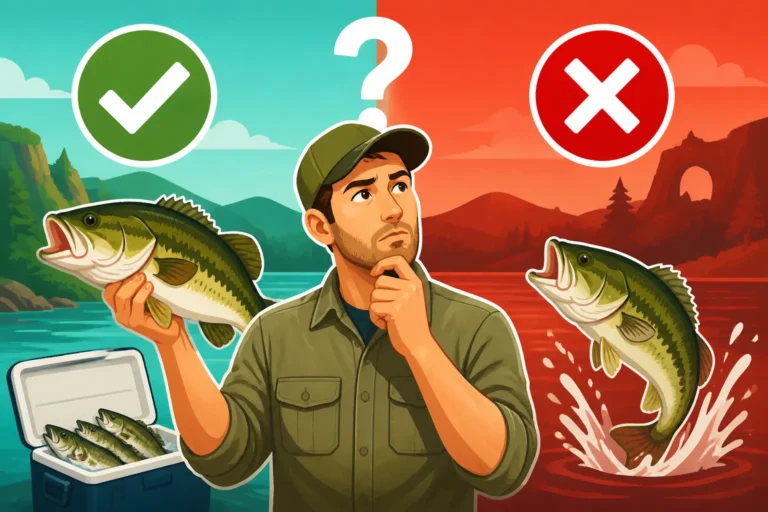
The ability to keep your catch is often dependent on several factors: the species, current regulations (size and daily limits), and your guide's specific policies or preferences. In Arkansas, there are strict daily creel limits and sometimes length limits for various species. For example, there's a Largemouth Bass Daily Limit in Arkansas and specific Crappie Size and Daily Limit in Arkansas. Your guide will be intimately familiar with these rules and will ensure that any fish you keep are within legal parameters.
Many guides operate on a "catch-and-release" basis, especially for certain species or if they specialize in trophy fish, while others are happy for you to take home a legal limit. Some guides will even clean and bag your fish for you at the end of the day, making dinner prep a breeze. Always clarify your expectations regarding keeping fish when you book, and be open to your guide's advice – sometimes the best fish to keep are the ones that are plentiful and delicious, rather than just the biggest. This conversation is essential for understanding Can You Keep the Fish You Catch on an Arkansas Guide Trip?.
Making the Most of Your Guided Experience
A guided trip is an investment, not just in catching fish, but in gaining knowledge and creating memories. To truly maximize its value, especially as a beginner, there are a few things you can do to ensure it's a stellar experience for everyone involved.
Active Learning and Engagement
Think of your guide as a living, breathing encyclopedia of Arkansas fishing. Don't be afraid to ask questions! How do I cast that? Why did you choose that lure? What does this part of the river mean? The more engaged you are, the more you'll learn. Observe your guide's techniques, listen to their explanations, and try to replicate what they do. This isn't just a passive boat ride; it's a chance to actively participate in the learning process.
Asking "why" something works (or doesn't) can provide incredible insights into fish behavior, water dynamics, and effective strategies. Even if you're not planning to become a professional angler, understanding these nuances will deepen your appreciation for the sport and the natural world. This active engagement is part of What First-Timers Should Know Before a Guided Trip in Arkansas.
Communication is Key
Being open and honest with your guide throughout the day is crucial for a great experience. If you're feeling seasick, too hot, too cold, or simply need a break, speak up! Your comfort is important. Similarly, if you're struggling with a particular technique, let your guide know so they can offer alternative advice or a different approach. They want you to succeed and enjoy yourself, but they can't read your mind.
A good guide will constantly check in with you, but don't wait for them to ask. Proactive communication ensures the trip remains enjoyable and productive for everyone. This also extends to post-trip feedback; a quick thank you or sharing what you enjoyed most can be really valuable for a guide.
Tipping and Appreciation
Just like in other service industries, tipping your fishing guide is standard practice and a significant way to show your appreciation for their hard work, knowledge, and effort. Guides rely on tips to supplement their income, especially given the long hours, wear and tear on their equipment, and the dedication it takes to put clients on fish.
While there's no fixed rule, a common guideline for a good experience is 15-20% of the trip's cost. If your guide went above and beyond – like being exceptionally patient, helping kids catch their first fish, or cleaning your entire catch – a more generous tip is always welcomed and well-deserved. Presenting the tip discreetly at the end of the trip is customary. This simple act acknowledges their professionalism and ensures they feel valued. For more details, consider reading Tipping Your Fishing Guide in Arkansas.
Disclaimer
This article is for general informational purposes only and does not constitute professional advice. Laws, prices and regulations vary by location and change over time. Consult a qualified professional for guidance on your specific situation.