What to Bring on a Guided Arkansas Fishing Trip
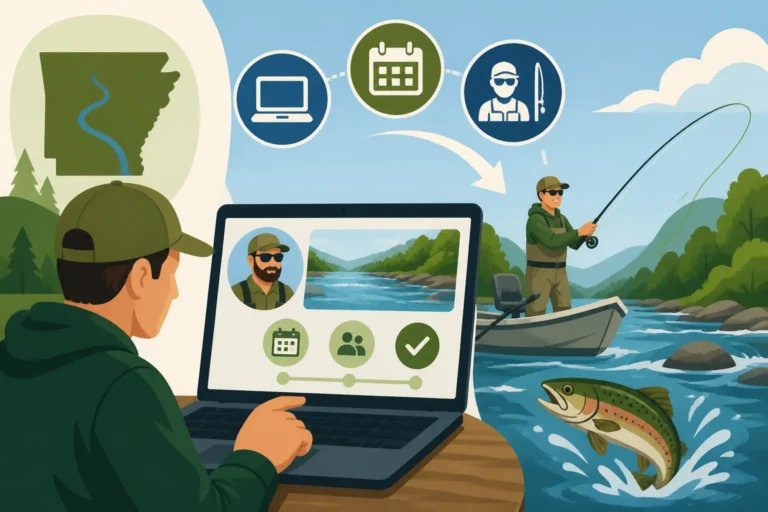
Oh, the excitement of a guided fishing trip! You’ve booked your adventure, maybe through a service like FishingBooker, and now the big day is approaching. But then it hits you: what exactly do you need to bring? The last thing you want is to arrive at the ramp only to realize you’ve forgotten something crucial, or worse, overpacked with items your guide already has covered. This guide is here to walk you through exactly what you should pack for a successful and comfortable guided fishing trip in Arkansas, ensuring you’re prepared for anything the Natural State throws your way.
Essential Documents and Your Fishing License
One of the most common oversights, and arguably the most important, is forgetting your official paperwork. Without the proper documents, your exciting day on the water could turn into a real headache before it even begins. Imagine your guide ready to launch, and you’re scrambling, realizing your license is still on the kitchen counter. Talk about a buzzkill!
Your Valid Arkansas Fishing License
First and foremost, you absolutely, unequivocally need a valid Arkansas fishing license. Even if you've hired a guide, you are still personally responsible for possessing the correct license for your age and residency status. Many folks assume that because they're with a professional, the guide's license somehow covers everyone, but that's just not how it works. You can often purchase these online, even last-minute, or at many local sporting goods stores. Make sure it's current and covers the type of fishing you'll be doing. For instance, if you're targeting trout on the White River, you'll also need a trout permit in addition to your general fishing license. Always double-check this before you leave home. Arkansas Fishing License Rules and Costs provides a great overview of the different options.
Photo Identification
Along with your fishing license, always carry a valid form of photo identification. This could be your driver's license, state ID, or even a passport. Game wardens frequently check licenses on the water, and they need a way to verify that the person holding the license is indeed the rightful owner. It’s also important for any unexpected situations, such as needing to confirm your identity for emergency services or if you’re using any services at the marina or lodge. Don't rely on just having a digital copy of your license on your phone; while often accepted, having a physical ID is always best practice.
Weather-Appropriate Clothing and Gear
Arkansas weather can be famously unpredictable, especially in the mountains and river valleys. You might start your day with a crisp morning chill, only to find yourself sweating under a midday sun, or unexpectedly caught in a sudden downpour. Dressing in layers and being prepared for various conditions is not just a suggestion; it's a necessity for comfort and safety.
Layered Clothing for Changing Conditions
The key to comfort on the water in Arkansas is layering. Think about breathable, moisture-wicking base layers that can keep you warm when it's cool but won't overheat you when the sun comes out. Over that, a light fleece or synthetic jacket provides insulation. On top, a windbreaker or a waterproof shell is often indispensable. This strategy allows you to easily add or remove clothing as temperatures fluctuate throughout the day. For example, a morning float trip on the White River might start at 40 degrees in the spring, but by noon, it could easily hit 70 degrees, making those removable layers absolutely essential.
Rain Gear: Don't Leave Home Without It
"But the forecast said sunny!" is a famous last regret of many an angler. Even on days with a clear forecast, a pop-up shower or a steady drizzle can materialize, especially in the humid Arkansas climate. A good quality, lightweight rain jacket and rain pants (even if they're just packable, emergency ones) are non-negotiable. Getting soaked early in the trip can quickly make you miserable and even lead to dangerous drops in body temperature. Your guide, perhaps one found on FishingBooker, will appreciate that you’re prepared, as it keeps everyone more comfortable and allows the trip to continue smoothly. For more specific guidance on staying dry and warm, check out What to Wear on a White River Guide Trip in Arkansas.
Sun Protection: Hat, Sunglasses, Sunscreen
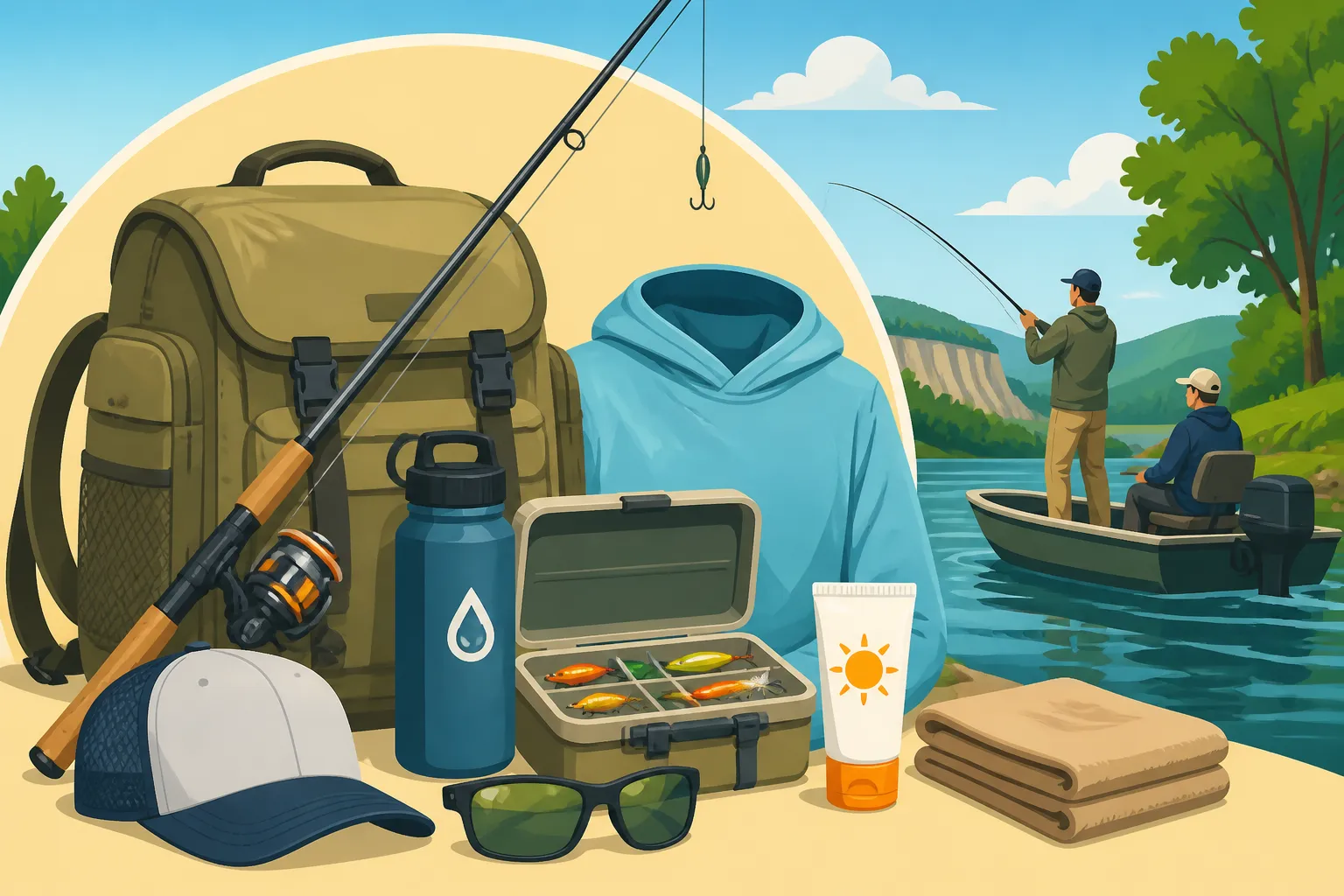
The sun reflecting off the water, even on cloudy days, can be incredibly intense. Protecting your skin and eyes is crucial, not just for comfort but for long-term health. A wide-brimmed hat (or at least a baseball cap) will shield your face and neck from direct sun. Polarized sunglasses are absolutely vital – they not only protect your eyes but also help you see into the water, spotting fish and submerged structure your guide might point out. And, of course, sunscreen is a must. Apply it generously to any exposed skin, and remember to reapply throughout the day, especially after sweating or if you get wet. Don't forget the back of your neck and the tops of your ears!
Personal Comfort Items
Beyond the absolute essentials, a few personal items can significantly enhance your enjoyment and keep you feeling good throughout the day. These are the small things that can make a big difference in your overall experience.
Comfortable, Non-Slip Footwear
You’ll be spending a lot of time on your feet, often on wet, slick, or uneven surfaces in a boat. Comfortable, closed-toe shoes with good grip are paramount. Sandals, flip-flops, or open-toed shoes are generally a bad idea as they offer no protection from hooks, dropped gear, or slippery decks. Waterproof boots are ideal for trout fishing on tailwaters where you might be stepping in shallow water, but even sturdy boat shoes or old sneakers can work for lake fishing. Consider bringing an extra pair of socks, too, just in case your feet get wet.
Personal Medications and First-Aid Basics
If you take any prescription medications, make sure to bring them in their original containers, along with any instructions. Inform your guide if you have any medical conditions or allergies they should be aware of, especially if they are severe (e.g., bee sting allergies, diabetes). It’s also a good idea to pack a small, personal first-aid kit with items like pain relievers, bandages, antiseptic wipes, and any allergy medication you might need. While guides usually have a basic first-aid kit on board, having your own familiar supplies for minor issues can be reassuring.
Personal Hygiene Items and Bug Spray
Out on the water, especially during warmer months, insects can be a nuisance. A good quality insect repellent (with DEET or picaridin) can save you from incessant swatting and itchy bites. Chapstick with SPF is also highly recommended to protect your lips from sun and windburn. Hand sanitizer or wet wipes can be incredibly useful after handling bait or fish, or before eating a snack. These small considerations can make your day feel much cleaner and more pleasant.
Food, Drinks, and Hydration
Fishing can be surprisingly draining, both physically and mentally. You're out in the elements, focusing intensely, and often expending a fair bit of energy. Staying nourished and hydrated is key to maintaining your stamina and enjoying every moment of your trip.
Snacks and a Packed Lunch
While some guides might offer a basic snack or drink, it's always best to pack your own lunch and plenty of snacks. Think about items that are easy to eat on the go and don't require much fuss: sandwiches, wraps, energy bars, fruit, nuts, and jerky are all great options. Avoid anything messy or that requires utensils, as space can be limited. Having your favorite treats on hand will keep your energy levels up and prevent those "hanger" moments when the fish aren't biting!
Water and Other Beverages
Hydration is critical, especially during the warmer Arkansas summers. Bring plenty of water—more than you think you’ll need. Insulated water bottles or a small cooler filled with ice will keep your drinks cold all day. While soft drinks or juice are fine, water should be your primary beverage. Dehydration can creep up on you quickly, leading to headaches, fatigue, and a general feeling of malaise that can really diminish your fishing experience.
What Your Guide Likely Provides (and What They Don't)
One of the big advantages of hiring a guided trip, perhaps through a platform like FishingBooker, is that many of the heavy-duty items are already covered. This is where you can save space and avoid overpacking. Knowing what to expect helps you pack smarter, not harder.
Rods, Reels, and Tackle
Generally, your fishing guide will supply all the necessary rods, reels, bait, and tackle appropriate for the specific fish you're targeting and the water you'll be fishing. This is a huge benefit, as it means you don't need to haul all your own gear, nor do you need to worry about having the "right" lure or bait. Their expertise ensures you're using what works best on that particular day. If you have a specific "lucky" rod or lure you're keen to try, it's always a good idea to ask your guide beforehand if it's okay to bring it along. They might even have some valuable insights into how it could be used effectively. You can often find details about what is included when you are Booking a Fishing Guide in Arkansas.
The Boat, Safety Gear, and Fuel
Rest assured, your guide will provide a safe, well-maintained boat, complete with all necessary safety equipment like life jackets, first-aid kits, and emergency communication devices. They also handle the fuel, which can be a significant cost. Their boats are typically rigged with electronics like fish finders and GPS, which are invaluable for locating prime fishing spots. They'll also navigate the waters, ensuring your safety and maximizing your fishing time. This is part of the convenience you pay for when booking a professional trip.
Fish Cleaning and Storage
Many guides will offer to clean and fillet your catch at the end of the day, which is a fantastic perk! They often have the right tools and expertise to do it quickly and efficiently. It's a good idea to bring a cooler with ice in your vehicle to transport your cleaned fish home, unless your guide specifies they have a system for this. Always clarify fish cleaning services when you're asking Questions to Ask Before Hiring an Arkansas Fishing Guide.
Optional but Recommended Items
While not strictly necessary, a few additional items can enhance your trip or capture memories that last a lifetime. These are the "nice-to-haves" that can round out a perfect day on the water.
Camera or Smartphone for Photos
You're making memories out there! A waterproof camera, or even just your smartphone in a waterproof case, is perfect for capturing those trophy shots or the beautiful Arkansas scenery. Just be mindful of keeping your electronics safe and dry. Your guide might even offer to take photos for you, especially when you're holding up that prize catch.
Small Personal Tackle Box (if desired)
While your guide provides the primary tackle, some experienced anglers like to bring a very small personal tackle box with a few of their absolute favorite lures, hooks, or a specific type of bait they have confidence in. This is entirely optional and should be discussed with your guide in advance to ensure it doesn't clutter their boat or interfere with their planned approach. Remember, they're the experts on their home waters.
A Cooler for Your Catch or Extra Drinks
As mentioned, a cooler in your vehicle is invaluable for taking home your cleaned fish. But you might also want a small personal cooler in the boat to keep your snacks and drinks extra cold and separated from the guide's supplies. Again, check with your guide about space, as boats can get crowded quickly, especially with multiple anglers. A soft-sided cooler is often a good compromise for saving space. For longer trips targeting species like trout, having a plan for your catch is essential, as detailed in guides like Trout Fishing Below Bull Shoals Dam on the White River.
A Table of What to Bring
To help you organize your thoughts, here's a quick reference table outlining what to bring versus what your guide typically covers:
| Category | What YOU Should Bring | What Your GUIDE Typically Provides |
|---|---|---|
| Documents | Valid Fishing License (including Trout Permit if needed) | N/A |
| Photo ID | N/A | |
| Clothing | Layered clothing (base, mid, outer/rain shell) | N/A (unless specialized waders/boots on some trips) |
| Non-slip, closed-toe shoes | N/A | |
| Hat, Polarized Sunglasses, Sunscreen | N/A | |
| Personal Items | Personal Medications, basic First-Aid | Basic First-Aid Kit |
| Insect Repellent, Lip Balm, Hand Sanitizer | N/A | |
| Food & Drink | Packed Lunch, Snacks | Sometimes water/soda, very rarely full meals |
| Plenty of Water/Beverages | Sometimes water/soda | |
| Fishing Gear | Optional: Favorite personal rod/lures (ask guide first) | Rods, Reels, Bait, Lures, Tackle, Landing Nets |
| Boat & Safety | N/A | Boat, Life Jackets, Emergency Equipment |
| Fish Handling | Cooler with Ice (for transporting cleaned fish) | Fish cleaning service, sometimes storage on board |
| Memories | Camera/Smartphone (waterproofed) | N/A (but they might take photos for you!) |
Remember, communication with your guide is key! Don't hesitate to reach out to them a few days before your trip, perhaps by checking their profile on FishingBooker, to clarify any specific questions you have about what they provide or what you should bring. They're there to help you have the best possible experience, and being prepared on your end makes their job easier and your trip more enjoyable. And don't forget to consider a tip for their hard work and expertise! Tipping Your Fishing Guide in Arkansas offers some helpful guidelines on that front.
Disclaimer
This article is for general informational purposes only and does not constitute professional advice. Laws, prices and regulations vary by location and change over time. Consult a qualified professional for guidance on your specific situation.