Choosing a Fly-Fishing or Spin-Fishing Guide for Your Arkansas Trip
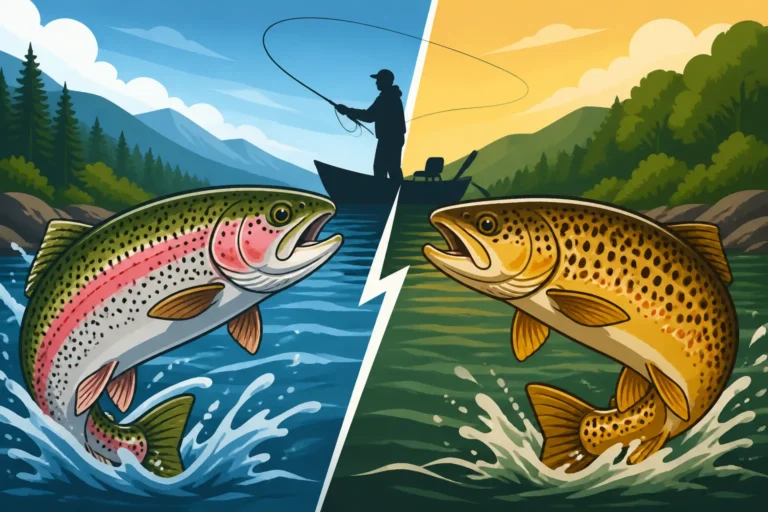
Deciding to book a fishing guide for a trip to Arkansas is already a fantastic step towards a memorable experience, but then comes the often-overwhelming question: should you go with a fly-fishing guide or a spin-fishing guide? This choice can feel daunting, especially if you're not deeply familiar with both techniques or what they entail. This guide aims to clear up that confusion, helping you understand the fundamental differences and what each type of guide specializes in, so you can make the perfect choice for your Arkansas fishing adventure.
Understanding Fly-Fishing Versus Spin-Fishing
Before you can pick a guide, it's really helpful to understand the core differences between fly-fishing and spin-fishing. Both are effective ways to catch fish, but they go about it in wildly different manners, requiring distinct gear, techniques, and often, different approaches to the water itself. It's not about one being "better" than the other, but rather which one aligns best with your goals, the species you're after, and the experience you're hoping to have.
The Art of Fly-Fishing
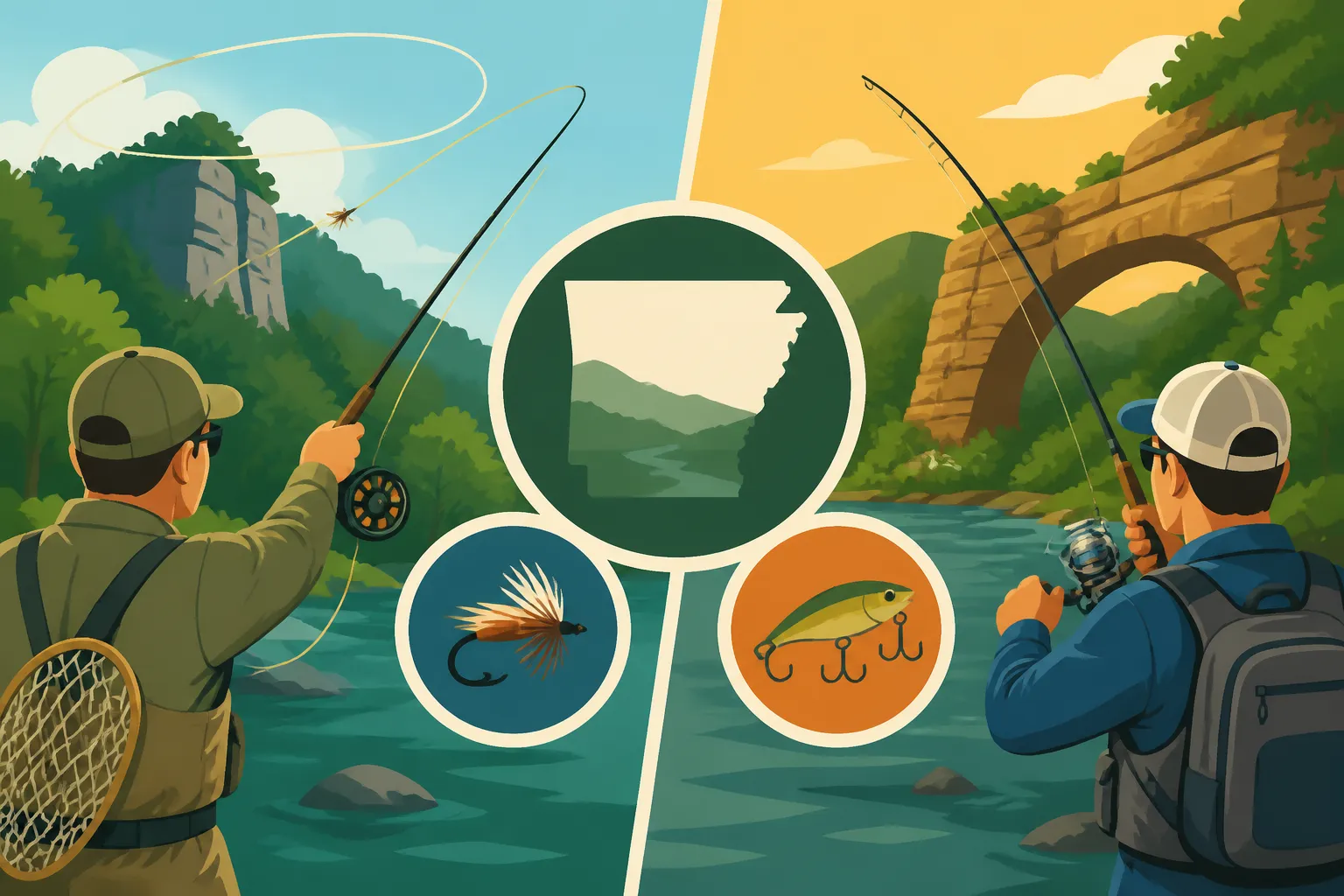
Fly-fishing is often seen as a more traditional or "artistic" form of angling, characterized by its unique casting technique. Instead of using a weighted lure to carry the line, a fly angler uses the weight of the specialized fly line itself to cast a nearly weightless "fly." These flies are designed to imitate natural insect food sources, small baitfish, or even crustaceans that fish feed on. The presentation is typically delicate and aims to mimic how these natural food items drift or move in the water.
This method requires a different kind of rhythm and finesse. You'll use a long, flexible rod, a specialized reel that primarily acts as a line holder, and a fly line that tapers in thickness to allow for energy transfer during the cast. Many anglers find the casting motion itself to be a deeply satisfying part of the experience, a meditative dance between angler, rod, and line. Fly-fishing is particularly effective and popular for trout fishing on rivers and streams, especially in clear, moving waters like Arkansas's famous White River or Norfork Tailwater. It's an immersive experience that connects you intimately with the water and the insects around it. White River Fishing Guides: Arkansas's Trout Fishing Capital often specialize in this technique.
The Versatility of Spin-Fishing
Spin-fishing, also known as conventional fishing, is probably what most people picture when they think of fishing. It utilizes a spinning reel mounted on the underside of a rod, which is designed to cast weighted lures or bait. The weight of the lure or sinker pulls the line, allowing for relatively easy and long casts. This technique is incredibly versatile and can be used to target nearly any freshwater fish species in a vast array of environments, from small ponds to large reservoirs and fast-flowing rivers.
The gear is generally more user-friendly for beginners, making it a popular choice for casual anglers and families. Spin-fishing allows for a wide range of baits and lures, including artificial crankbaits, jigs, spinnerbaits, soft plastics, and live bait like minnows or worms. You can actively retrieve lures, cast to specific structures, or simply let bait sit on the bottom. Its adaptability means a spin-fishing guide can take you after a broader range of species and across a wider variety of fishing conditions found throughout Arkansas's diverse waters, from the bass-filled lakes to the catfish-laden rivers.
Why Hire a Guide for Each Technique
Regardless of whether you choose fly-fishing or spin-fishing, hiring a guide in Arkansas offers immense benefits. They bring local knowledge, expertise, and often, specialized equipment that can dramatically increase your chances of success and significantly enhance your overall experience. The value a guide provides often boils down to helping you navigate the unique challenges and opportunities each fishing method presents.
Navigating Fly-Fishing Complexities
Fly-fishing, while rewarding, has a steeper learning curve than spin-fishing. The casting motion alone can take time to master, and understanding fly selection, presentation, and reading the water effectively requires a depth of knowledge. This is where a fly-fishing guide truly shines. They are experts in the specific aquatic ecosystems they fish, particularly Arkansas's renowned trout streams.
A good fly-fishing guide won't just put you on fish; they'll often provide instruction, helping you refine your casting, teach you how to "match the hatch" (select the right fly to imitate what fish are currently eating), and show you how to drift your fly naturally. They understand the nuances of current seams, eddies, and riffles, knowing exactly where fish are likely to hold and feed. For instance, on the White River, the specific generation schedule from the dams can drastically change conditions, and a guide knows how to adapt to these changes. Their insights into trout behavior and the local insect life are invaluable, transforming a potentially frustrating day into a truly educational and productive outing. Arkansas Fly-Fishing Guides for the White River are specifically trained in these intricate details.
Maximizing Spin-Fishing Success
While spin-fishing might seem more straightforward, a guide can still dramatically boost your success rate and efficiency. Arkansas's lakes and rivers are vast, and finding productive fishing spots for species like bass, crappie, or catfish can be like finding a needle in a haystack without local knowledge. Spin-fishing guides have spent countless hours on these waters, meticulously mapping out brush piles, rock formations, ledges, and other structures where fish congregate.
They understand seasonal patterns, knowing where fish will be during the spawn, in the heat of summer, or as waters cool in the fall. A spin-fishing guide will often provide a boat, high-end electronics like sonar and GPS, and a full arsenal of proven lures and baits, saving you the expense and guesswork. They can teach you effective techniques for specific lures, how to work different depths, and interpret bites you might otherwise miss. For a visitor to a large lake like Bull Shoals or Lake Ouachita, having a guide who knows the hot spots can make the difference between catching a trophy and just getting a tan. You can often find reputable spin-fishing guides on platforms like FishingBooker, making it easy to compare options and book your trip.
When to Choose a Fly-Fishing Guide
The decision to choose a fly-fishing guide often comes down to your primary angling goals, the specific species you wish to pursue, and the type of experience you're craving. Fly-fishing is deeply intertwined with certain environments and fish behaviors, making it the ideal choice for particular trips in Arkansas.
Targeting Trout on Arkansas Tailwaters
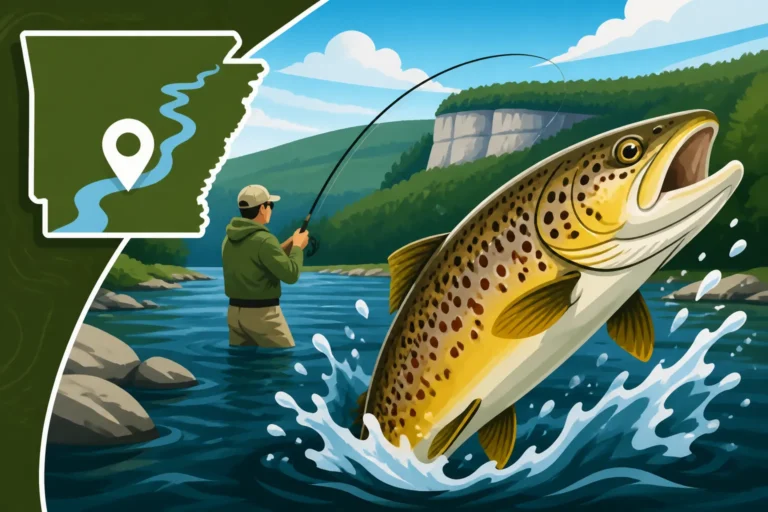
If your dream is to catch rainbow trout, brown trout, cutthroat trout, or brook trout in the pristine, cold waters of Arkansas, then a fly-fishing guide is almost certainly your best bet. Arkansas boasts some of the finest trout fisheries in the nation, largely thanks to its cold-water tailwaters below dams like Bull Shoals and Norfork. These rivers, especially the White River and the Norfork River, are world-renowned for their trophy trout.
A fly-fishing guide operating on these tailwaters possesses an unparalleled understanding of the complex currents, feeding lanes, and the specific insect hatches that drive trout activity. They'll know precisely which fly patterns are working on a given day, whether it's tiny midges in the winter or larger caddis and mayflies in the spring and fall. They'll also be intimately familiar with the release schedules from the dams, which can drastically impact fish location and behavior. You'll learn to cast to rising fish, nymph in deep runs, or streamer fish for larger, predatory browns. If you're looking for that classic, immersive trout stream experience, a fly-fishing guide will unlock it for you. Consider looking at Best Trout Fishing Spots in Arkansas for a clearer picture of where these opportunities lie.
Exploring Niche Species and Waters
While trout are the superstars of fly-fishing in Arkansas, this technique isn't limited to just them. A skilled fly-fishing guide can also open doors to targeting other species in unique ways. For example, some guides specialize in pursuing smallmouth bass in the state's clear Ozark streams with small poppers or streamers. Others might focus on carp in shallow flats or even panfish in calmer waters, using ultralight fly gear for a fun and challenging fight.
Choosing a fly-fishing guide for these niche pursuits often means you're looking for a specific, more intricate angling challenge or a deeper connection to a particular environment. It's about the delicate presentation, the subtle takes, and the satisfaction of fooling a fish with a carefully tied imitation. These guides often have an intimate knowledge of smaller, less-pressured waters that might be overlooked by conventional anglers. If you're an experienced fly angler looking to broaden your horizons or a beginner curious about specific fly-fishing challenges beyond trout, a specialized fly-fishing guide can provide a truly unique and rewarding adventure. Fly Fishing Techniques for Beginners can give you a head start if this sounds appealing.
When to Choose a Spin-Fishing Guide
Spin-fishing guides offer incredible flexibility and are often the gateway to a wider variety of species and fishing scenarios across Arkansas. If you're looking for action, versatility, or a more relaxed approach, a spin-fishing guide is likely your ideal choice.
Pursuing Bass and Crappie in Lakes and Rivers
Arkansas is a paradise for warm-water species, and if catching largemouth bass, smallmouth bass, Kentucky spotted bass, or crappie is high on your list, a spin-fishing guide is typically the most effective way to go. The state's large reservoirs like Lake Ouachita, Greers Ferry Lake, Bull Shoals Lake, and Lake Hamilton are renowned for their abundant populations of these popular game fish. Spin-fishing guides on these waters are masters of adapting to changing conditions, understanding how bass and crappie relate to structure, depth, and forage throughout the year.
They’ll have their boats equipped with advanced sonar and GPS to pinpoint submerged timber, rock piles, ledges, and brush piles – prime real estate for these fish. You'll learn effective techniques like jigging for crappie, casting crankbaits for bass along points, or working soft plastics through cover. A spin-fishing guide can quickly move you from spot to spot, covering vast areas of water to find active fish. For those who love the thrill of a powerful bass strike or filling a cooler with delicious crappie, a spin-fishing guide is an invaluable asset. Check out Arkansas's Best Lakes for Bass, Crappie, and Catfish to get an idea of where these trips primarily take place.
Multi-Species Trips and Beginner-Friendly Options
One of the greatest advantages of choosing a spin-fishing guide is their capacity for multi-species trips. Unlike fly-fishing, which tends to be more specialized, a spin-fishing setup can easily adapt to target different fish within the same day or even the same spot. A guide might start your morning casting for bass, switch to vertical jigging for crappie mid-day, and then finish by setting lines for catfish in the evening. This versatility is perfect for groups with varying interests or for anglers who simply want to experience the breadth of Arkansas's fisheries.
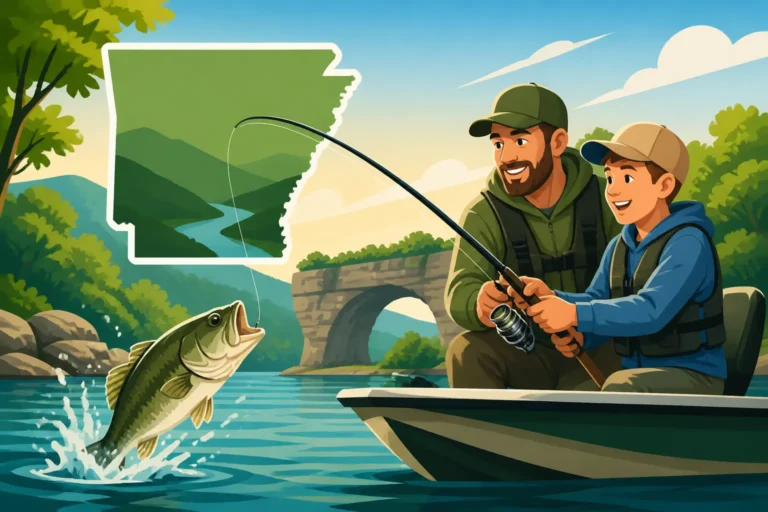
Furthermore, spin-fishing is inherently more accessible for beginners and younger anglers. The casting is simpler, and the immediate feedback of feeling a lure retrieve can be very engaging. A spin-fishing guide is well-versed in teaching basic casting, rigging, and retrieve techniques, making it an excellent choice for a family outing or someone new to fishing who wants a high chance of success without a steep learning curve. They can ease you into the joys of angling, making sure your first experience is positive and memorable. Booking platforms like FishingBooker make it easy to find guides who highlight their family-friendly or multi-species trip options.
What to Expect from Your Guide
When you hire a fishing guide in Arkansas, regardless of their specialization, you're not just paying for their time on the water; you're investing in their expertise, equipment, and their ability to create a fulfilling experience. Knowing what to expect regarding gear and the overall guided experience can help you prepare and get the most out of your trip.
Equipment and Instruction Provided
A professional fishing guide will almost always provide all the necessary fishing gear. This typically includes rods, reels, lines, tackle, and a variety of baits and lures tailored to the conditions and target species of the day. For fly-fishing guides, this means a selection of appropriate fly rods, reels, lines, and an extensive array of flies to "match the hatch." Spin-fishing guides will have a range of spinning rods, different weights of line, and a tackle box bursting with everything from crankbaits to soft plastics and live bait options. This is a huge benefit, as it saves you from having to purchase specialized gear or haul your own equipment if you're traveling.
Beyond just providing the tools, a great guide offers invaluable instruction. They're not just driving the boat or pointing out fish; they're teaching. A fly-fishing guide might spend time patiently refining your roll cast or explaining nymphing techniques. A spin-fishing guide could show you how to properly work a jig through structure or how to interpret what you're seeing on the fish finder. They want you to learn and grow as an angler, ensuring you gain skills that extend beyond just that one day on the water.
The Guided Experience Itself
The core of the guided experience is putting you in the best position to catch fish. This involves their intimate knowledge of the local waters, including hidden honey holes, seasonal patterns, and fish behavior. Your guide will handle the logistics: navigating the waters, getting to prime spots, and often, even taking care of rigging your lines and baiting your hooks. Many guides also take care of cleaning and packaging your catch at the end of the day, a fantastic bonus after a successful trip.
While the primary focus is fishing, a guided trip is also a chance to enjoy the incredible natural beauty of Arkansas. Guides are often great storytellers, sharing insights into the local ecosystem, history, and wildlife you might encounter. They prioritize safety, carrying all necessary safety equipment and adhering to all Arkansas Fishing Regulations Guide. The experience is designed to be relaxing, educational, and, most importantly, productive. You'll spend more time fishing and less time worrying about logistics, making it a truly worthwhile investment for any angler. Remember, you'll still need your own Arkansas Fishing License Rules and Costs before you go!
Making Your Decision
Ultimately, the choice between a fly-fishing and a spin-fishing guide boils down to a few personal factors. There's no single "right" answer, as the best choice for you depends entirely on what you want out of your day on the water. Taking a moment to consider your experience level, your target species, and the kind of day you envision will guide you to the perfect Arkansas adventure.
Considering Your Experience Level and Goals
Your current fishing experience is a significant factor. If you've never held a fishing rod before, or if you're bringing young children, a spin-fishing guide is generally the more accessible and forgiving option. The techniques are easier to pick up quickly, leading to more immediate success and enjoyment. If you're a seasoned spin angler looking for a new challenge or have always been curious about the delicate dance of fly-fishing, then a fly-fishing guide can provide the foundational instruction and hands-on experience you need. They'll patiently walk you through casting mechanics and fly selection.
Beyond experience, think about your angling goals. Are you focused on catching a specific species, like a trophy brown trout on a fly? Or are you more interested in a high-action day catching a variety of fish for dinner? Perhaps you want to learn a new technique, or simply enjoy a relaxing day on the water with a high chance of success. If your goal is primarily trout on clear Ozark streams, fly-fishing is often the purist's choice. If it's bass, crappie, or a mixed bag across the state's large lakes, spin-fishing offers incredible opportunities. Consider what kind of memories you want to create and what kind of challenge excites you most.
Researching and Booking Your Guide
Once you have a clearer idea of your preference, it's time to find the right guide. Online platforms like FishingBooker are fantastic resources for browsing a wide array of guides operating in Arkansas. You can filter by fishing technique, target species, location, and even read reviews from previous clients. Look for guides who specialize in the technique you've chosen and have a strong reputation for customer service and fish-catching prowess. Don't hesitate to contact a few guides directly through these platforms or their own websites.
When you reach out, ask specific questions about what's included, their approach to instruction, and what you might need to bring. Confirm that they operate in the specific areas or on the specific bodies of water you're interested in, such as Bull Shoals Lake or the White River. A good guide will be happy to answer your questions and help you decide if their style is a good fit. Remember that popular guides, especially during peak seasons like spring and fall, book up quickly, so plan to reserve your trip in advance. Don't forget to inquire about payment, deposits, and cancellation policies. How to Book a Fishing Guide in Arkansas can offer more guidance on this process.
| Feature | Fly-Fishing Guide | Spin-Fishing Guide |
|---|---|---|
| Primary Target | Trout (Rainbow, Brown, Cutthroat) | Bass (Largemouth, Smallmouth, Spotted), Crappie, Catfish, Panfish |
| Common Locations | Cold-water tailwaters (White, Norfork, Little Red) | Large reservoirs (Ouachita, Bull Shoals, Greers Ferry), major rivers |
| Equipment Provided | Fly rods, reels, lines, specialized flies | Spinning rods, reels, various lures, live bait |
| Learning Curve | Moderate to high (casting, fly selection) | Low to moderate (easier casting, versatile baits) |
| Instruction Focus | Casting technique, "matching the hatch," reading currents | Lure presentation, depth finding, structure fishing |
| Best For | Trout enthusiasts, those seeking a traditional challenge, specific technique learners | Beginners, families, multi-species anglers, high-action trips |
| Typical Boat Type | Drift boats, smaller river skiffs | Bass boats, pontoon boats, larger fishing boats |
| Experience | Often more meditative, focused on presentation | Often more action-oriented, covering diverse waters |
Disclaimer
This article is for general informational purposes only and does not constitute professional advice. Laws, prices and regulations vary by location and change over time. Consult a qualified professional for guidance on your specific situation.