Choosing the Right Fishing Charter for Your Arkansas Trip
Embarking on a fishing trip in Arkansas can be an absolutely incredible experience, with its diverse waters offering everything from trophy trout to hard-fighting bass. However, for many anglers, especially those new to the state or looking for a specific kind of adventure, the sheer number of available fishing guides and charters can feel overwhelming. How do you cut through the noise, separate the seasoned pros from the newcomers, and ultimately ensure your precious time on the water is everything you dream of? This comprehensive guide will walk you through every step of choosing the perfect fishing charter for your Arkansas trip, helping you navigate the options with confidence and land the ideal guide for your next unforgettable outing.
Understanding Your Fishing Goals and Expectations
Before you even start looking at guides, the most crucial first step is to sit down and really think about what you want out of your fishing trip. Without a clear picture of your ideal day on the water, you're essentially throwing darts in the dark when it comes to picking a guide. Arkansas has a fishing experience for everyone, but matching that experience to your personal desires is key to a truly successful and satisfying trip.
What Species Are You Targeting?
Arkansas is renowned for its incredible variety of fish, and different guides specialize in different species. Are you dreaming of battling a massive brown trout on the White River, or is the thrill of a topwater bass exploding on your lure on Lake Ouachita more your style? Perhaps you're after the subtle bite of crappie in the timber, or a tug-of-war with a powerful striped bass on Norfork Lake.
The guide you choose will have dedicated their career to understanding the habits, patterns, and best techniques for specific fish. A world-class trout guide might be fantastic at reading tailwater currents and matching the hatch, but they might not be the right person to put you on a school of deep-water stripers. Conversely, a guide who knows every brush pile on DeGray Lake for crappie might not have the specialized knowledge of fly patterns needed for selective trout. Be upfront with yourself and potential guides about your target species. This immediately narrows down your search and ensures you're looking at guides with the relevant expertise to make your dream catch a reality.
What Kind of Experience Are You Looking For?
Beyond just the fish, consider the overall vibe and purpose of your trip. Is this a hardcore trophy hunt where you're willing to endure long hours and potentially slow periods for the chance at a true monster? Or is it a relaxed family outing, focused more on enjoying nature, getting some bites, and creating memories with the kids, even if the fish aren't giants?
Maybe you're a seasoned angler looking to learn new techniques or explore unfamiliar waters with an expert. Or perhaps you're a complete beginner who needs patient instruction and hands-on help with everything from casting to tying knots. Some guides are phenomenal educators, relishing the opportunity to teach. Others are more focused on simply getting you on fish, assuming you have a certain level of skill. Understanding whether you want a high-stakes adventure, a tranquil day on the water, or an educational experience will dramatically influence the type of guide and trip you should seek. Don't be afraid to specify if you want a Family Fishing Trips with Arkansas Guides experience!
Consider Your Group Size and Skill Level
The size of your group and the collective skill level of its members are significant factors. Are you a solo angler seeking solitude and intense focus? A couple looking for a romantic fishing getaway? A small group of friends hoping to share some laughs and some lines? Or a multi-generational family with toddlers and grandparents, all wanting to participate?
Guides have different boats, equipment, and approaches tailored to various group dynamics. A smaller drift boat on a trout stream might comfortably accommodate two anglers, but it won't work for a family of five. Similarly, a guide used to taking experienced bass anglers might not have the patience or specific gear needed for first-timers, especially children. Be honest about everyone's fishing prowess – from absolute beginner to seasoned pro. A guide who excels at teaching kids, for instance, might be invaluable for a family trip, whereas an expert fly-fishing guide might be better suited for experienced anglers looking to hone their skills. Many guides offer specialized Kid-Friendly Fishing Charters in Arkansas that are designed to make fishing fun and accessible for youngsters.
Researching Arkansas Fishing Guides and Charters
Once you have a clear picture of your ideal fishing trip, it's time to start the actual detective work of finding the right guide. In the digital age, information is readily available, but knowing where to look and how to interpret what you find is crucial. Don't just pick the first name you see; a little research goes a long way in ensuring a memorable experience.
Online Platforms and Directories
One of the easiest ways to start your search is by exploring dedicated online platforms that list fishing guides and charters. Websites like FishingBooker, for example, aggregate guides from various locations, allowing you to filter by species, location, trip type, and even specific dates. These platforms often provide detailed profiles for each guide, including photos of their boat and past catches, a list of services, prices, and most importantly, client reviews.
When using these platforms, take your time to browse. Read the descriptions carefully to see if the guide's stated specialties align with your goals. Pay close attention to the details about what's included in the trip, like bait, tackle, and drinks. The reviews section is invaluable; look for patterns in positive and negative feedback regarding the guide's professionalism, teaching ability, knowledge of the water, and customer service. You can often see which guides cater well to families versus those who focus on hardcore angling. Utilizing such a platform can significantly streamline your initial research process and give you a broad overview of available options.
Local Recommendations and Word-of-Mouth
While online platforms are fantastic for a broad search, there's still immense value in old-fashioned local recommendations. If you're visiting a specific area of Arkansas, stop into local bait and tackle shops, sporting goods stores, or even local restaurants and ask around. These local establishments are often hubs for fishing community gossip, and the folks working there usually know which guides are reliable, friendly, and consistently put clients on fish.
Talking to other anglers you meet on the water or in town can also provide candid insights. A personal referral from someone who had a great trip can be priceless, as it offers a firsthand account of the guide's personality and effectiveness. Sometimes, the best guides aren't the ones with the flashiest websites but the ones consistently booked by satisfied repeat customers who spread the word. Don't underestimate the power of a genuine, unsolicited recommendation from a fellow angler.
Checking Guide Credentials and Experience
When you're entrusting your safety and fishing success to someone, it's vital to ensure they are qualified and experienced. For many guided trips, especially on larger lakes or navigable rivers, guides are often required to hold a U.S. Coast Guard Captain's license. This indicates they've met specific standards for navigation, safety, and first aid. Don't hesitate to ask if a guide holds the appropriate licenses for operating commercially.
Beyond official credentials, consider their experience on the specific waters you plan to fish. Has a White River trout guide spent decades learning the nuances of the river's flow and insect hatches? Does a bass guide on Bull Shoals Lake know the subtle changes in structure and fish movement through the seasons? Look for guides with a long track record, positive testimonials, and demonstrable expertise in their chosen fishery. An experienced guide often means better safety, more productive fishing, and a smoother overall experience, especially when dealing with unforeseen conditions or complicated regulations. Confirming things like Arkansas Fishing License Requirements for Guided Trips and insurance coverage before booking is a smart move.
Key Questions to Ask Before Booking
Once you've identified a few potential guides, it's time to pick up the phone or send an email. This is your opportunity to ask specific questions that will clarify expectations and ensure there are no surprises on the day of your trip. Don't be shy; a good guide will appreciate your thoroughness and be happy to provide all the information you need.
Understanding What's Included (and What's Not)
One of the most common sources of frustration on guided trips stems from misunderstandings about what the booking covers. You need a clear itemized list of what the guide provides. This typically includes rods, reels, tackle, and bait. Will they supply drinks and snacks? Is lunch part of a full-day trip, or do you need to pack your own?
Also, clarify what happens after the catch. Will the guide clean and bag your fish, or is that your responsibility? Are there any extra charges for these services? Imagine arriving for your trip expecting a turnkey experience only to find you need to buy your own live bait, bring your cooler, and handle fish cleaning yourself. Getting these details sorted beforehand prevents awkward situations and ensures you can plan accordingly. A comprehensive Arkansas Fishing Charter Costs: What to Expect guide can help you compare these inclusions.
Clarifying Pricing, Deposits, and Cancellation Policies
Understanding the financial aspects is paramount. What is the total cost for your group and the chosen trip duration? Are there any additional fees for fuel, permits, or use of specialized equipment? It's always a good idea to confirm if gratuity is included or expected (it usually isn't, and we'll discuss tipping later).
Almost all guides require a deposit to secure your booking, especially for popular dates. Inquire about the deposit amount and whether it's refundable. More importantly, ask about their cancellation policy. What happens if the weather turns sour? Is there a minimum notice period for you to cancel without losing your deposit? A clear policy protects both you and the guide. Knowing the answers to these questions upfront can save you significant stress and potential financial loss, particularly with something like What Happens to Your Deposit If You Cancel a Fishing Trip in Arkansas.
Discussing Safety Measures and Equipment
Your safety should always be a top priority. Ask the guide about the safety equipment on board. Are there enough life vests for everyone, including children, and are they in good condition? Does the guide have a first aid kit and know how to use it? What kind of communication equipment do they carry (VHF radio, satellite phone, cell service)?
Inquire about the condition of their boat and equipment. Is the boat well-maintained? Are the rods and reels in good working order? A reputable guide will have safety protocols in place and be able to confidently answer these questions, reassuring you that they prioritize the well-being of their clients. This transparency builds trust and allows you to relax and enjoy your time on the water, knowing you're in capable hands.
Different Types of Arkansas Fishing Charters and Guides
Arkansas boasts an incredible variety of waters, from vast Corps of Engineers lakes to pristine mountain streams and mighty rivers. This diversity means there's a wide array of specialized fishing guides, each catering to different environments, species, and fishing styles. Understanding these distinctions will help you choose the guide best suited to your specific adventure.
Lake Guides (Bass, Striper, Crappie)
Arkansas is home to some truly world-class lakes, and a significant portion of its fishing guides specialize in these expansive waters. For instance, you'll find guides dedicated to the pursuit of largemouth, smallmouth, and Kentucky bass on lakes like Ouachita, Bull Shoals, Beaver, and DeGray. These guides often have intimate knowledge of lake structure – submerged timber, rock piles, ledges, and creek channels – using electronics like sonar and GPS to pinpoint fish. They're experts in various techniques, from throwing crankbaits and spinnerbaits to working soft plastics.
Then there are the striper guides, particularly renowned on Norfork Lake and Lake Hamilton, who chase the powerful striped bass. These trips often involve trolling large baits or downrigging in deep water, requiring specialized heavy-duty equipment. Crappie guides, on the other hand, might focus on vertical jigging around brush piles, timber, or bridge pilings on lakes like Lake Conway or the various Army Corps of Engineers lakes. When considering a lake guide, think about the specific lake you want to explore and the techniques you're interested in, as guides often have a preferred methodology. Many anglers specifically seek out Arkansas Striped Bass Fishing Techniques guides on Norfork Lake for their reputation in landing trophy fish.
River and Tailwater Guides (Trout, Smallmouth)
The cold, clear tailwaters below Arkansas's dams, particularly the White River below Bull Shoals Dam and the Little Red River below Greers Ferry Dam, are legendary for their trout fishing. Guides here typically operate drift boats or larger jet boats, navigating the currents and putting anglers in prime positions for rainbow, brown, cutthroat, and brook trout. Many of these guides are expert fly fishermen, teaching clients how to cast delicate dry flies or effective nymph rigs. Others specialize in spin fishing techniques, using ultralight tackle and small inline spinners or PowerBait.
Beyond trout, Arkansas's Ozark streams and rivers, like the Buffalo, Crooked Creek, or the Caddo River, offer fantastic smallmouth bass fishing. Guides for these waters often use smaller boats, canoes, or even lead wade trips, focusing on catching the feisty smallmouth in rocky shoals and pools. These trips tend to be more intimate, often highlighting the scenic beauty of the river along with the fishing. If you're looking for a White River Fishing Guides: Arkansas's Trout Fishing Capital, expect a different kind of expertise and equipment than a lake guide.
Specialty Trips (Night Fishing, Tournament Prep, Family Focus)
Some guides offer unique or specialized experiences beyond standard day trips for a particular species. For instance, you might find guides who offer night fishing trips, particularly for catfish on the Arkansas River or stripers on Lake Hamilton during the warmer months. These trips tap into different fish behaviors and offer a distinct atmosphere.
Other guides might cater to competitive anglers, offering "tournament prep" trips where they help seasoned bass fishermen pre-fish a lake, locate potential spots, and discuss strategies for an upcoming tournament. On the other end of the spectrum, many guides specifically market themselves as family-friendly, prioritizing safety, comfort, and keeping children engaged with plenty of action, often targeting panfish or smaller bass. Be sure to check if they offer Kid-Friendly Fishing Techniques or focus on Family-Friendly Fishing Coves on Lake Ouachita. If you have a specific niche interest, don't hesitate to ask if a guide can accommodate it; you might be surprised by the tailored experiences available.
Here's a quick comparison of common Arkansas guided fishing trip types:
| Trip Type | Primary Target Species | Typical Duration | Common Inclusions | Key Considerations |
|---|---|---|---|---|
| White River Trout | Rainbow Trout, Brown Trout | Half-Day (4 hrs), Full-Day (8 hrs) | Rods, Reels, Tackle, Flies/Bait, Drinks, Fish Cleaning | Fly vs. Spin Fishing, Drift Boat Experience, Cold Water |
| Lake Bass | Largemouth, Smallmouth, Kentucky Bass | Half-Day (4 hrs), Full-Day (8 hrs) | Rods, Reels, Tackle, Lures, Drinks | Electronics Use, Lake Knowledge, Seasonal Patterns |
| Norfork Striper | Striped Bass | Half-Day (4 hrs), Full-Day (8 hrs) | Heavy Tackle, Trolling Gear, Live Bait, Drinks | Deep Water Fishing, Powerful Fish, Dedicated Equipment |
| Lake Crappie | Black Crappie, White Crappie | Half-Day (4 hrs), Full-Day (8 hrs) | Light Tackle, Jigs, Minnows, Drinks | Brush Pile/Timber Fishing, Slab Hunters, Vertical Jigging |
| Arkansas River Catfish | Channel, Blue, Flathead Catfish | Half-Day (4 hrs), Full-Day (8 hrs), Night Trips | Heavy Tackle, Cut Bait, Rod Holders, Drinks | Bottom Fishing, Current Knowledge, Trophy Potential |
| Family / Beginner | Panfish, Smaller Bass, Trout | Shorter (3-5 hrs) | Simple Tackle, Easy Bait, Snacks, Drinks, Patient Instruction | Fun, Safe, High-Action, Educational Focus, Kid-Friendly Gear |
Preparing for Your Guided Fishing Trip
You've done your research, asked all the right questions, and booked your perfect Arkansas fishing charter. Congratulations! Now, before the big day arrives, there are still a few crucial steps to take to ensure you're fully prepared and can maximize your enjoyment on the water. A little foresight can prevent last-minute stress and make your trip go much smoother.
Essential Gear and Clothing to Bring
Even though your guide will provide most of the fishing equipment, there are several personal items you should always bring for comfort and safety. Layers are key in Arkansas, as weather can change quickly, especially on the water. Even on a warm day, mornings can be chilly, and boat rides can feel cooler. A light rain jacket is almost always a good idea, regardless of the forecast; Mother Nature loves to surprise anglers.
Don't forget sun protection! A wide-brimmed hat, polarized sunglasses (essential for seeing fish and protecting your eyes), and sunscreen are non-negotiable. Comfortable, non-slip shoes are also a must. You might also want to bring a camera, any personal snacks or drinks not provided, and a small dry bag for your phone, wallet, and keys. Your guide might provide a detailed What to Bring on a Guided Arkansas Fishing Trip list, but these are solid basics. Always over-prepare slightly rather than under-prepare.
Obtaining Necessary Licenses and Permits
This is absolutely critical: every angler, regardless of age (above a certain threshold) or whether they're with a guide, must possess a valid Arkansas fishing license. If you plan to fish for trout in the designated trout waters, you'll also need an additional trout permit. Your guide cannot legally take you fishing without these, and game wardens do check. Trying to obtain a license on the morning of your trip can cause significant delays or even force you to reschedule if you can't get one in time.
It's highly recommended to purchase your license and permit online through the Arkansas Game and Fish Commission website well in advance. Print a physical copy or save it to your phone where it's easily accessible. Check the specific requirements for residents versus non-residents, and confirm the age at which children need a license. For example, knowing Do Kids Need a Fishing License in Arkansas? will help you plan for the younger members of your party. Don't let a simple paperwork oversight ruin your much-anticipated fishing adventure.
Communicating with Your Guide Before the Trip
A few days before your scheduled trip, make sure to reach out to your guide. This is a great opportunity to confirm the meeting time and location, especially if you're unfamiliar with the area. Ask about any last-minute weather concerns or changes in fishing conditions that might affect what you should wear or bring.
This pre-trip communication also allows you to reiterate any specific requests or goals you might have discussed during booking. Perhaps you've heard that a certain bait has been hot, or you want to spend extra time practicing a specific casting technique. A quick check-in helps build rapport and shows the guide you're engaged and excited. It also gives them a chance to share any final tips or adjustments to the plan, ensuring everyone is on the same page for a smooth start to your adventure.
Making the Most of Your Guided Trip
The day has arrived! You're on the water with a seasoned professional, ready to tackle Arkansas's abundant fisheries. While your guide is certainly there to put you on fish, your active participation and attitude can greatly enhance the experience for everyone, leading to more catches and a more memorable day.
Active Participation and Listening
Your guide is an expert in their craft and on their particular body of water. They've spent countless hours learning the fish, the currents, the structure, and the seasonal patterns. When they offer advice on casting technique, retrieve speed, bait presentation, or where to cast, listen carefully and try to implement their suggestions. It might feel unfamiliar at first, but they have a reason for their recommendations.
Don't be afraid to ask questions. How deep is the water here? Why are we using this particular lure? What does a bite feel like? The more you engage and learn, the more you'll get out of the educational aspect of a guided trip. Remember, the guide wants you to catch fish just as much as you do, and working together as a team will significantly increase your chances of success. They are there to help you perfect techniques like How to Cast a Fly Rod for Beginners or How to Jig for Bass.
Respecting Regulations and the Environment
Part of a guide's responsibility is to ensure that all fishing is done legally and ethically. This means adhering strictly to all Arkansas fishing regulations, including daily creel limits, size restrictions, and specific rules for certain waters. Your guide will inform you of these, but it's always good to be aware yourself. If the guide says a fish needs to be released, release it promptly and carefully.
Beyond regulations, be a good steward of the environment. Pack out everything you pack in, leaving no trash behind. If you're on a catch-and-release trip, handle fish gently to ensure their survival. Your guide is not just there to catch fish but also to protect the fishery for future generations. Respecting their commitment to conservation reflects positively on you as an angler and contributes to the sustainability of Arkansas's natural resources. This includes understanding and adhering to Arkansas Fish Size and Daily Limits.
Showing Appreciation and Offering Feedback
At the end of a successful day, a simple "thank you" goes a long way. If your guide provided excellent service, worked hard to put you on fish, was knowledgeable, and made the trip enjoyable, it's customary to offer a gratuity. Tipping guidelines can vary, but generally, 15-20% of the trip cost is a good starting point for a job well done. This is a significant part of a guide's income and shows your appreciation for their effort and expertise. Discussing Tipping Your Fishing Guide in Arkansas before your trip can help you budget appropriately.
If you have constructive feedback, whether positive or something that could be improved, communicate it respectfully. Many guides genuinely want to know how they can enhance their service. Later, consider leaving an honest review on the platform where you booked (like FishingBooker) or the guide's website. Your review helps other anglers make informed decisions and provides valuable recognition for guides who go above and beyond.
Common Pitfalls to Avoid When Choosing a Charter
Even with the best intentions, it's easy to fall into certain traps when booking a fishing charter. Avoiding these common mistakes can save you disappointment, frustration, and even money, ensuring your Arkansas fishing adventure is everything you hoped for.
Only Focusing on Price
While budget is undoubtedly a consideration for most people, making your decision solely based on the cheapest price can often lead to a less-than-satisfactory experience. A significantly lower price might indicate an inexperienced guide, older or poorly maintained equipment, a shorter trip duration, or a lack of essential inclusions (like bait or tackle). Remember the old adage: you often get what you pay for.
Instead of just looking at the number, evaluate the value proposition. What is included for the price? How experienced is the guide? What do reviews say about their success rate and professionalism? Sometimes, paying a bit more for a seasoned professional with top-notch gear and a proven track record is a much better investment for a truly enjoyable and productive fishing trip. A low price can sometimes mask hidden costs or a guide who is simply less invested in ensuring a premium experience.
Neglecting Reviews and References
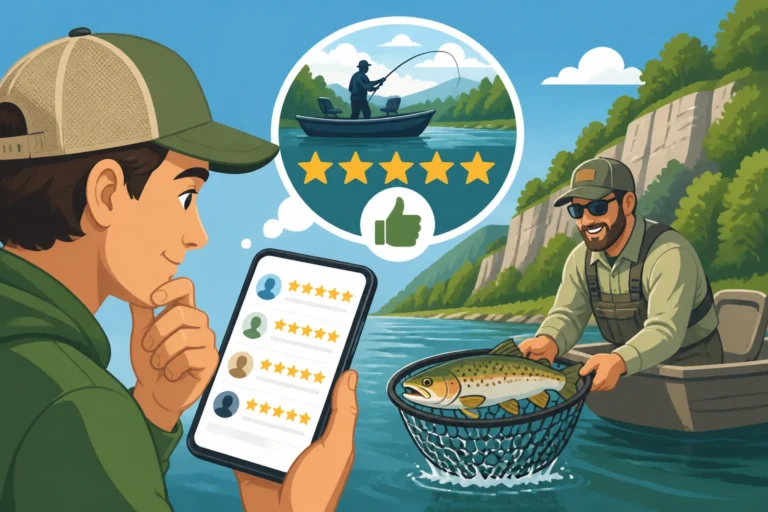
In today's interconnected world, ignoring online reviews is a significant oversight. Platforms like FishingBooker are full of candid feedback from previous clients. Pay attention to both the overall rating and the specific comments. Are people consistently praising the guide's patience with kids, their ability to find specific fish, or their positive attitude? Or are there recurring complaints about tardiness, poor communication, or a lack of effort?
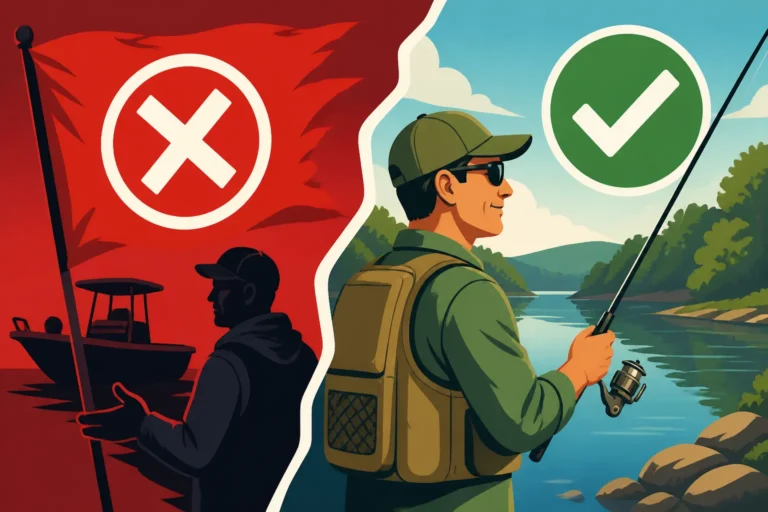
Don't just skim the five-star reviews; look at the moderate ones and how the guide responds (if they do). While one negative review might be an anomaly, a pattern of similar complaints is a red flag. If you found a guide through a personal referral, consider asking that person for a more detailed account of their experience. Checking multiple sources for reviews gives you a well-rounded picture of a guide's reputation and helps you avoid guides who might not deliver on their promises.
Waiting Until the Last Minute
Good fishing guides, especially those specializing in popular species or highly sought-after locations like the White River, book up quickly. This is particularly true during peak seasons (spring and fall for many species, summer for trout). Waiting until a week or two before your desired trip date severely limits your options. You might find that all the highly recommended guides are fully booked, leaving you with less experienced or less reputable choices.
To secure your preferred guide and trip date, especially if you have specific timing needs (like a weekend or holiday), it's advisable to book well in advance – sometimes several months out. This foresight ensures you get the best possible guide for your trip, rather than having to settle for whatever is available. Consider looking into How Far in Advance to Book a White River Guide Trip if you're planning a prime-time trout outing. Planning ahead also gives you ample time to coordinate logistics, purchase licenses, and communicate any specific needs with your guide.
Disclaimer
This article is for general informational purposes only and does not constitute professional advice. Laws, prices and regulations vary by location and change over time. Consult a qualified professional for guidance on your specific situation.